


Mami is a Filipino noodle soup built on a clear beef or chicken broth, typically served with thin egg noodles and sliced meat on top. Rooted in Chinese-Filipino culinary tradition, it remains a humble, comforting staple still found in carinderias and noodle houses nationwide today.
Mami
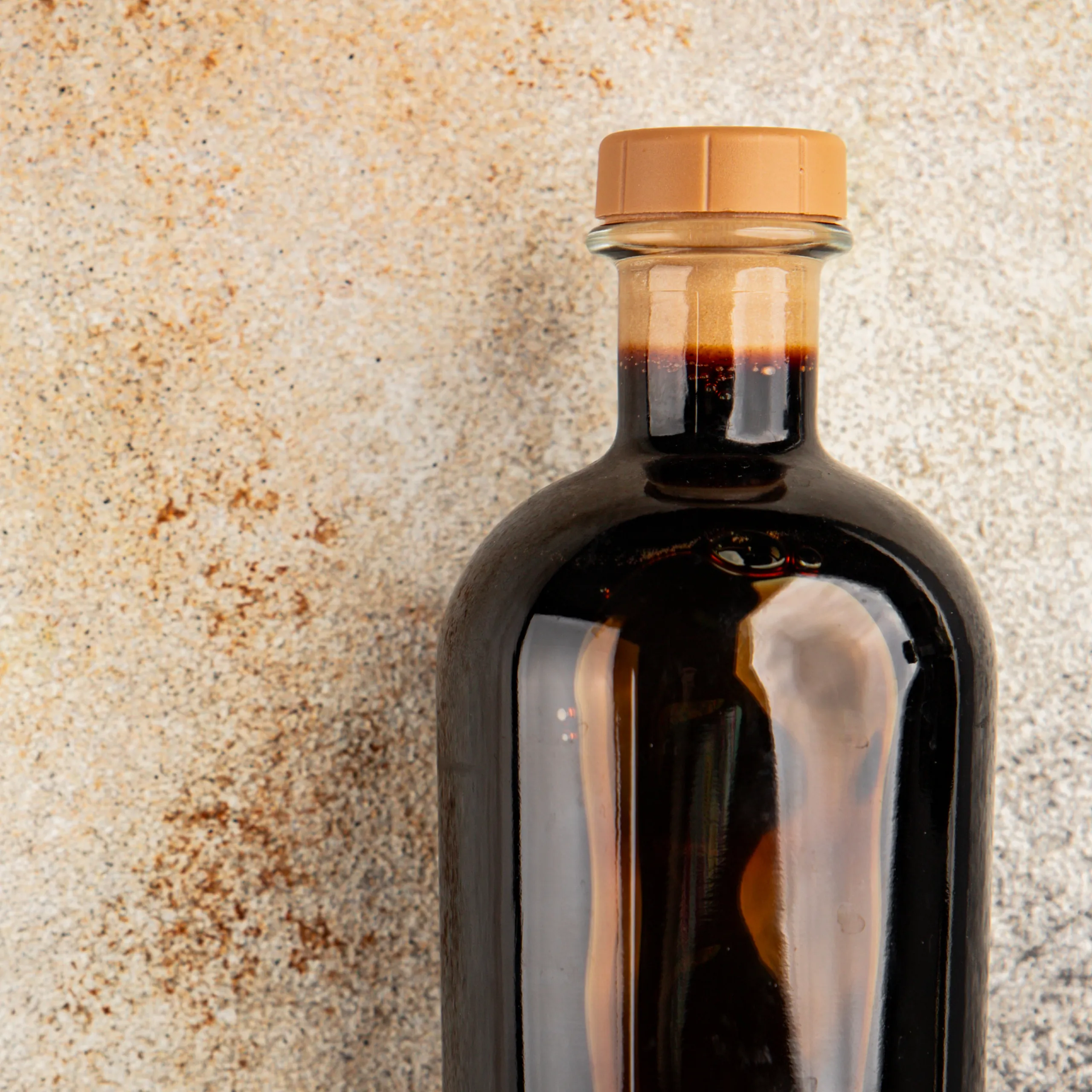
Here’s the secret: they're all stored the same way!
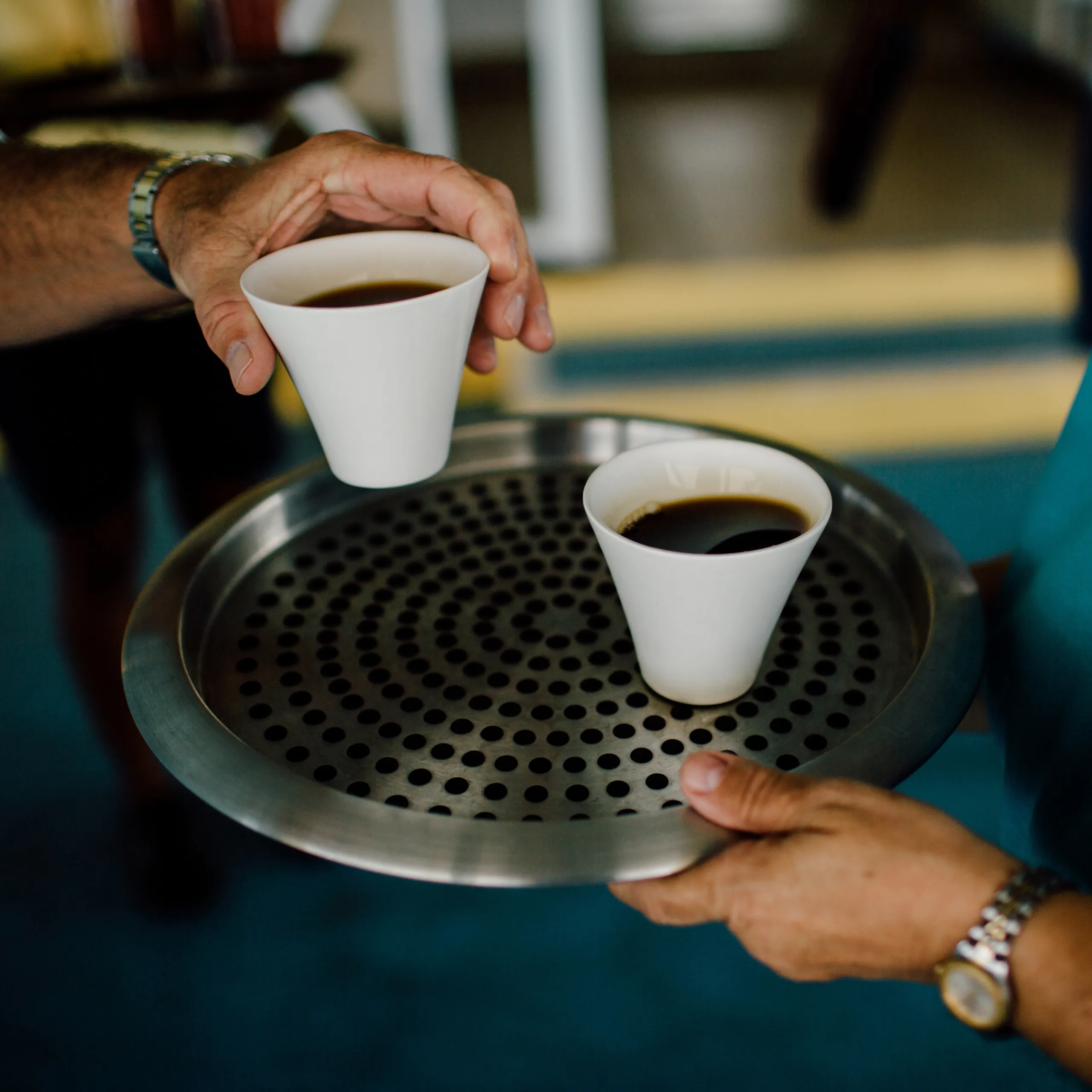
From improving coffee education to championing local ingredients, some of the country’s leading baristas and café owners share what the growing Philippine specialty coffee scene can do better.
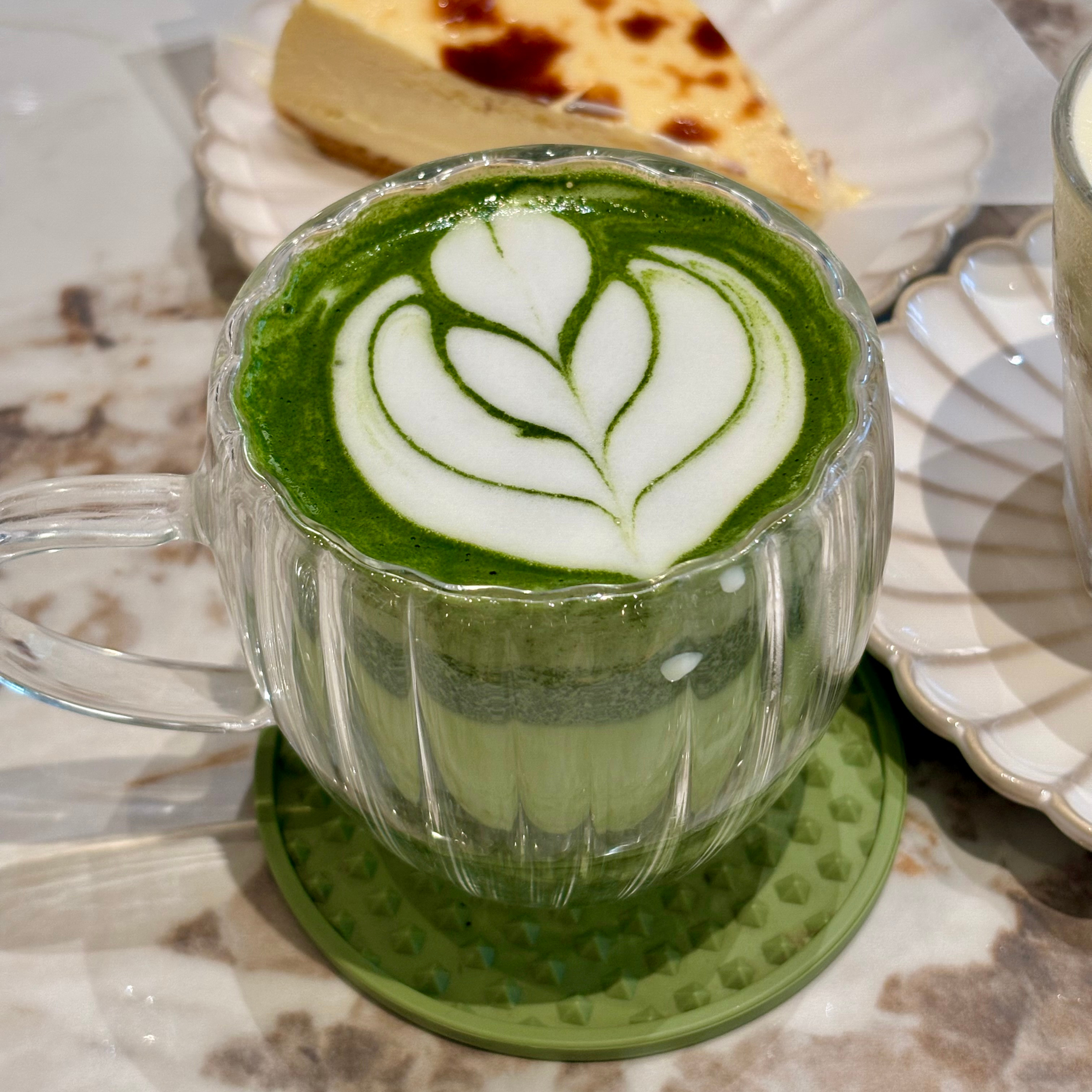
Founded in Tokyo with 160-year-old Kyoto tea producer Yamamasa Koyamaen, Atelier Matcha makes its Philippine debut in Cebu with premium Uji matcha, Japanese café fare, and a modern approach to centuries-old tea traditions.
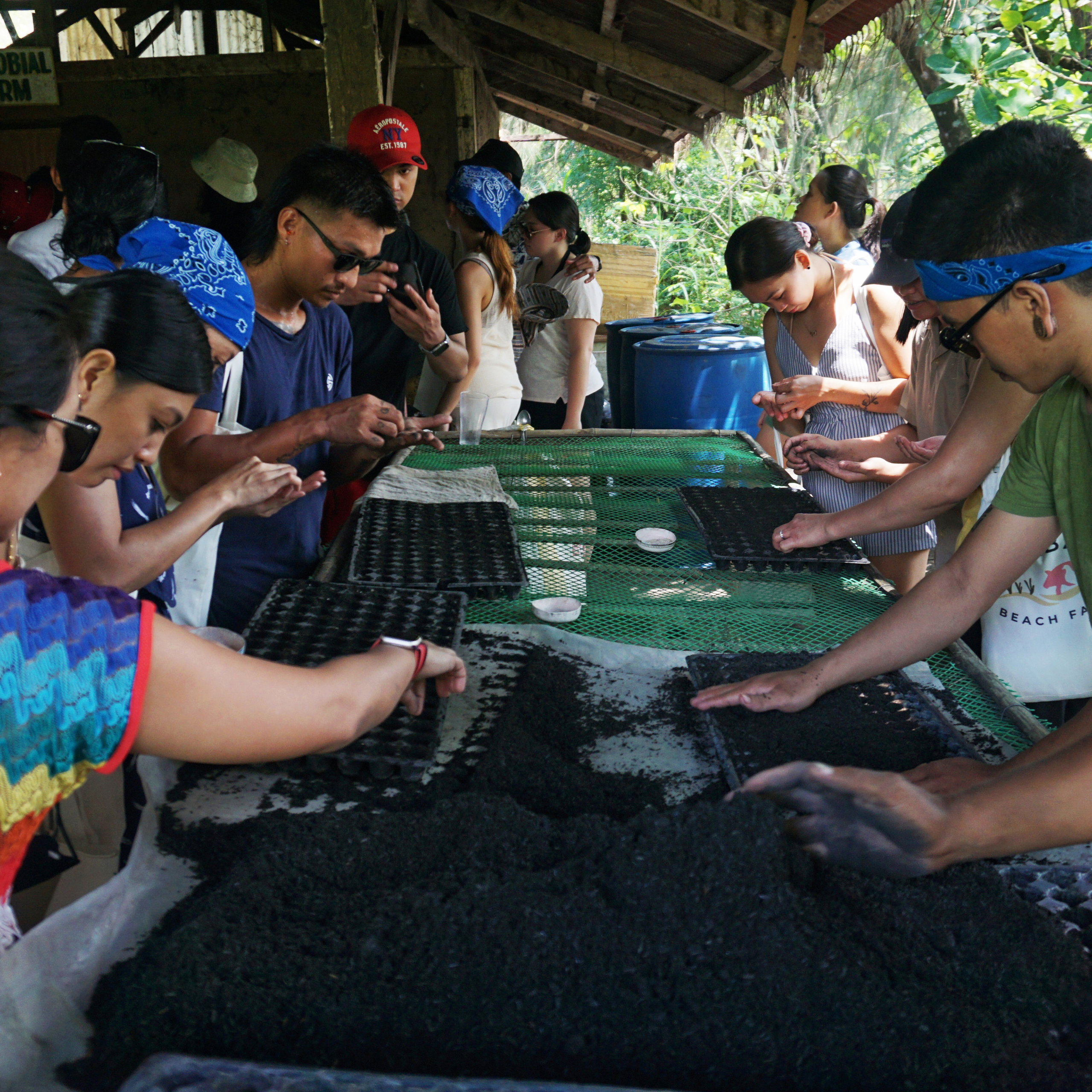
From heirloom rice grown in the Cordilleras to organic vegetables, sustainable seafood, cacao, mushrooms, and locally raised Kurobuta pork, these Filipino farmers and producers are helping fine dining restaurants put local ingredients—and a new idea of luxury—at the center of the plate.
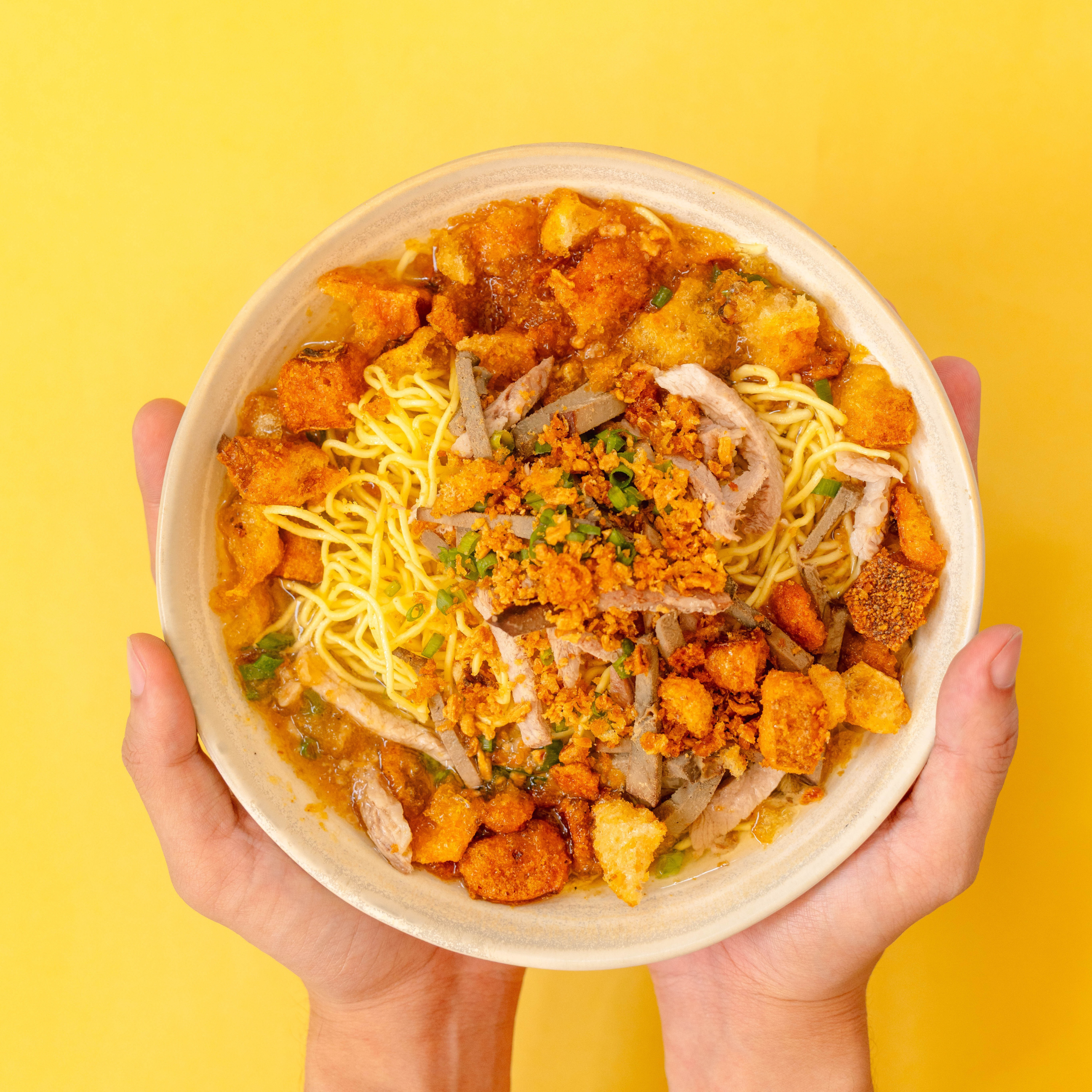
From its roots in La Paz to the careful use of ginamos that gives its clear broth remarkable depth, batchoy tells a story of Ilonggo heritage, family tradition, and a beloved dish that continues to evolve without losing its soul.
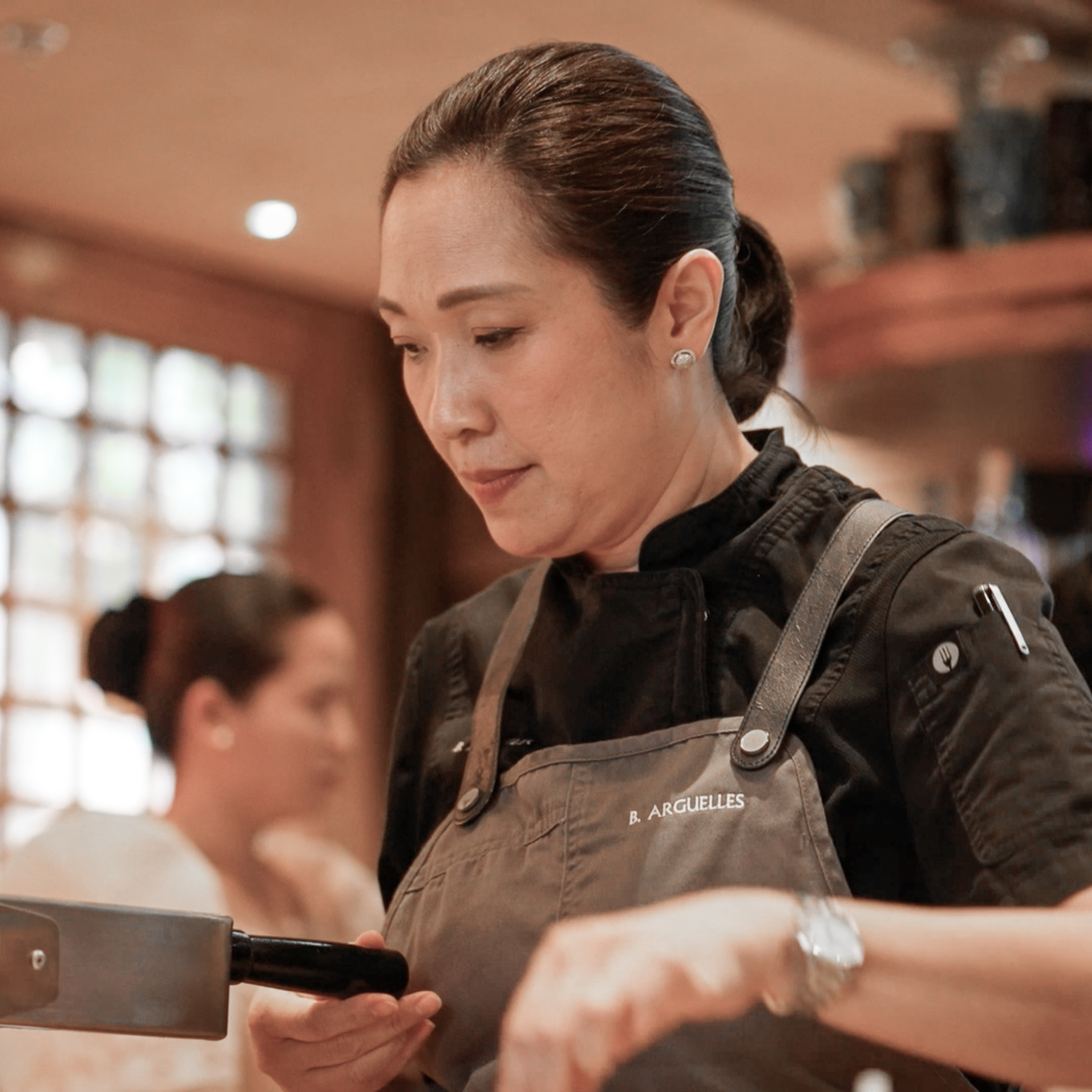
Learn how the culinary team behind Uma navigates island logistics, local sourcing, and cultural heritage to create a world-class Filipino menu.
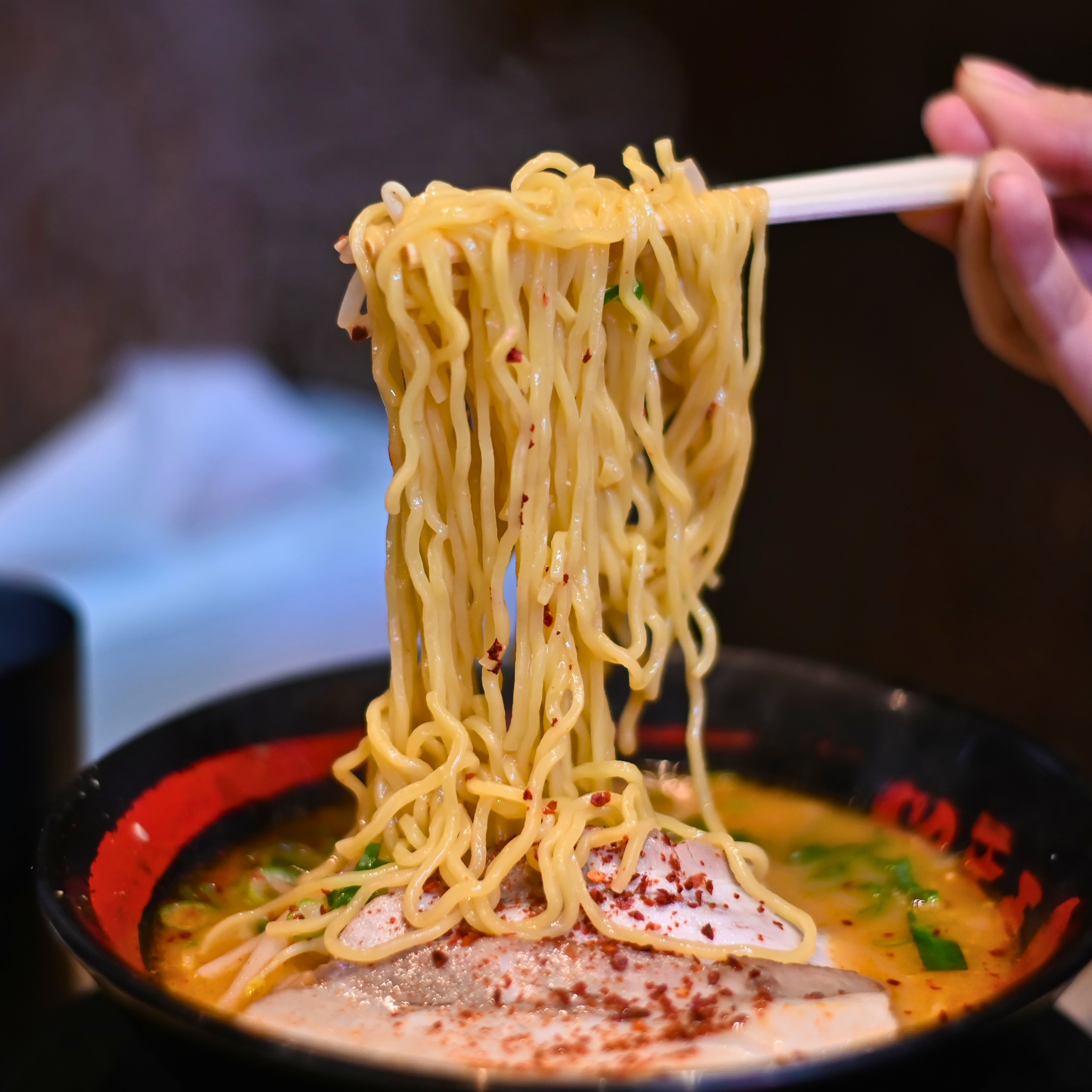
There's more to late-night noodle cravings than hunger. Here's why noodles become the perfect comfort food after dark.
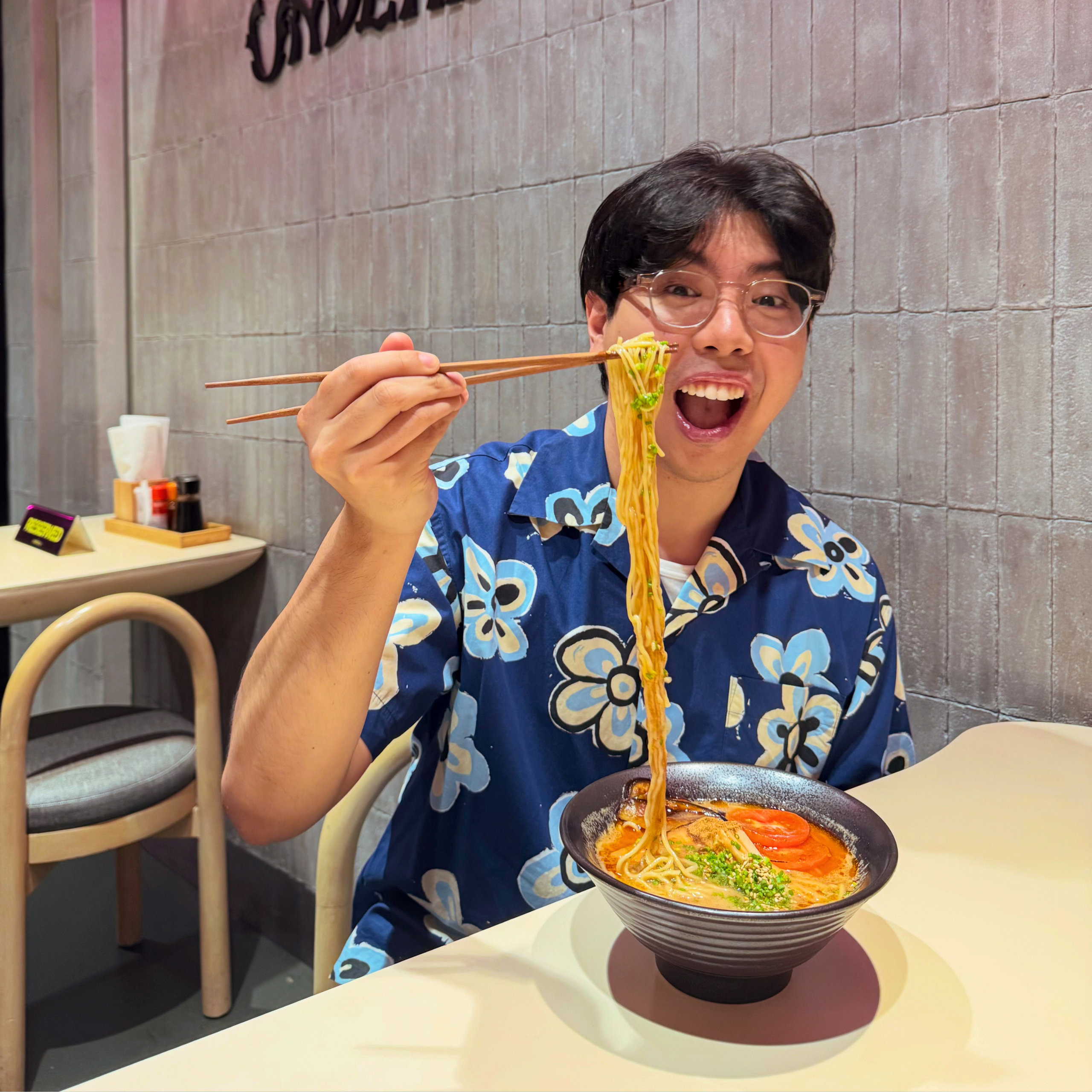
From broth and noodles to value for money, the young food shares the factors he believes every great bowl of ramen should get right.

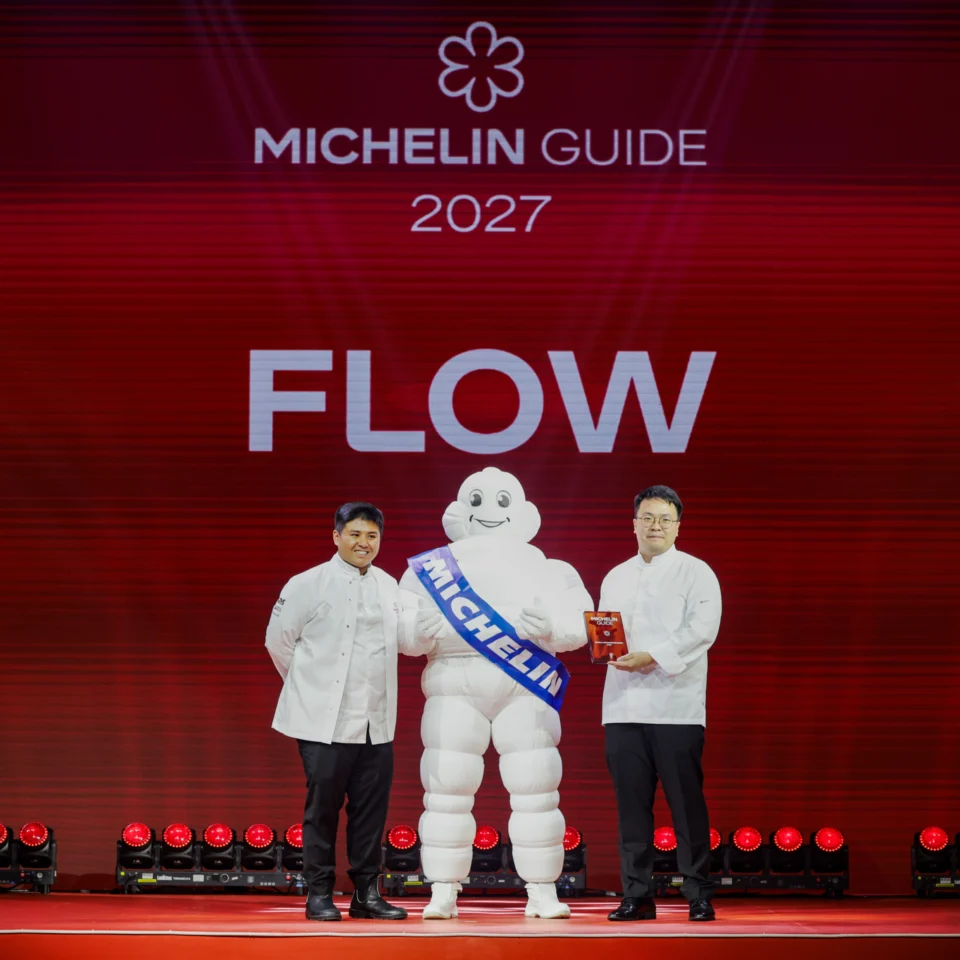
The world's most prestigious restaurant rating system didn’t just reward excellence in food and service—it inspired it. More than validation, it’s a global invitation to experience what the Philippines has to offer.
Page of 5
You May Also Like
Advertisement