


The Filipino noodle dish, symbolizing long life and traditionally served at birthdays. Varieties abound, from everyday bihon and canton to regional specialties such as Quezon’s habhab and Cagayan’s pancit batil patong, each with distinct noodles, sauces, toppings, and a strong local character.
Pancit
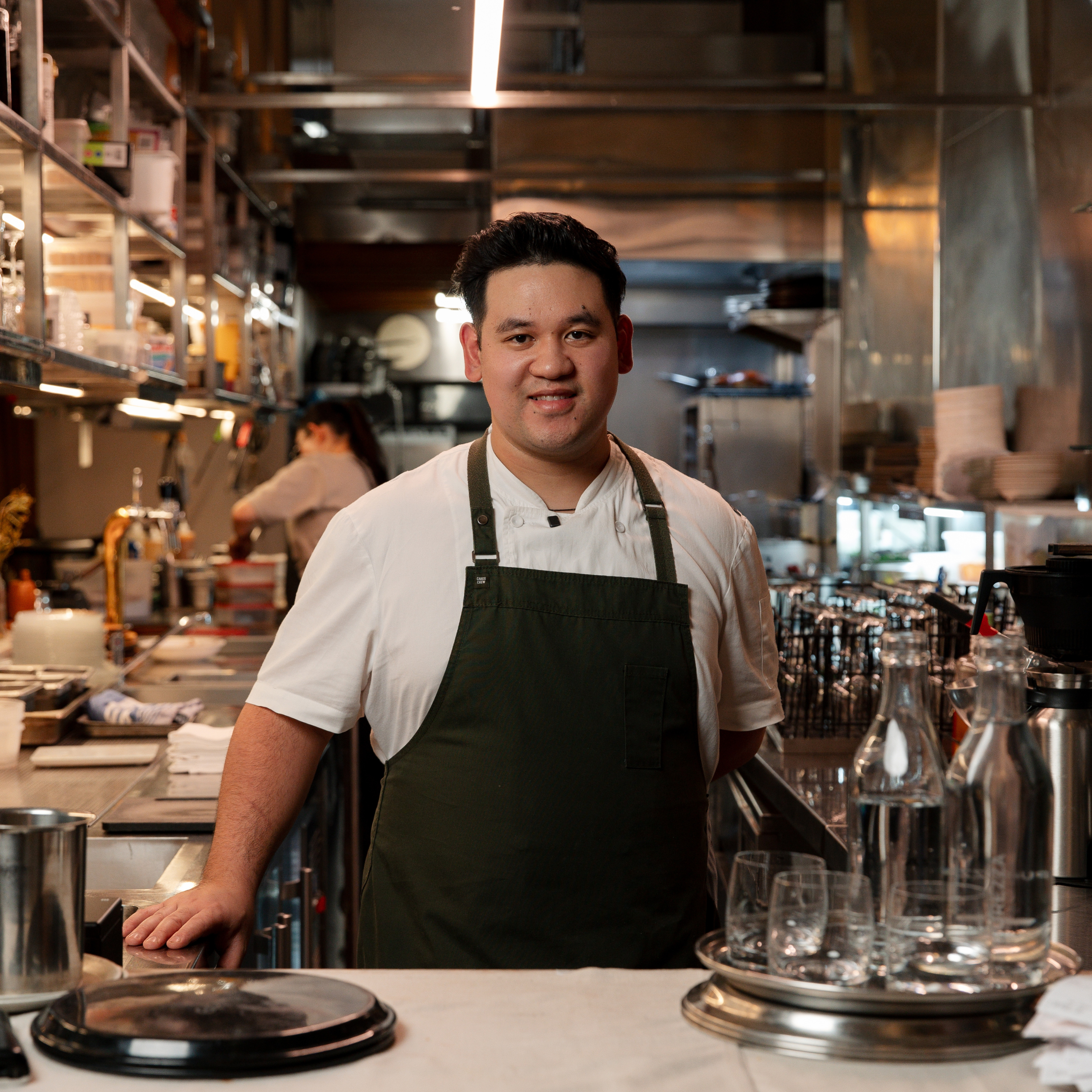
From growing up in Nueva Ecija to leading one of Melbourne's most celebrated Filipino restaurants, John Rivera shares how memory, tradition, and classical training shaped Askal's modern take on Filipino cuisine.
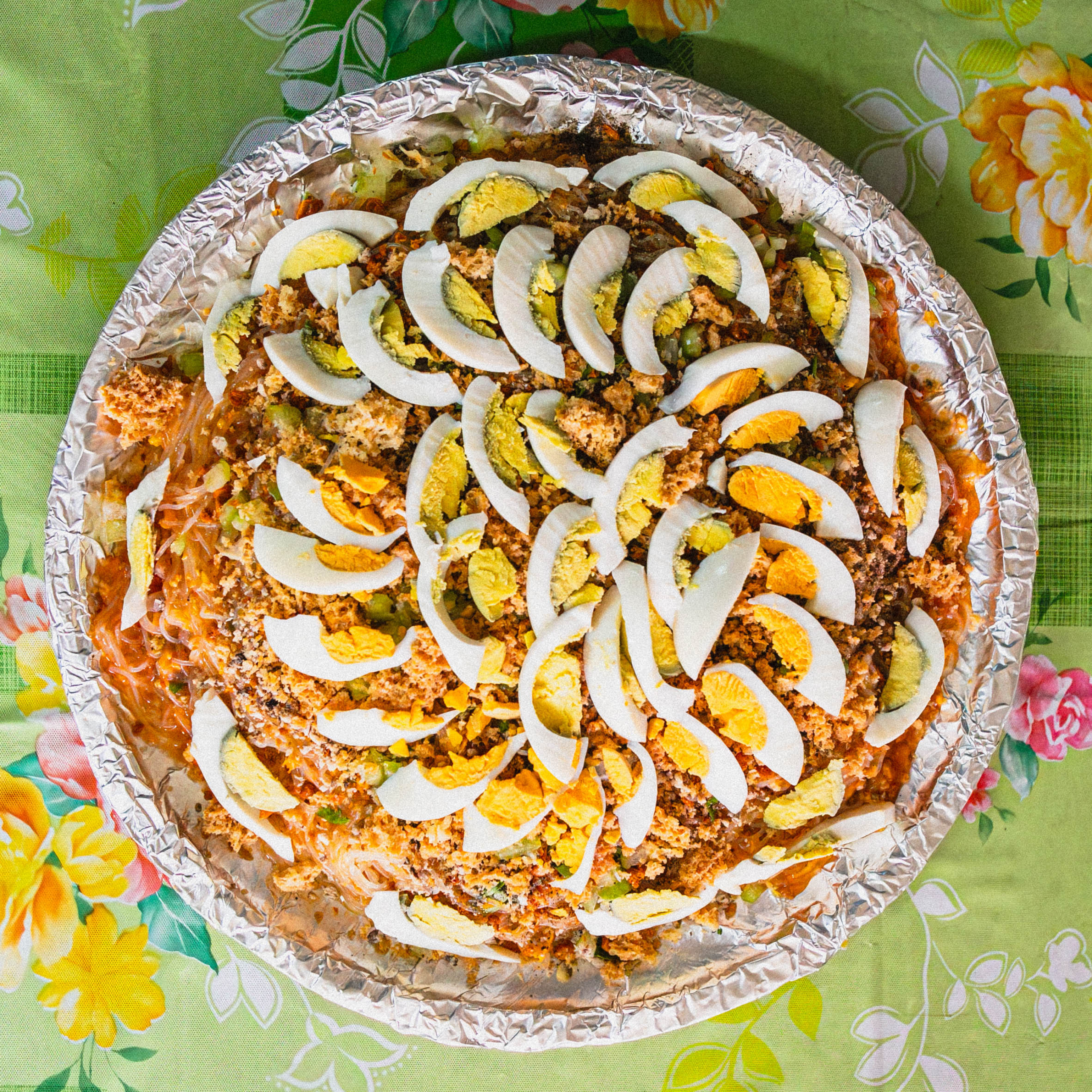
Corazon and Florida Raymundo continue their family's decades-old tradition, serving Bulacan's signature palabok from the same home kitchen where it all began.

The latest edition of Now Now’s reNOWn taps Uy to transform a fast-food-inspired tasting menu into an interactive exploration of consumption, identity, and Filipino culture.
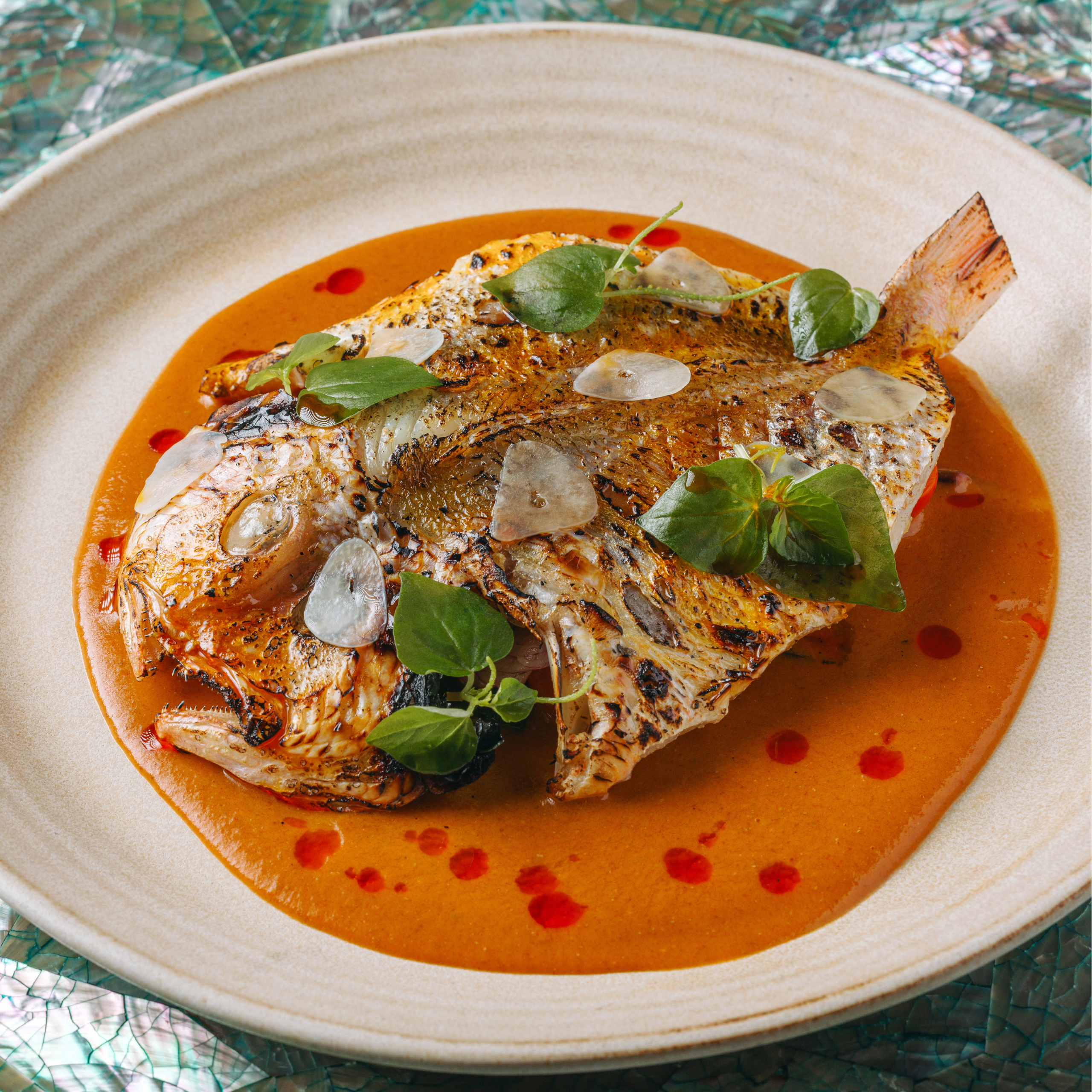
With every plate, Chef Francis Tolentino argues that the next chapter of Philippine fine dining doesn't have to be imported—it can begin in our own waters.
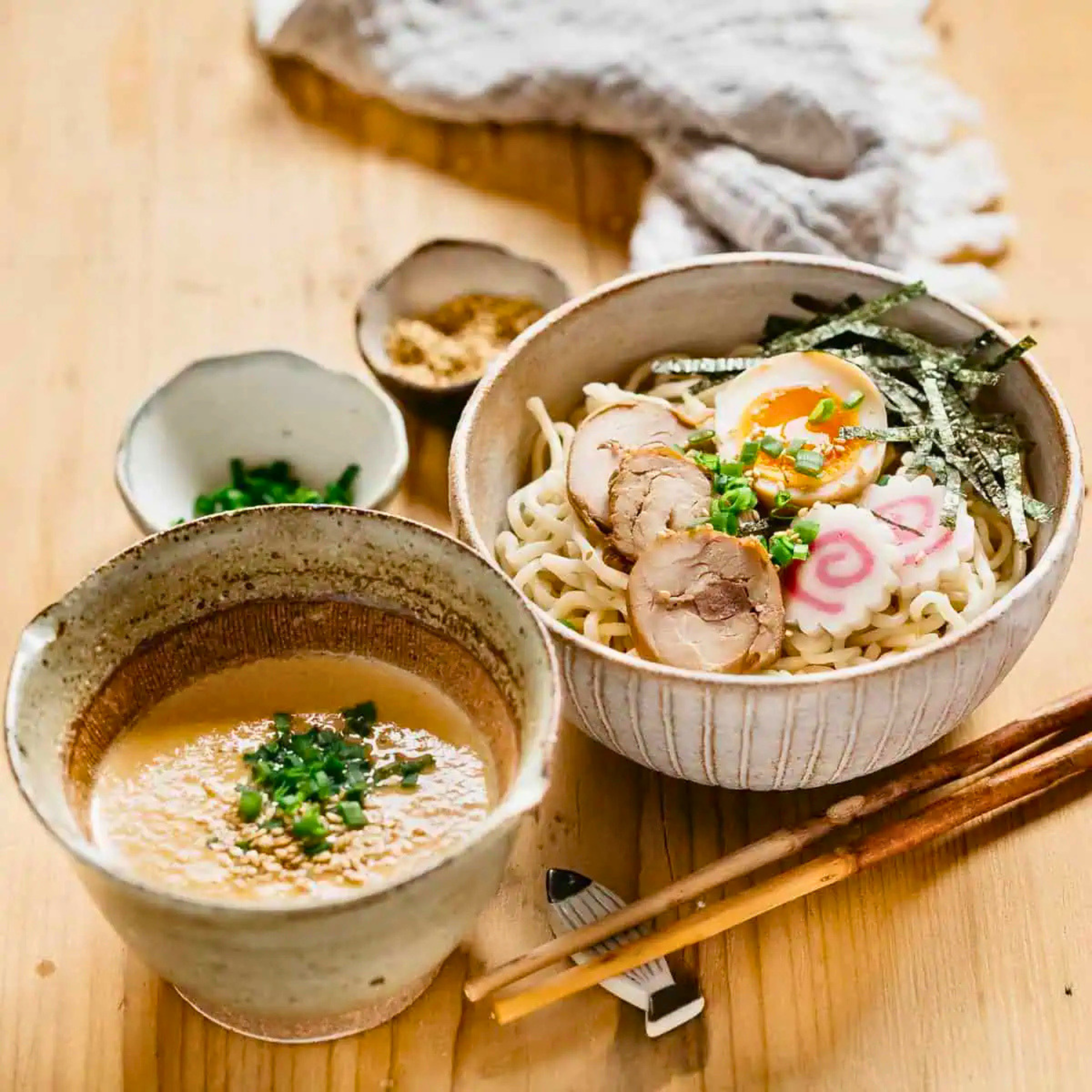
After mistaking tsukemen for fake ramen and confronting a server, Tandem chef Alex Tan reflects on arrogance, embarrassment, and a lesson in humility.
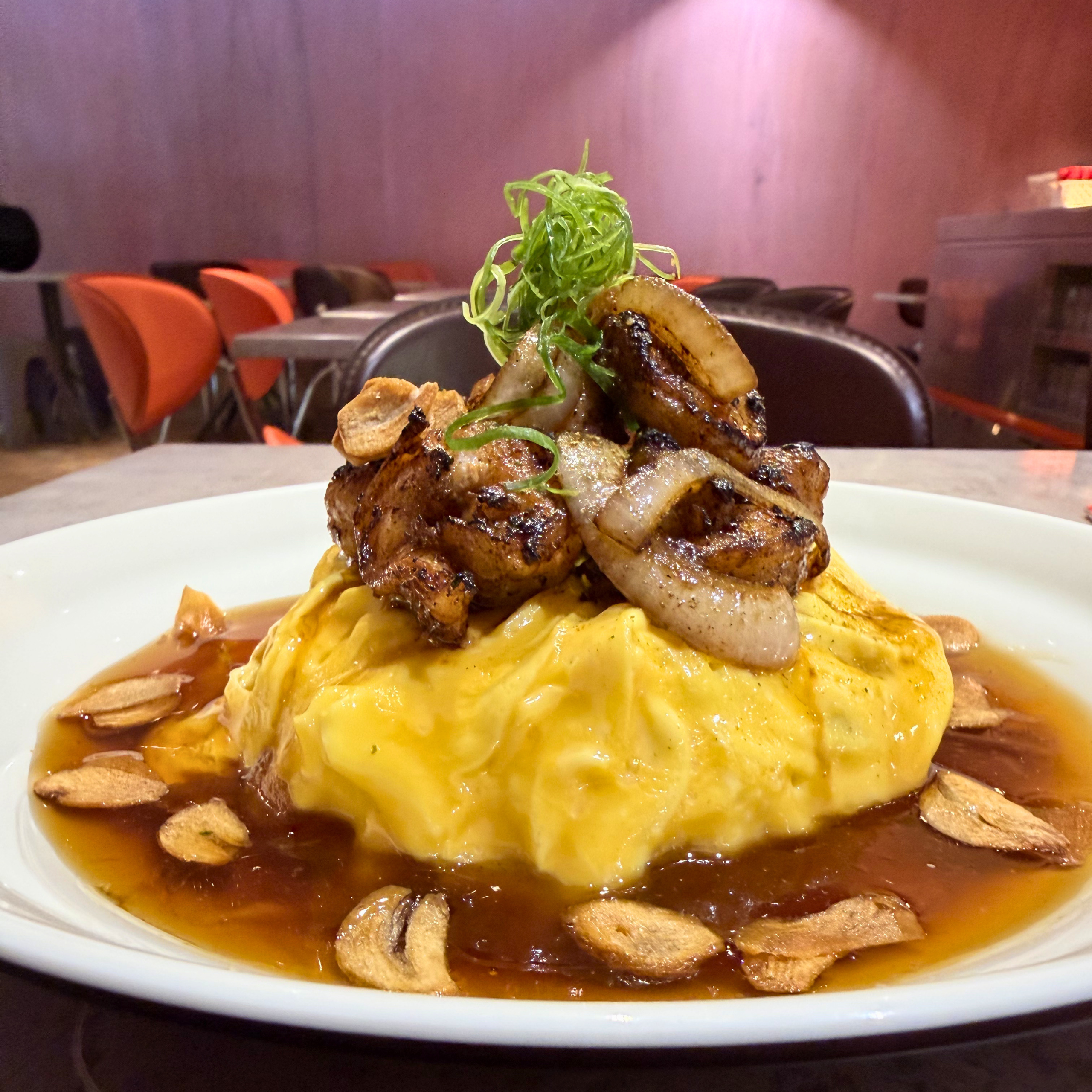
From crispy kakiage rice bowls to creamy shrimp noodles, every dish at Pura is thoughtfully designed to highlight the sweetness and texture of premium shrimp.
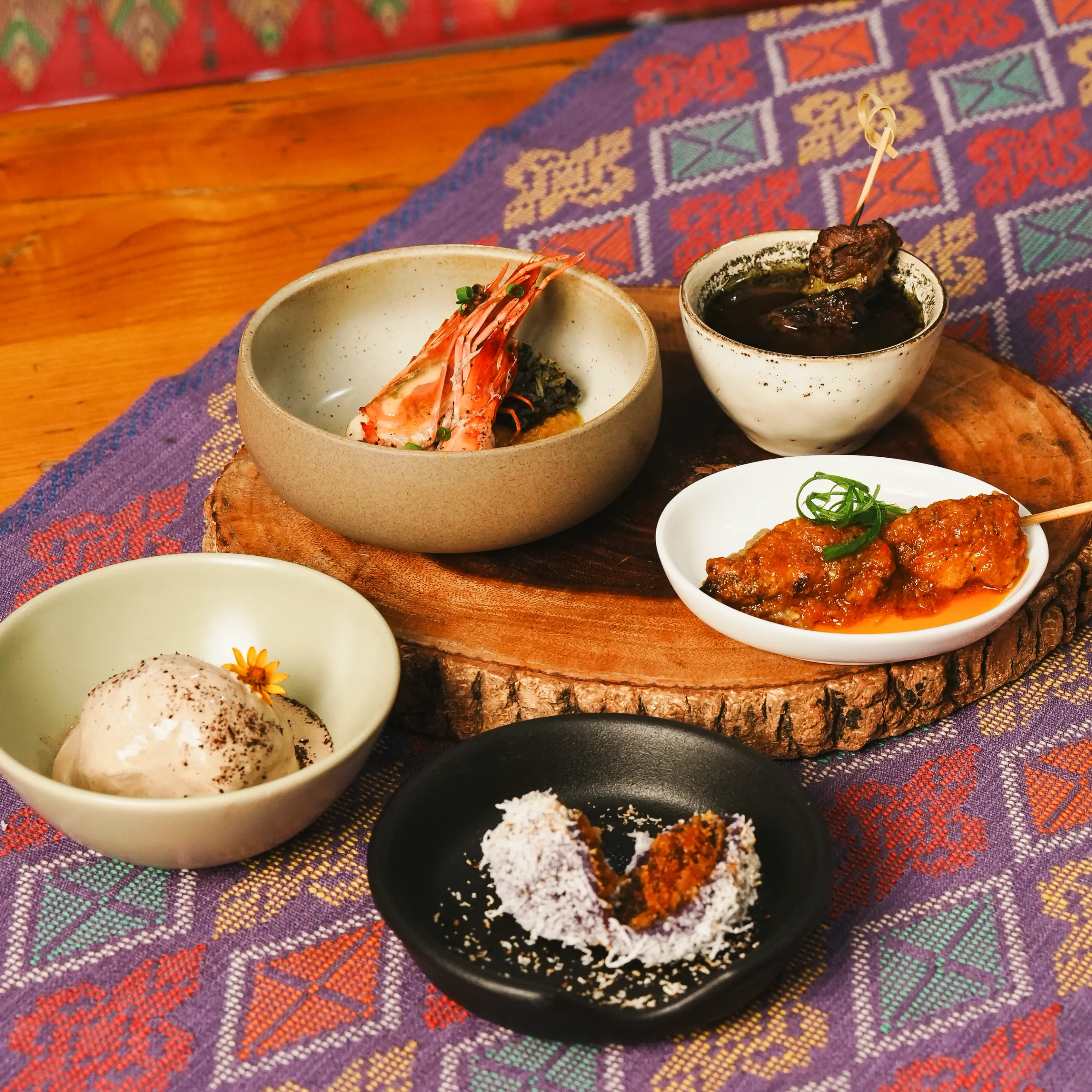
Guests embarked on a flavorful journey across Luzon, Visayas, and Mindanao through a menu crafted by three celebrated chefs.
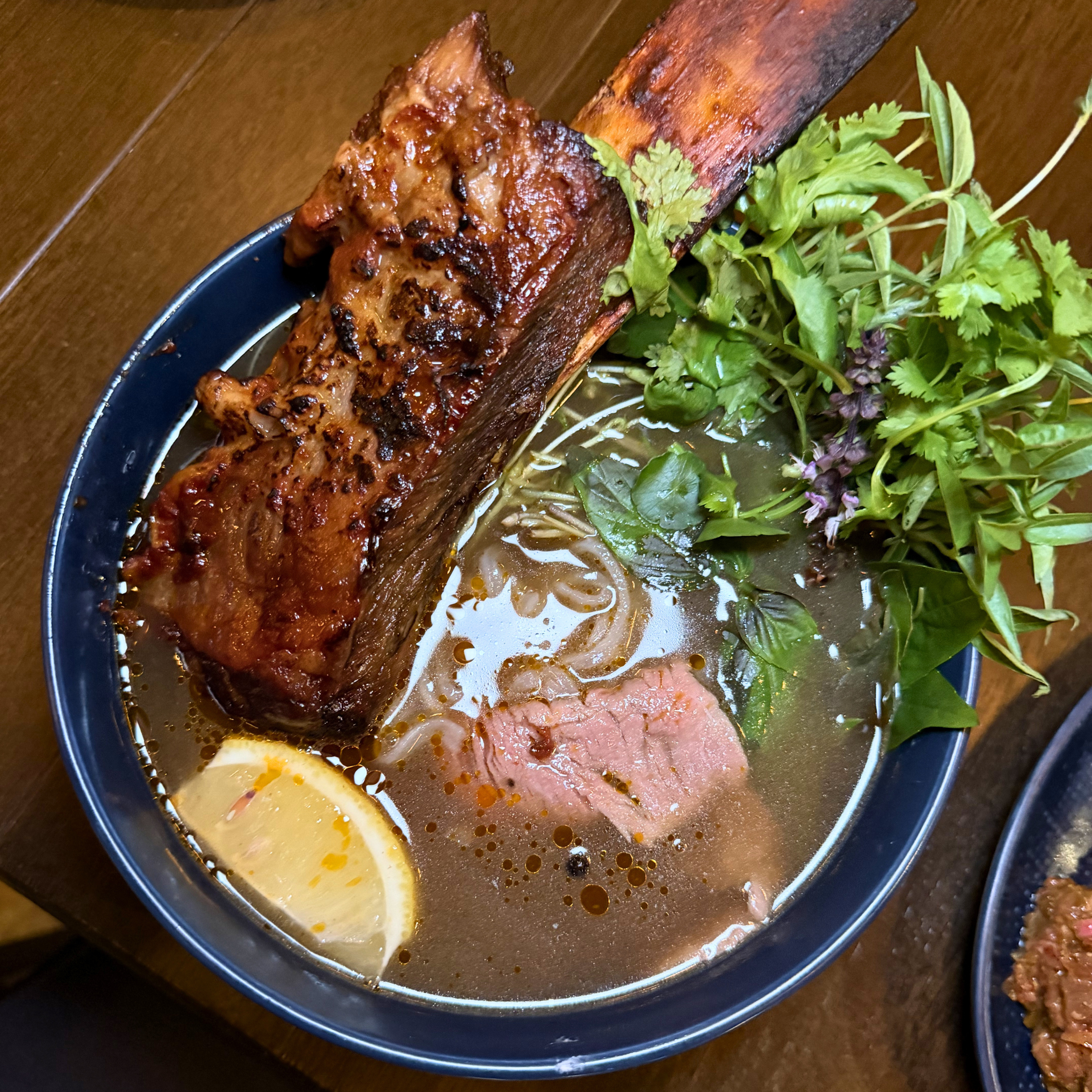
The story behind this noodle soup is one of the most fascinating examples of how migration can shape a region's culinary identity.
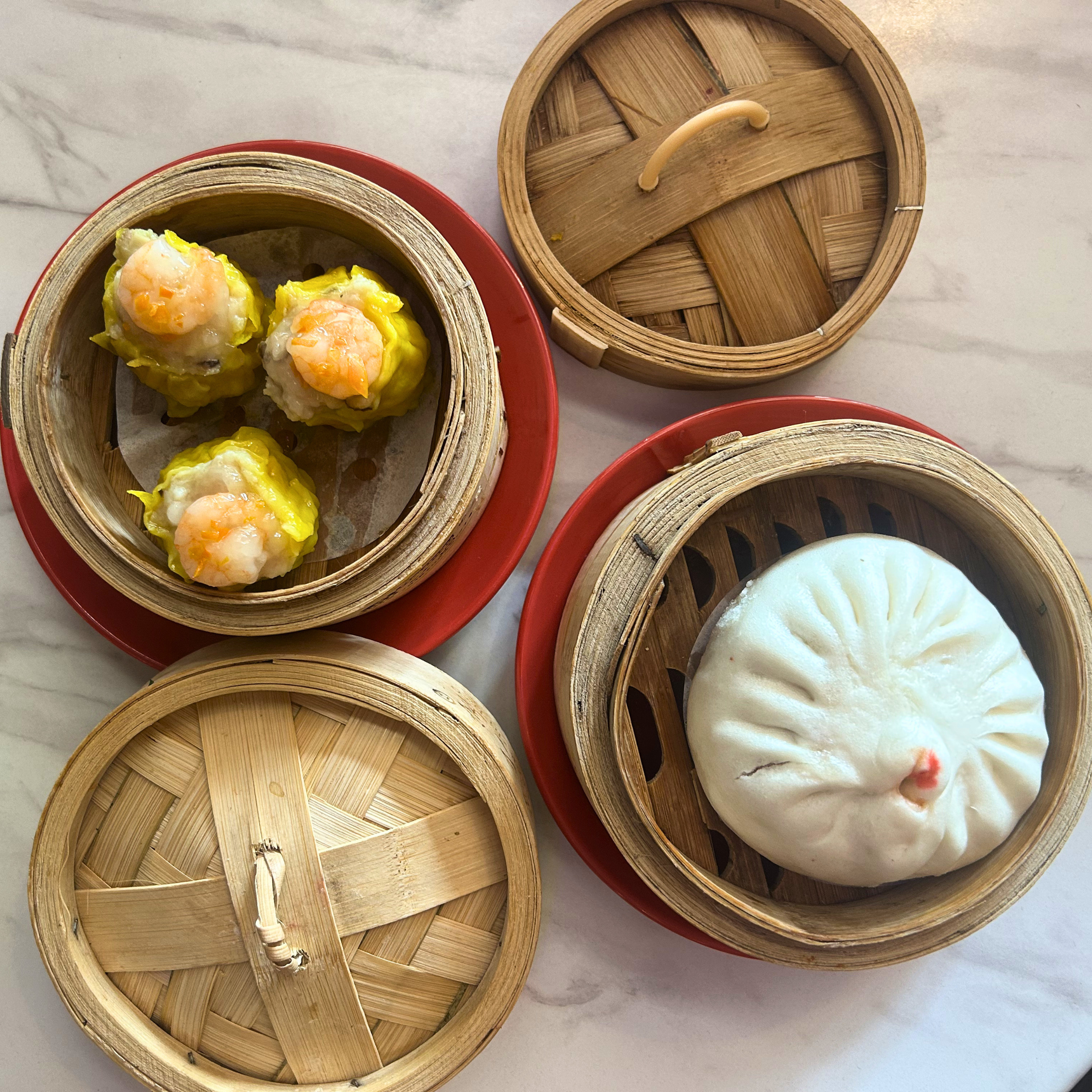
Originally envisioned as a Hong Kong roast concept, FHF spent three years finding its identity before homemade noodles and dim sum transformed it into one of Manila's newest dining destinations.
Page of 5
You May Also Like
Advertisement