Advertisement

What Is a Samosa and Where Can You Get One Right Now?

This stuffed pastry has been a South Asian favorite for generations. Here’s what makes it so delicious—and where to get one.

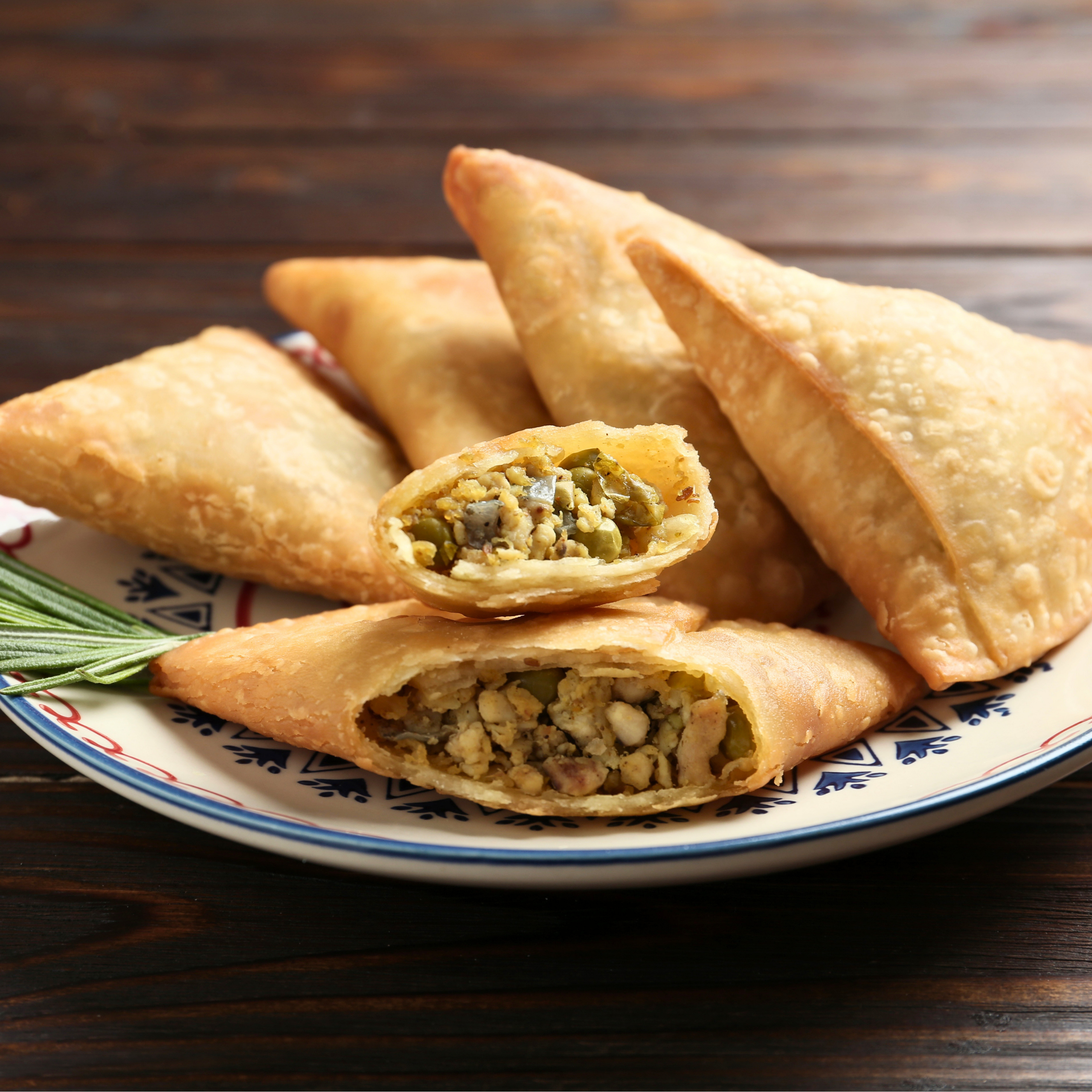
Close-up of golden fried pastry turnovers with a visible chopped vegetable filling on a patterned plate, set against a dark wooden table.
Samosas? Give some mo’, please!

Good things usually come in threes: a fried shell, a flavorful filling, and a generous dip! 

Put all three together and you’ve got the samosa, a savory pastry with roots in the Middle East and Central Asia that became especially popular across the Indian subcontinent. 

Traditionally folded into neat little triangles, these crisp, golden bites are stuffed to the seams with generously spiced combinations of either potatoes, peas, meat, lentils, or vegetables. They’re also commonly served with chutneys or sauces for dipping, making them a flavorful and satisfying bite any time of day. And since they’re enjoyed across South Asia and in many parts of the world, different regions usually have their own spin on the classic

Ready to try one? Here are five places to get your samosa fix.

1. Samosa St.

Samosa St. is putting the “art” in a la carte by serving up freshly fried beef and potato samosas from hand-painted karitons designed by co-founder and artist Erning Pikit! While their carts are definitely worth a look, it’s their beef and potato samosas that make stopping worthwhile.
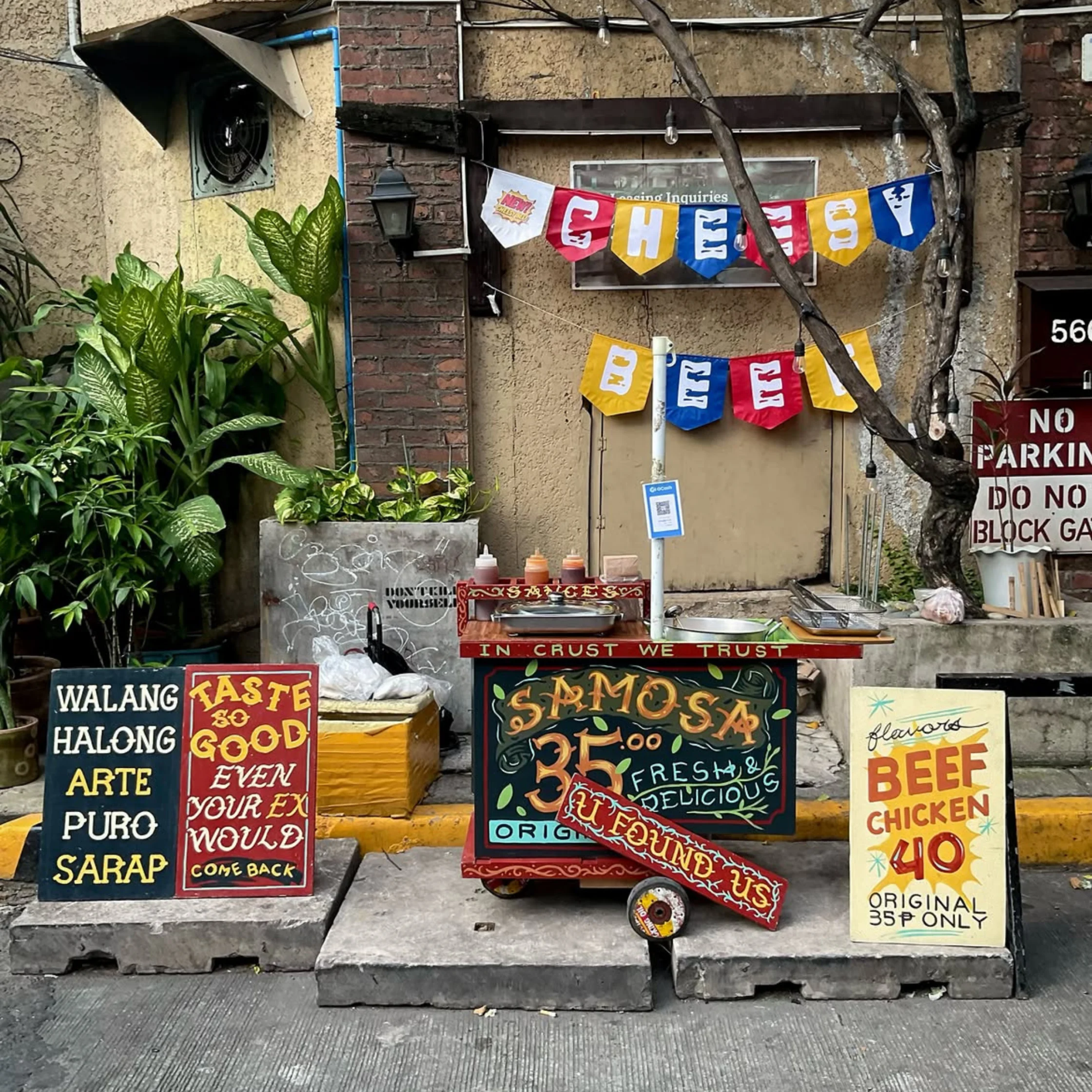
samosa st.'s cart in poblacion maakti with handpainted decals from artist erning pikit
Power through a night in Poblacion with some samosa from Samosa St.! [PHOTO COURTESY OF Erning Pikit Official Instagram]

You’ll find the carts around Poblacion, where their artwork fits right in with the neighborhood’s colorful, creative energy. So if you happen to spot one, consider it your cue to stop by for a crispy bite.

Samosa St. has carts stationed at Krapow (Don Pedro St.), Kampai (Alfonso St.), and Cregens Beverages (P. Burgos St.).

2. Biryanist

If you’ve heard of Biryanist, then you’ve probably heard of their Butter Chicken Biryani. As the viral crowd favorite, it’s usually what gets people through the door, but their samosas deserve just as much attention!

Stuffed with mashed potatoes, veggies, and a generous amount of spice, these crispy pastries pair well with sauces that range from sweet and tangy to spicy, and cool and creamy.
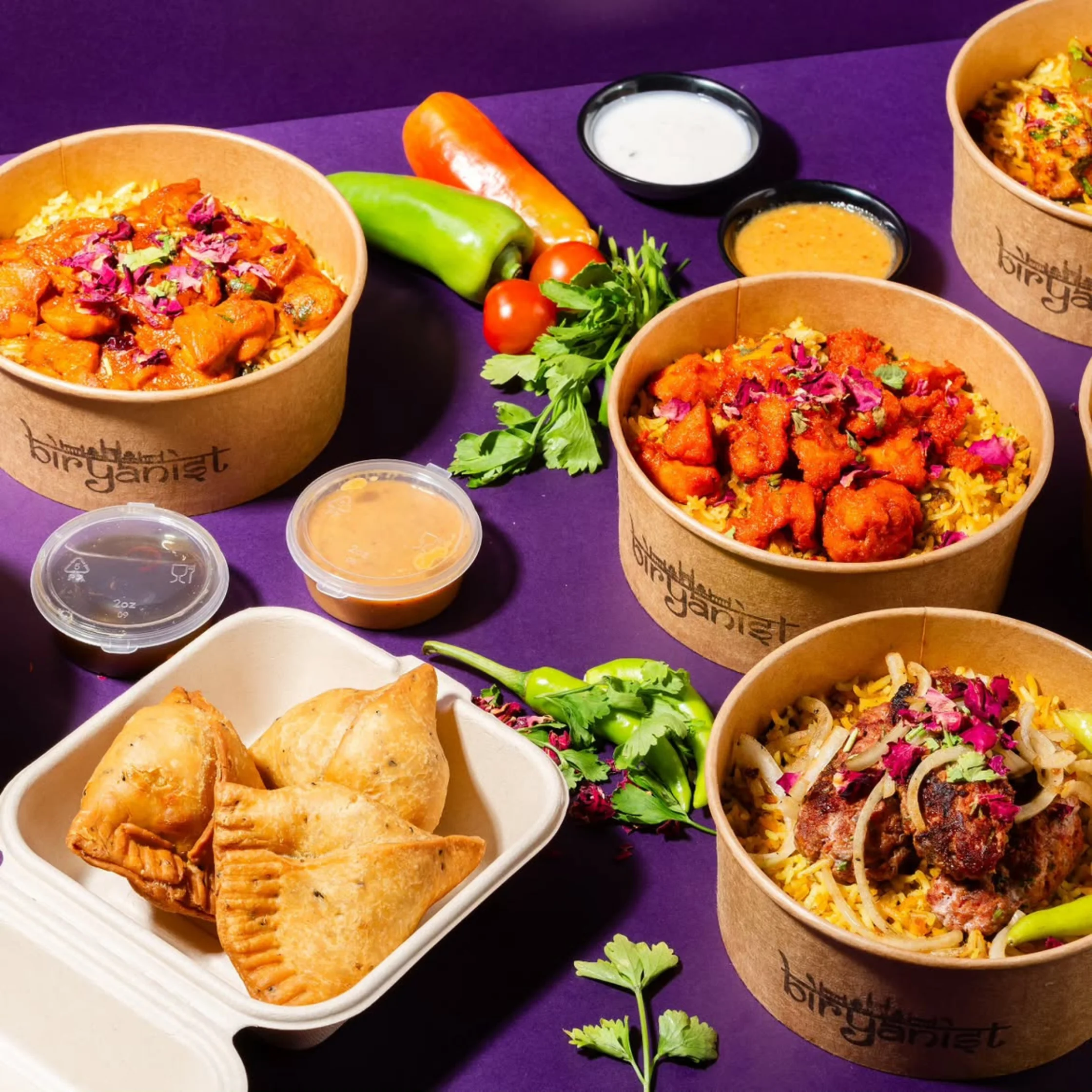
Three bowls of colorful Indian rice bowls topped with curry and vegetables, with sauces and fresh herbs on a purple table.
Don’t get too distracted by their butter chicken—their samosas deserve hype too! [PHOTO COURTESY OF Biryanist Official Instagram]

Located along Palanca Street in Makati, the restaurant’s bright purple exteriors are hard to miss—so come hungry, order both the Butter Chicken Biryani and samosa, and see which one wins you over.

Biryanist is located at OPL Building, Don Carlos Palanca, Makati City. They also have branches in Taguig.

3. Kashmir

Kashmir has had 50 years to get their samosas right—and it shows.

Crisp and golden, their take on the classic pastry comes stuffed with either potato, beef, or chicken, with chutneys on the side for a spicy, tangy finish that gives every bite a taste of the institution’s five-decade legacy.
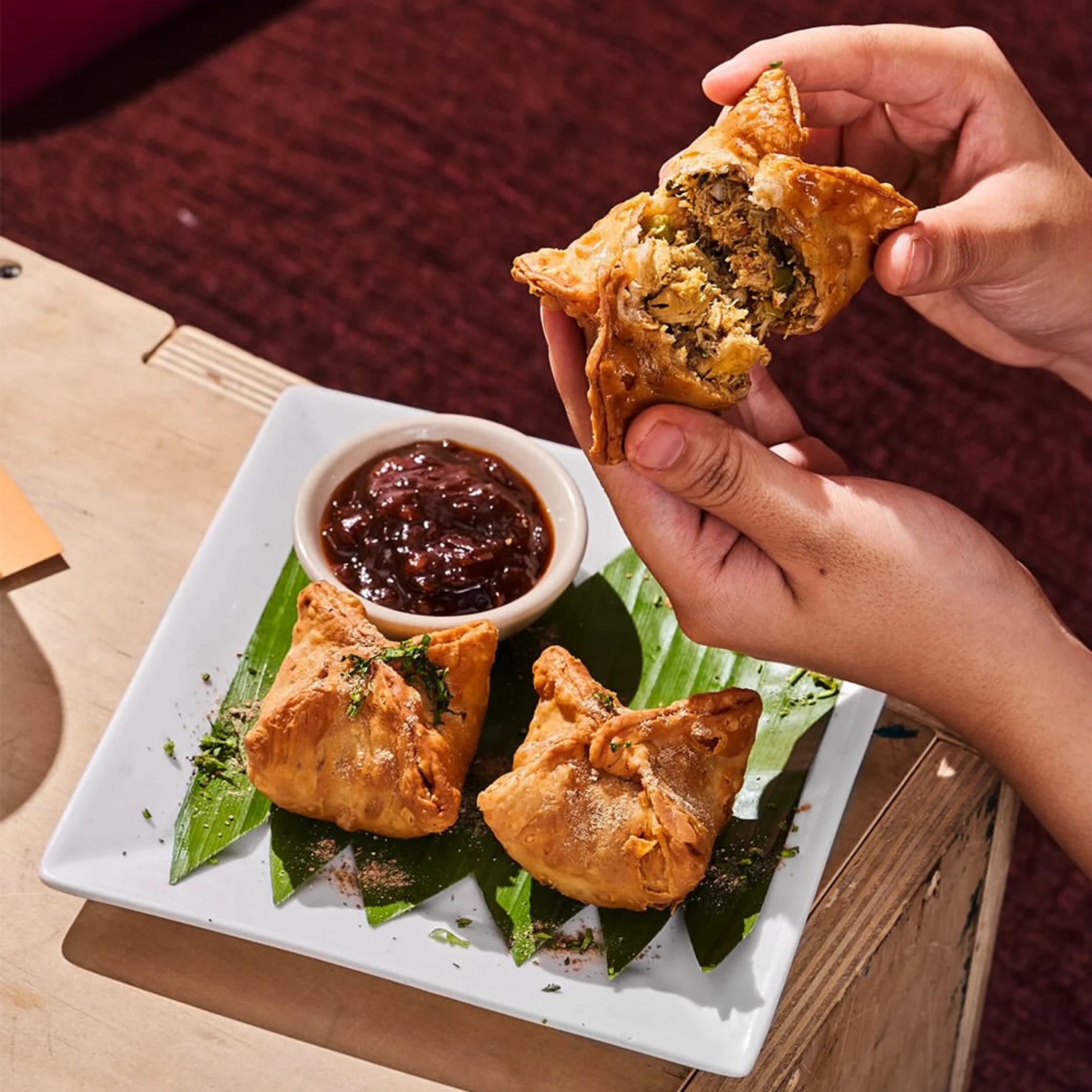
samosa from 50-year old kasmir in makati being broken open to reveal savory filling
Kashmir’s samosas are a well-seasoned veteran! [PHOTO COURTESY OF Kashmir Official Instagram]

And with that much flavorful experience behind them, it’s safe to say that Kashmir knows a thing or two about a good samosa.

Kashmir is located at GF, San Antonio Plaza, 35 McKinley Rd., Forbes Park, Makati. They also have branches in Bel-Air, Makati and BGC.

4. Mantra Indian Kitchen & Bar

Mantra founder Ranjit Chimni once said that if he could get diners to try Indian food once, 90 percent would come back. The vegetable samosa might be a good way to get that first bite in. Crisp on the outside and filled with savory, spiced vegetables, it’s an approachable introduction to the flavors Mantra has been championing for the past decade.
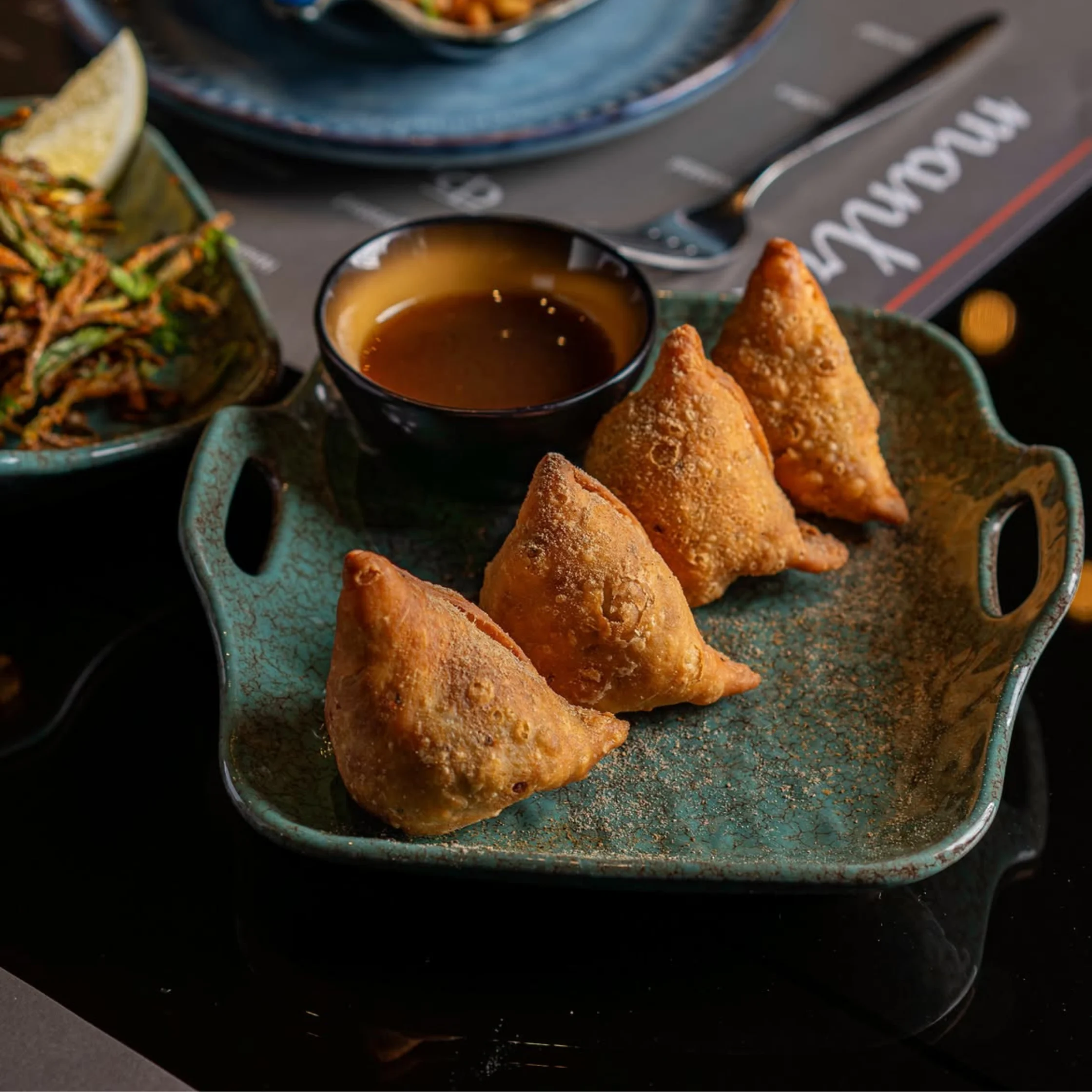
samosas from mantra served with a sauce on a beautiful teal plate
Bite into Mantra’s samosa and you’ll probably come back. [PHOTO COURTESY OF Mantra Indian Kitchen Bar Official Instagram]

And if this is your first taste of Indian food, then you’re off to a pretty good start.

Mantra Indian Kitchen & Bar is located at Grand Midori G-7, Bolanos, Legaspi Village, Makati and Molito Lifestyle Building Unit 11 A, Alabang, Muntinlupa.

5. Brick Corner

A MICHELIN Guide Bib Gourmand nod is already a compelling reason to check Brick Corner out, but their samosa chaat gives you another. The North Indian restaurant takes the classic fried pastry, fills it with a spiced and seasoned potato, then turns it into a chaat with an assortment of toppings and sauces.
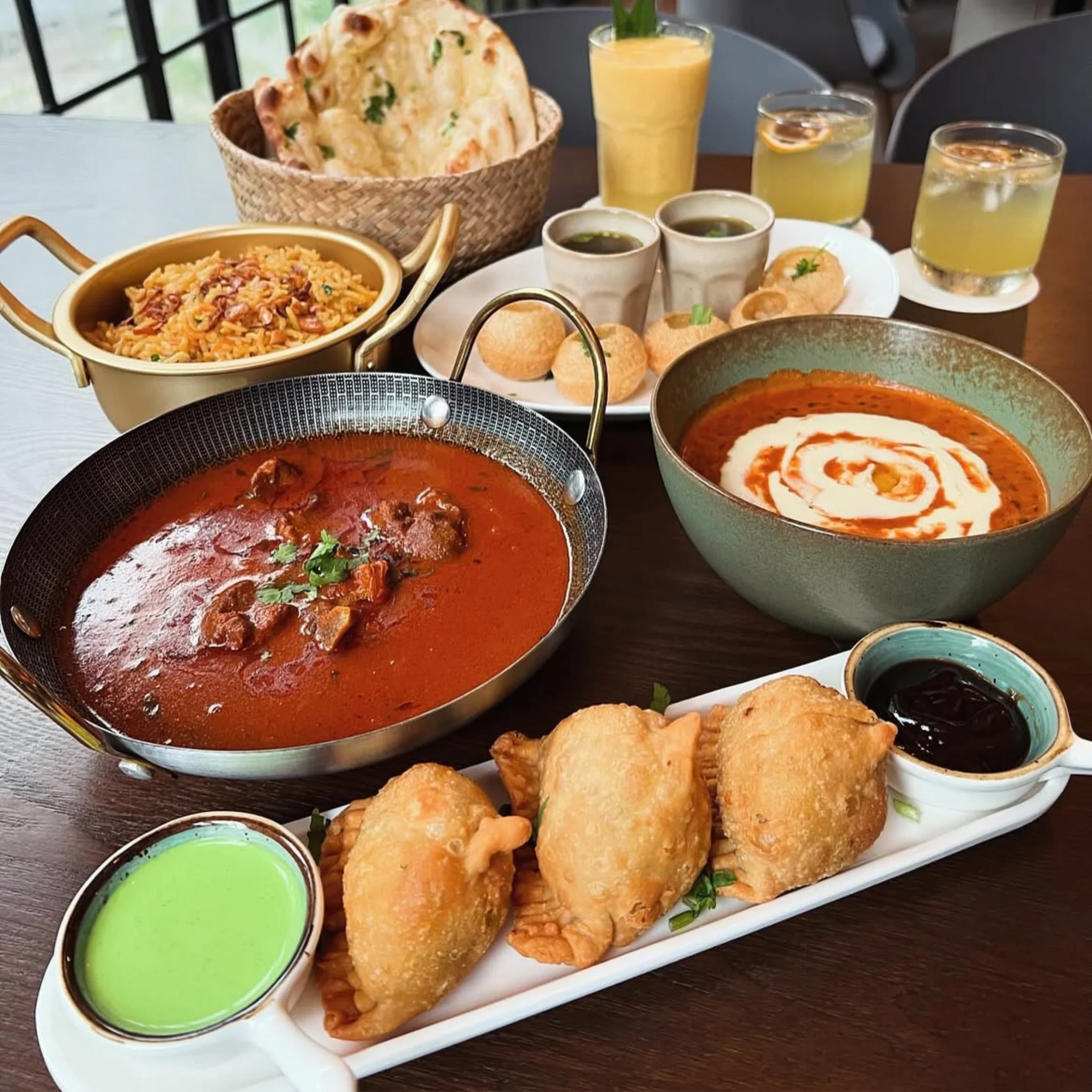
spread of indian food with samosas curries and naans at brick corner
If the MICHELIN nod is any indication, the samosas at Brick Corner are probably as good as you think they are. [PHOTO COURTESY OF Brick Corner Official Instagram]

The result is a little messier than your average samosa, but that’s part of the fun. So come with an appetite and don’t be afraid to dig in.

Brick Corner is located at 151 Forbeswood Heights, Forbestown Road, Bonifacio Global City, Taguig.

author avatar
Paolo Elwick
Paolo is a food writer and storyteller exploring the intersections of food, culture, and identity through thoughtful, people-centered storytelling. He believes that, second only to language, food is one of humanity's most powerful expressions of culture—a medium for preserving history, expressing identity, and coming to understand ourselves and connect with others. Drawn to the histories, traditions, and personal experiences behind every dish, his writing combines curiosity with emotional honesty, highlighting diverse voices and celebrating the communities that shape our food landscape. Influenced by writers and artists who embrace vulnerability and introspection, Paolo uses a reflective, metaphor-rich approach to uncover the deeper meanings found in everyday meals and shared tables. He is passionate about creating stories that foster empathy, preserve cultural narratives, and invite readers to see food as more than sustenance—as memory, identity, and belonging. Through his work, Paolo hopes to amplify underrepresented perspectives and spark meaningful conversations that extend far beyond the plate.

Frequently Asked Questions

A samosa is a savory pastry traditionally made with a crisp, golden shell and a flavorful filling. It is especially popular across South Asia and is commonly filled with potatoes, peas, vegetables, lentils, or meat.

author avatar
Paolo Elwick
Paolo is a food writer and storyteller exploring the intersections of food, culture, and identity through thoughtful, people-centered storytelling. He believes that, second only to language, food is one of humanity's most powerful expressions of culture—a medium for preserving history, expressing identity, and coming to understand ourselves and connect with others. Drawn to the histories, traditions, and personal experiences behind every dish, his writing combines curiosity with emotional honesty, highlighting diverse voices and celebrating the communities that shape our food landscape. Influenced by writers and artists who embrace vulnerability and introspection, Paolo uses a reflective, metaphor-rich approach to uncover the deeper meanings found in everyday meals and shared tables. He is passionate about creating stories that foster empathy, preserve cultural narratives, and invite readers to see food as more than sustenance—as memory, identity, and belonging. Through his work, Paolo hopes to amplify underrepresented perspectives and spark meaningful conversations that extend far beyond the plate.

Samosas have roots in the Middle East and Central Asia before becoming especially popular across the Indian subcontinent. Today, variations of the snack can be found throughout South Asia and in many other parts of the world.

author avatar
Paolo Elwick
Paolo is a food writer and storyteller exploring the intersections of food, culture, and identity through thoughtful, people-centered storytelling. He believes that, second only to language, food is one of humanity's most powerful expressions of culture—a medium for preserving history, expressing identity, and coming to understand ourselves and connect with others. Drawn to the histories, traditions, and personal experiences behind every dish, his writing combines curiosity with emotional honesty, highlighting diverse voices and celebrating the communities that shape our food landscape. Influenced by writers and artists who embrace vulnerability and introspection, Paolo uses a reflective, metaphor-rich approach to uncover the deeper meanings found in everyday meals and shared tables. He is passionate about creating stories that foster empathy, preserve cultural narratives, and invite readers to see food as more than sustenance—as memory, identity, and belonging. Through his work, Paolo hopes to amplify underrepresented perspectives and spark meaningful conversations that extend far beyond the plate.

Traditional samosas are often filled with spiced potatoes and peas, though fillings can also include beef, chicken, vegetables, lentils, and other ingredients depending on the region and recipe.

author avatar
Paolo Elwick
Paolo is a food writer and storyteller exploring the intersections of food, culture, and identity through thoughtful, people-centered storytelling. He believes that, second only to language, food is one of humanity's most powerful expressions of culture—a medium for preserving history, expressing identity, and coming to understand ourselves and connect with others. Drawn to the histories, traditions, and personal experiences behind every dish, his writing combines curiosity with emotional honesty, highlighting diverse voices and celebrating the communities that shape our food landscape. Influenced by writers and artists who embrace vulnerability and introspection, Paolo uses a reflective, metaphor-rich approach to uncover the deeper meanings found in everyday meals and shared tables. He is passionate about creating stories that foster empathy, preserve cultural narratives, and invite readers to see food as more than sustenance—as memory, identity, and belonging. Through his work, Paolo hopes to amplify underrepresented perspectives and spark meaningful conversations that extend far beyond the plate.

Samosas are commonly served with chutney or dipping sauces. Depending on the preparation, these can range from sweet and tangy sauces to spicy or cooling chutneys.

author avatar
Paolo Elwick
Paolo is a food writer and storyteller exploring the intersections of food, culture, and identity through thoughtful, people-centered storytelling. He believes that, second only to language, food is one of humanity's most powerful expressions of culture—a medium for preserving history, expressing identity, and coming to understand ourselves and connect with others. Drawn to the histories, traditions, and personal experiences behind every dish, his writing combines curiosity with emotional honesty, highlighting diverse voices and celebrating the communities that shape our food landscape. Influenced by writers and artists who embrace vulnerability and introspection, Paolo uses a reflective, metaphor-rich approach to uncover the deeper meanings found in everyday meals and shared tables. He is passionate about creating stories that foster empathy, preserve cultural narratives, and invite readers to see food as more than sustenance—as memory, identity, and belonging. Through his work, Paolo hopes to amplify underrepresented perspectives and spark meaningful conversations that extend far beyond the plate.

You can find samosas at several Indian restaurants and food concepts around Metro Manila, including Samosa St., Biryanist, Kashmir, Mantra Indian Kitchen & Bar, and Brick Corner.

author avatar
Paolo Elwick
Paolo is a food writer and storyteller exploring the intersections of food, culture, and identity through thoughtful, people-centered storytelling. He believes that, second only to language, food is one of humanity's most powerful expressions of culture—a medium for preserving history, expressing identity, and coming to understand ourselves and connect with others. Drawn to the histories, traditions, and personal experiences behind every dish, his writing combines curiosity with emotional honesty, highlighting diverse voices and celebrating the communities that shape our food landscape. Influenced by writers and artists who embrace vulnerability and introspection, Paolo uses a reflective, metaphor-rich approach to uncover the deeper meanings found in everyday meals and shared tables. He is passionate about creating stories that foster empathy, preserve cultural narratives, and invite readers to see food as more than sustenance—as memory, identity, and belonging. Through his work, Paolo hopes to amplify underrepresented perspectives and spark meaningful conversations that extend far beyond the plate.

A traditional samosa is typically eaten as a standalone savory pastry, often with chutney. Samosa chaat takes the fried samosa and adds toppings, sauces, and other ingredients to create a more substantial dish.

author avatar
Paolo Elwick
Paolo is a food writer and storyteller exploring the intersections of food, culture, and identity through thoughtful, people-centered storytelling. He believes that, second only to language, food is one of humanity's most powerful expressions of culture—a medium for preserving history, expressing identity, and coming to understand ourselves and connect with others. Drawn to the histories, traditions, and personal experiences behind every dish, his writing combines curiosity with emotional honesty, highlighting diverse voices and celebrating the communities that shape our food landscape. Influenced by writers and artists who embrace vulnerability and introspection, Paolo uses a reflective, metaphor-rich approach to uncover the deeper meanings found in everyday meals and shared tables. He is passionate about creating stories that foster empathy, preserve cultural narratives, and invite readers to see food as more than sustenance—as memory, identity, and belonging. Through his work, Paolo hopes to amplify underrepresented perspectives and spark meaningful conversations that extend far beyond the plate.
paolo elwick delish ph food writer

Paolo Elwick

Writer

Paolo is a food writer and storyteller exploring the intersections of food, culture, and identity through thoughtful, people-centered storytelling. He believes that, second only to language, food is one of humanity's most powerful expressions of culture—a medium for preserving history, expressing identity, and coming to understand ourselves and connect with others. Drawn to the histories, traditions, and personal experiences behind every dish, his writing combines curiosity with emotional honesty, highlighting diverse voices and celebrating the communities that shape our food landscape. Influenced by writers and artists who embrace vulnerability and introspection, Paolo uses a reflective, metaphor-rich approach to uncover the deeper meanings found in everyday meals and shared tables. He is passionate about creating stories that foster empathy, preserve cultural narratives, and invite readers to see food as more than sustenance—as memory, identity, and belonging. Through his work, Paolo hopes to amplify underrepresented perspectives and spark meaningful conversations that extend far beyond the plate.

0 0 votes
Total of Ratings
guest
Rating
Ratings for Article
0 Comments
Oldest
Newest Most Voted

To provide a customized ad experience, we need to know if you are of legal age in your region.

By making a selection, you agree to our Terms & Conditions.