


food

The fashion stylist and food content creator shares how family, travel, and a love for storytelling shaped his appetite—and the five pizza spots he keeps coming back to.

Cooking for yourself can feel like a lot when your brain is already running on empty. Here are some ways to make feeding yourself a little easier.

To mark its 10th anniversary, the serviced residence is introducing Veranda at SAM and Soluna, two distinct dining concepts that expand Somerset's hospitality beyond its suites and into everyday moments around the table.

After weeks of rain and gloomy skies, Pho Bar serves up the kind of steaming bowl that warms you from the inside out.
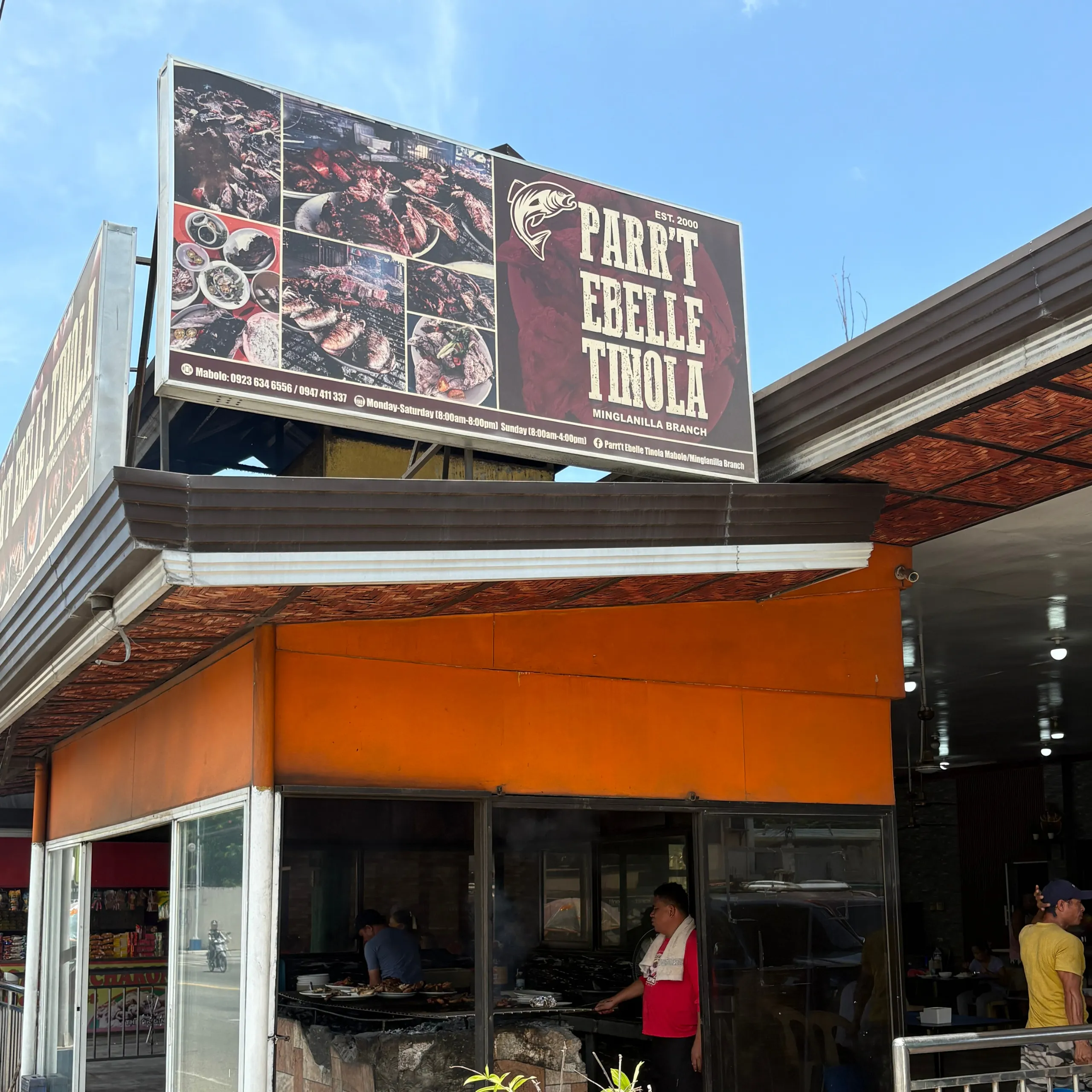
From fish tinola and charcoal-grilled seafood to freshly dressed kinilaw, Parr’t Ebelle has built its reputation on the simple, elemental cooking at the heart of Cebu’s sutukil tradition.
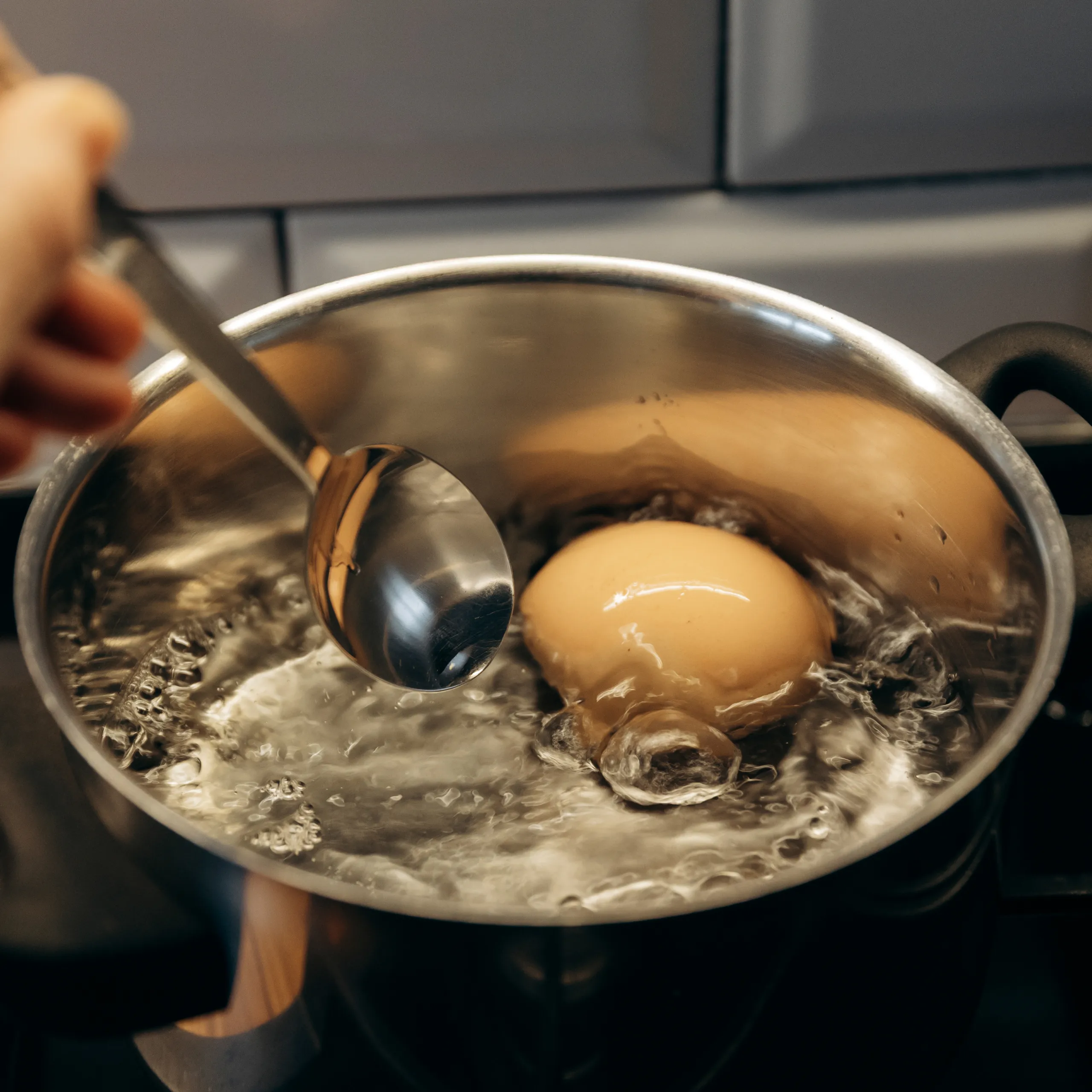
Learn how to boil the perfect hard-boiled egg for an effortless peel every single time, and say goodbye to torn whites with these 6 simple steps!
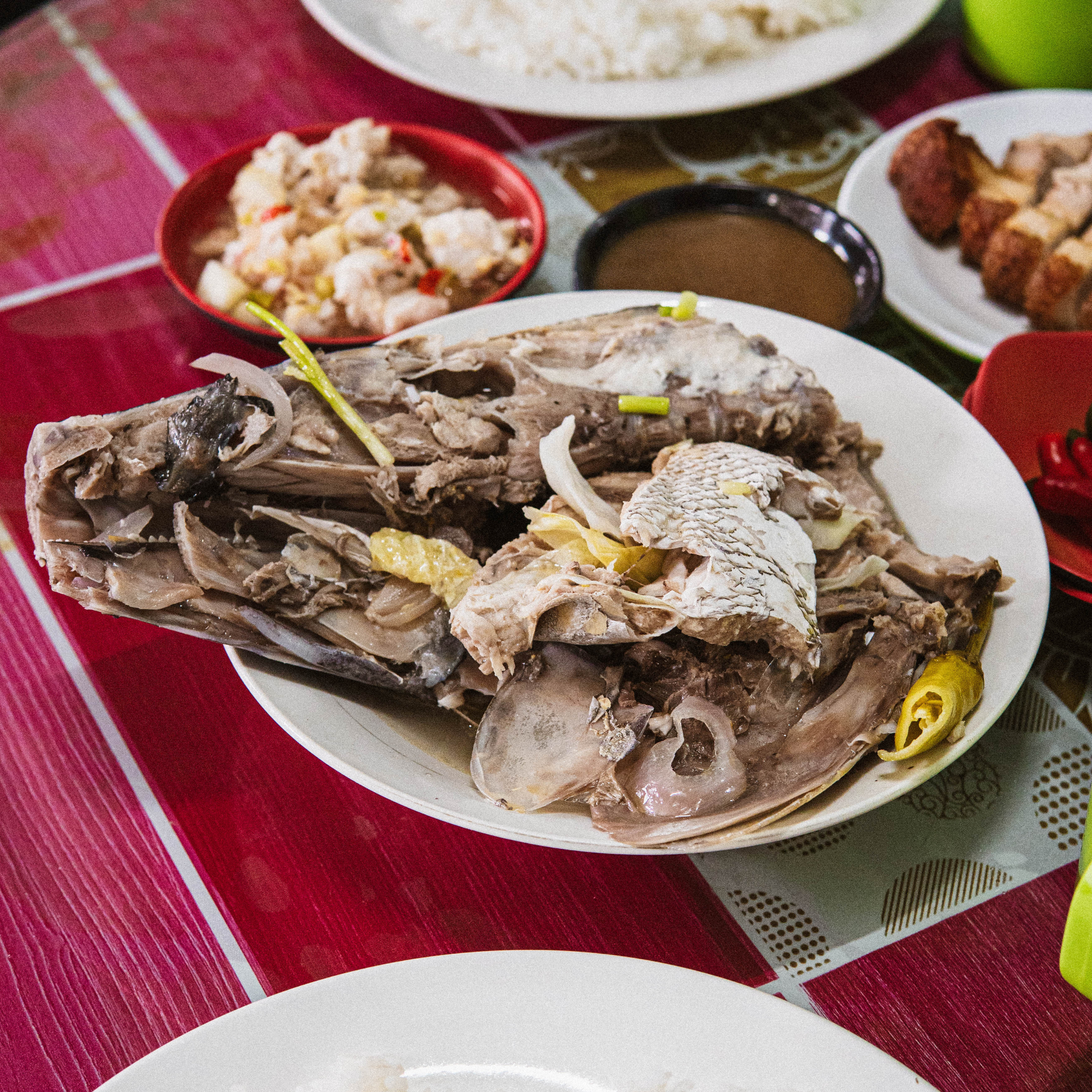
I’ve always preferred fish fillets, but DPD Carinderia’s famous fish head soup in Quezon City made me wonder what else I’ve been missing.
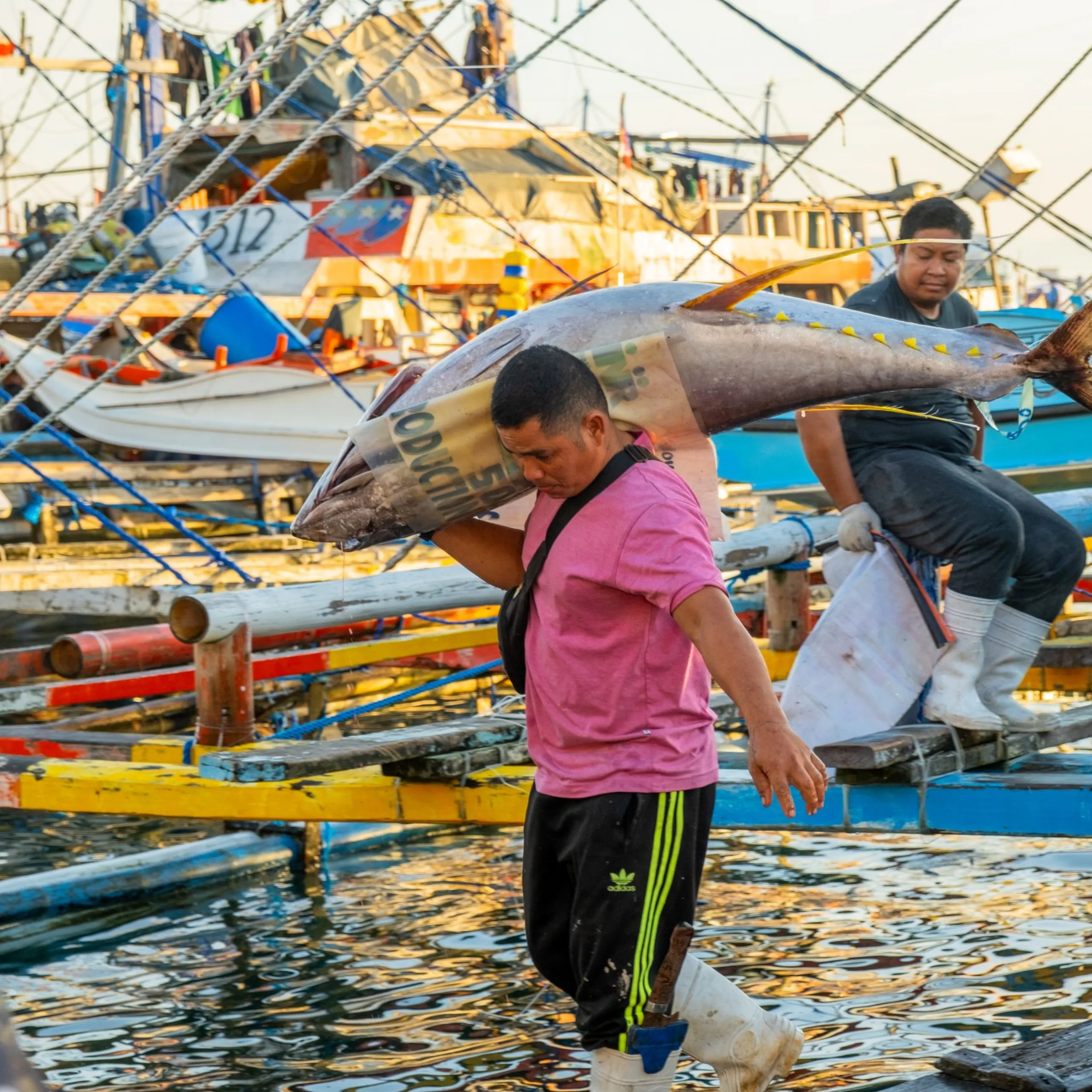
To celebrate this year’s Tuna Festival, why not brush up on your knowledge of tuna and how to cook and enjoy all of its parts!
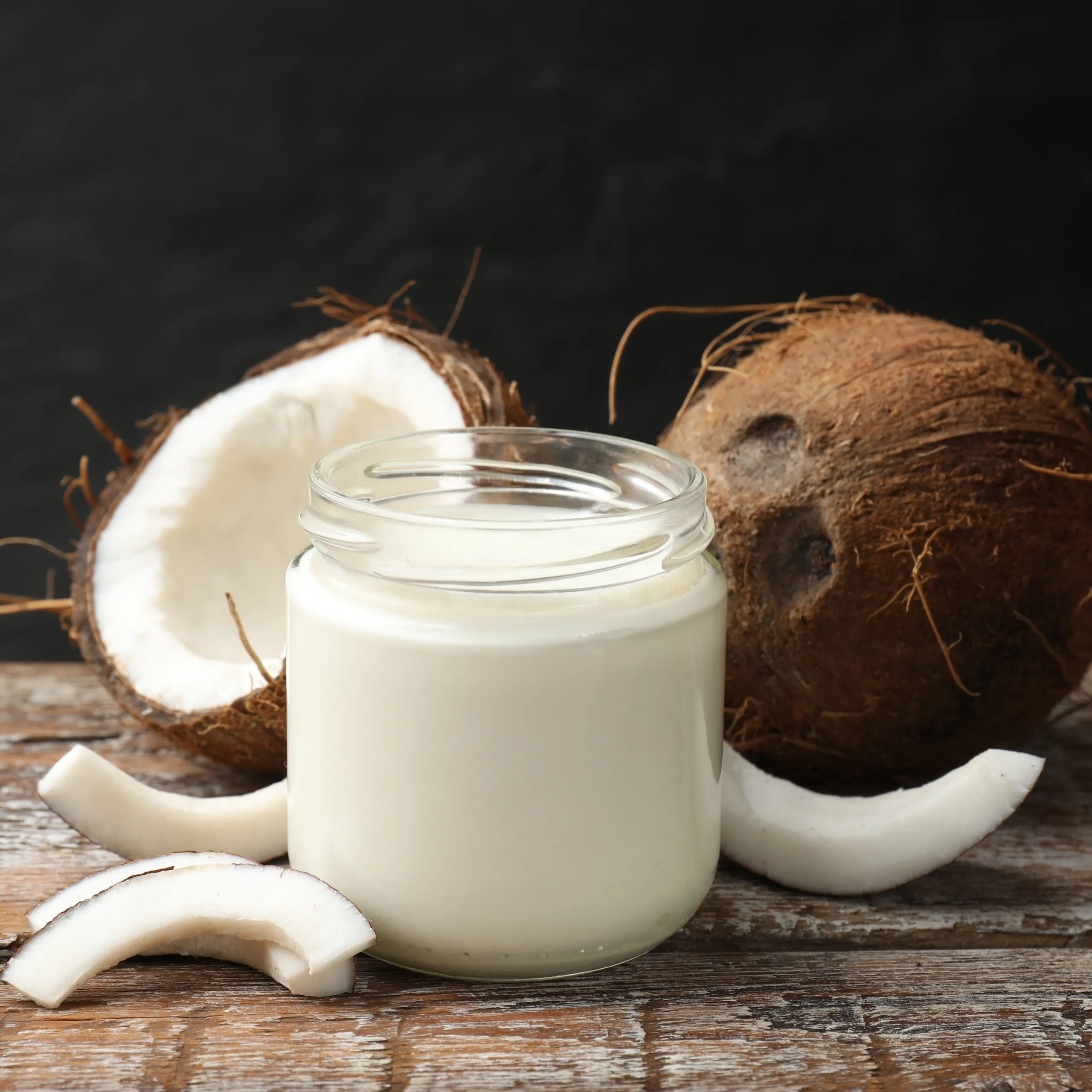
If gata is a staple item in your pantry, you need to learn how to tell if it's still okay to use!