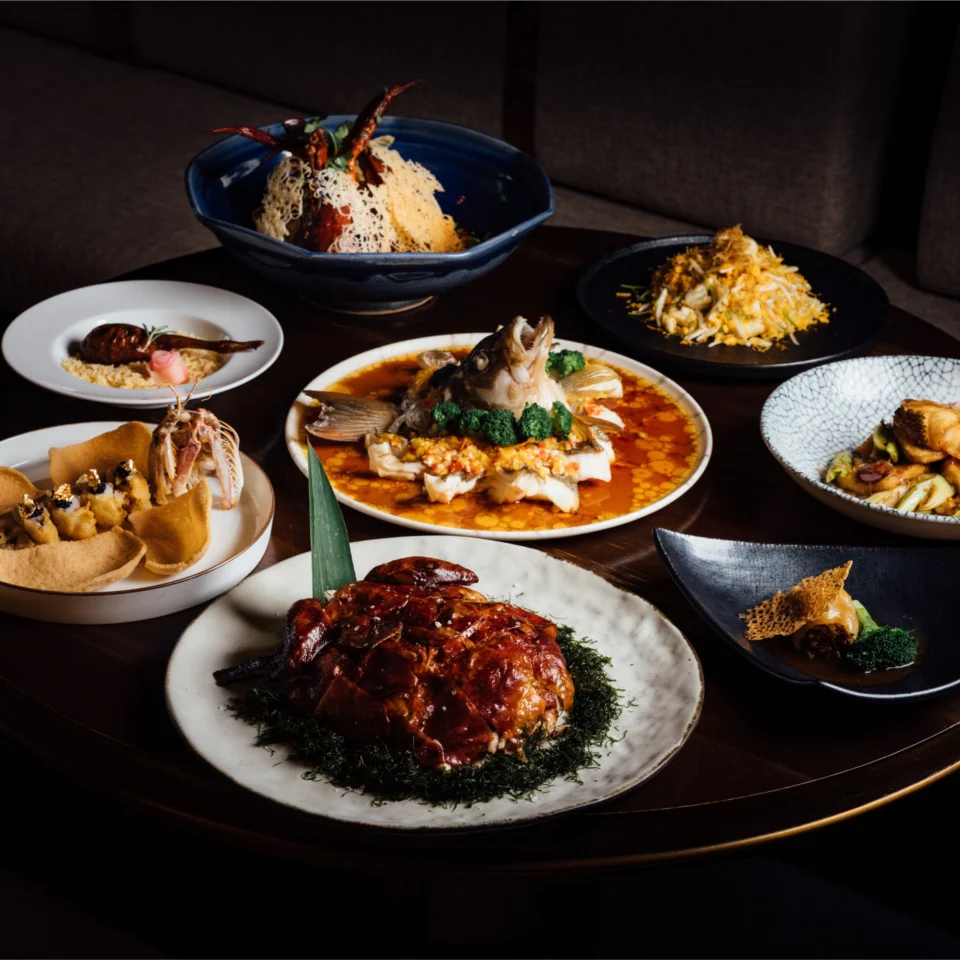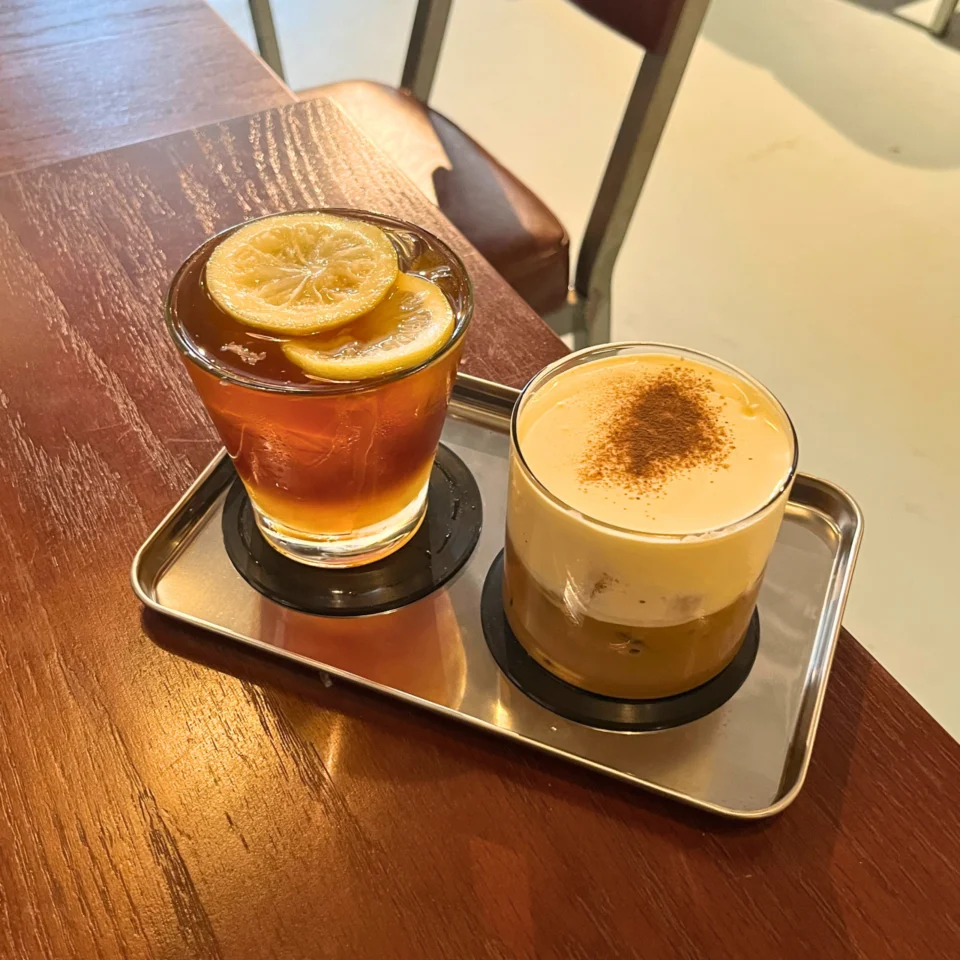


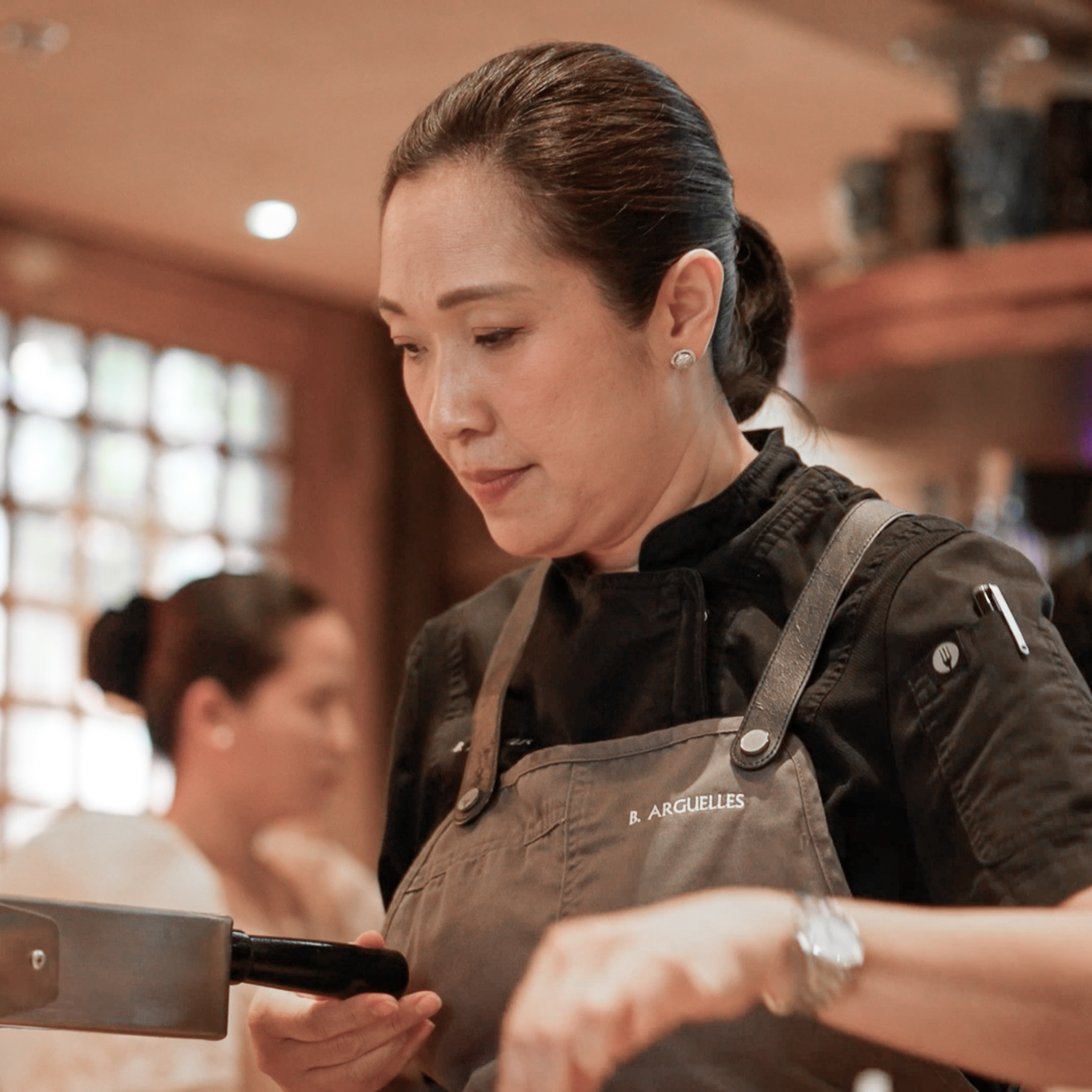
When the concept for Uma Restaurant in Panglao Island, Bohol was first developed, the vision was clear: to create a seafood-forward Filipino menu that puts the cuisine in a diverse light, one that the locals can relate with and the foreign travelers can discover with wonder.
“I believe it is high time that Filipino food takes on the global stage, and what better platform can I have than the signature restaurant of an international luxury hotel?,” the chef consultant behind Uma shares. “I wanted to get off the beaten path and show more about the various influences we have had as a colonized nation for centuries, and also our cultural evolution as more of us travel.”
She adds, “Filipino food is so rich in history, culture, and geographical influences. Unfortunately, we have been boxed into the tourist staples such as adoboAdoboThe Filipino dish of meat or seafood braised in vinegar, soy sauce, garlic, bay leaves, and peppercorns. Widely regarded as the national dish, adobo varies from home to home andGo to Adobo Glossary, sisig and lumpia. I wanted to get off the beaten path and show more about the various influences we have had, being a colonized nation for centuries, and also our cultural (and gastronomical) evolution, as more and more of us travel here and abroad.”
This means going beyond the familiar and leaning into the things the Philippines shares with its southeast Asian neighbors, while acknowledging the fragments of American, Chinese, and Japanese cultures that got left behind.
Reimagining the Classics
Her goal is pretty much evident in the dishes she recently introduced. Rather than serving carbon copies of traditional recipes, the kitchen deconstructs and reinterprets them in a way that guests, both local and international, can understand and appreciate.
The Mackerel Bicol Express, for instance, is inspired by and born from her maternal grandmother’s kitchen. Whereas the traditional relies on fatty pork and the rendered oil of coconut milk, her version turns to fish, resulting in a lighter, more delicate dish. The aggressive heat of the siling labuyo is intentionally toned down, allowing first-timers to fully appreciate the savory nuance brought by the marriage of coconut cream and umami-rich guinamos (fermented shrimp paste).
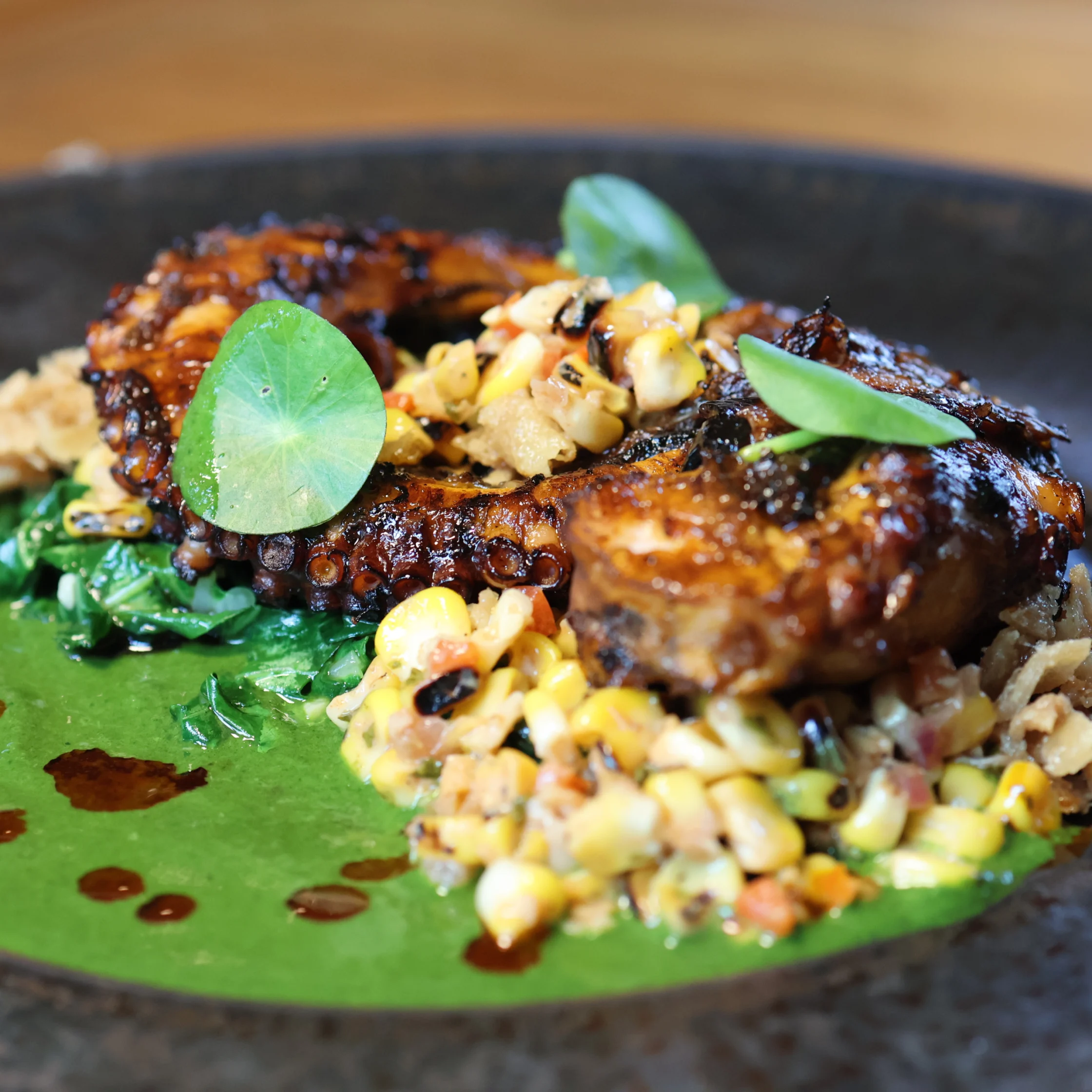
Her 3-Day Bone Broth Sinigang is the best I’ve ever had in any restaurant setting. Funnily, this instant crowd-favorite was a happy accident. After ordering crispy pata and receiving the leftover hooves, the kitchen decided to minimize waste by simmering them into a bone broth. “But on the third day, when I started seeing the milky white broth, for some reason, sinigang came to mind. I was curious to see if I could fortify and enrich a sinigang soup to give it a depth of flavor since good as it is, it is a one-note dish,” recalls Arguelles. The result is a soup that had me guzzling, rather than slurping. It is made heartier with the addition of grilled vegetables and fork tender chashu pork, both of which introduced a smoky complexity to the dish.
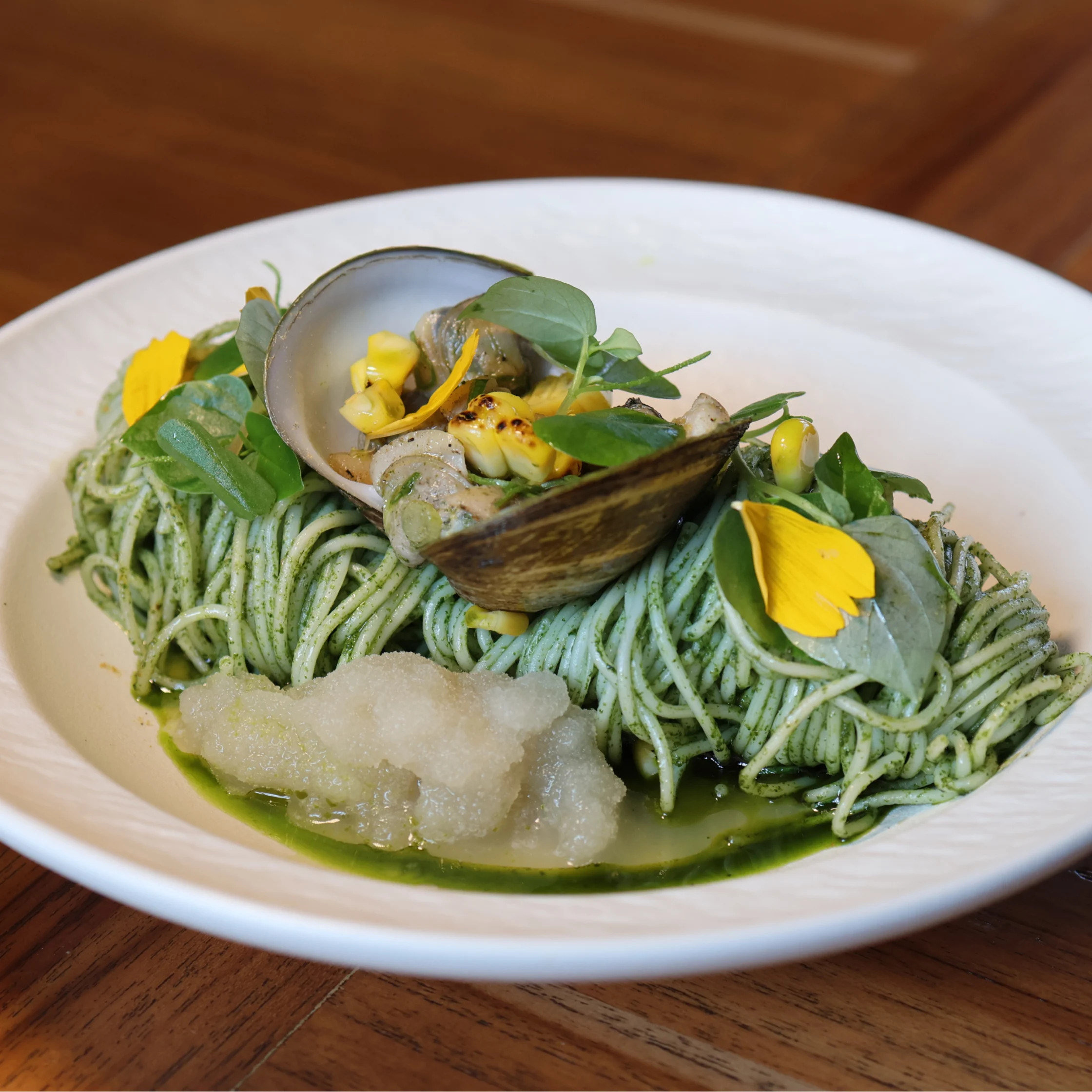
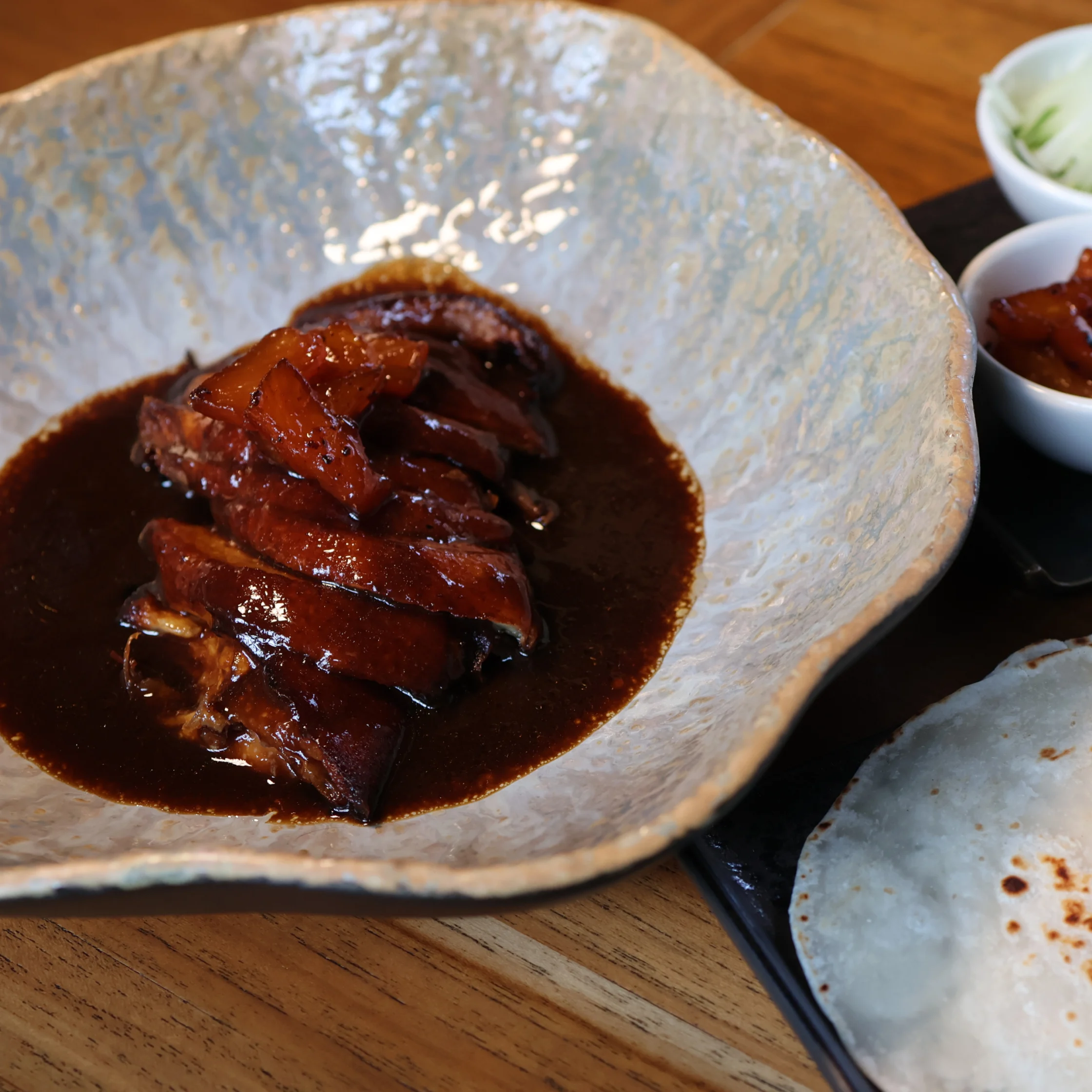
Another standout is the Hoisin Duck Anisado. Inspired by the sticky, sweet, and salty Chinese adoboAdoboThe Filipino dish of meat or seafood braised in vinegar, soy sauce, garlic, bay leaves, and peppercorns. Widely regarded as the national dish, adobo varies from home to home andGo to Adobo Glossary from the chef’s youth, this dish is fragrant with star anise and lightened with pineapple. But instead of serving it over a standard mound of rice, it is playfully presented Peking duck-style. Eaten like a hand-held soft taco and adorned with crisp cucumber, scallions, and coriander for some vegetal freshness.
The Realities of the Island Kitchen
Executing a menu of this caliber requires a “chameleon” approach. It’s a good thing this skill is something Arguelles developed working for reputable hotels over the years. “I am able to adapt my cuisine into what the brand needs,” she says. “Even in my consultancy work, I need to be nimble creatively, to be able to develop menus for various brands or businesses that span a spectrum of differing requirements. So doing work for multiple companies comes easy to me because it is very much similar to being the executive chef of a large hotel operations with various dining concepts, catering to international VIPs and their stringent protocol and/or dietary requirements and banqueting on top of that.
Being on an island presents a different set of challenges, of course—most notably, the consistency of the supply chain. The realities of island logistics require creative flexibility as the kitchen needs to pivot when the morning’s delivery doesn’t arrive as planned. Here, Bettina shares five essential rules she stands by when building a menu in a remote or island destination.
5 Rules for Island Menu Development
- Learn from Your Staff: Do your research and talk to your local team. “You will be surprised at the things you can learn from them, especially when you ask the right questions.”
- Leverage Local Produce: Tap into the ingredients immediately around you. “It will not only be more sustainable but also, more reliable to do so.” It is the most dependable way to ensure your kitchen stays stocked.
- Protect Your Supplier Relationships: On an island, your local suppliers are your savior. Treat those relationships like gold. “They will be your lifeline when in need.”
- Keep Menu Descriptions Vague: Don’t box yourself in with hyper-specific wording. “Don’t be too specific on menu descriptions. This allows you to continue serving the dish with a replacement or alternative ingredient when something is not available.”
- Embrace Seasonality: Use words like “seasonal catch” or “seasonal greens” on the menu. “It may be a seafood, a fruit, or a vegetable. I use this in my menu descriptions when I want to use seasonal ingredients but want to serve the dish all year round.” It allows you to serve a signature dish while letting the island dictate the exact components based on what is freshest that day.
Frequently Asked Questions
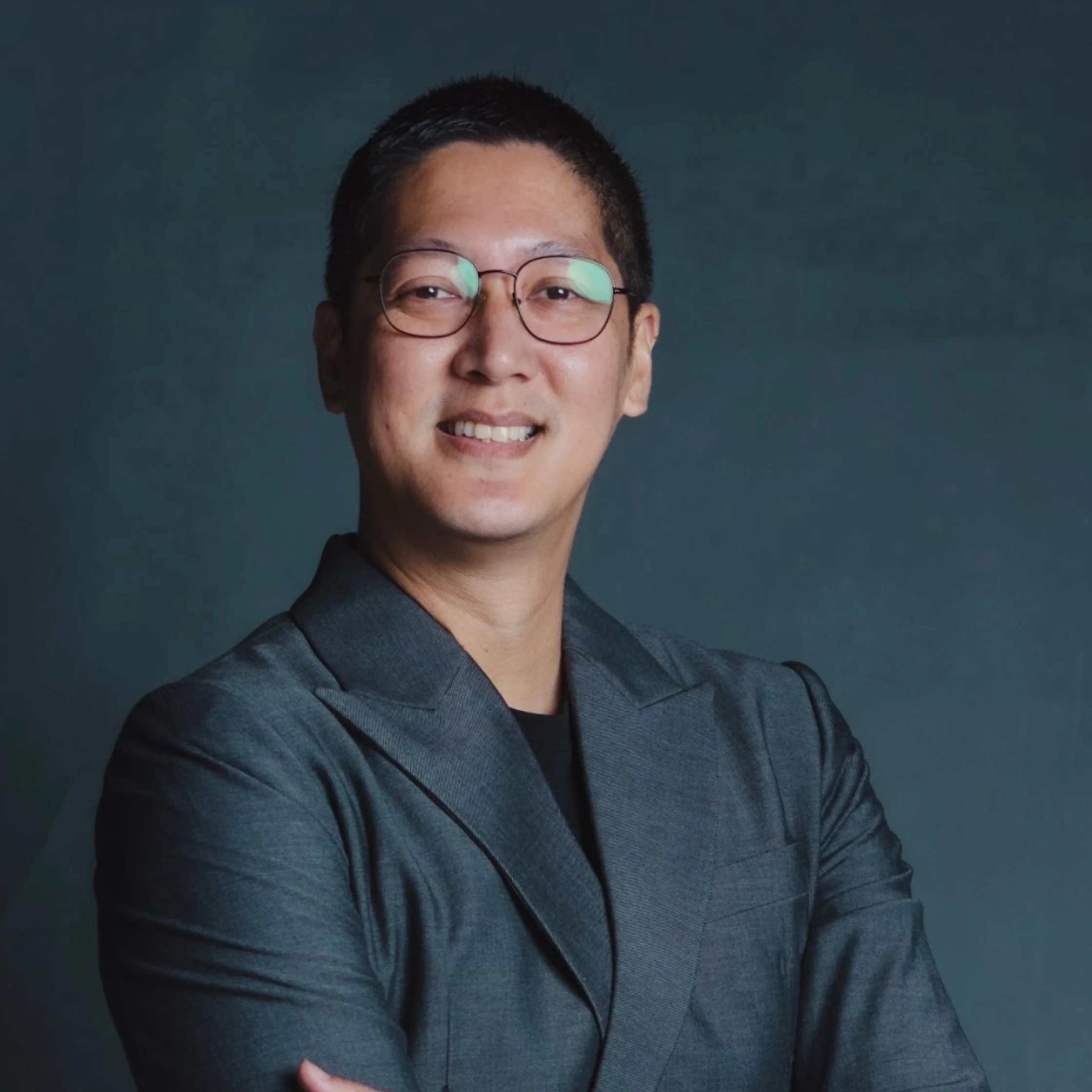
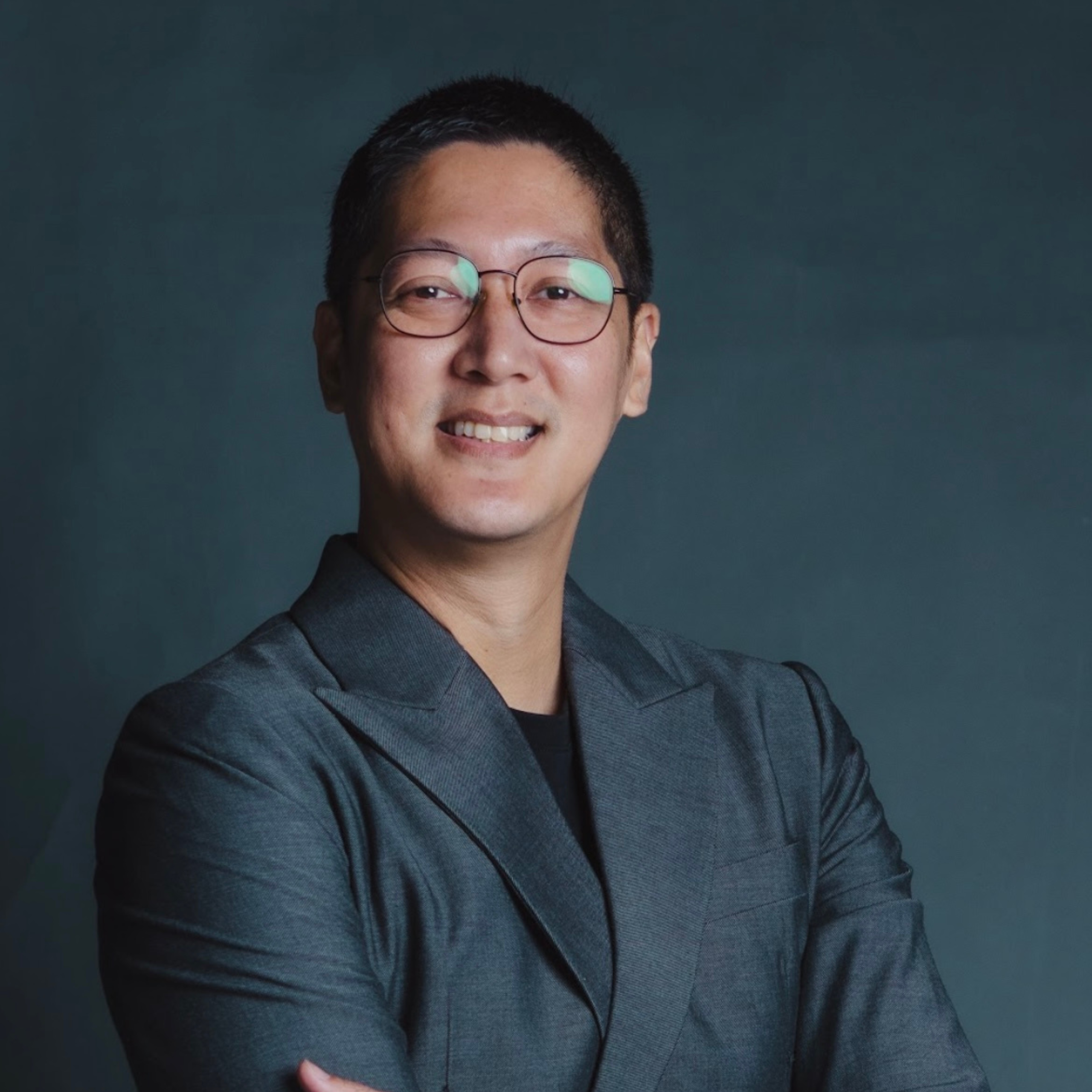
Chef Bettina Arguelles is a chef consultant who has worked across hotel and hospitality operations and is behind the culinary direction of Uma Restaurant in Panglao, Bohol.
Uma is a restaurant in Panglao Island, Bohol, focused on presenting Filipino cuisine through a seafood-forward menu and contemporary interpretations of familiar dishes.
Island kitchens can face supply-chain challenges, including unpredictable deliveries and limited access to certain ingredients. This makes flexibility, local sourcing, and strong supplier relationships especially important.
Her recommendations are to leverage local produce, learn from local staff, protect supplier relationships, keep menu descriptions flexible, and embrace seasonality.
“Seasonal catch” is a flexible menu description that allows a restaurant to use whatever seafood is freshest and available during a particular season rather than committing to one specific species year-round.
Flexible descriptions allow restaurants to substitute ingredients when specific products aren’t available while maintaining the overall character of a dish.