

Cooking is fairly straightforward, but every now and then we all run into food that doesn’t quite turn out the way they were envisioned. Below are common missteps in cooking, and why they happen so you can prevent it—plus the fixes in the event that you need to salvage a bad batch.
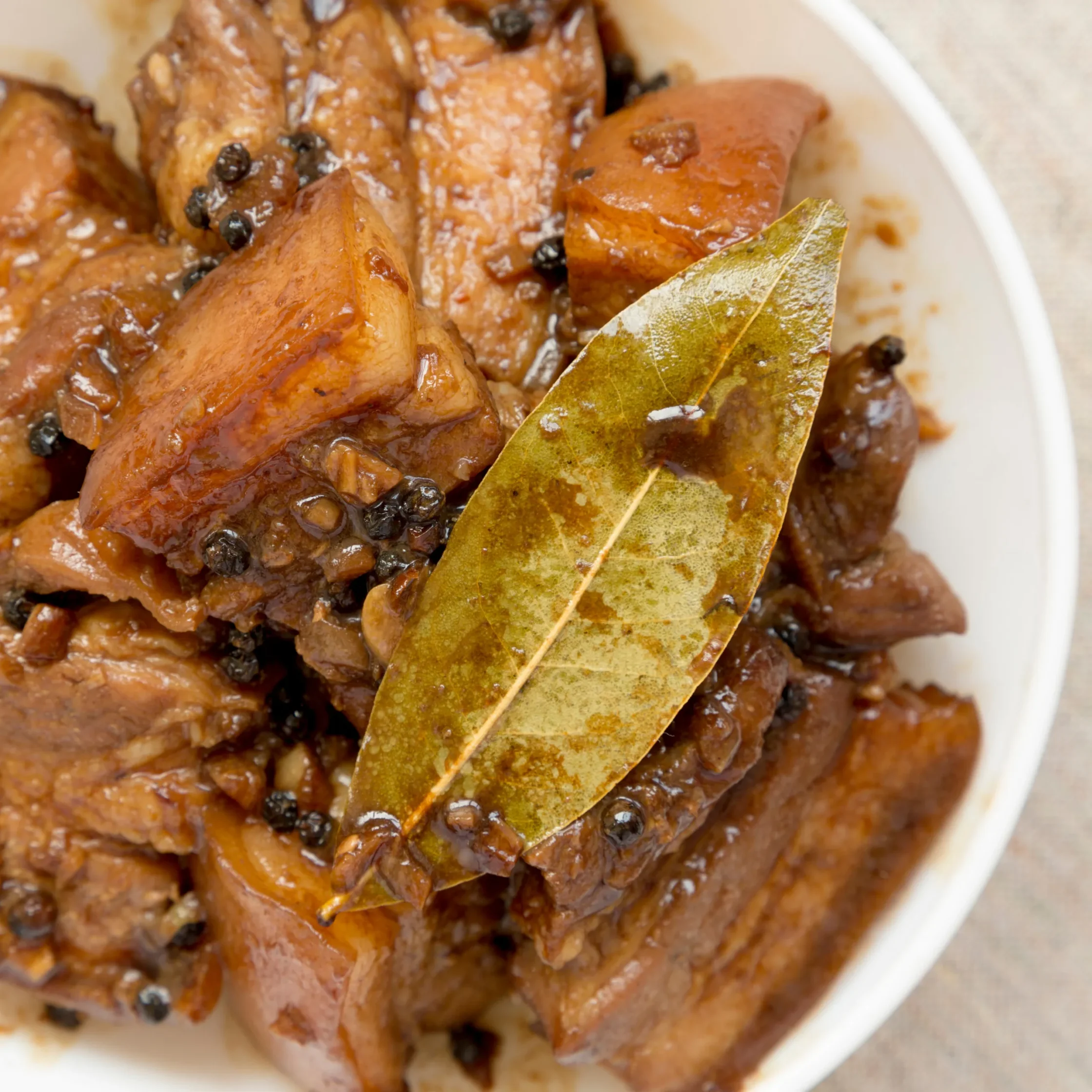
1. Why Is My Adobo Too Salty?
Well, you might have put too much salt or soy sauce or you’ve reduced the liquid excessively, which tends to happen when you’re reheating.
Adding more liquid in the form of water, an unsalted broth, or dairy or coconut cream can help salvage your overly salty adobo. That, or just consider this your excuse to eat more rice!
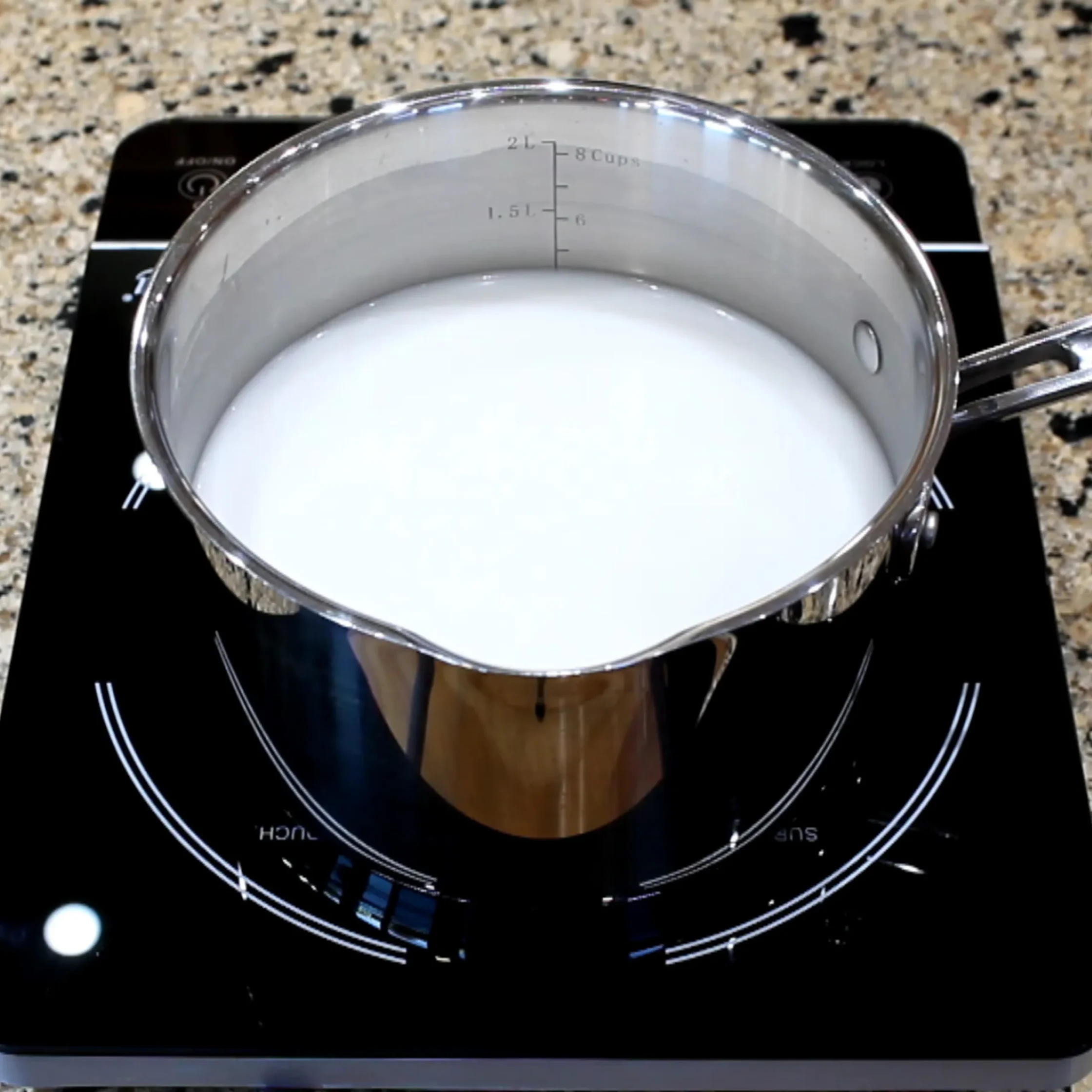
2. Why Does My Gata Separate?
Coconut milk is a natural emulsion of fat and water, and—for fresh coconut milk, and certain canned brands—the lack of additional emulsifiers or stabilizers makes it prone to separating or curdling. This tends to happen when cold coconut milk is immediately placed over high heat.
This isn’t necessarily a bad thing. The separation is desired in the case of some dishes, like adobo or Bicol express, which are ideally cooked to the point where they’re “nagmamantika.”
If you must have a smoother, more emulsified mix though, you can tap into the magic of a slurry: simply mix together two tablespoons of water plus one tablespoon of tapioca or cornstarch until dissolved, then, whisk that in a little at a time into the liquid in the pot until its homogenous.
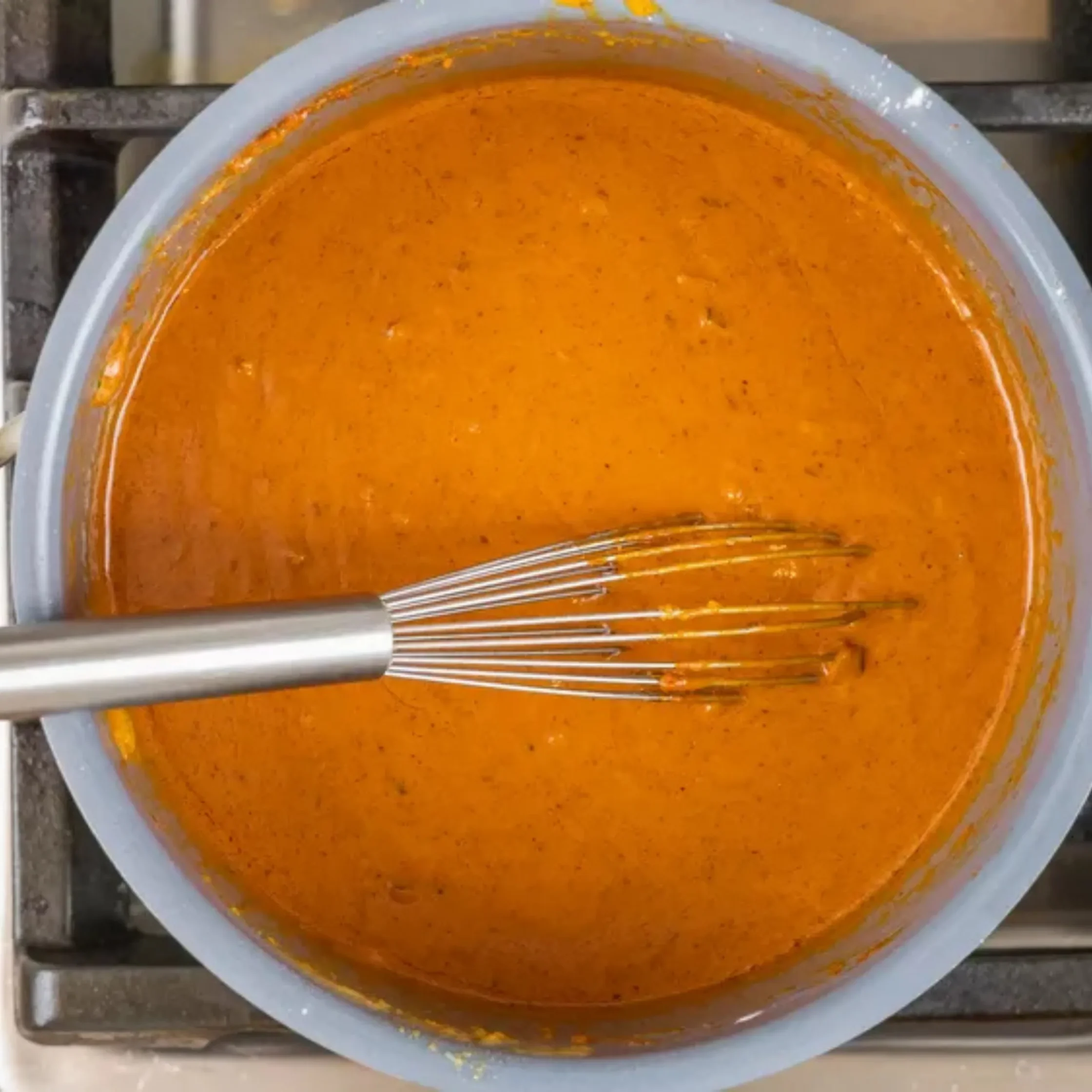
3. Why Is My Kare-Kare Sauce Too Thin?
Adding too much water or skipping the thickener in your kare-kare is bound to result in a thin, watery sauce. But fixing it is quite easy, too. Kare-kare traditionally uses rice (toasted and ground, or rice flour) and peanuts (ground nuts or peanut butter) for thickness; you can stir more of these ingredients into your pot, though it’s best to keep tasting as you go to ensure that you still get the ideal flavor balance.
Alternatively, you can harness the power of cornstarch: dissolve a tablespoon of cornstarch into two to three tablespoons of water, then stir it in gradually in a steady stream until your stew is thickened.
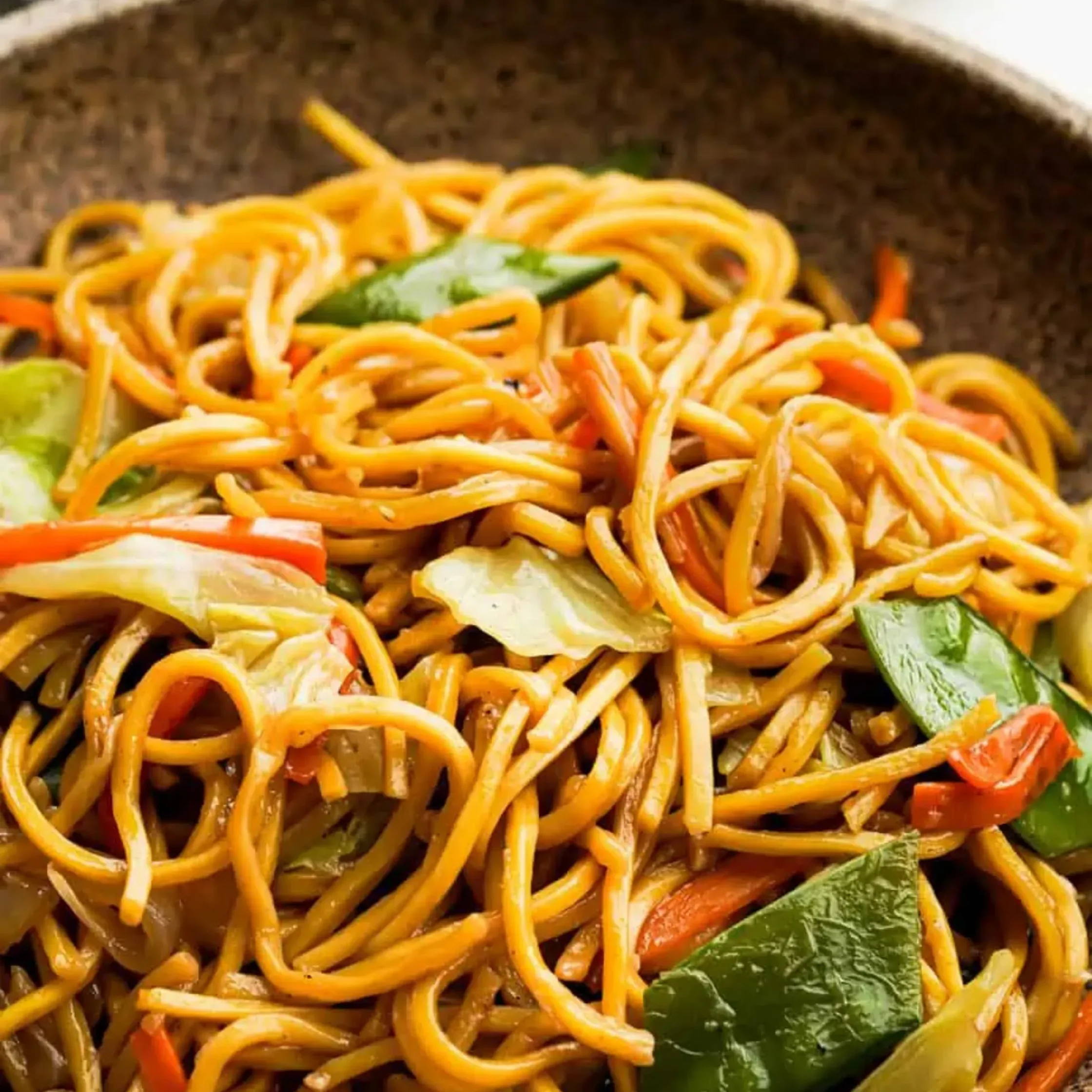
4. Why Does My Pancit Turn Soggy?
The best pancit dishes use noodles that retain a bit of a bite. And while the flavors should certainly marry to an extent, the different sahog should still taste fresh and be relatively distinguishable from one another. Overcooking the noodles, using too much liquid or thickener, and/or simmering the pancit for too long gives you soggy results.
You can’t uncook the pancit, but if you must salvage a soggy batch, try preparing a new batch of noodles and keeping it just a touch undercooked. Stir that into the overcooked pancit mix and taste to season; you’re essentially extending the overcooked batch by adding more noodles, and masking its sogginess in the process.
Or, just enjoy your soggy pancit as it is—it is comforting in its own way, especially over rice!
5. Why Is My Fried Chicken Breading Falling Off?
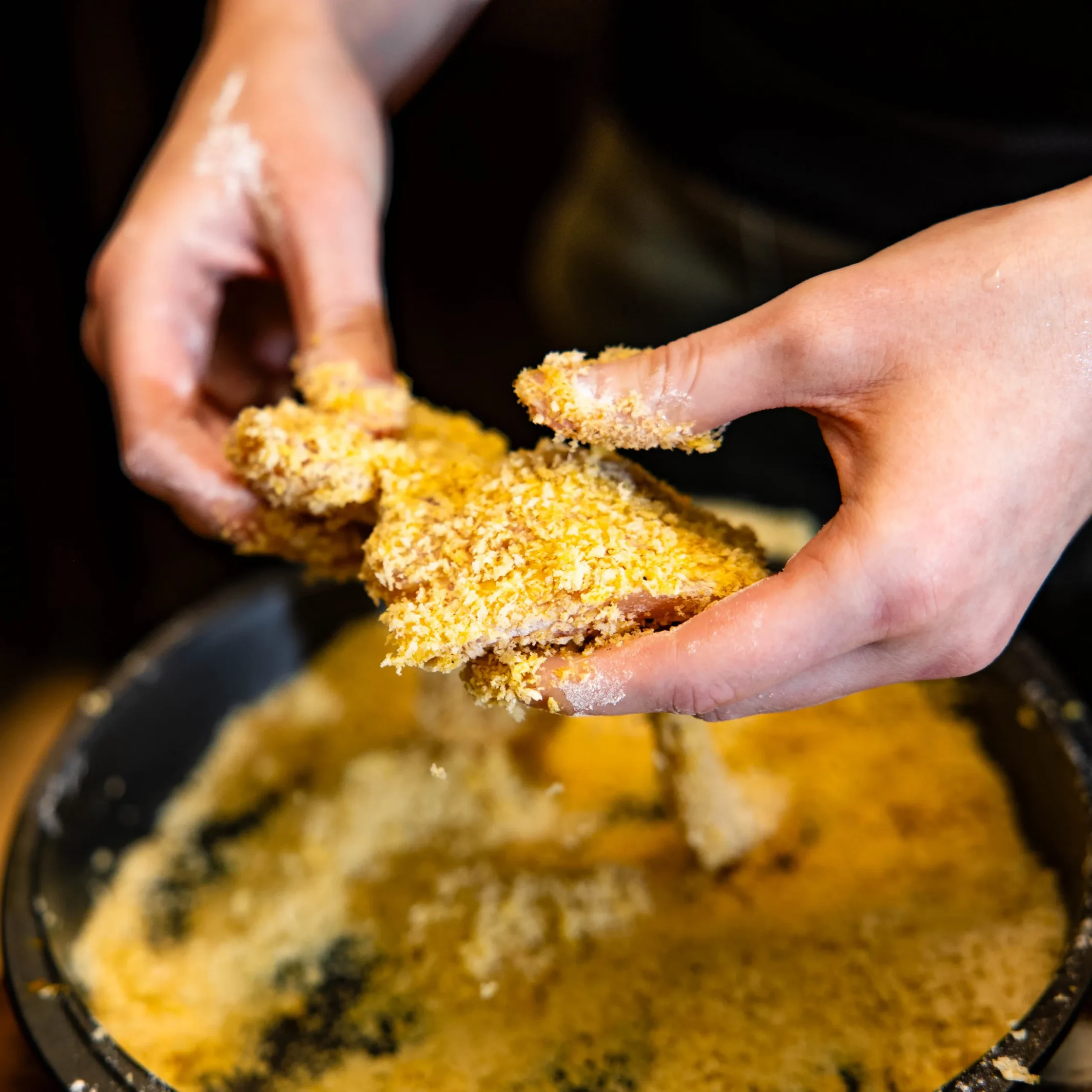
Chances are, your breading isn’t sticking to the chicken (or whatever you’re breading) as the latter is too moist.
Moisture keeps coating from sticking, so be sure to pat your chicken as dry as you can with a paper towel. From there, you can dredge in flour, dip in a beaten egg, and coat in breadcrumbs, following your recipe.
6. Why Does Rice Stick to the Bottom of the Pot?
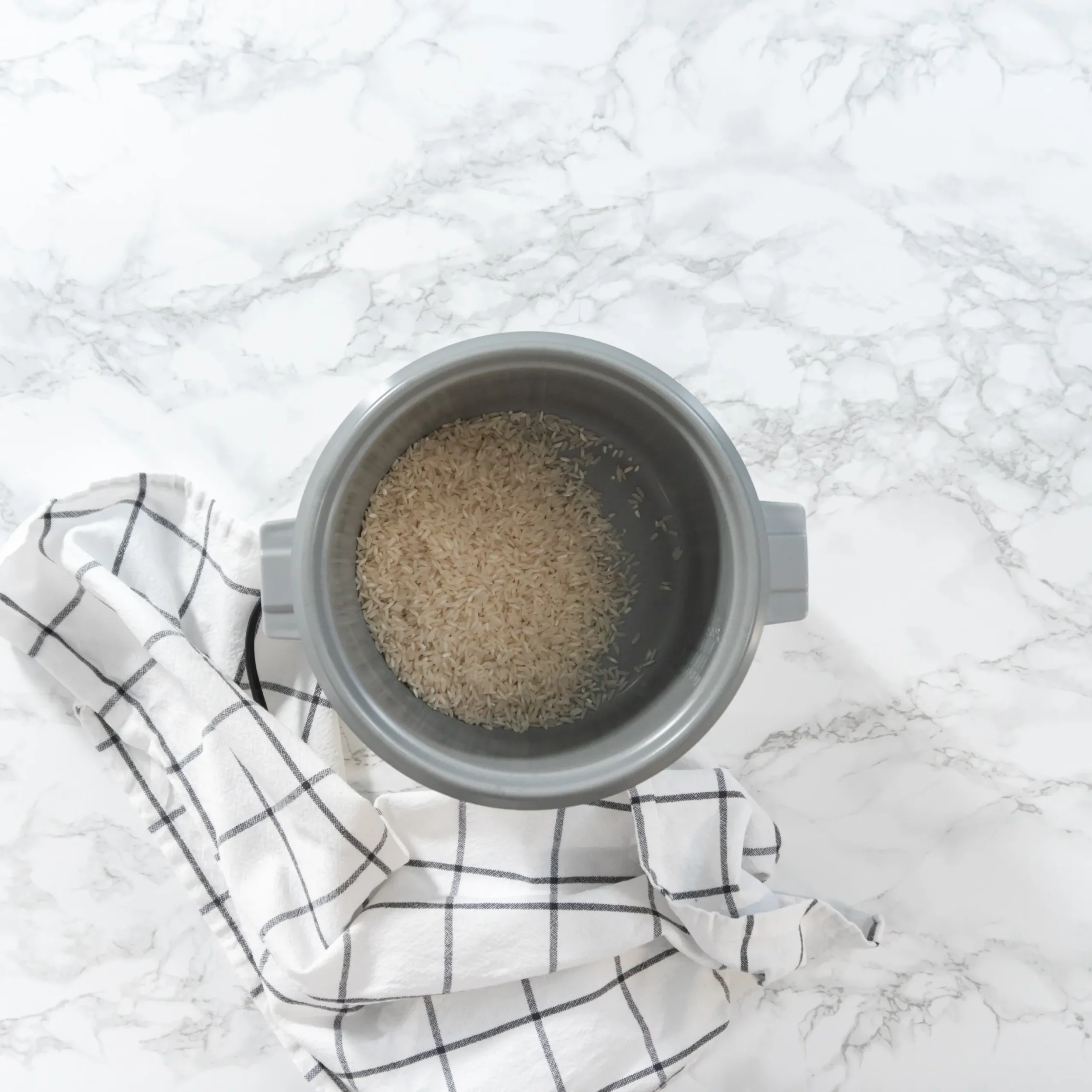
Rice grains naturally have starch on the surface, which is released from the grains as they cook. As the water evaporates, the starch settles at the bottom of the pot, causing the bottom layer of the rice to stick.
You can prevent this from happening by rinsing the raw rice to get rid of the excess starch even before it cooks.
Then again, this toasty, crispy layer is actually desired by others—e.g. the Koreans who love their nurungji (scorched rice), or even our very own bahaw.
7. Why Does Garlic Burn So Quickly?
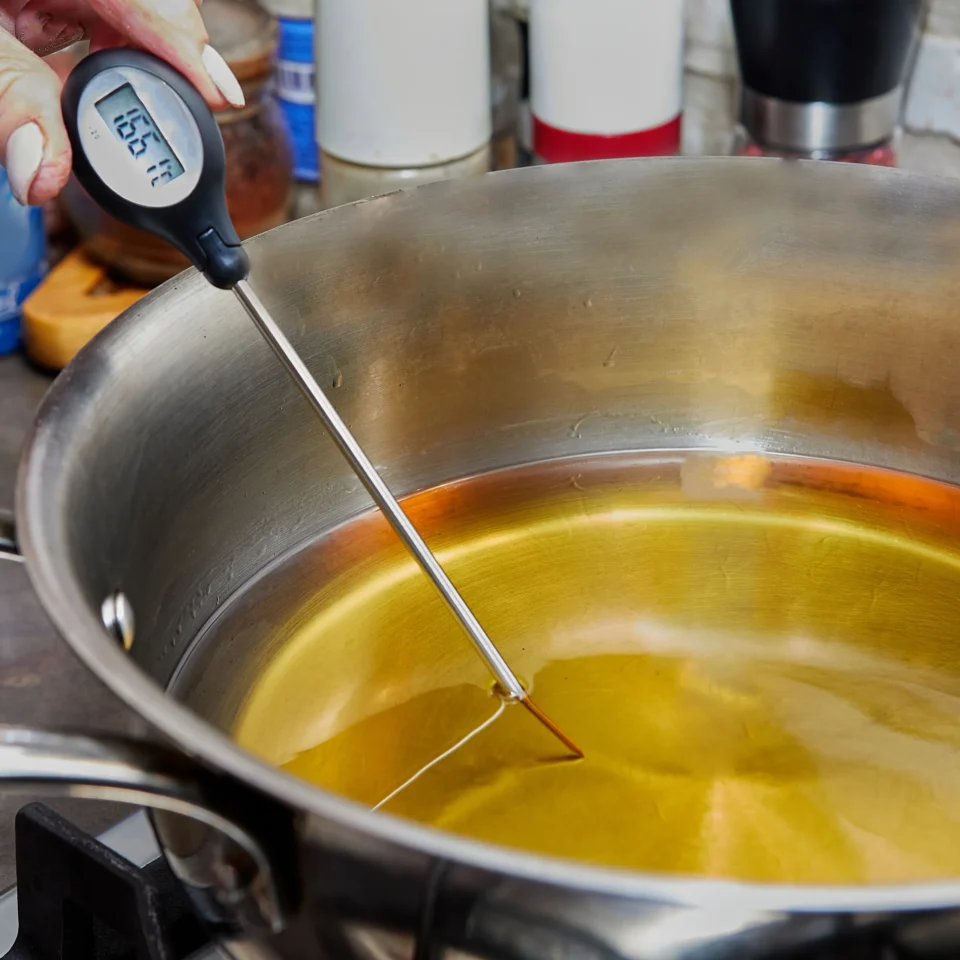
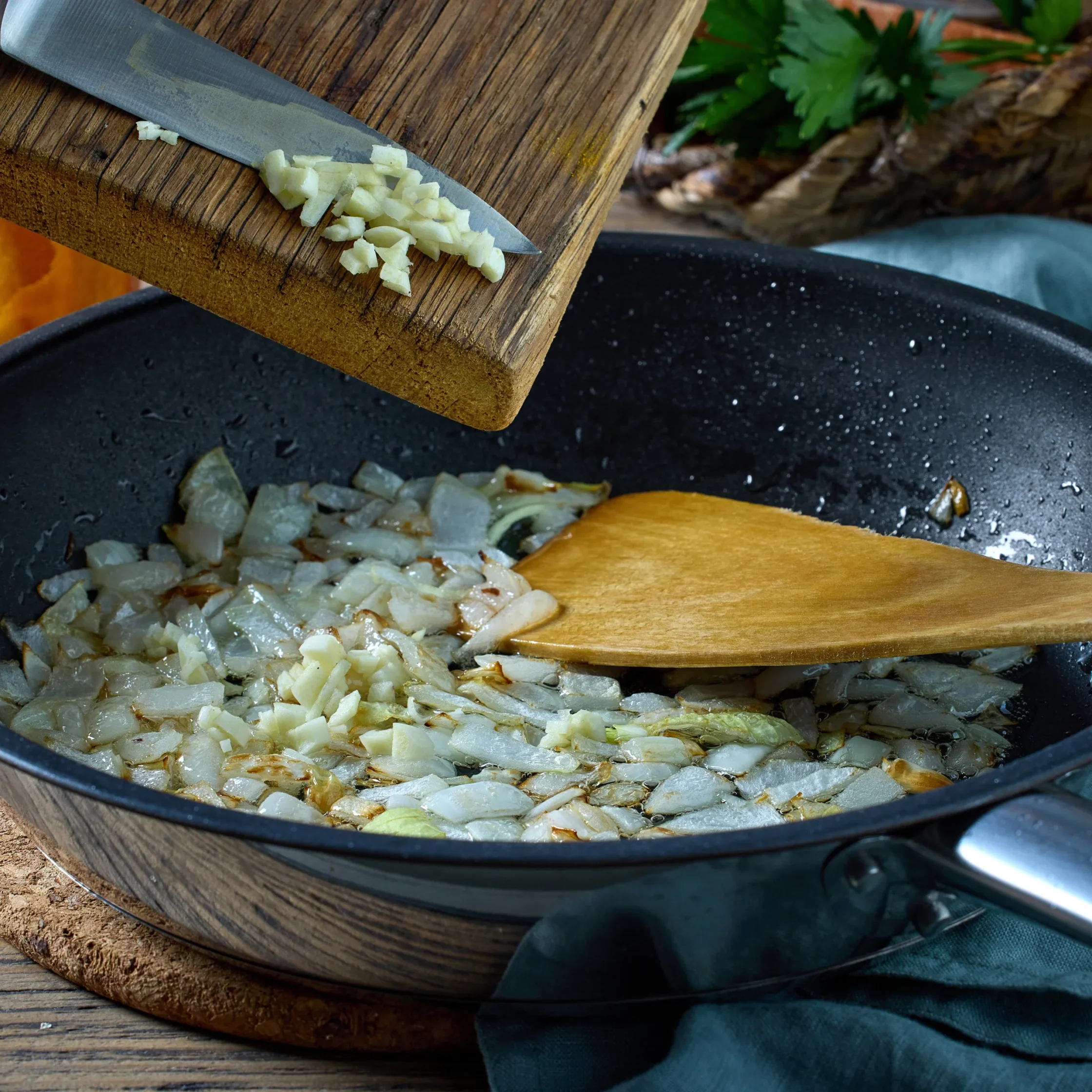
We Filipinos are known to love our garlic toasted or browned, but burned or blackened garlic is another story. Garlic, due to its low moisture content and relatively high amount of natural sugars, can easily burn if it’s exposed to high heat—like, say, if you leave it for too long in smoking-hot oil over a pan. Keep the heat level at moderate and watch the pan as it cooks to keep the allium from scorching.
Stuck with overly burned garlic? Add some sesame oil to the mix and strain out the solids—you’ve got mayu, the Japanese black garlic oil, which you can drizzle over just about any dish for depth.

Frequently Asked Questions
Add a slurry to the sauce. To do this, one tablespoon of cornstarch into two to three tablespoons of water, then gradually stir it into the sauce.
Unfortunately, there is no way to undo the overcooking of the noodles. The best way you can still use this is to make a new batch of pancit noddles and mix that with old batch.
Make sure your pan is at a moderate level of heat and simply keep watch of your garlic.
If ever you are cooking both onion and garlic, cook the onion first. The moisture that will come out of the onion as it cooks will help the garlic from burning.
Your first step should always be pat your chicken dry. Too much moisture is a surefire way for your breading to not stick.
Yes! Just add a liquid (water, unsalted broth, dairy cream, or even coconut cream) before reheating it.
The same way you thicken your kare-kare sauce, by adding a slurry! In the case of fixing coconut milk that has separated in your pan, you can use mix water with either one tablespoon of cornstarch or tapioca.