Advertisement

These 5 Filipino Stews Look Alike—Here’s How to Tell Them Apart

From liver spread and pork fat to saba bananas and bite-sized pork, these tomato-based Filipino favorites each have their own way of standing out.

Chicken Afritada by Ed Simon
Is this delicious dish afritada or something else?  [PHOTO: Ed Simon]

Tomato, tomahto. Red sauce is red sauce—until it isn’t.

Filipino cooking has a knack for taking familiar ingredients and turning them into something distinctly different. Case in point: kaldereta, mechado, menudo, afritada, and pochero, five hearty tomato-based stews that may look alike but each tells a different story.

So, how do you tell them apart? Look beyond the red sauce. Here’s what makes each of these Filipino comfort-food staples its own dish.

1. Mechado

Mechado may look like its other tomato sauced-based cousins, but take a big bite and its signature tang gives it away. Usually made with sizeable chunks of beef, it gets its savory, slightly sour kick from a marinade made with soy sauce and citrus (usually calamansi, but can sometimes also be lemon). And while already filling just like that, no mechado would be complete without potatoes, carrots, and the occasional bell pepper.
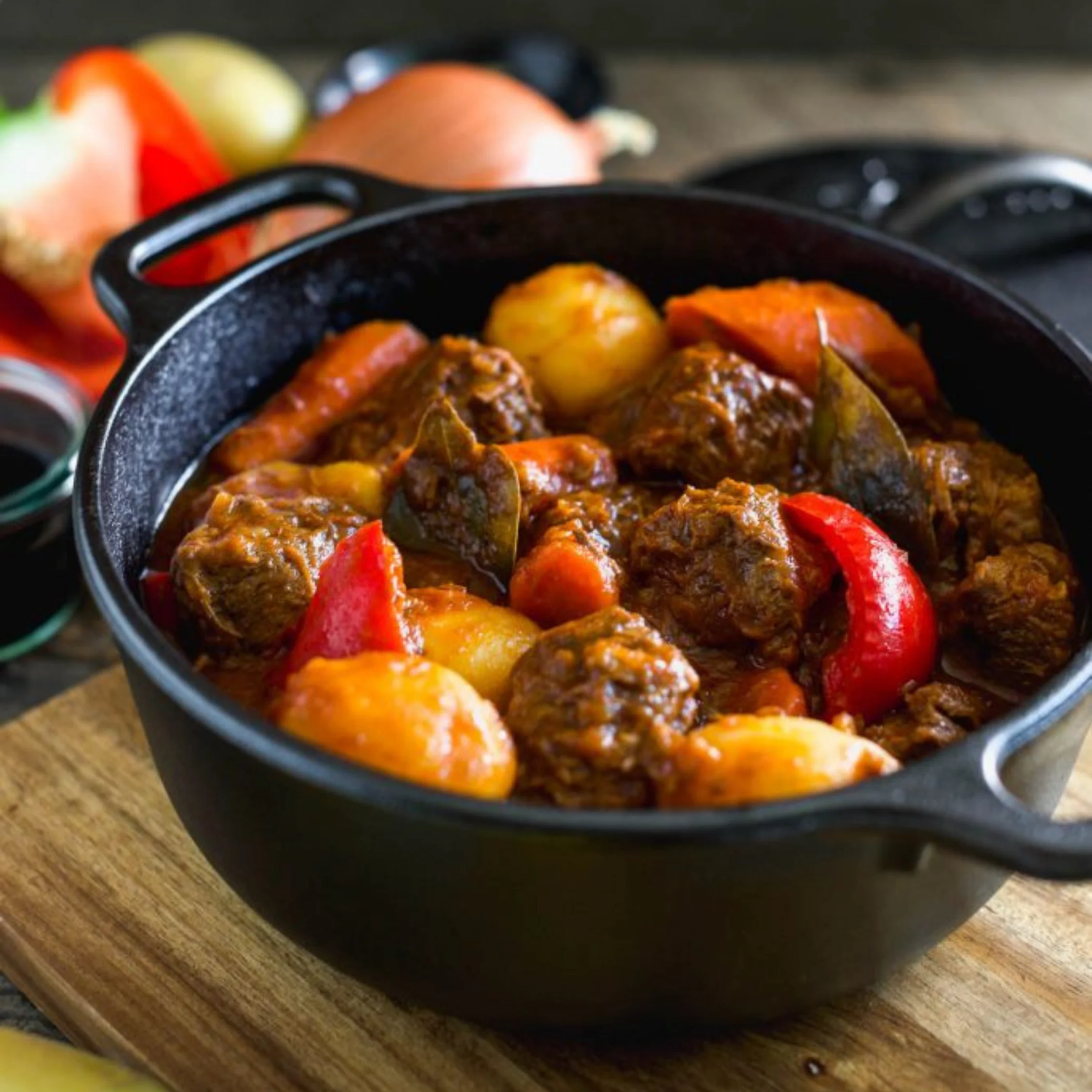
Beef Mechado PHOTO COURTESY OF Lemons and Anchovies Official Website
Beef Mechado [PHOTO COURTESY OF Lemons and Anchovies Official Website]

Sources online say that its name may come from mechar, meaning to lard, or mecha, meaning “wick,” because traditionally, strips of lard were threaded through beef to make it richer and more flavorful. These days, though, most home cooks skip that fussy part and simply use well-marbled cubes of beef.

2. Menudo

Menudo’s name comes from the Spanish word for “small pieces,” which explains its preference for diced pork, potatoes, and carrots. But with pork or chicken liver, bell peppers, peas, hotdogs, and even raisins in the mix, this classic Filipino dish proves that size doesn’t always matter when it comes to flavor.
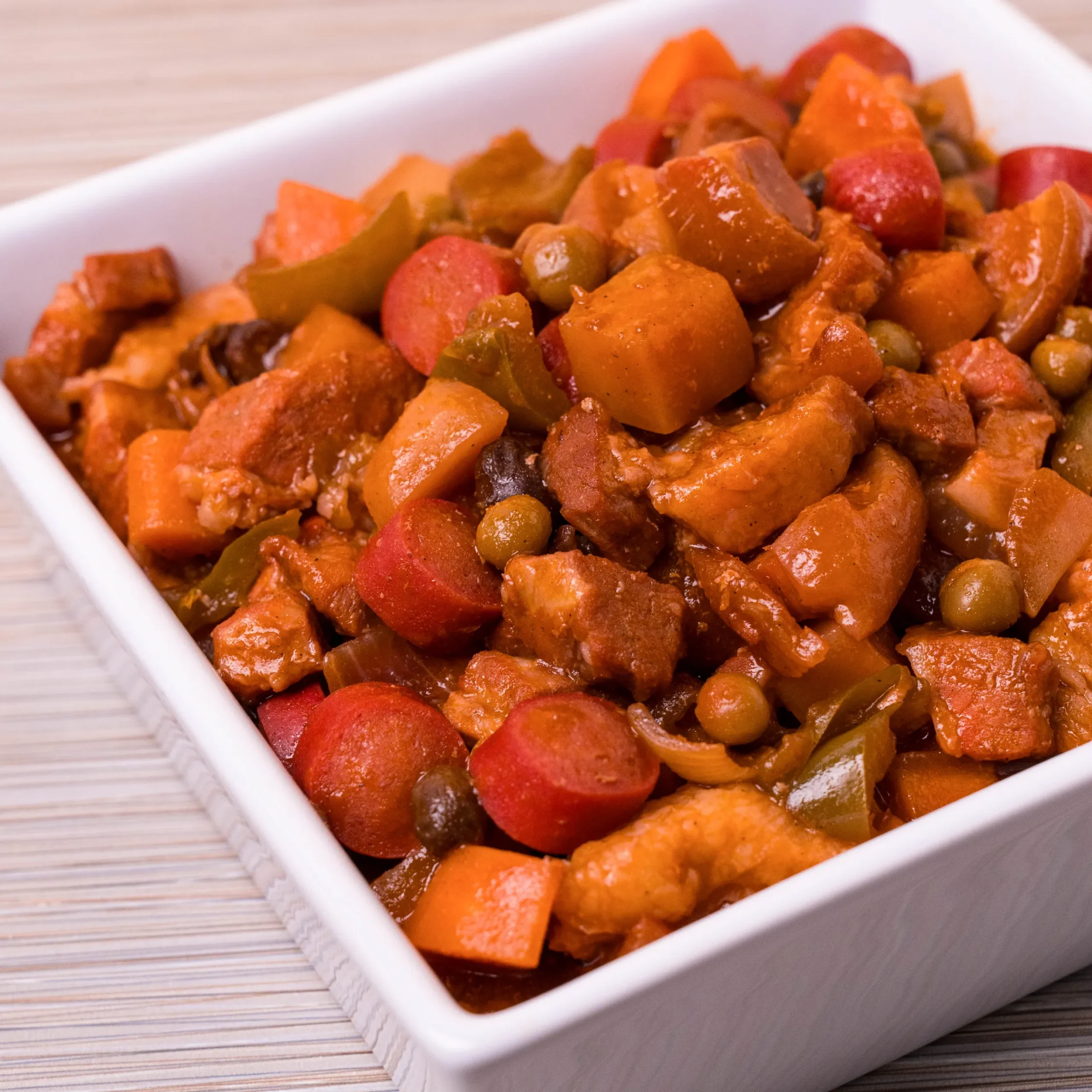
Pork Menudo by ZOE TAPALGO
Pork Menudo [PHOTO: Zoe Tapalgo]

Some households go bigger with their cuts, but the spirit remains the same. Sweet and savory with a hearty tomato sauce, menudo may look like its stew cousins, but those little cubes are a dead giveaway. Small pieces or slightly bigger chunks, it’s still the same comforting menudo.

3. Afritada

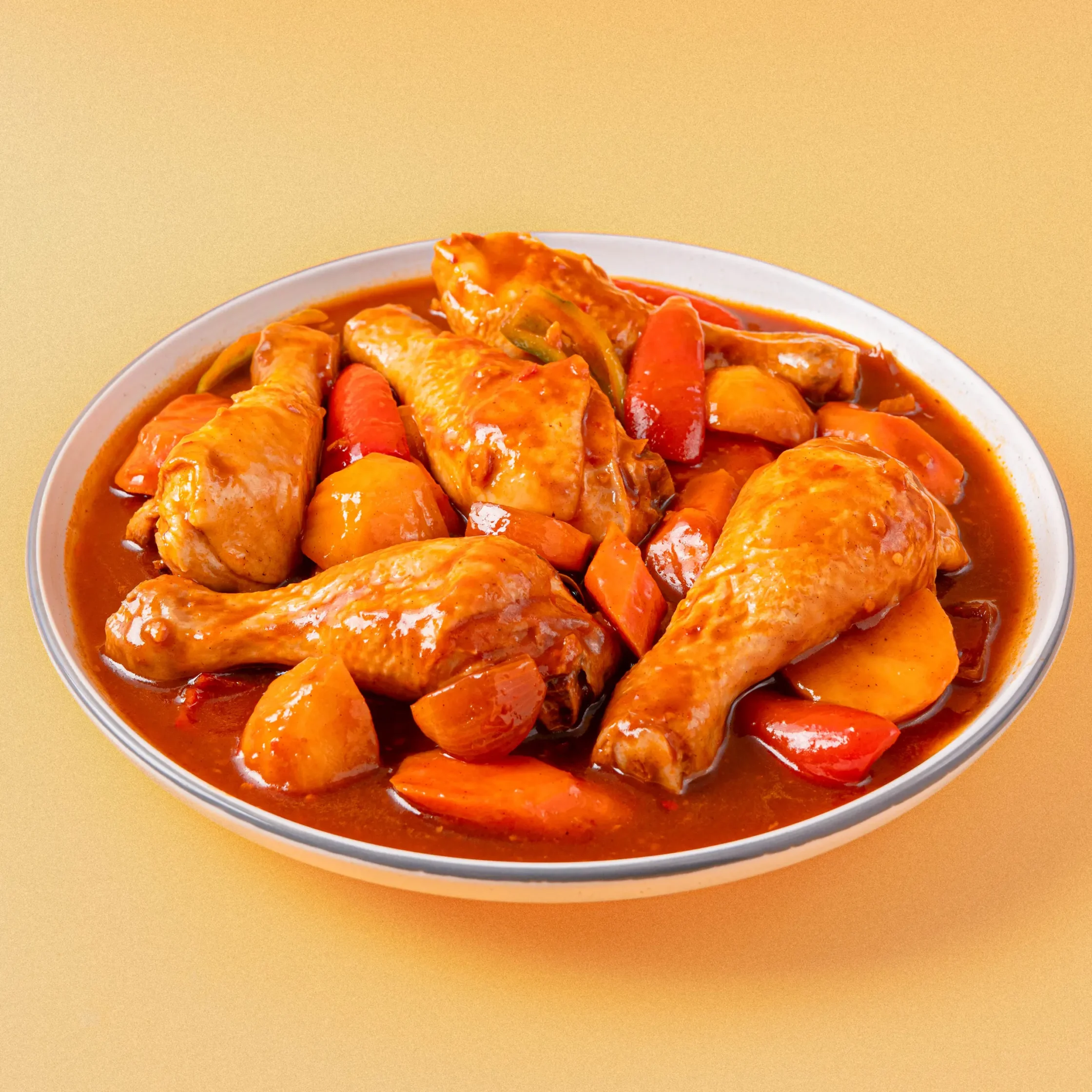
Sometimes less is more, and there’s no better example than afritada. Usually made with tender chicken or pork, the dish starts with browned meat before it’s simmered in tomato sauce and water with potatoes, carrots, and bell peppers.
Chicken Afritada by Ed Simon
Chicken Afritada [PHOTO: Ed Simon]

While it’s more complex cousins bring unmistakable tang and richness, afritada keeps its flavor relatively straightforward with a a mild tomato base that lets the meat and vegetables shine. No soy sauce, no liver—just a comforting stew that knows exactly what it’s doing.

4. Kaldereta

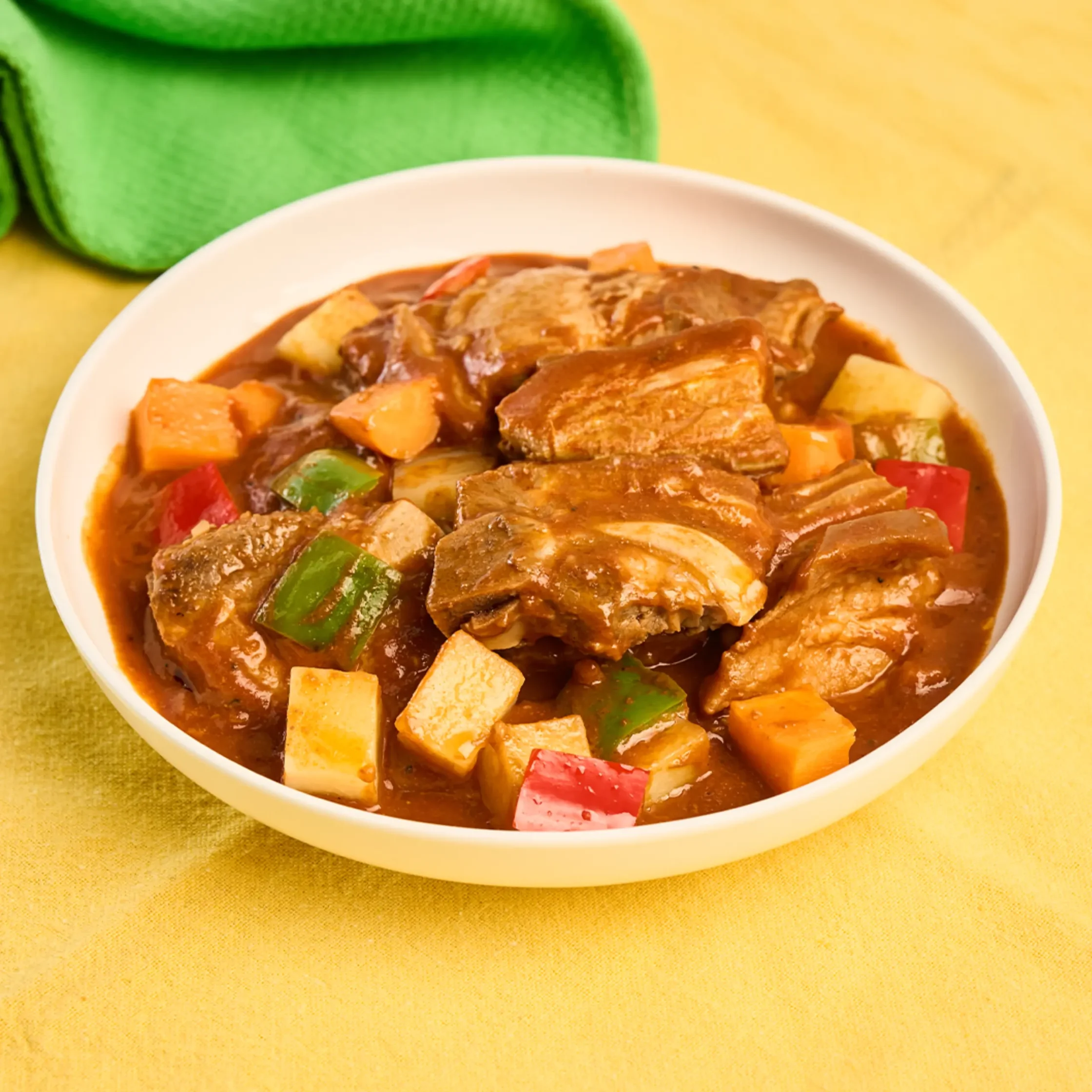
Kaldereta is the GOAT—and we mean that literally. Traditionally made with goat, or kambing, this rich and hearty dish uses liver spread to pack a flavorful punch. Beef may be the more familiar version today, but kalderetang kambing remains an important part of its story.
KALDERETANG MAY GATA by Kieran Punay
Kalderetang may Gata [PHOTO: Kieran Punay]

While it’s the liver spread that gives the sauce its signature richness, potatoes, carrots, and bell peppers add plenty of texture and flavor. Some recipes go even further with green olives, cheese, peanut butter, or coconut milk. Needless to say, kaldereta likes its tomato sauce with a little extra oomph.

5. Pochero

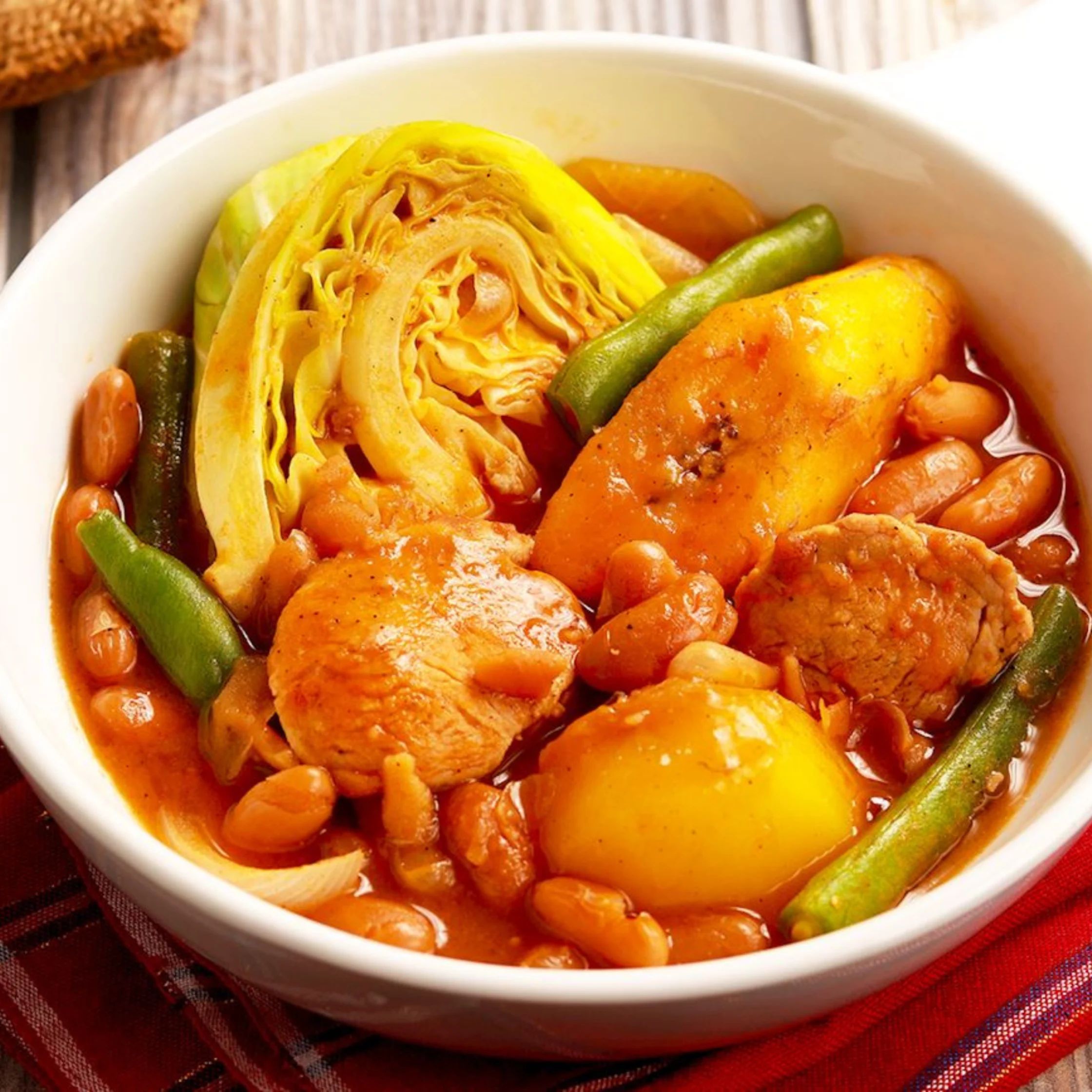
When it comes to tomato-based stews, pochero is the only one going bananas. Made with pork, chicken, or beef, the well-known Tagalog version brings saba bananas into the mix, along with pechay, potatoes, chickpeas or garbanzos, and sometimes chorizo.
Pochero PHOTO COURTESY OF Taste Atlas Official Website
Pochero [PHOTO COURTESY OF Taste Atlas Official Website]

The saba brings a touch of sweetness to balance the savory meat and tomato sauce. So while it may look like another red-sauced Filipino stew, one glimpse of those bananas and you know pochero is in the pot.

Stop Seeing Red

What makes one Filipino tomato-based stew different from another? Sometimes it’s a splash of citrus, a spoonful of liver spread, a handful of diced vegetables, or even a few slices of saba. Mechado, menudo, afritada, kaldereta, and pochero each have their own signature ingredients and flavors, even when they look almost identical at first glance.

So the next time you find yourself staring at a bowl of red-sauced stew, take a closer look. Because when it comes to these Filipino favorites, the difference isn’t just in the color—it’s in the details.

author avatar
Paolo Elwick
Paolo is a food writer and storyteller exploring the intersections of food, culture, and identity through thoughtful, people-centered storytelling. He believes that, second only to language, food is one of humanity's most powerful expressions of culture—a medium for preserving history, expressing identity, and coming to understand ourselves and connect with others. Drawn to the histories, traditions, and personal experiences behind every dish, his writing combines curiosity with emotional honesty, highlighting diverse voices and celebrating the communities that shape our food landscape. Influenced by writers and artists who embrace vulnerability and introspection, Paolo uses a reflective, metaphor-rich approach to uncover the deeper meanings found in everyday meals and shared tables. He is passionate about creating stories that foster empathy, preserve cultural narratives, and invite readers to see food as more than sustenance—as memory, identity, and belonging. Through his work, Paolo hopes to amplify underrepresented perspectives and spark meaningful conversations that extend far beyond the plate.

Frequently Asked Questions

Mechado is typically made with larger pieces of beef and is known for its savory, slightly sour flavor from a soy sauce and citrus marinade. Menudo uses smaller pieces of pork, along with liver and vegetables such as potatoes and carrots.

author avatar
Paolo Elwick
Paolo is a food writer and storyteller exploring the intersections of food, culture, and identity through thoughtful, people-centered storytelling. He believes that, second only to language, food is one of humanity's most powerful expressions of culture—a medium for preserving history, expressing identity, and coming to understand ourselves and connect with others. Drawn to the histories, traditions, and personal experiences behind every dish, his writing combines curiosity with emotional honesty, highlighting diverse voices and celebrating the communities that shape our food landscape. Influenced by writers and artists who embrace vulnerability and introspection, Paolo uses a reflective, metaphor-rich approach to uncover the deeper meanings found in everyday meals and shared tables. He is passionate about creating stories that foster empathy, preserve cultural narratives, and invite readers to see food as more than sustenance—as memory, identity, and belonging. Through his work, Paolo hopes to amplify underrepresented perspectives and spark meaningful conversations that extend far beyond the plate.

Menudo is characterized by diced pork and commonly includes liver, while afritada is generally simpler, using browned chicken or pork simmered in tomato sauce with potatoes, carrots, and bell peppers.

author avatar
Paolo Elwick
Paolo is a food writer and storyteller exploring the intersections of food, culture, and identity through thoughtful, people-centered storytelling. He believes that, second only to language, food is one of humanity's most powerful expressions of culture—a medium for preserving history, expressing identity, and coming to understand ourselves and connect with others. Drawn to the histories, traditions, and personal experiences behind every dish, his writing combines curiosity with emotional honesty, highlighting diverse voices and celebrating the communities that shape our food landscape. Influenced by writers and artists who embrace vulnerability and introspection, Paolo uses a reflective, metaphor-rich approach to uncover the deeper meanings found in everyday meals and shared tables. He is passionate about creating stories that foster empathy, preserve cultural narratives, and invite readers to see food as more than sustenance—as memory, identity, and belonging. Through his work, Paolo hopes to amplify underrepresented perspectives and spark meaningful conversations that extend far beyond the plate.

Kaldereta is known for its rich sauce, traditionally made with goat but commonly prepared with beef today. Liver spread is a characteristic ingredient, while some versions also include cheese, olives, peanut butter, or coconut milk.

author avatar
Paolo Elwick
Paolo is a food writer and storyteller exploring the intersections of food, culture, and identity through thoughtful, people-centered storytelling. He believes that, second only to language, food is one of humanity's most powerful expressions of culture—a medium for preserving history, expressing identity, and coming to understand ourselves and connect with others. Drawn to the histories, traditions, and personal experiences behind every dish, his writing combines curiosity with emotional honesty, highlighting diverse voices and celebrating the communities that shape our food landscape. Influenced by writers and artists who embrace vulnerability and introspection, Paolo uses a reflective, metaphor-rich approach to uncover the deeper meanings found in everyday meals and shared tables. He is passionate about creating stories that foster empathy, preserve cultural narratives, and invite readers to see food as more than sustenance—as memory, identity, and belonging. Through his work, Paolo hopes to amplify underrepresented perspectives and spark meaningful conversations that extend far beyond the plate.

Pochero is particularly recognizable for its use of saba bananas, which add sweetness to the savory meat and tomato sauce. It can also include pechay, potatoes, garbanzos, and sometimes chorizo.

author avatar
Paolo Elwick
Paolo is a food writer and storyteller exploring the intersections of food, culture, and identity through thoughtful, people-centered storytelling. He believes that, second only to language, food is one of humanity's most powerful expressions of culture—a medium for preserving history, expressing identity, and coming to understand ourselves and connect with others. Drawn to the histories, traditions, and personal experiences behind every dish, his writing combines curiosity with emotional honesty, highlighting diverse voices and celebrating the communities that shape our food landscape. Influenced by writers and artists who embrace vulnerability and introspection, Paolo uses a reflective, metaphor-rich approach to uncover the deeper meanings found in everyday meals and shared tables. He is passionate about creating stories that foster empathy, preserve cultural narratives, and invite readers to see food as more than sustenance—as memory, identity, and belonging. Through his work, Paolo hopes to amplify underrepresented perspectives and spark meaningful conversations that extend far beyond the plate.

Tomato sauce provides a versatile savory and slightly sweet base for Filipino stews. Different ingredients, seasonings, meats, and cooking techniques allow dishes such as mechado, menudo, afritada, kaldereta, and pochero to develop distinct flavors despite their similar appearance.

author avatar
Paolo Elwick
Paolo is a food writer and storyteller exploring the intersections of food, culture, and identity through thoughtful, people-centered storytelling. He believes that, second only to language, food is one of humanity's most powerful expressions of culture—a medium for preserving history, expressing identity, and coming to understand ourselves and connect with others. Drawn to the histories, traditions, and personal experiences behind every dish, his writing combines curiosity with emotional honesty, highlighting diverse voices and celebrating the communities that shape our food landscape. Influenced by writers and artists who embrace vulnerability and introspection, Paolo uses a reflective, metaphor-rich approach to uncover the deeper meanings found in everyday meals and shared tables. He is passionate about creating stories that foster empathy, preserve cultural narratives, and invite readers to see food as more than sustenance—as memory, identity, and belonging. Through his work, Paolo hopes to amplify underrepresented perspectives and spark meaningful conversations that extend far beyond the plate.
paolo elwick delish ph food writer

Paolo Elwick

Writer

Paolo is a food writer and storyteller exploring the intersections of food, culture, and identity through thoughtful, people-centered storytelling. He believes that, second only to language, food is one of humanity's most powerful expressions of culture—a medium for preserving history, expressing identity, and coming to understand ourselves and connect with others. Drawn to the histories, traditions, and personal experiences behind every dish, his writing combines curiosity with emotional honesty, highlighting diverse voices and celebrating the communities that shape our food landscape. Influenced by writers and artists who embrace vulnerability and introspection, Paolo uses a reflective, metaphor-rich approach to uncover the deeper meanings found in everyday meals and shared tables. He is passionate about creating stories that foster empathy, preserve cultural narratives, and invite readers to see food as more than sustenance—as memory, identity, and belonging. Through his work, Paolo hopes to amplify underrepresented perspectives and spark meaningful conversations that extend far beyond the plate.

0 0 votes
Total of Ratings
guest
Rating
Ratings for Article
0 Comments
Oldest
Newest Most Voted

To provide a customized ad experience, we need to know if you are of legal age in your region.

By making a selection, you agree to our Terms & Conditions.