There’s something ironic about paying thousands of pesos for a meal and getting excited over something you’d had a thousand times before, or worse, an ingredient you’d probably walk past at the palengke.
Take rice. At home, it’s our favorite ulamUlamThe main dish eaten with rice, whether meat, fish, or vegetables, and the centerpiece of a Filipino meal. From adobo to sinigang, an ulam is designed to pair with rice,Go to Ulam Glossary’s dependable sidekick. We rinse, cook, and serve it almost automatically—so it rarely gets top billing on an ingredients list. But put it on a Michelin-recognized restaurant’s tasting menu, give it a few thoughtful twists, and suddenly everyone’s asking questions.
And while the grain itself hasn’t changed, our willingness to look at it differently has.
This isn’t unique to rice. Across the Philippines, everyday cooking staples can sometimes seem unremarkable or inexpensive until a restaurant presents them as something worth drooling over—and for a country with such a rich variety of local produce and regional food traditions, this feels like a head-scratching contradiction.
Because why does recognition from a fine-dining restaurant give an ingredient more value compared to when it’s cooked in our own ragtag kitchens?
Why Local Ingredients Get Less Respect Than Imported Ones
Think about asin tibuok, the traditional salt from Bohol known for its distinctive, egg-like shape and labor-intensive production. Or batwan, a sour fruit commonly used in parts of Western Visayas. Even bagoong and ginamos bring layers of savory depth to Filipino cooking. Yet, all of these rarely receive any special attention, and at worst, some are even in danger of being completely forgotten.
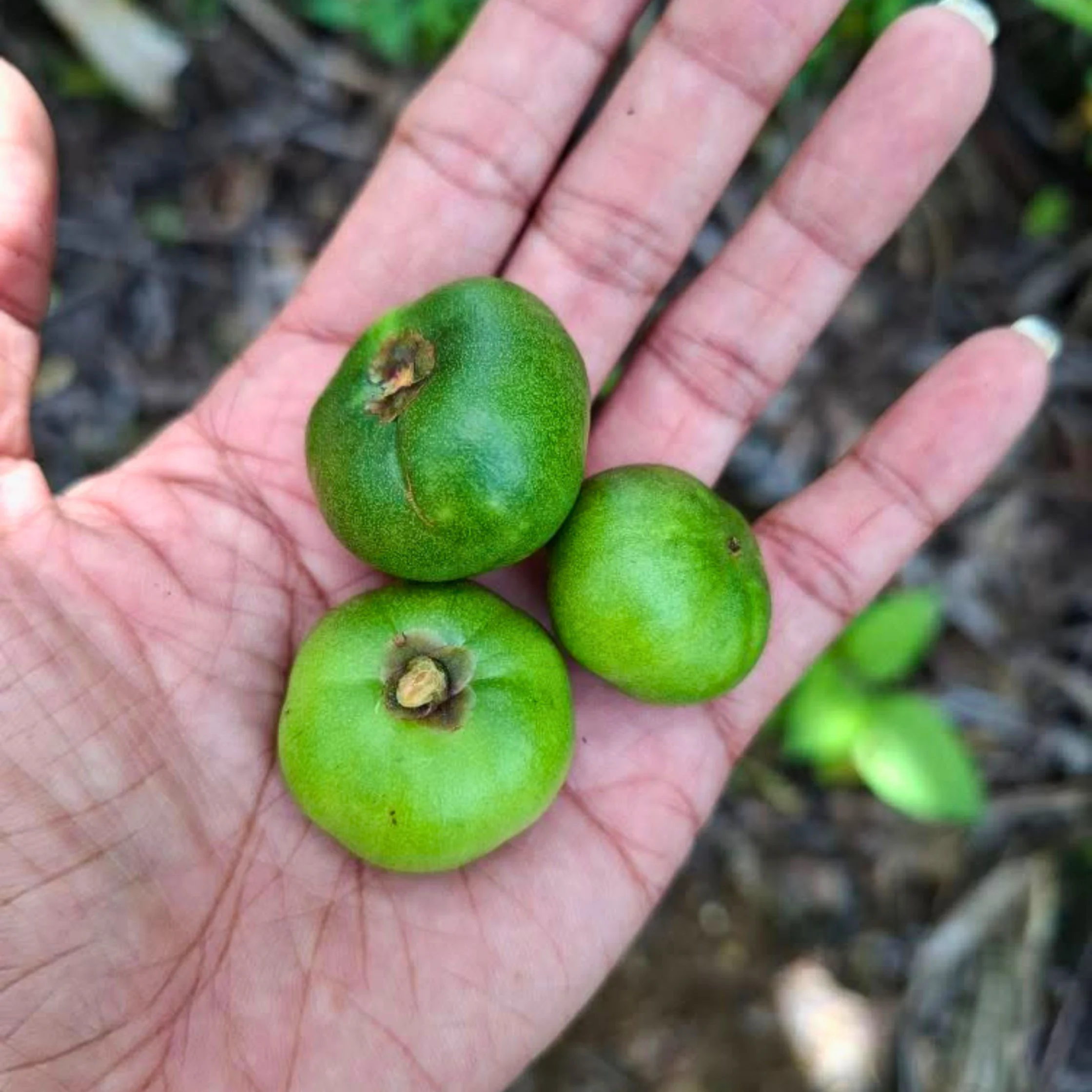
And the sad part is that these aren’t burgeoning culinary treasures. They’ve been part of our markets, kitchens, and regional food traditions for decades, but familiarity has a way of making things seem ordinary. When we’ve grown up eating an ingredient, we may know exactly what it’s for without stopping to consider the work, history, or knowledge behind it.
Price and prestige influence our perceptions too. Imported ingredients can carry an air of luxury because they’re associated with particular cuisines, premium branding, or the difficult process of sourcing. Local ingredients, meanwhile, are judged by how affordable or readily available they can be—but an ingredient’s price doesn’t tell its whole story. The labor involved in producing it, the knowledge required to use it well, and its connection to a particular place all contribute to its value.

Fine dining can bring those details into focus. A chef might use batwan in an unexpected sauce, incorporate bagoongBagoongA salty, umami-rich paste of fermented fish or shrimp, central to Filipino cooking. It seasons stews like pinakbet, tops green mango, and accompanies kare-kare, while the sautéed version, bagoong alamang,Go to Bagoong Glossary into a complex preparation, or explore the flavor of a traditional salt beyond its usual role. Then all of a sudden, we’re thinking about an ingredient we’ve used for years in an entirely new way—which is fine as long as we don’t assume that the ingredient is only special once someone puts it on a carefully arranged plate.
What Fine Dining Does Differently
Fine dining isn’t simply home cooking with smaller portions and a bigger bill. Skilled chefs spend time experimenting with ingredients, developing techniques, and finding combinations that reveal flavors or textures we might not have noticed before. A tasting menu also gives them room to tell a story across several courses, allowing diners to explore an ingredient from different angles.
I saw this firsthand at Gallery by Chele, where heirloom rice took on roles I wouldn’t ordinarily associate with the everyday grain. It appeared in the restaurant’s homemade mirin for its Mirin Kinilaw and as buro. Across the menu, rice was transformed into different preparations and used to shape the flavors and textures of the dishes, rather than simply arriving on the side.
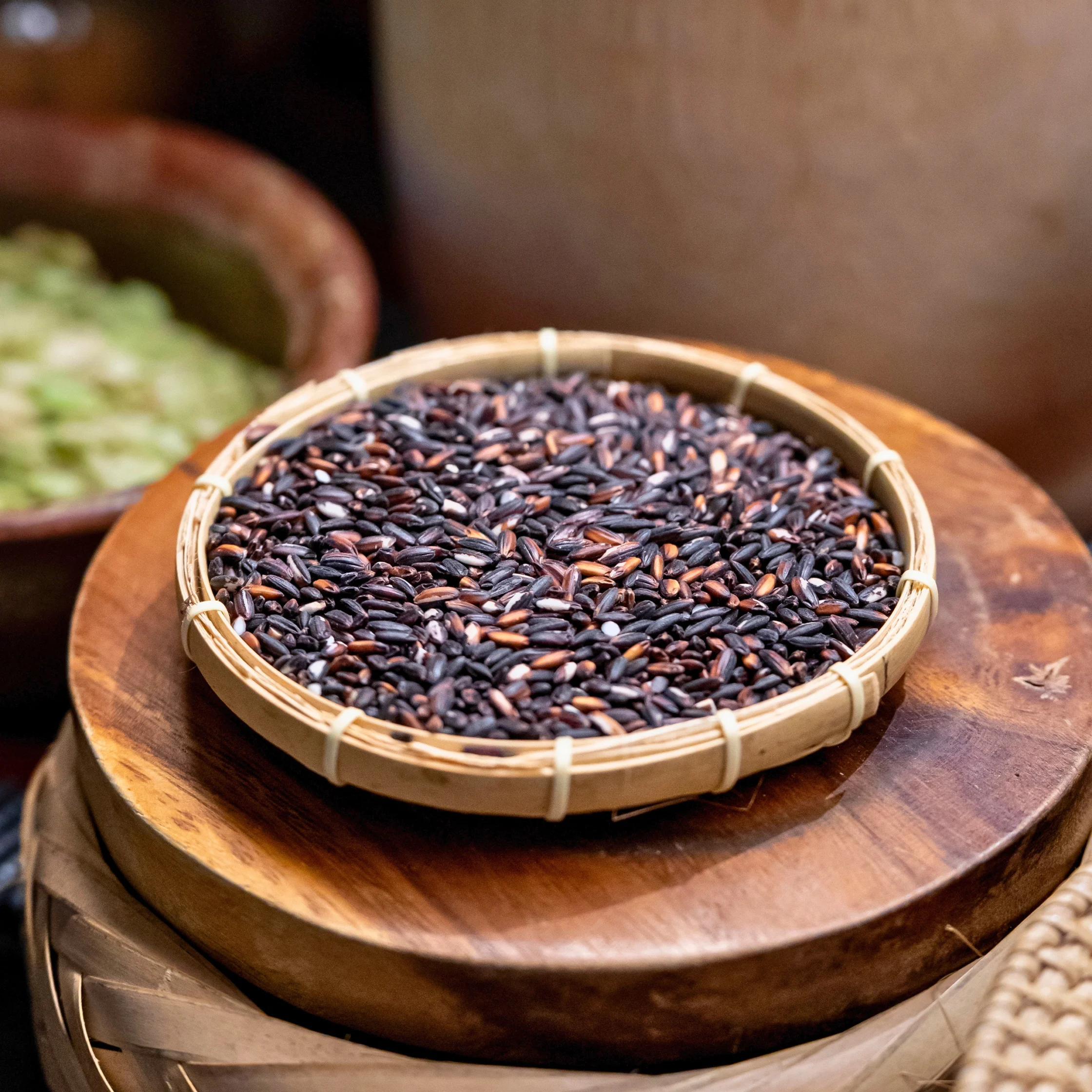
The restaurant’s Heirloom Rice menu also highlights the different varieties from the Cordillera, reminding diners that rice isn’t one uniform ingredient. It’s a simple but effective shift in perspective, turning an ingredient we tend to take for granted into something worth fawning over.
That attention matters outside of the dining room. When restaurants source heirloom rice directly from farmers and pay fair prices, they can help create demand for varieties and farming traditions that might otherwise struggle to find a market. The value of the ingredient, then, isn’t just in how a chef prepares it, but in the people and knowledge behind it.
The same principle applies to other local ingredients. A chef can give asin tibuok, batwan, or ginamos new context, but the history and expertise that make these ingredients distinct existed long before they even entered an award-winning kitchen.
Why Imported Ingredients Get More Prestige
Our relationship with food is shaped by more than taste as social class, history, and ideas about sophistication influence what we consider desirable.
In the Philippines, colonial history is one part of that conversation, though it doesn’t explain every food preference. Centuries of cultural exchange continue to shape our cuisine, and enjoying foreign ingredients is hardly incompatible with appreciating Filipino food. Still, imported products and international culinary styles can sometimes be treated as automatic markers of quality, while familiar local ingredients are dismissed as ordinary.
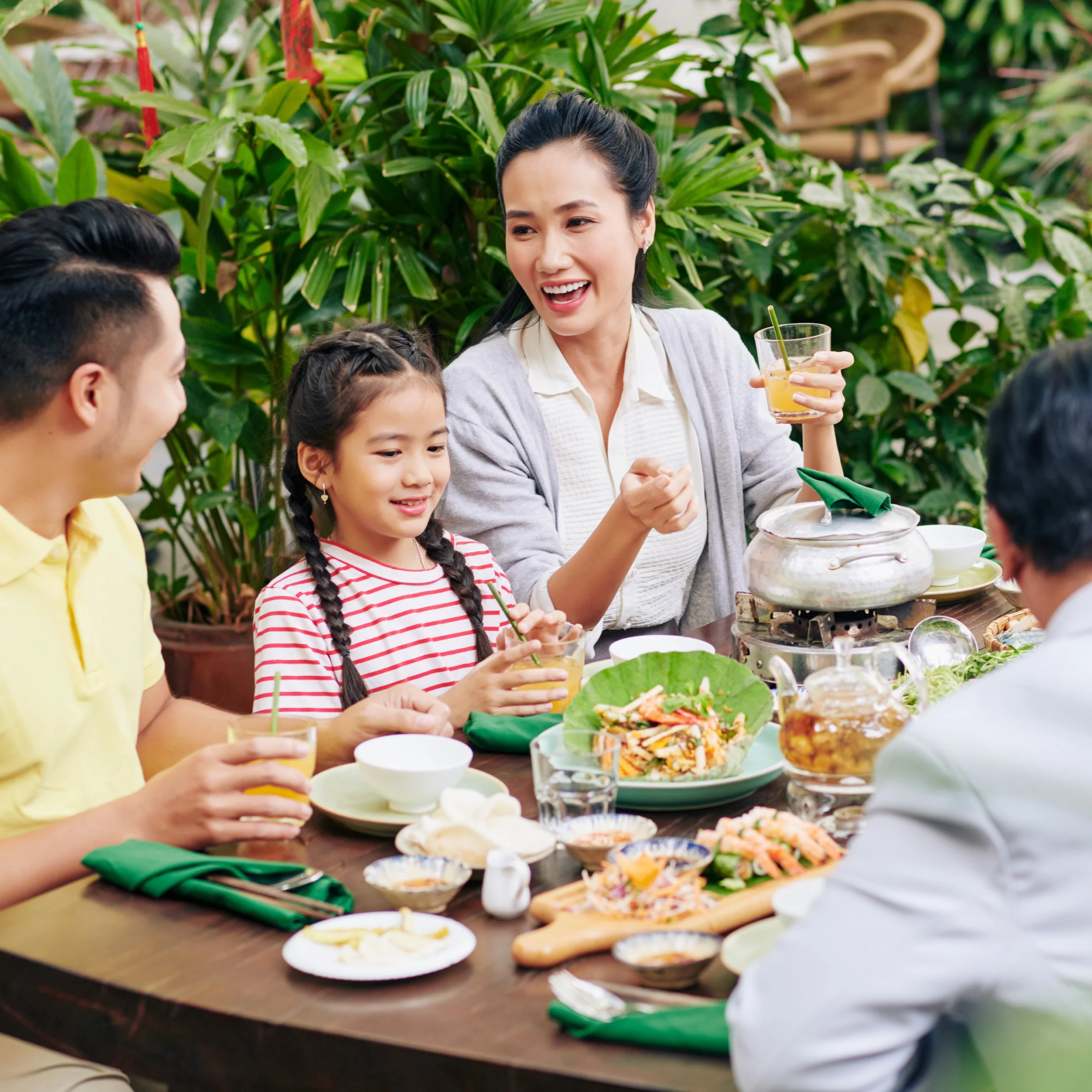
That mindset can leave us overlooking the expertise already present in Filipino cooking. Home cooks know how to balance the acidity of a souring agent, use fermented fish paste to build savory depth, or make a simple ingredient work in several different dishes. Similarly, farmers and producers carry knowledge about growing, harvesting, and processing ingredients that restaurants depend on. These skills may not always come with elaborate descriptions or prestigious price tags, but they’re valuable all the same.
A fine-dining restaurant can offer a fresh perspective on an ingredient, but it shouldn’t have to be the first place we recognize its worth.
Filipino Ingredients Were Already Valuable
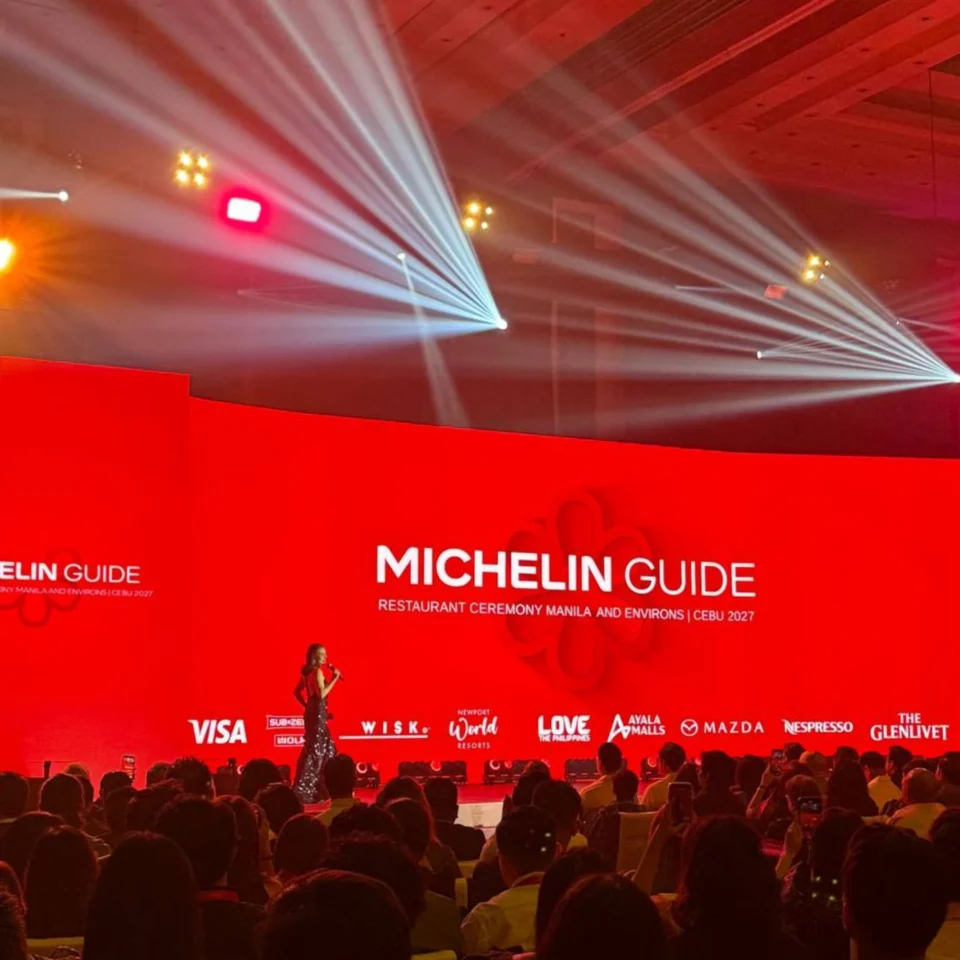
The Michelin Guide’s arrival in the Philippine dining scene adds another layer to this conversation. Its recognition can introduce restaurants to a wider audience, draw attention to chefs exploring local ingredients, and encourage diners to discover regional cuisines they otherwise may have glossed over.
A Michelin star is awarded to a restaurant based on the quality of its cooking, with inspectors considering factors such as ingredient quality, mastery of technique, harmony of flavors, the personality of the cuisine, and consistency. It isn’t an award for a particular ingredient, nor is it a ranking of an entire country’s food culture.
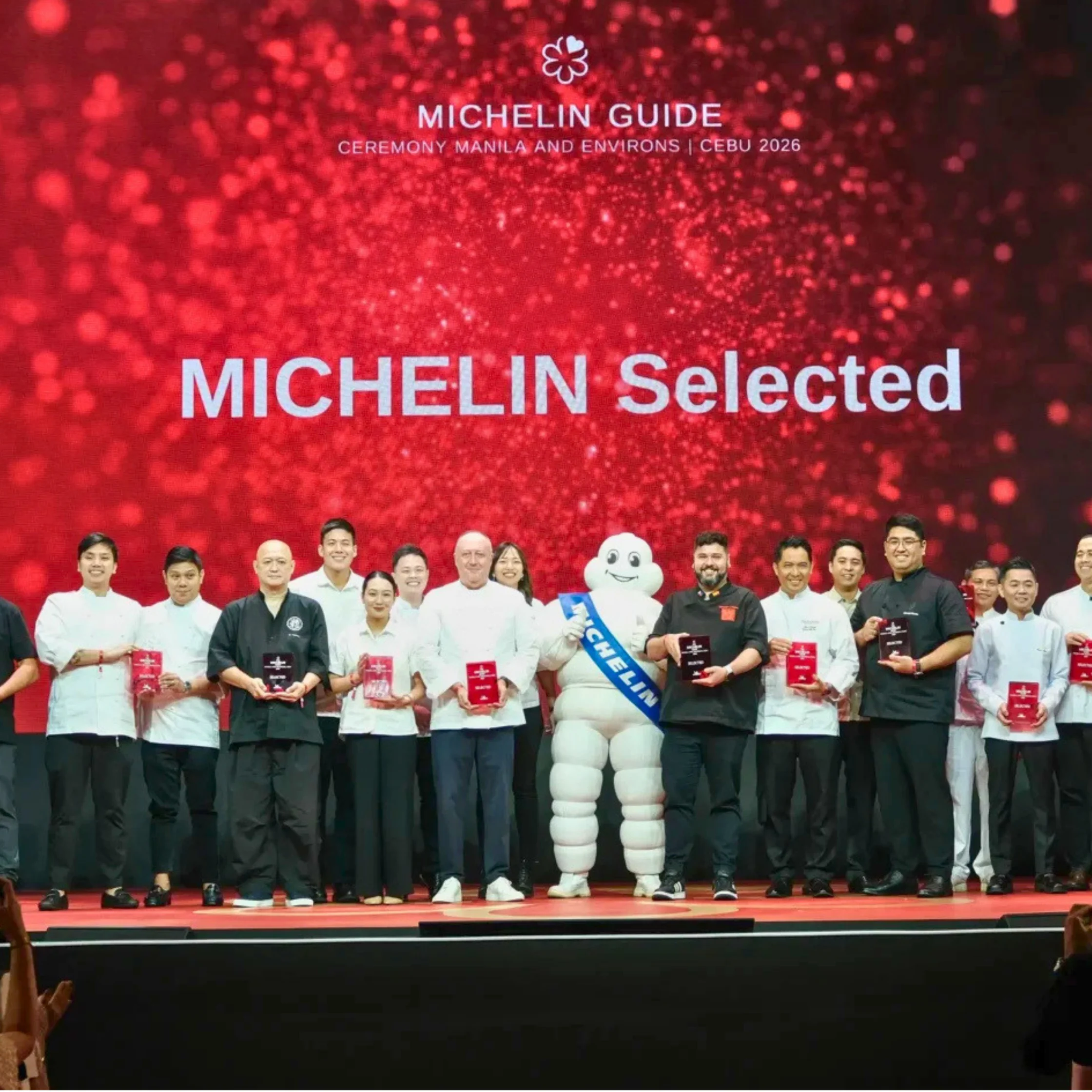
Still, the influence of the guide can be significant. International recognition may help restaurants attract customers and create new opportunities for the producers supplying them. When local ingredients become central to acclaimed dining experiences, more people may become curious about where they come from and how they’re used. But recognition can only go so far.
The Philippines has countless regional dishes, neighborhood eateries, market vendors, and family kitchens that contribute to its food culture. They don’t need Michelin recognition to be worthy of attention, so there’s danger in treating an international accolade as permission to appreciate something that’s been part of our lives all along. Because if we only become excited about heirloom rice after encountering it on a celebrated menu, we’re still letting someone else decide what’s worth celebrating.
The Value Was There All Along
There’s nothing wrong with paying more for a thoughtful dining experience or enjoying the creativity of a chef who sees new possibilities in a familiar ingredient. But the goal isn’t to make every local product expensive or turn everyday food into something exclusive.
It’s to recognize that its value comes in different forms. An ingredient can be affordable and culturally significant, a traditional preparation can be simple and unsophisticated, and a dish cooked at home can carry knowledge or care, even if it looks nothing like what’s served in a restaurant.
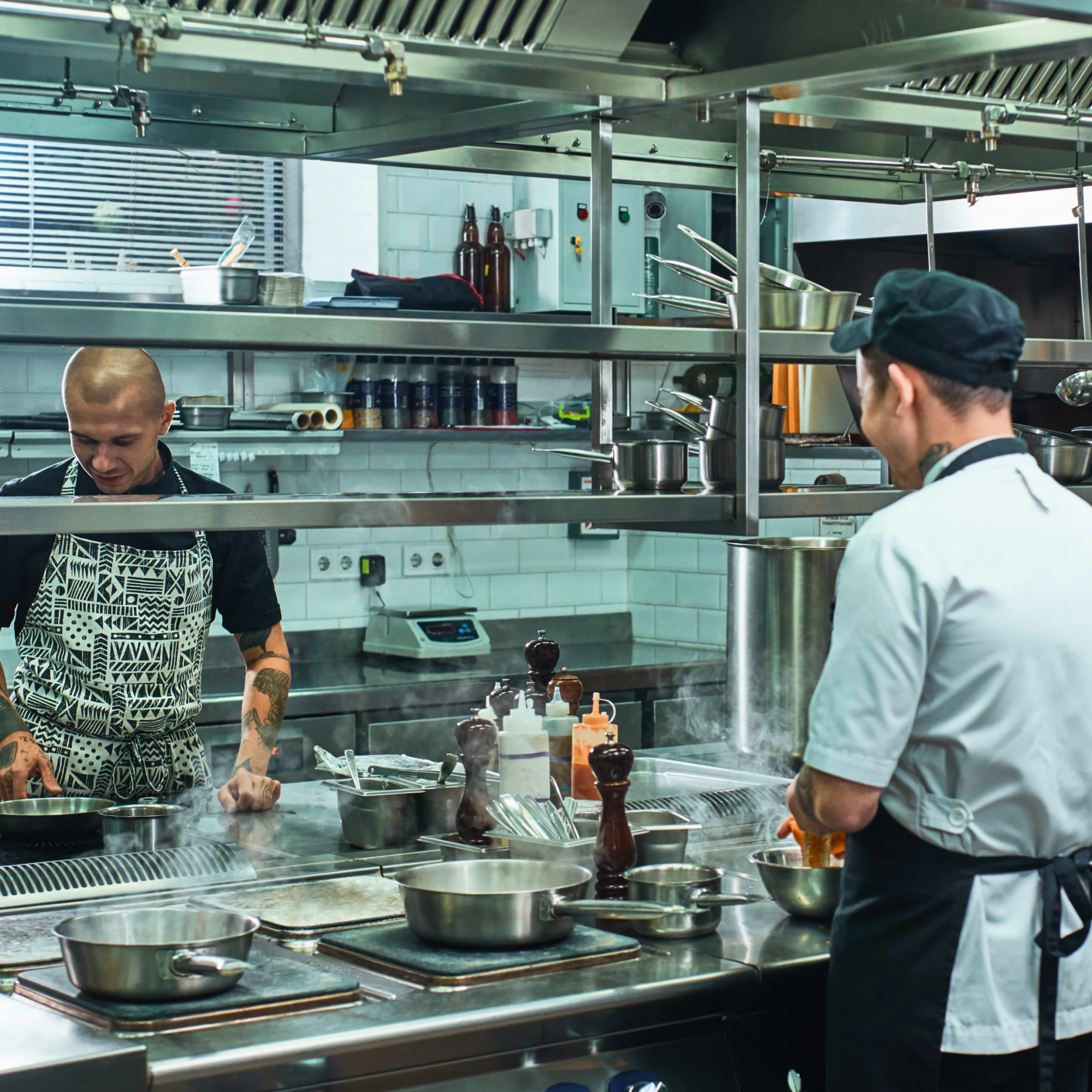
Fine dining and Michelin can encourage us to look more closely at what we already have, but that appreciation should extend beyond the restaurant table to the farmers, fishers, producers, and home cooks who keep these ingredients and traditions alive.
Rice doesn’t need a rebrand. Neither does asin tibuok, batwan, etag, bagoongBagoongA salty, umami-rich paste of fermented fish or shrimp, central to Filipino cooking. It seasons stews like pinakbet, tops green mango, and accompanies kare-kare, while the sautéed version, bagoong alamang,Go to Bagoong Glossary, or ginamos. They may taste different in the hands of someone creative, but they didn’t just become valuable after a classically-trained chef decided to use them at their fancy restaurant.
So next time you sit down for a meal, whether at home or at the hottest new Michelin-recognized spot, take a moment to pay attention to what’s on your plate. Look beyond the presentation and the price tag, and think about the ingredients, the people behind them, and the traditions that brought them to your table.
Because that’s what makes them truly valuable—not the fancy plating or the recognition, but everything they’ve carried with them long before they ever made it onto the menu.

Frequently Asked Questions
Fine dining often presents familiar ingredients through creative techniques, thoughtful plating, and detailed storytelling. This can help diners appreciate their flavors, origins, and cultural significance in new ways, even though their value existed long before they appeared on a tasting menu.
Recognizing local ingredients beyond restaurants helps acknowledge the farmers, fishers, producers, and home cooks who preserve Filipino food traditions. Their knowledge and contributions matter regardless of whether an ingredient appears in an elaborate tasting menu or an everyday home-cooked meal.
Asin tibuok is a traditional artisanal salt from Bohol known for its distinctive, egg-like shape and labor-intensive production process. It is an example of a local ingredient whose craftsmanship and cultural history extend beyond its everyday culinary use.
Batwan is a souring fruit commonly used in Western Visayas, particularly in regional dishes such as kansi and other sour soups. It adds acidity and depth to dishes, demonstrating how local ingredients can shape the character of regional Filipino cuisine.
Fine-dining restaurants can introduce local ingredients to new audiences by highlighting their flavors, origins, and versatility. When restaurants also source responsibly and pay producers fairly, they can help create demand for local crops and traditional food products.