It’s a curious but notable fact that in the Philippines, even the act of mourning loved ones that have passed involves food. That is, at wakes (lamay), it’s common for the bereaved family to offer eats and nibbles, served buffet-style on a spread that’s free for the guests’ taking. In many ways it’s an extension of the local love of food, especially food that’s shared communally.
These are some of the snacks and sips that keep guests company at wakes, designed to keep people from going hungry or thirsty while making small talk with other guests, playing card games, or mourning in solitude.
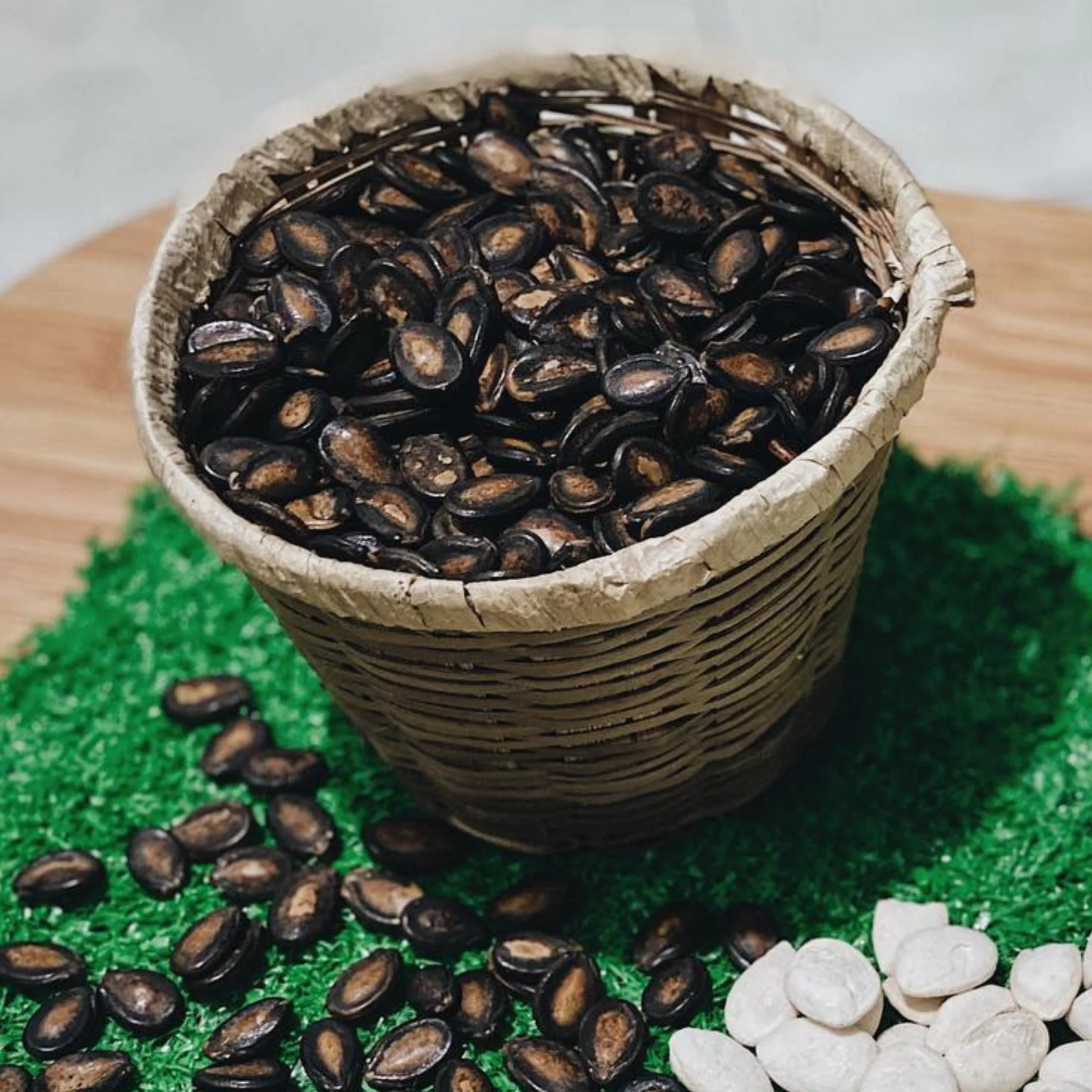
Butong Pakwan
Perhaps because it takes a while to peel and eat, butong pakwan or roasted watermelon seeds are perfect for nibbling on while playing games or in between talks with other visitors.
Crackers and Biscuits
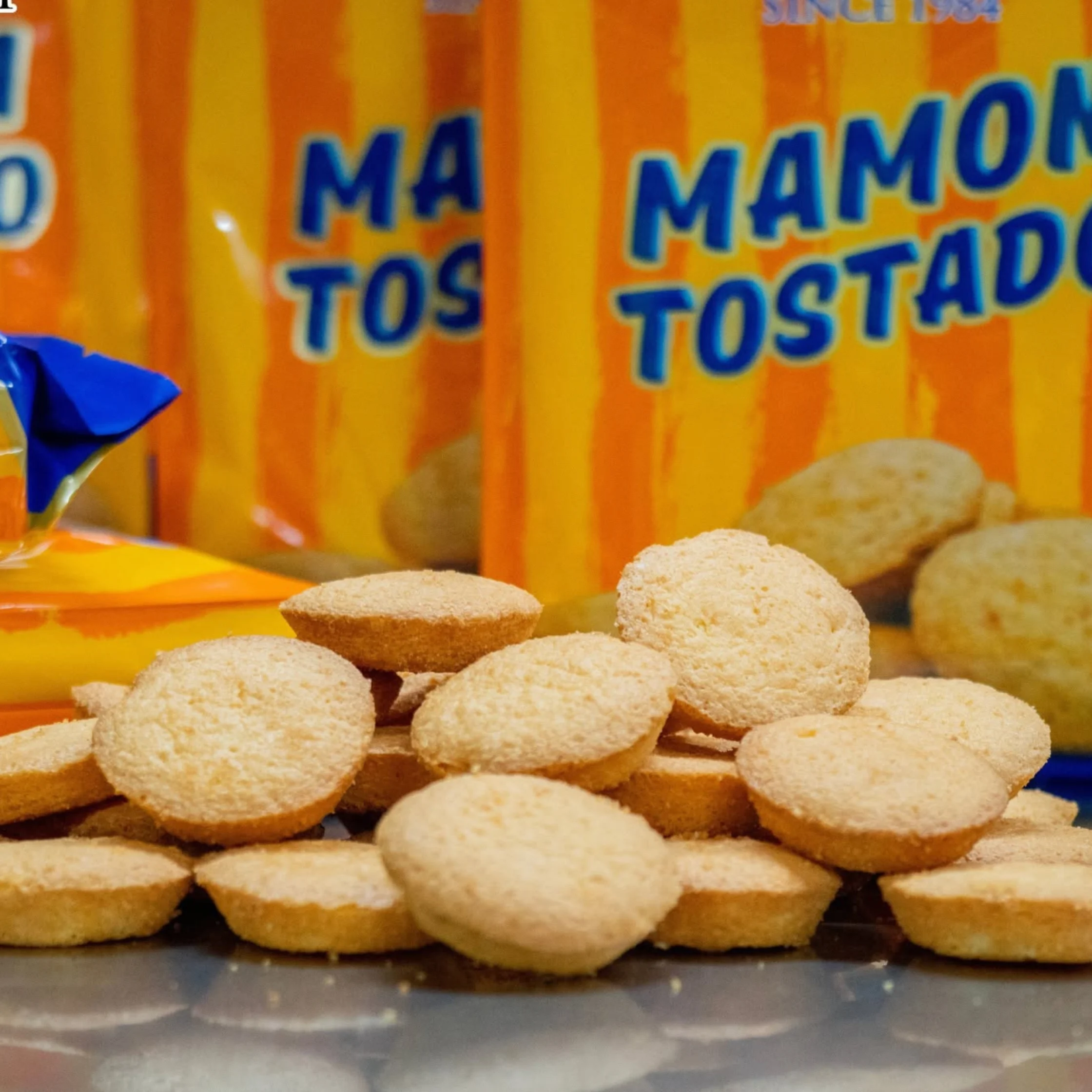
There will almost always be crackers and biscuits: soda crackers, Marie biscuits, mamon tostado, and so on, either individually wrapped or served from big tubs. Crispy with just the right amount of sweetness and saltiness, they’re precisely the kind of snack that pleases all ages—picky kids and elderly folks included.
Mani or Peanuts
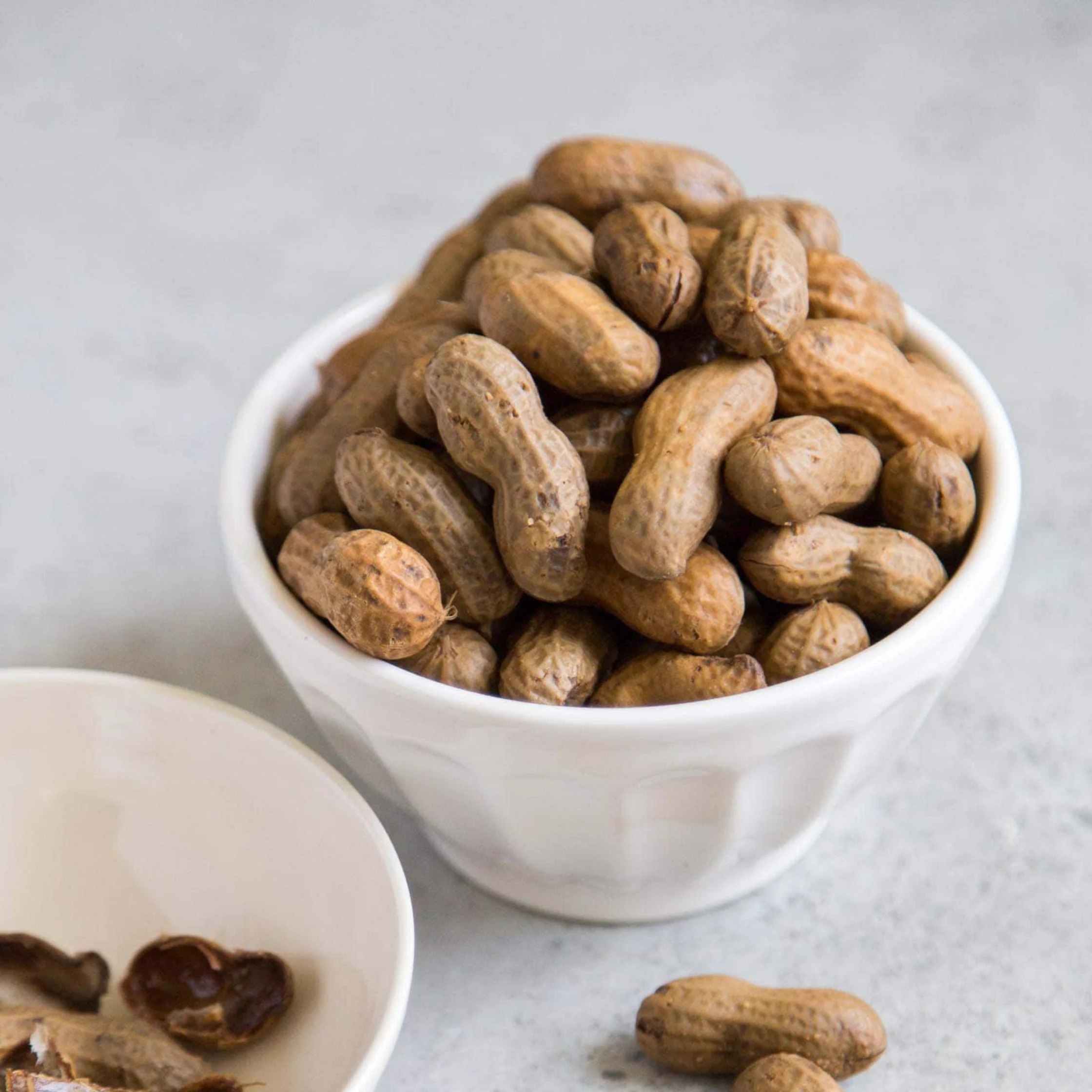
Another well-loved crunchy snack you’re bound to see at a wake is peanuts, usually in single-serve, individually wrapped packages. They’re crunchy, fairly filling, and better for you than most packaged snacks.
Juice Drinks
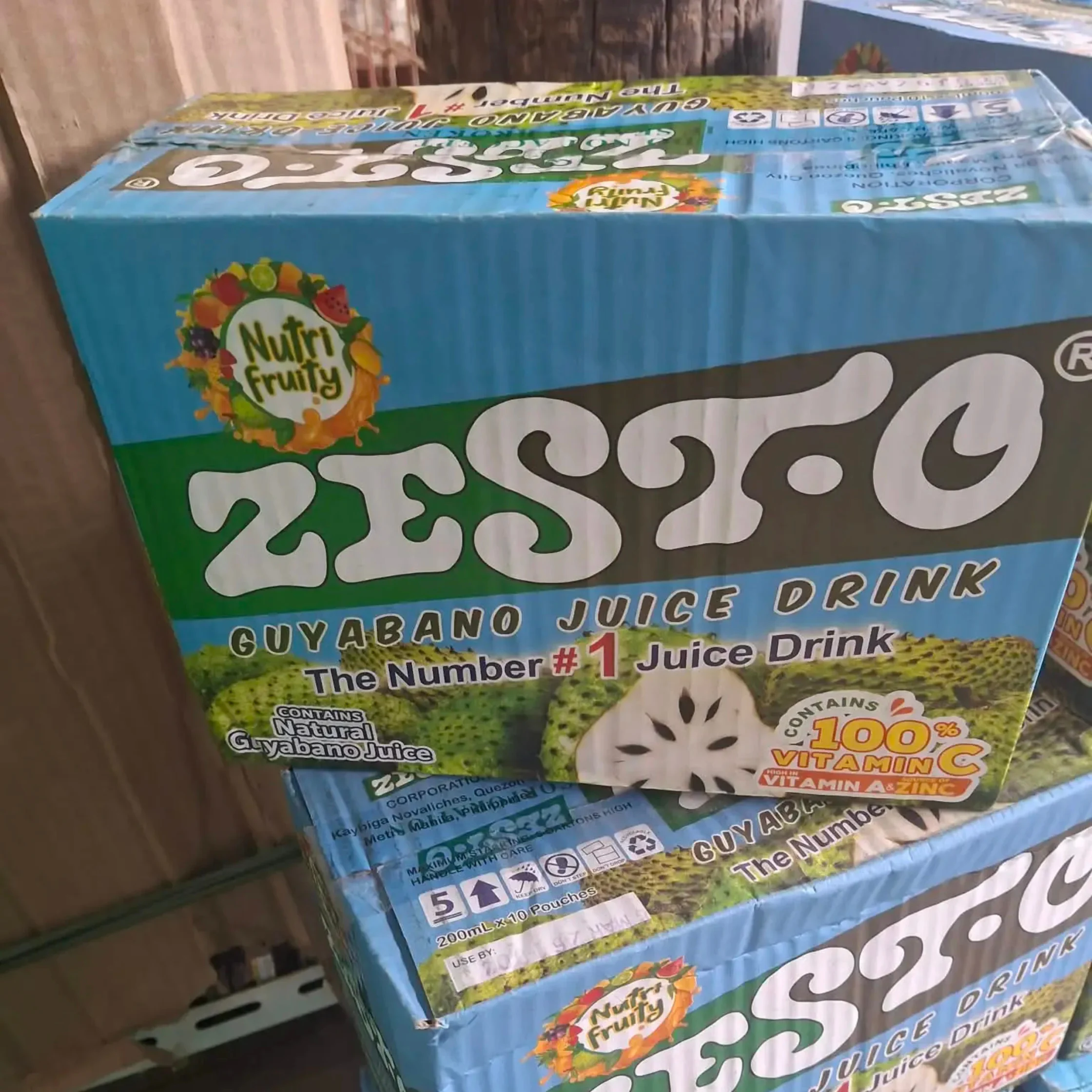
For refreshments, individually wrapped, ready-to-drink juice drinks (e.g. Zesto) are the typical choice at wakes. They’re budget-friendly and come in a bunch of flavors so there’s something for everyone.
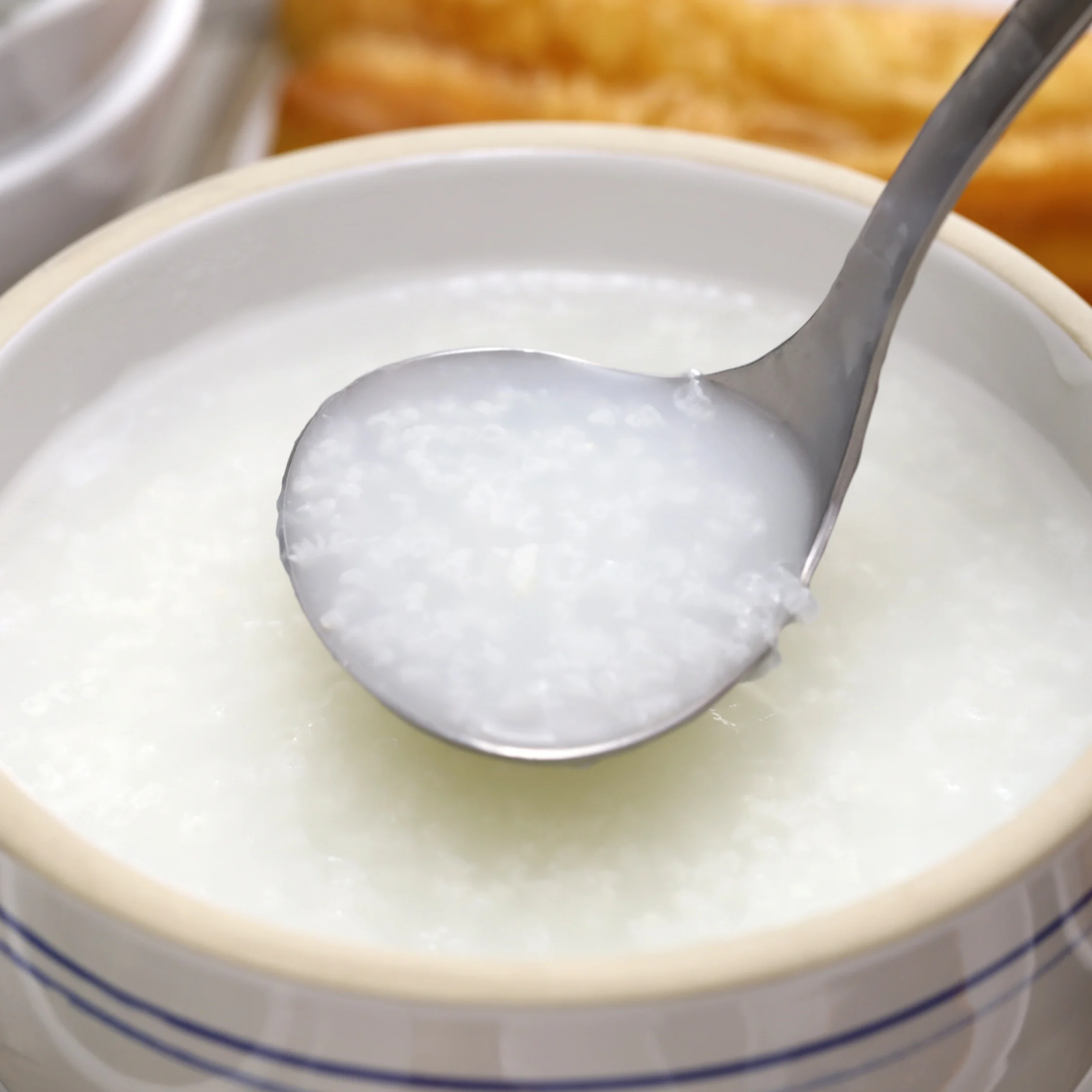
Lugaw or Arroz Caldo
Few foods soothe the stomach like a bowl of porridge. Warm and stick-to-your-ribs levels of hearty, it’s just the thing to help cope with the grief when mourning.
Sopas
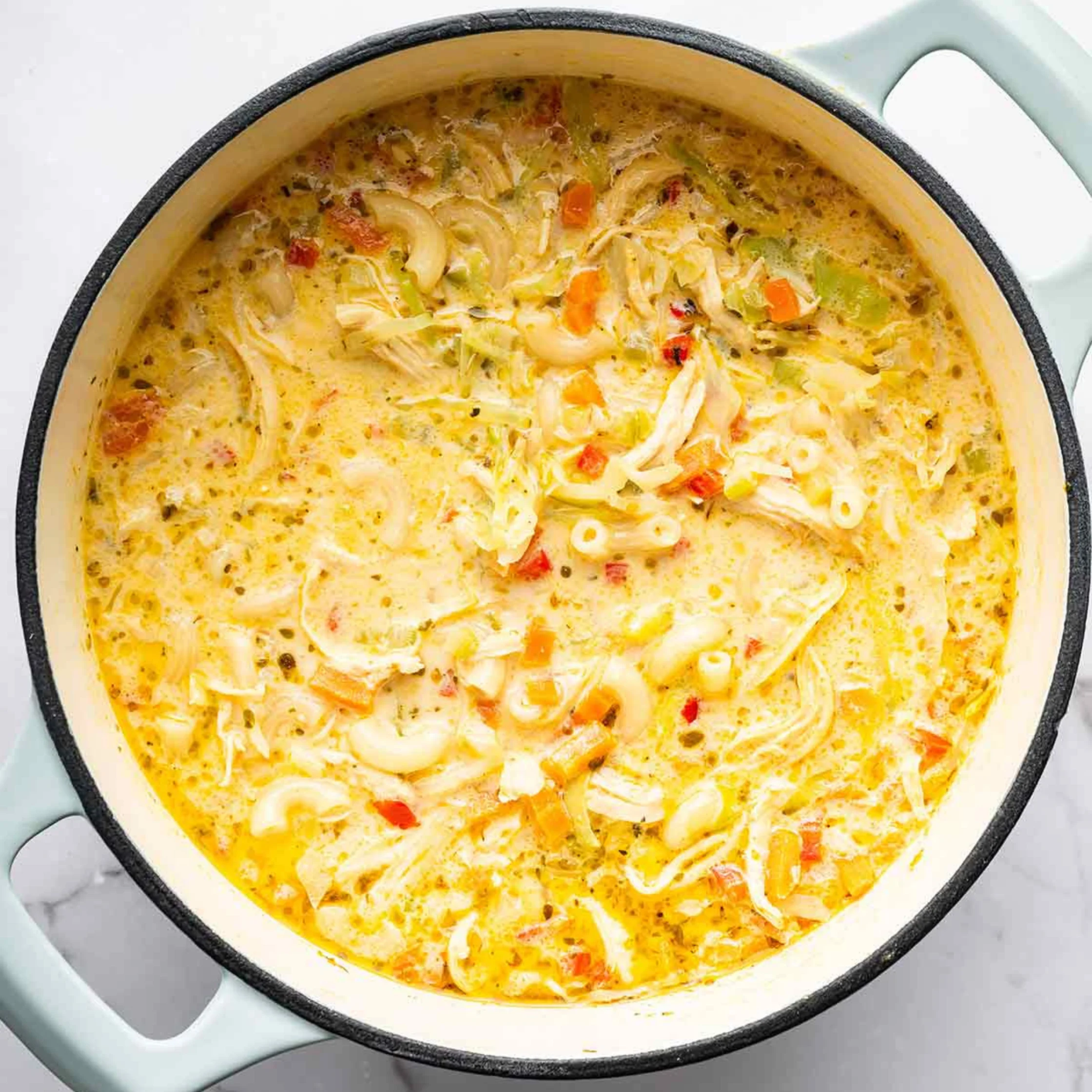
Also in the genre of hot foods served during wakes is sopas, ladled into small bowls or paper cups from a large pot. The combination of creamy soup, meaty shredded chicken, and soft (more often than not overcooked, but it works in this context) macaroni and veg is hard to beat, especially when mourning.
Pancit
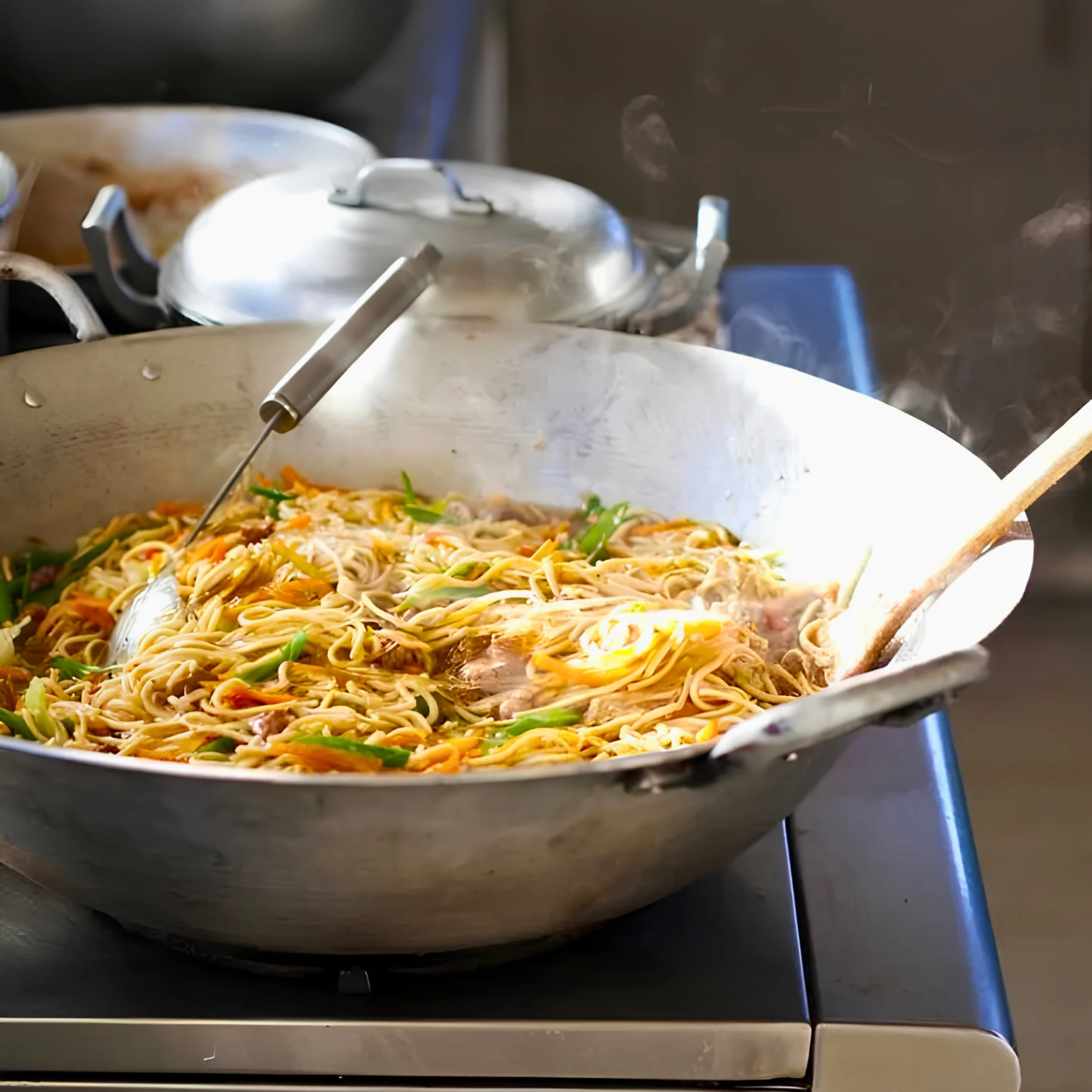
Though some believe it’s bad luck to be serving the noodle dish at wakes, some Filipinos do it anyway, the author’s paternal family included. PancitPancitThe Filipino noodle dish, symbolizing long life and traditionally served at birthdays. Varieties abound, from everyday bihon and canton to regional specialties such as Quezon's habhab and Cagayan's pancit batilGo to Pancit Glossary is known to symbolize long life; it also just tastes darn good, even when it’s cooled down to room temperature.
Savory Viands
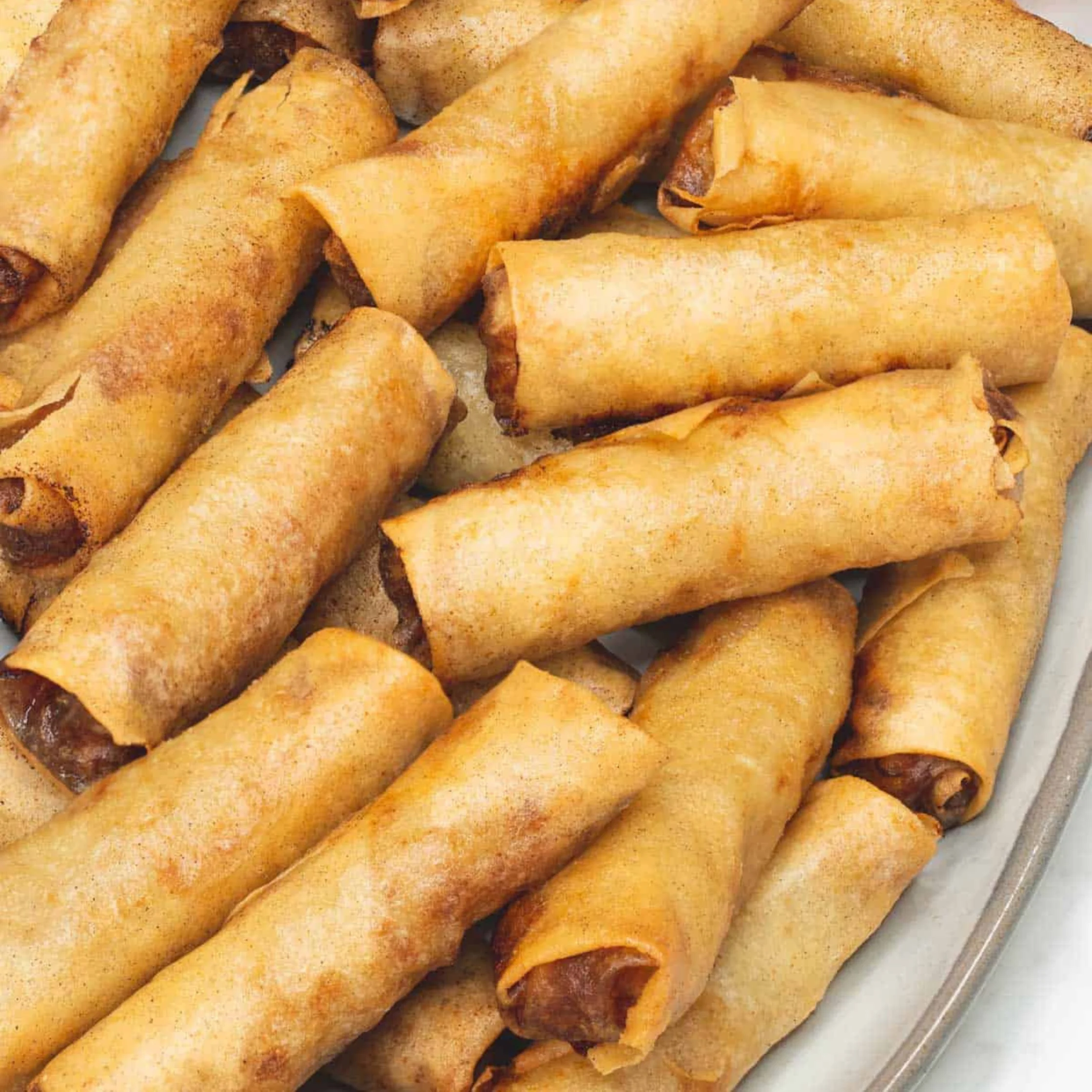
Savory viands (ulamUlamThe main dish eaten with rice, whether meat, fish, or vegetables, and the centerpiece of a Filipino meal. From adobo to sinigang, an ulam is designed to pair with rice,Go to Ulam Glossary) and rice are also served, to help feed visitors staying at the lamay for a longer period of time. Adobo, menudo, and lumpiang shanghai are just some of the typical options.
Candy
A selection of individually wrapped hard candies will often be part of the spread, for low-key snacking that makes practically no noise and produces no smell.

Baked Goods
Mamon, ensaymada, egg pie, and other baked treats are an almost inevitable sight at wakes. Often these are purchased from bakery chains, which sell them individually wrapped for easy serving. They’re just the right amount of sweet that they feel like a treat without leaving guests too full to have a proper meal after.
Kakanin
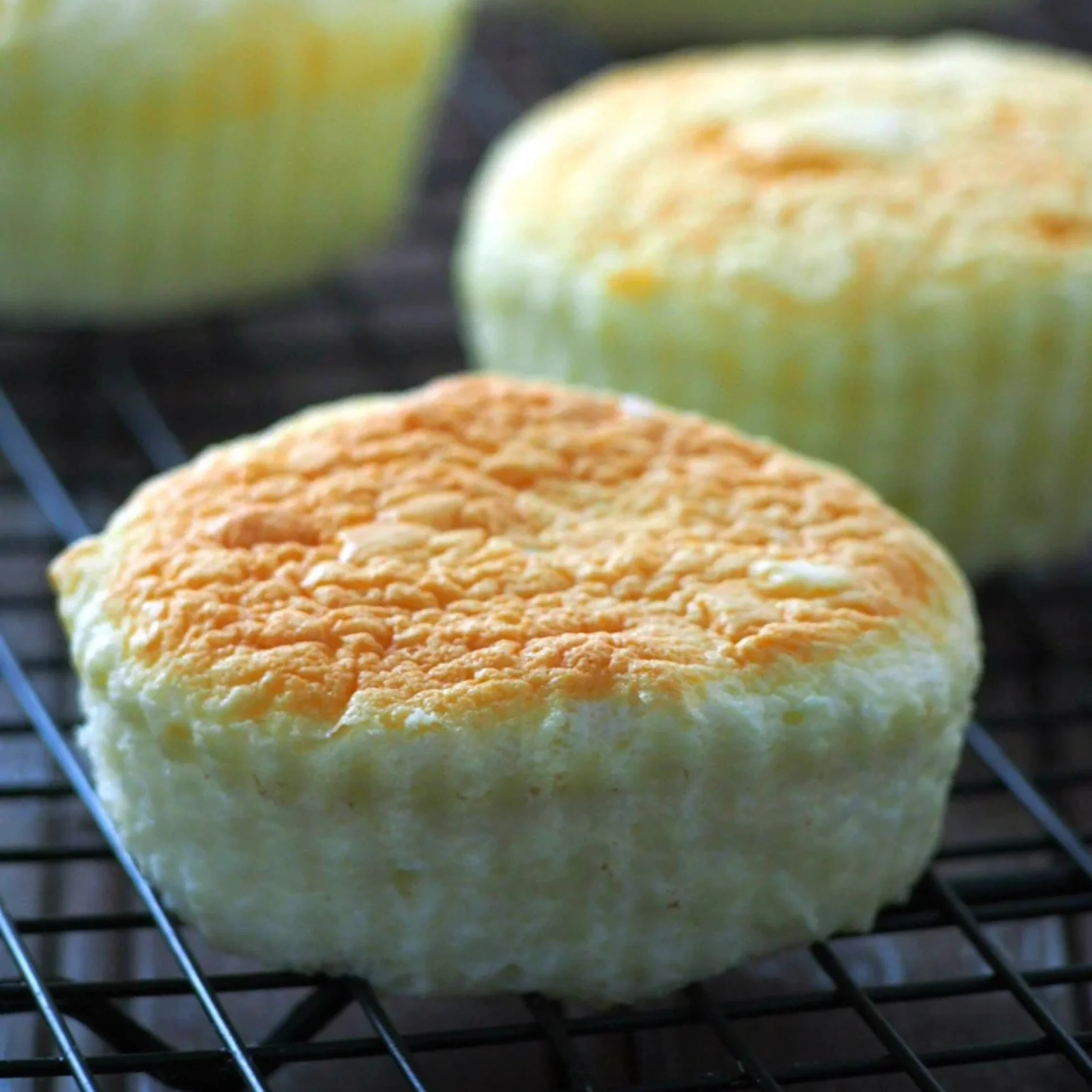
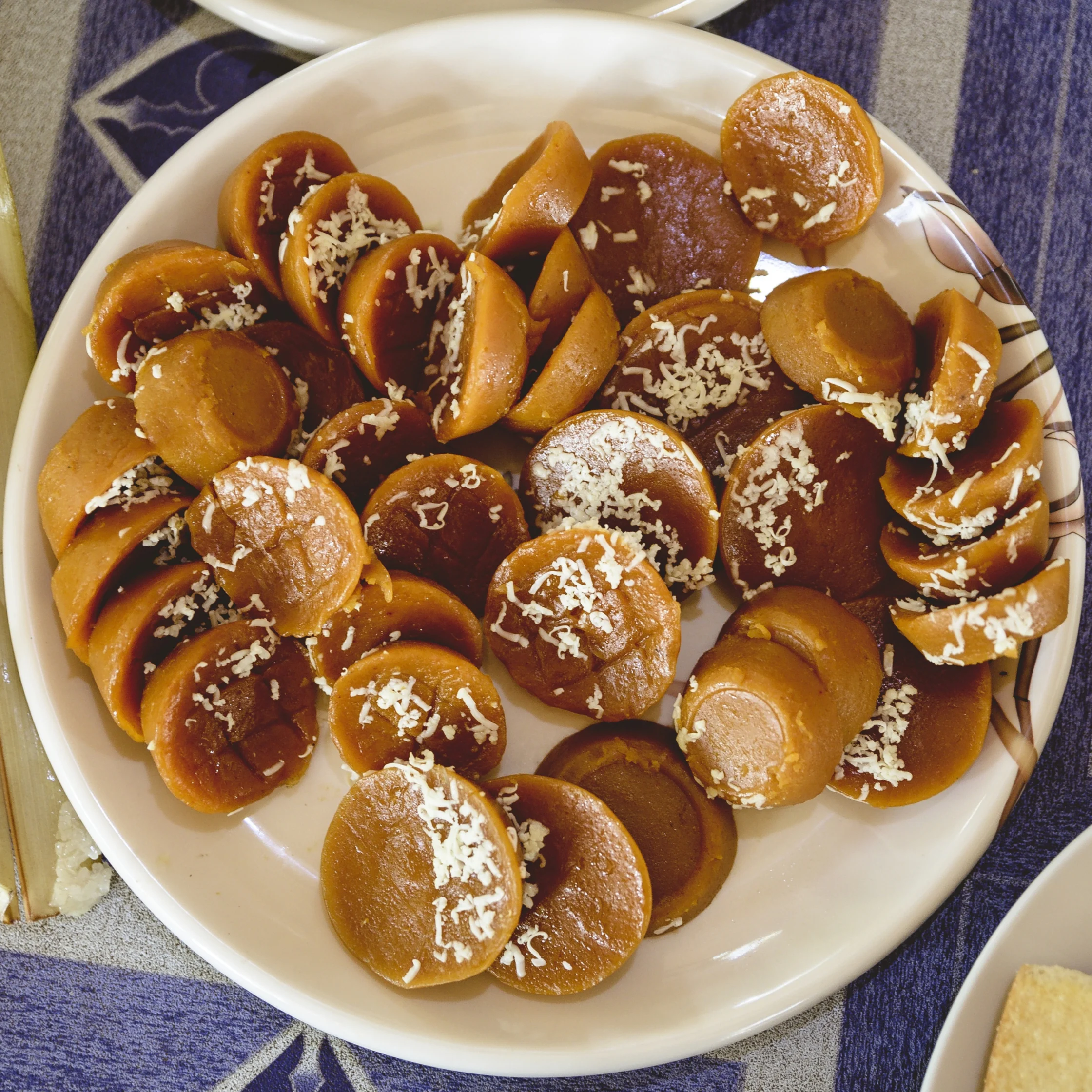
Also well-loved and relatively filling is kakaninKakaninKakanin is the broad umbrella term for Filipino rice cakes and glutinous-rice-based desserts, typically steamed and often paired with coconut, sugar, or latik. A merienda staple widely sold at marketsGo to Kakanin Glossary, which may be served in bilao during wakes. Common choices are puto or steamed rice cakes, which may come plain, topped with cheese, or stuffed with some kind of meat filling; sweet and sticky biko topped with latik; and chewy-as-can-be kutsinta.
Coffee
Coffee is usually served, sipped standalone or while snacking on baked treats. Sometimes it comes as the freshly brewed stuff from the coffee maker; sometimes it comes as the instant variety in single-serve sachets, with hot water and stirrers nearby for easy preparation.


Frequently Asked Questions
Serving food is an extension of the local love of food and communal sharing, designed to keep visitors from going hungry or thirsty while they converse, play card games, or mourn.
Butong pakwan takes time to peel and eat, making it ideal for nibbling during games or conversations. Meanwhile, peanuts are crunchy, fairly filling, and a healthier packaged snack option.
Common selections include soda crackers, Marie biscuits, and mamon tostado, which appeal to all age groups from picky children to the elderly.
Warm, hearty dishes often include lugaw or arroz caldo (rice porridge) to soothe the stomach and help cope with grief, as well as sopas (macaroni soup with chicken and vegetables).
Yes, although some believe serving noodles at wakes is bad luck, many Filipinos serve it anyway because it symbolizes long life and tastes great even at room temperature.