


A quick cooking method in which food is cooked in a small amount of hot oil or butter over high heat, stirring frequently. In Filipino cooking, the sauté of garlic, onions, and tomatoes, known as ginisa, is the flavorful foundation of countless everyday dishes.
Sauté
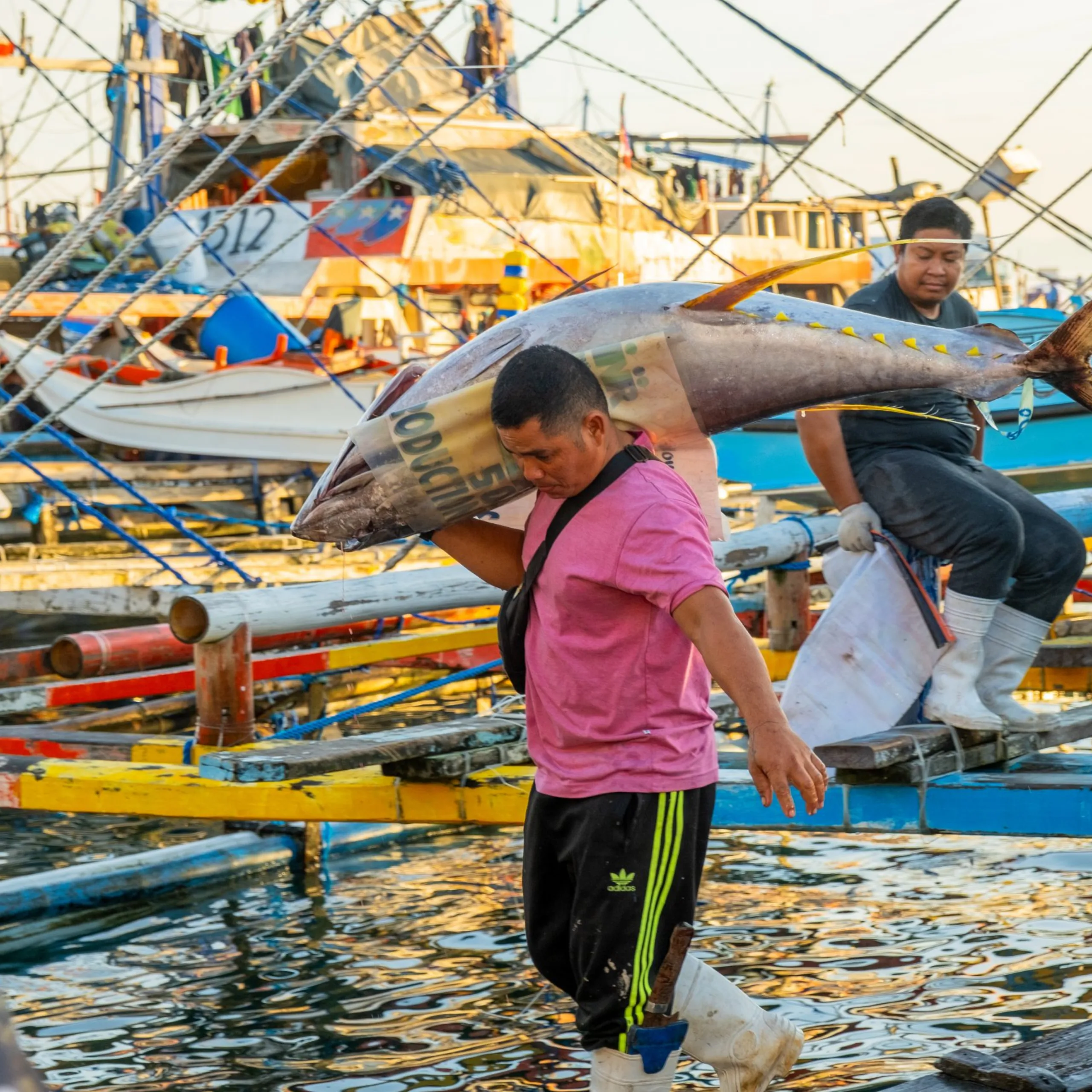
To celebrate this year’s Tuna Festival, why not brush up on your knowledge of tuna and how to cook and enjoy all of its parts!
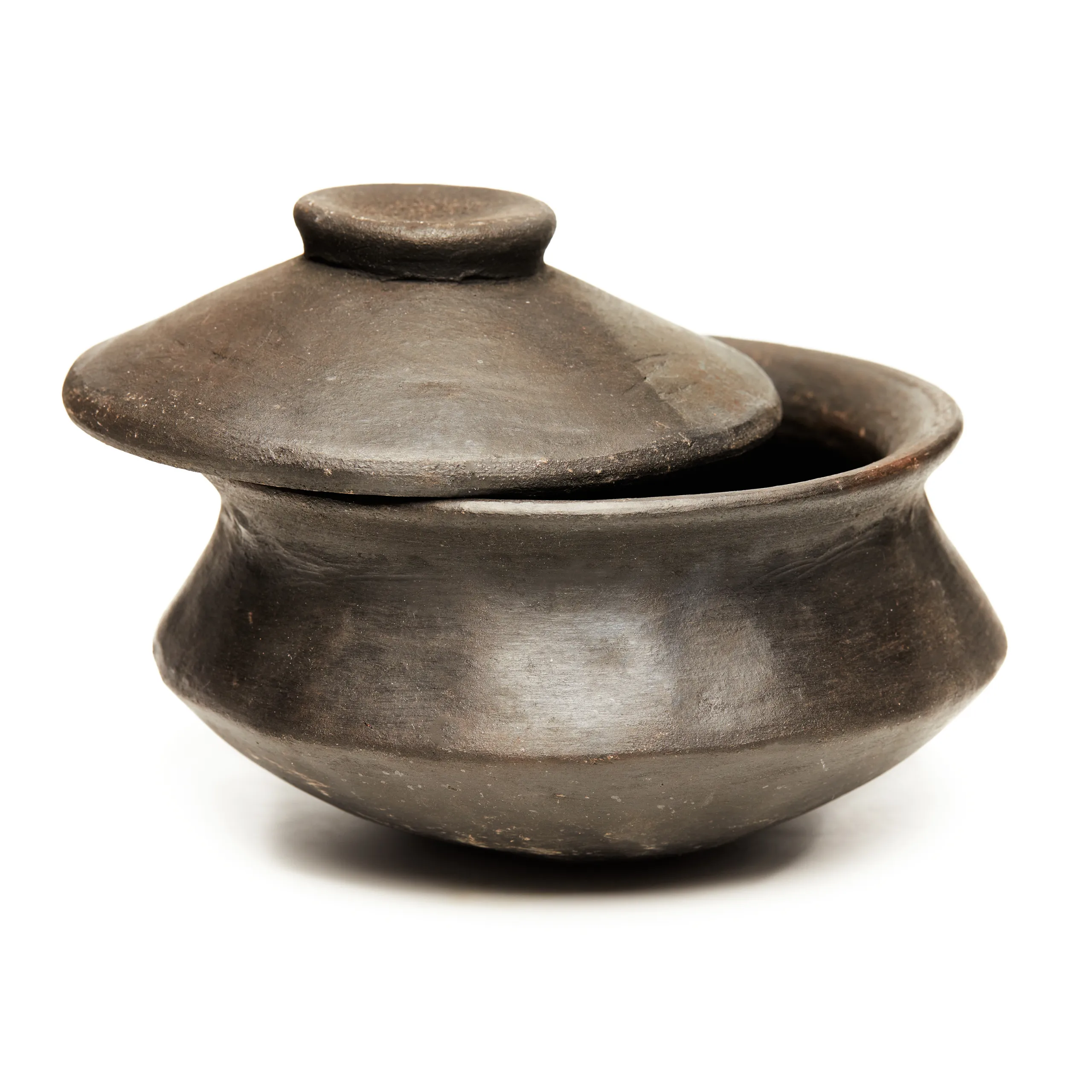
The palayok doesn’t have to be a cooking pot exclusive to the pre-colonial Filipino cook. Learning how to use it today gives you a glimpse of how to make some traditional Filipino dishes the “original way".
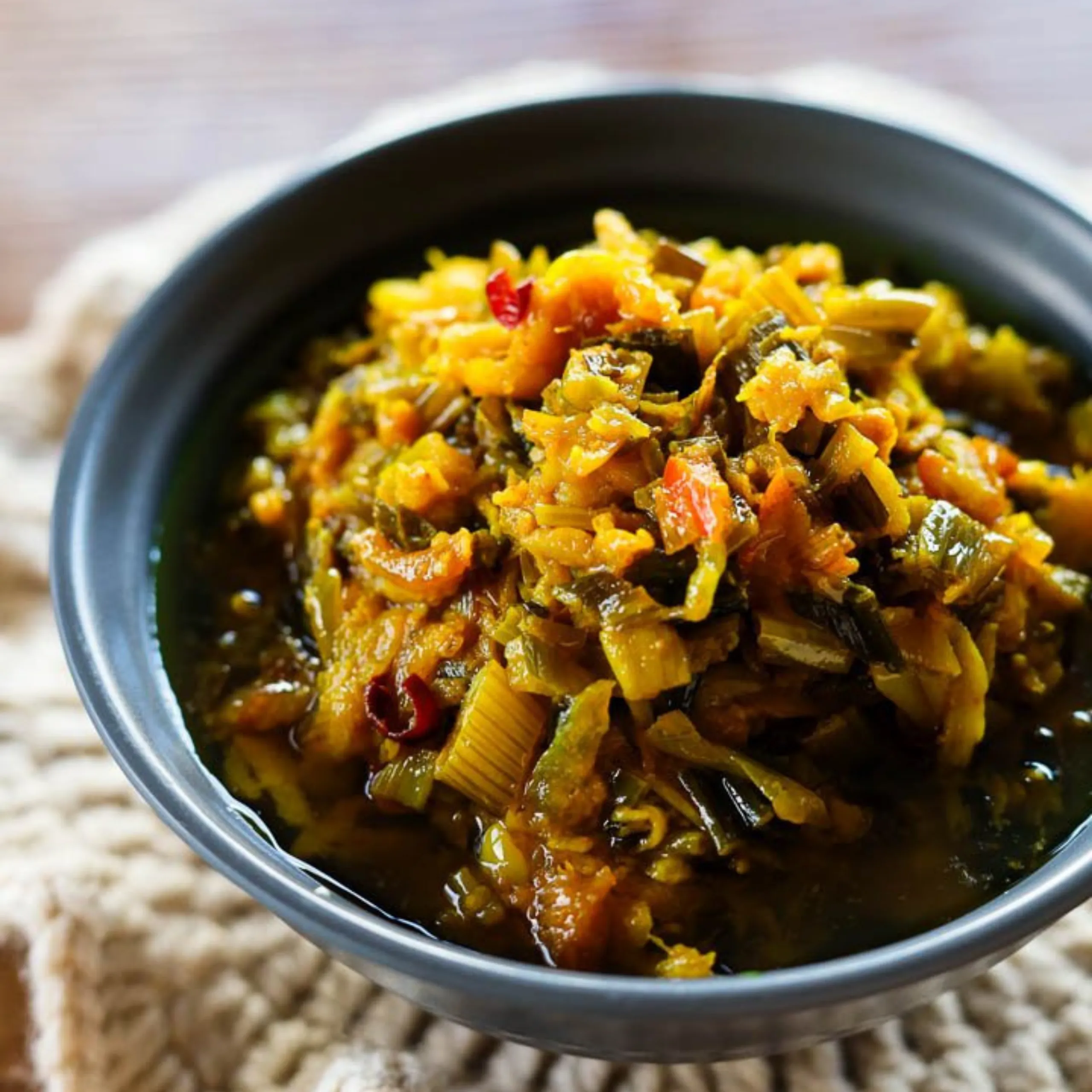
A Mindanao staple, this condiment-slash-ingredient brings bold, aromatic flavors to the pot and the plate.
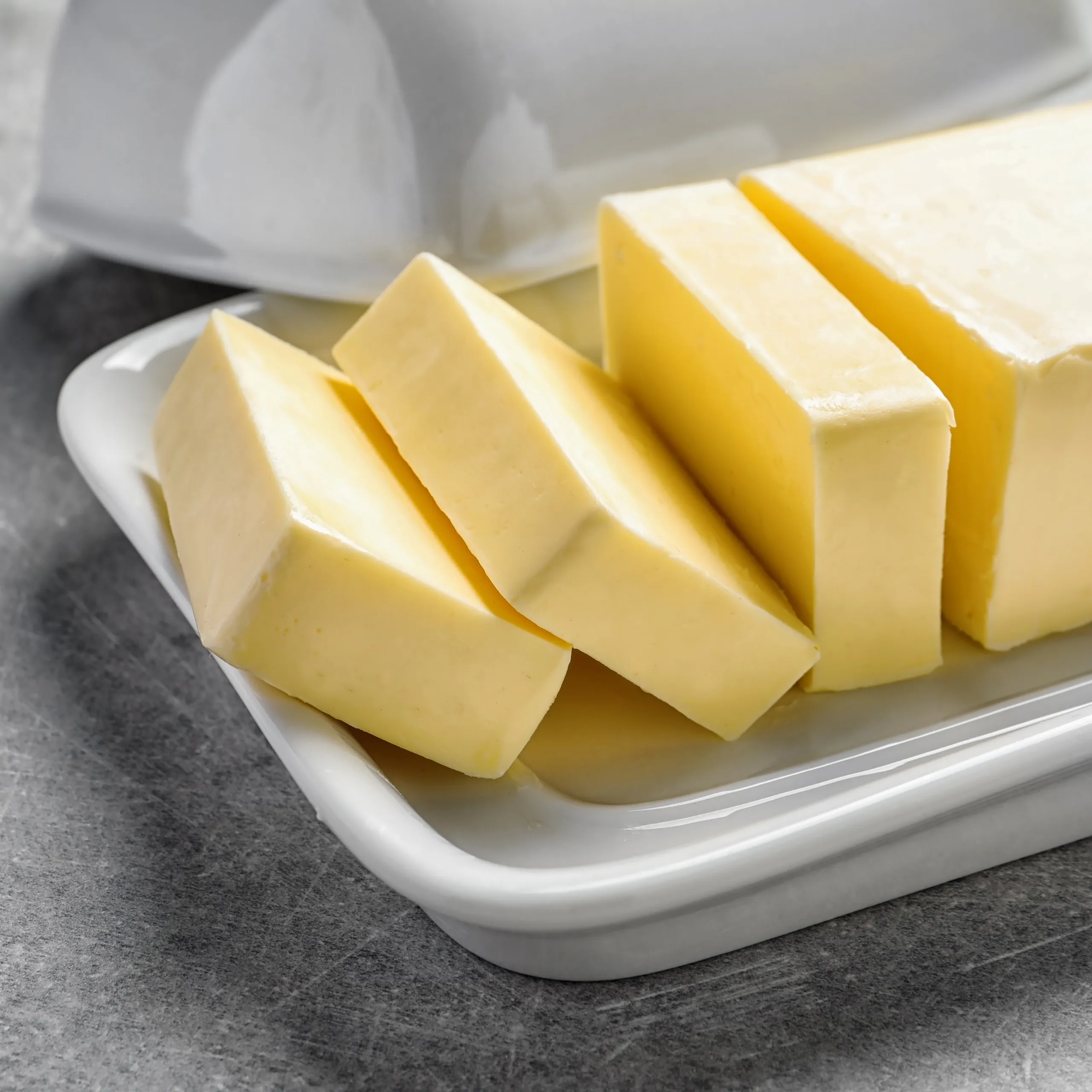
Learning that one cannot replace the other is just the first step.
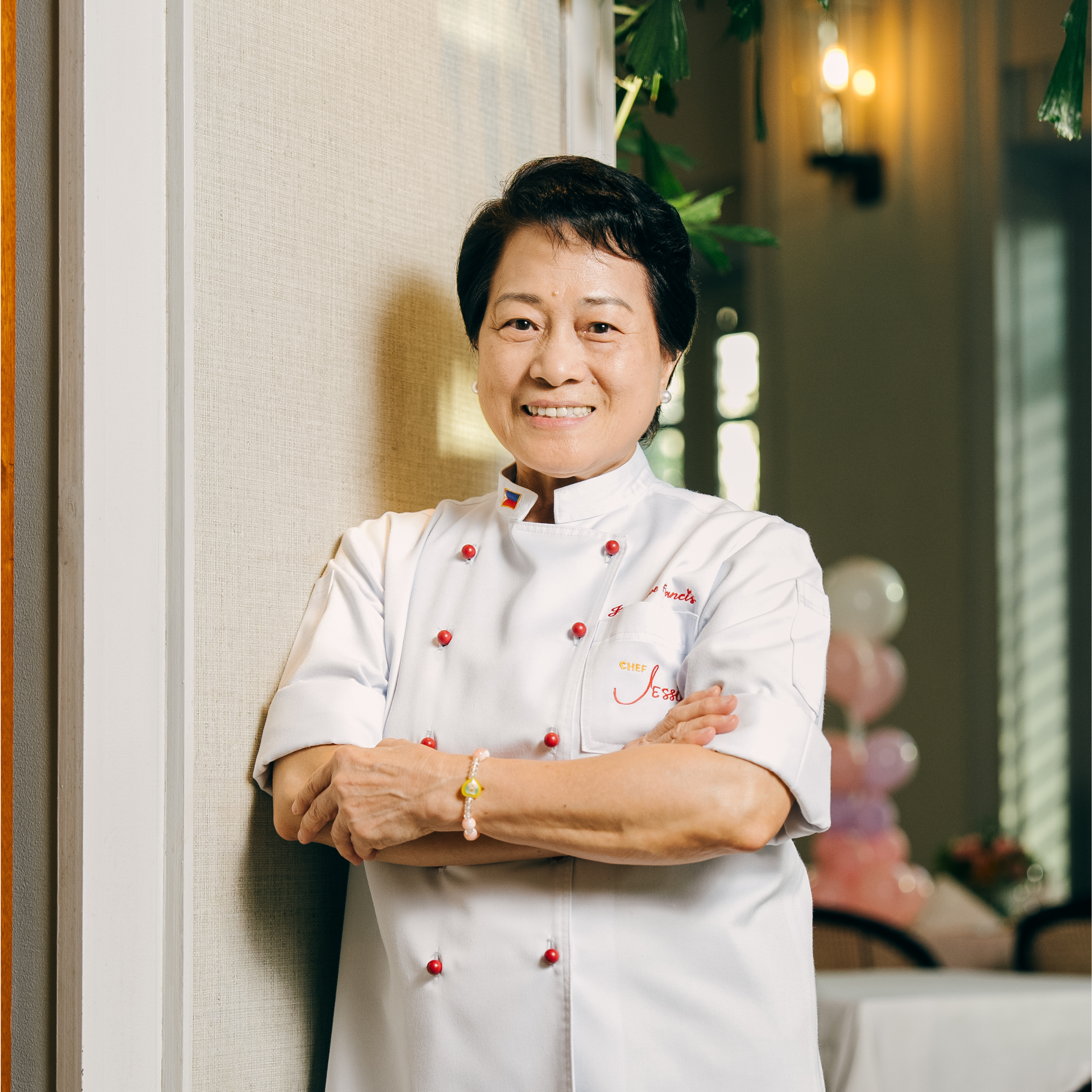
Long before cooking for Pope Francis and becoming one of the Philippines’ most celebrated chefs, Jessie Sincioco was a barrio girl surrounded by farms, fruit trees, fiestas, and family cooking in Angat—flavors and traditions that remain deeply ingrained in her food today.
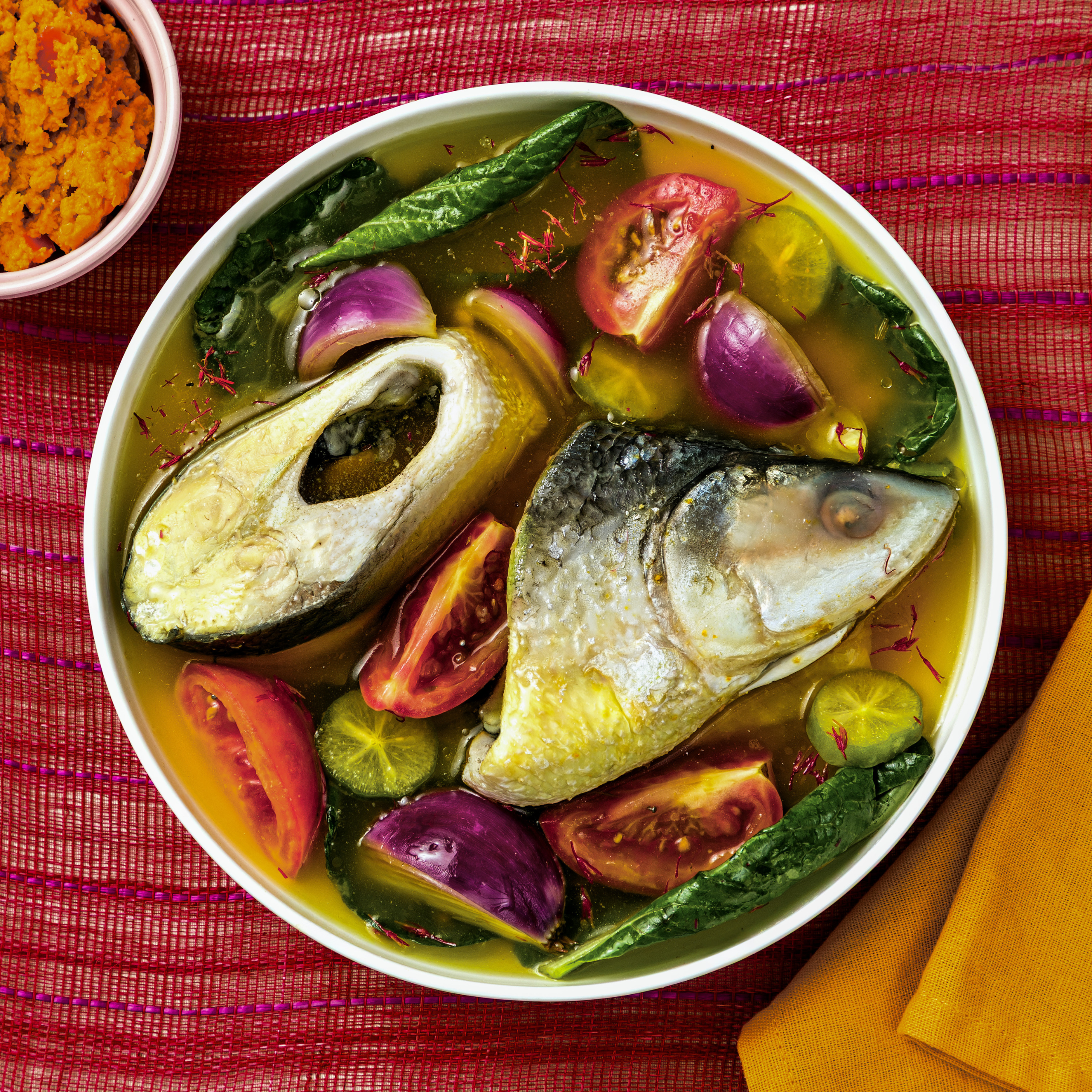
A staple in Santa Cruz for generations, cachuela combines freshwater fish, kamias, and a unique side of sautéed miso into a comforting dish that reflects Laguna's lakeside heritage.
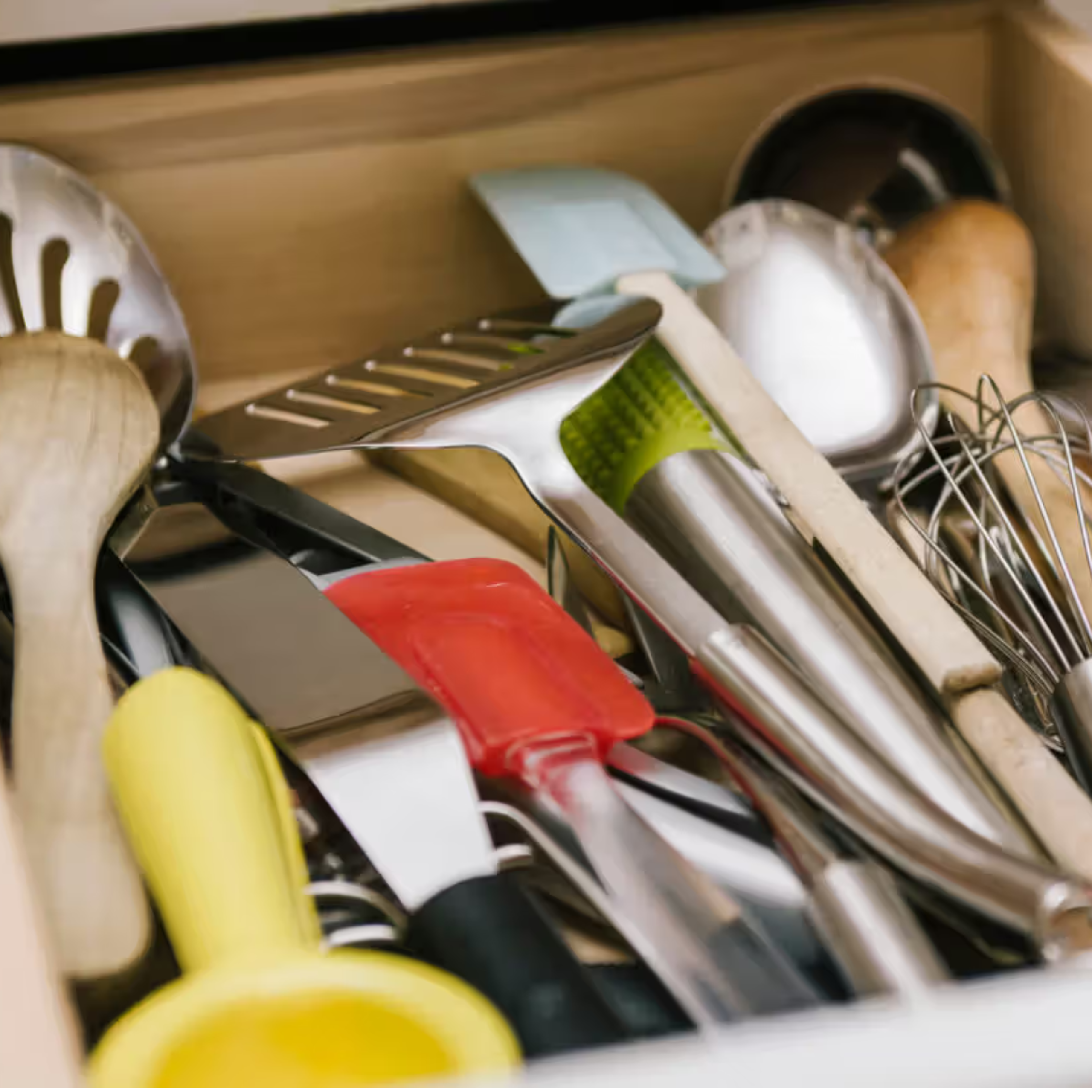
The best spatula isn't the one you like most. It's the one that makes the job easier.
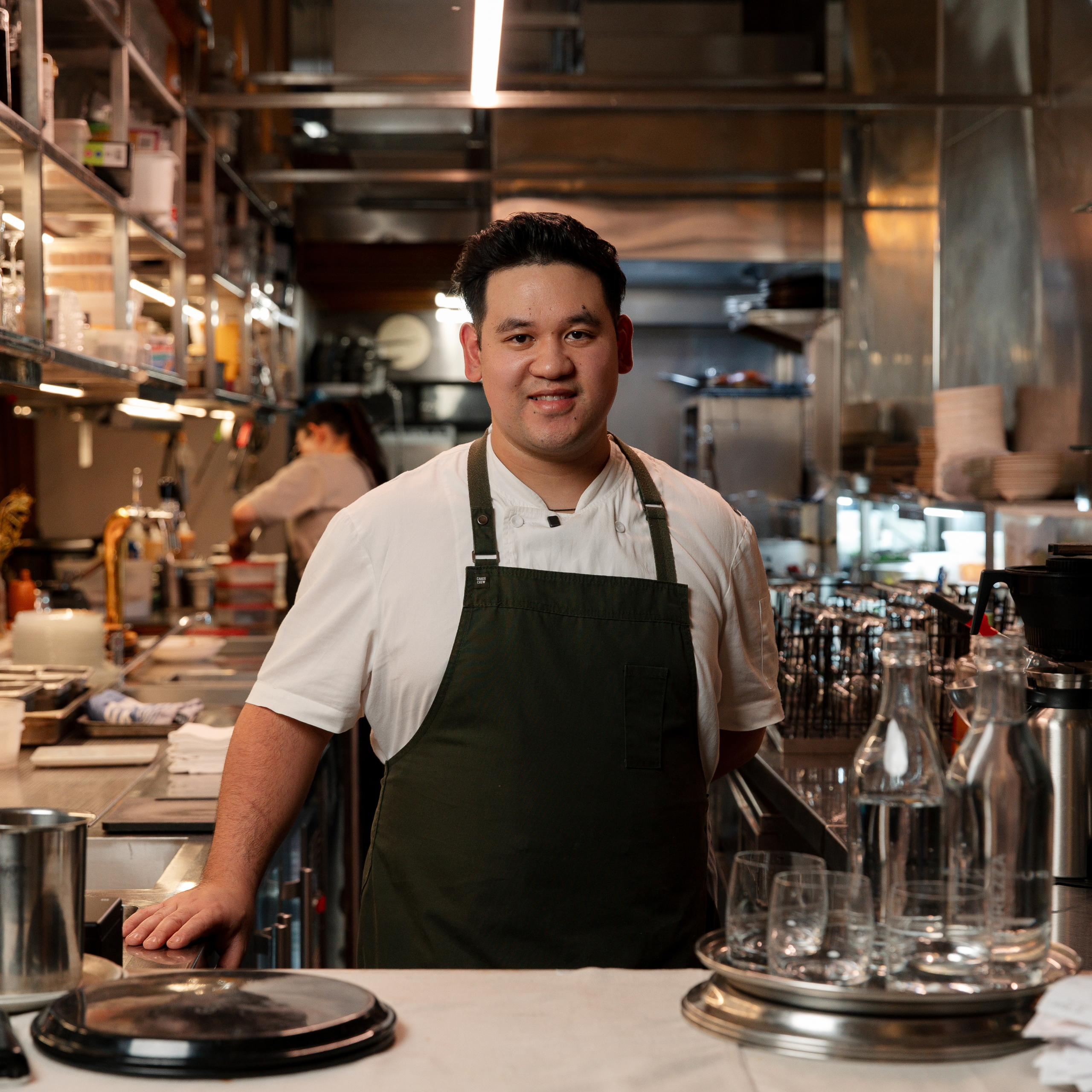
From growing up in Nueva Ecija to leading one of Melbourne's most celebrated Filipino restaurants, John Rivera shares how memory, tradition, and classical training shaped Askal's modern take on Filipino cuisine.

Fire, premium ingredients, and Spanish tradition come together at this newest Makati restaurant inspired by the timeless craft of cooking over live coals.
Page of 4
You May Also Like

Advertisement