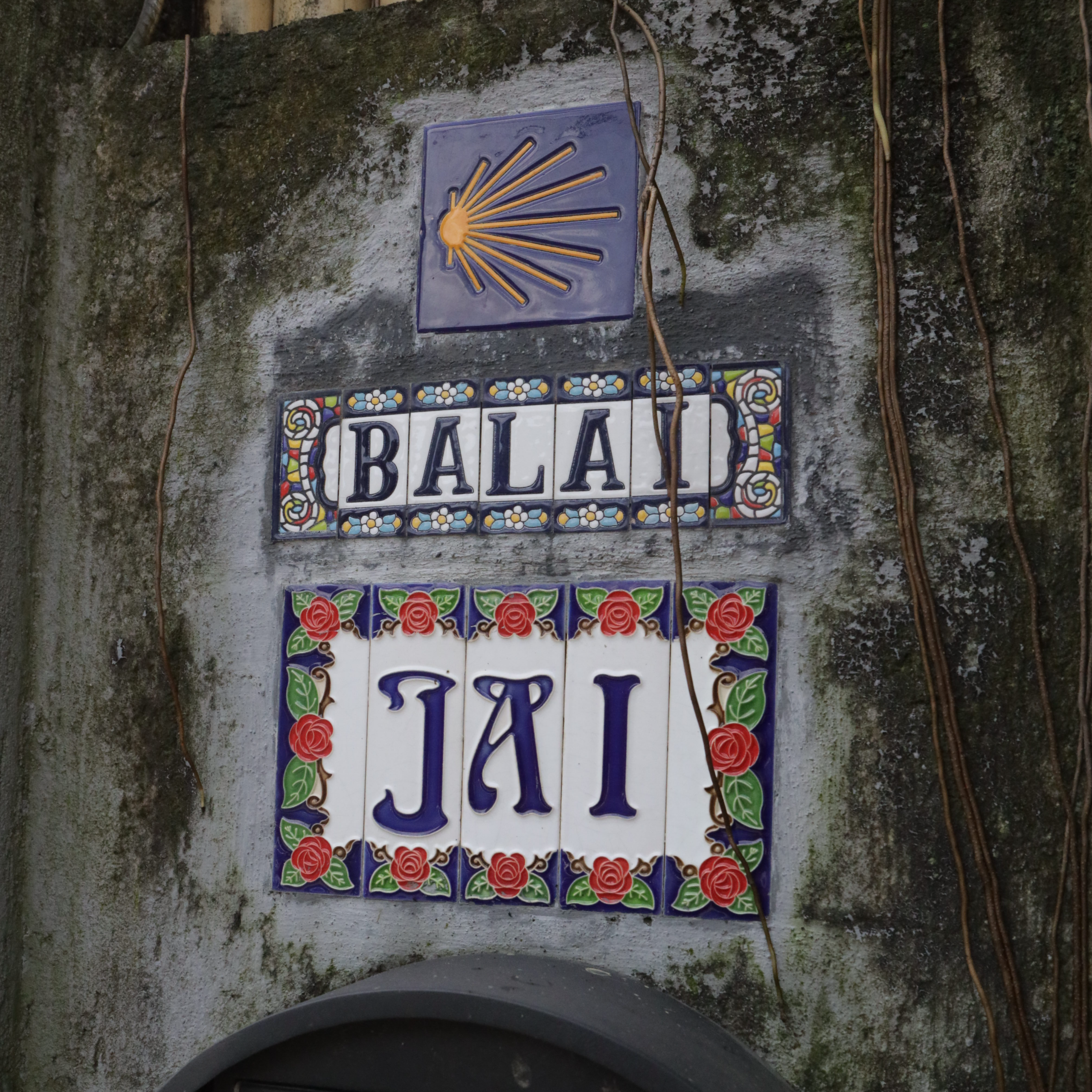
Long before Balai Jai became a destination for intimate dining in Malabon, there was Mommy Dolor and her much-loved bagoong. Dolores “Mommy Dolor” Perez Yang was known among family and friends for the condiment she made at home, so good that it became her signature gift. She shared it with close friends, relatives, and even the family’s lawyers, doctors, and balikbayan visitors. It was so beloved that it had even reached international soil, thanks to friends who gave it away as presents.
How Mommy Dolor’s Bagoong Inspired the Creation of Balai Jai in Malabon
When Mommy Dolor passed away in 2009, her children found a way to keep that part of her alive. They recreated her original bagoongBagoongA salty, umami-rich paste of fermented fish or shrimp, central to Filipino cooking. It seasons stews like pinakbet, tops green mango, and accompanies kare-kare, while the sautéed version, bagoong alamang,Go to Bagoong Glossary recipe and continued bottling it for family and friends. It then organically grew into something bigger, due to the pandemic.
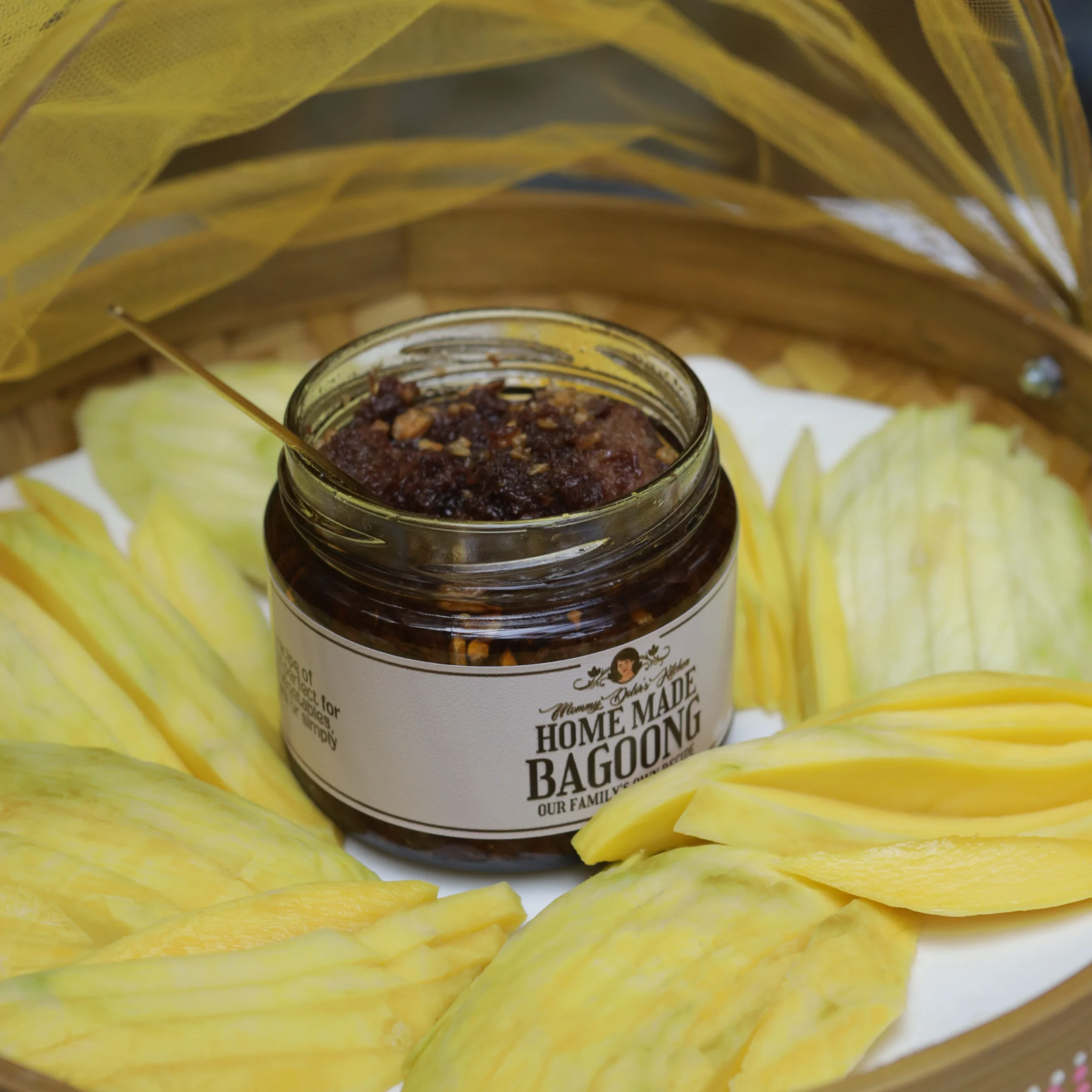
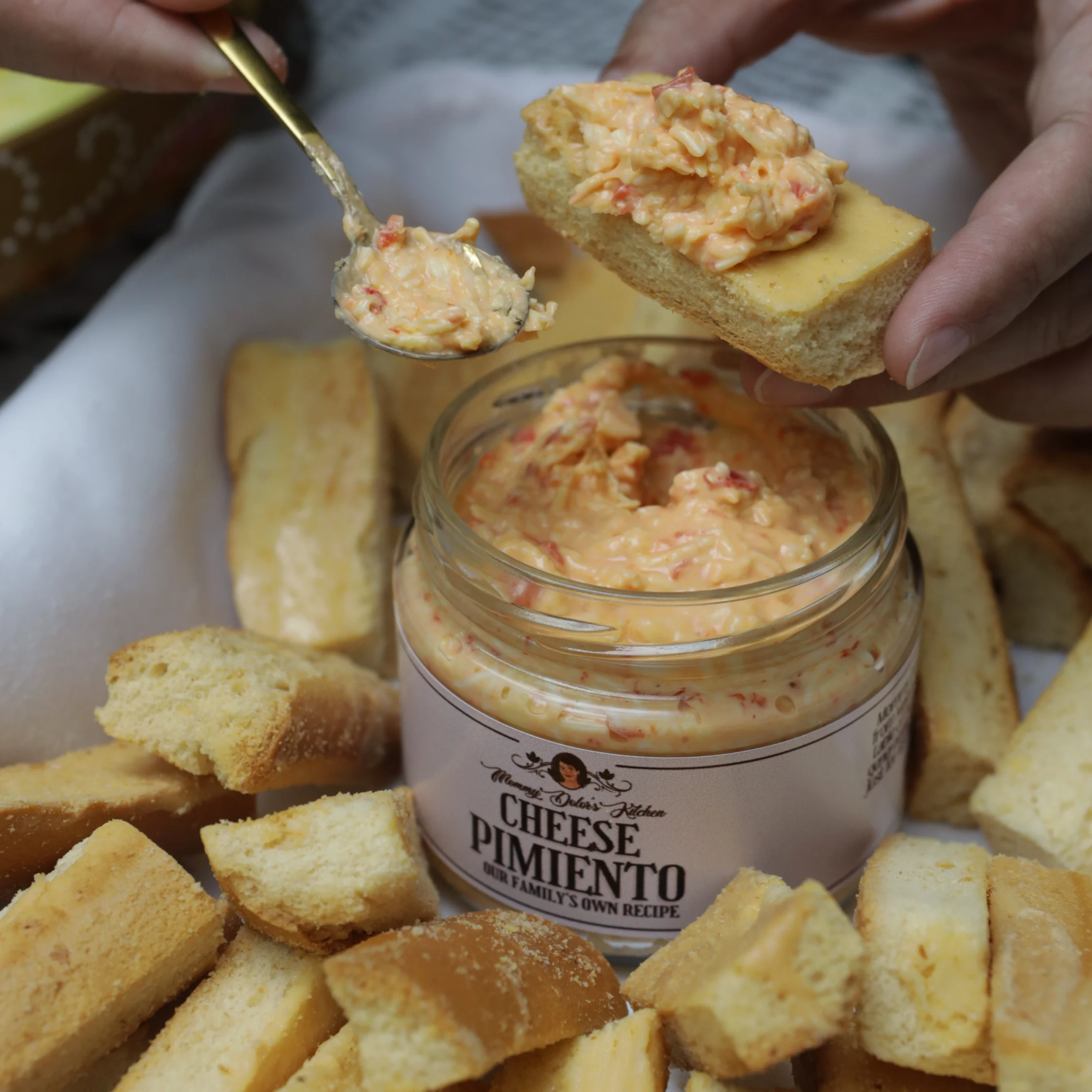
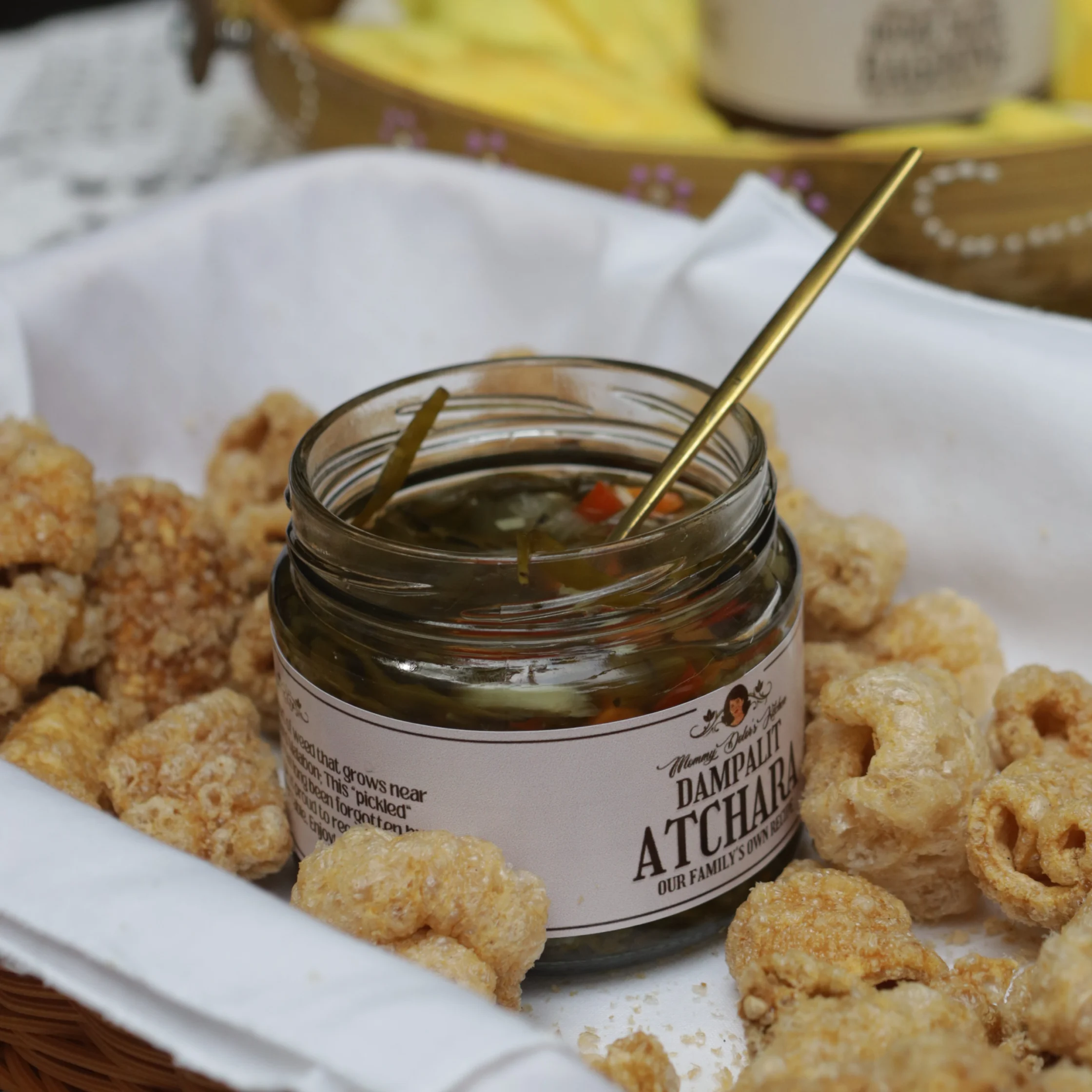
Because of the lockdown, the Yang family began selling the bagoongBagoongA salty, umami-rich paste of fermented fish or shrimp, central to Filipino cooking. It seasons stews like pinakbet, tops green mango, and accompanies kare-kare, while the sautéed version, bagoong alamang,Go to Bagoong Glossary online, along with other heirloom recipes such as menudo, cheese pimiento, atchara, adobong pusit, and tortang alimasag. The business became Mommy Dolor’s Kitchen (MDK), a delivery-only operation that continues to this day. Along with their own dishes, they extended their menu to include other specialties in the city such as Aling Mely’s mechado, Betsy’s soft broas, Mama Belen’s beef morcon, and Aling Tessie’s triangulo Valencia.
Once it was safe for people to leave their houses and go around, requests from customers to visit the city and the very places that fed them well during the pandemic started pouring in. Jaison, the entrepreneurial one among the brothers, saw an opportunity to bring those flavors together under one roof—and to share something more personal than a typical restaurant experience.
That idea became Balai Jai.
A Home for Malabon’s Flavors
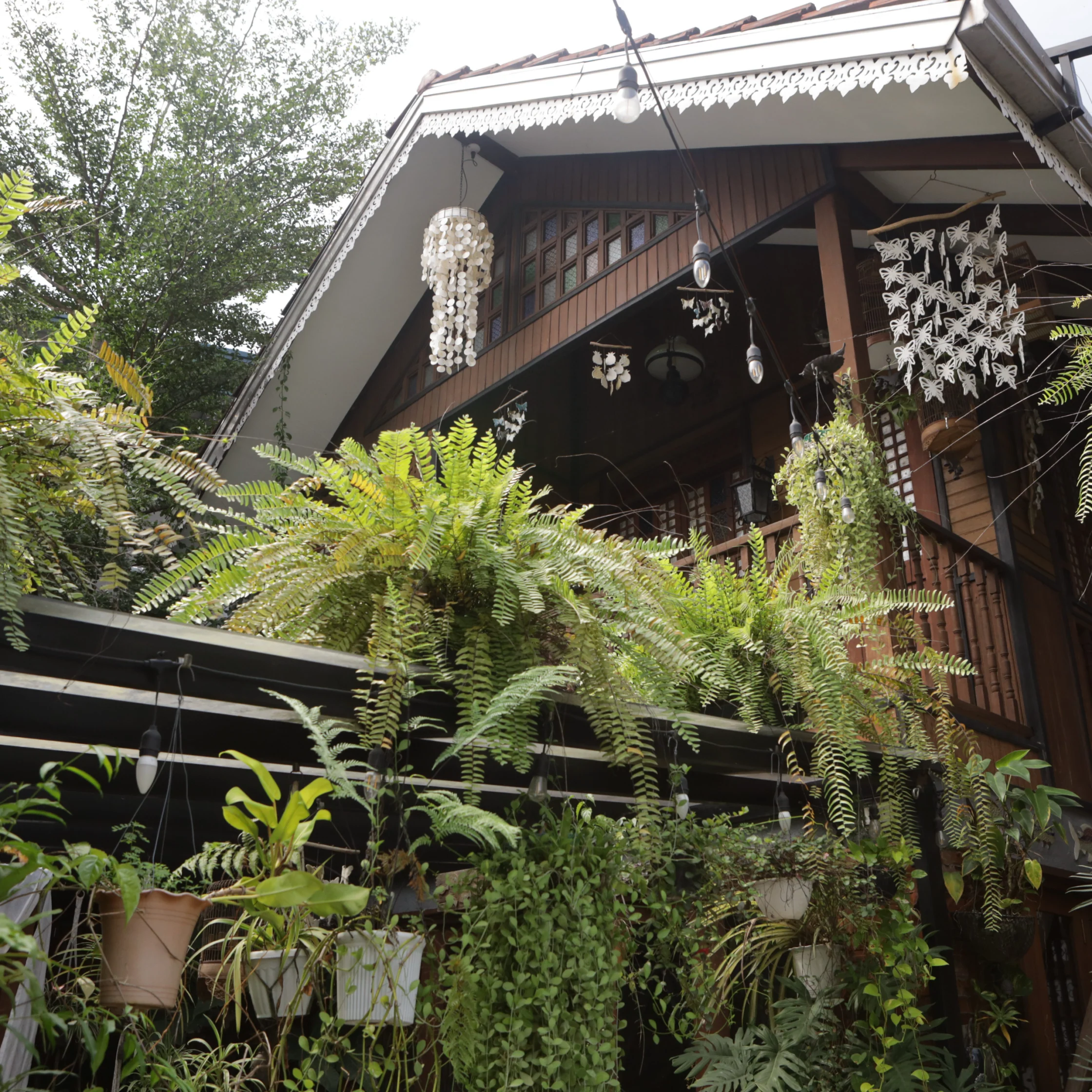
The story of Balai Jai, the physical house itself, began in 2024, when Jaison came across an old house in Laguna that was being dismantled. He asked their contractor to reconstruct it on his vacant lot in Malabon, giving the structure a new home and purpose.
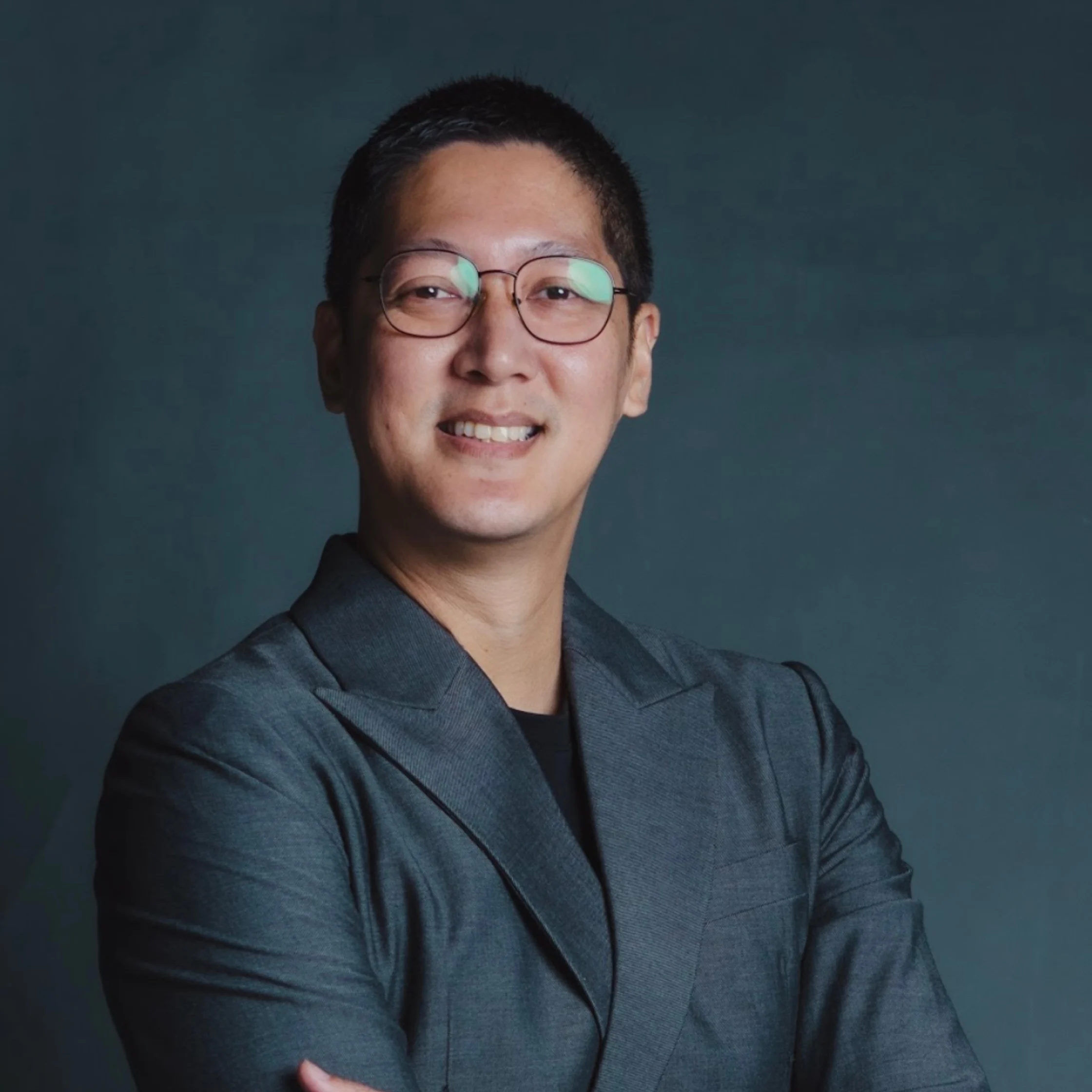
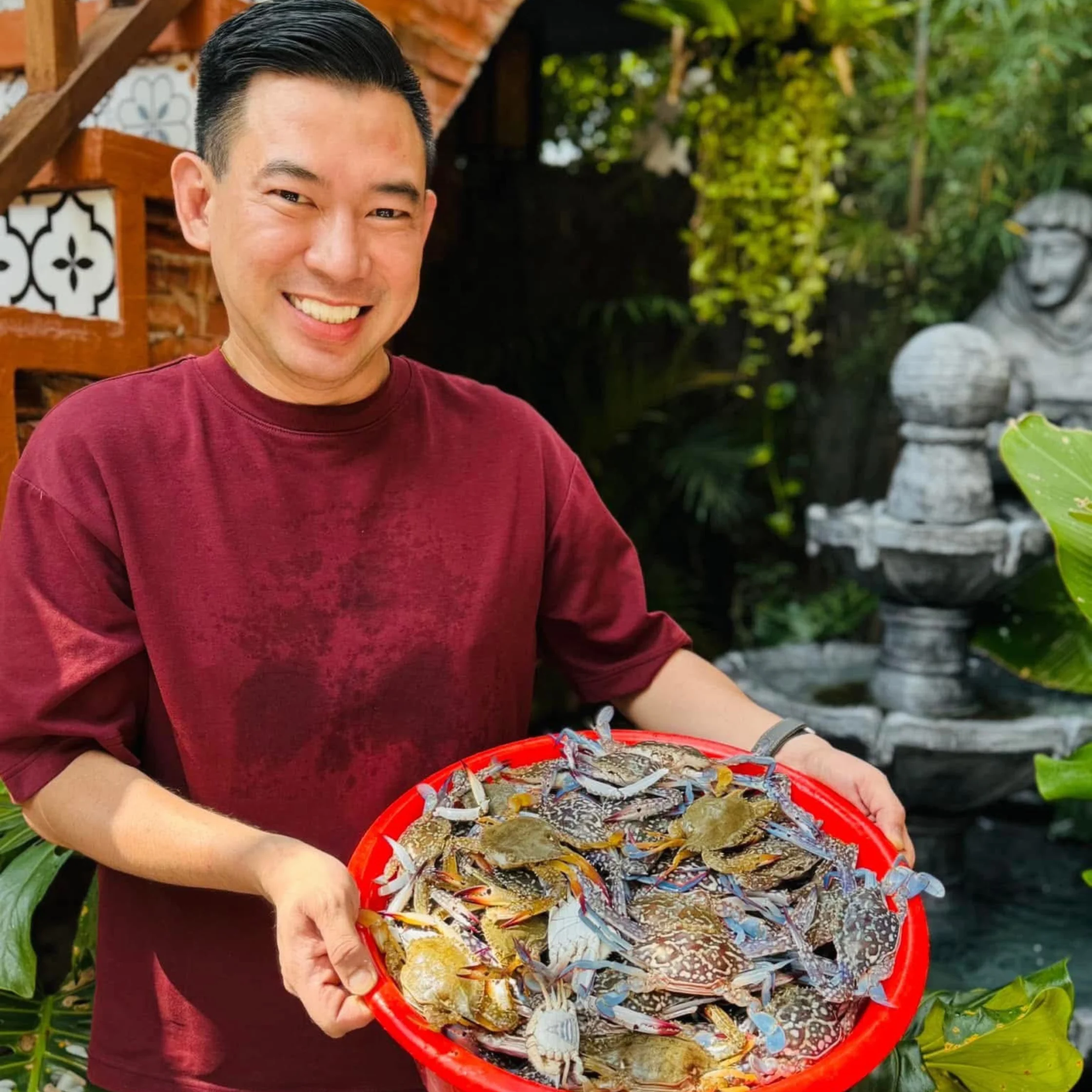
“I had always dreamt of having a private dining space: small and intimate, where I could personally welcome guests, host by arrangement, and open whenever I wished,” Jaison shares. “Most of all, I wanted a place where people could enjoy the best of Malabon’s food in one setting, without having to make several stops around the city.”
What emerged is a space that feels more like being invited into someone’s home than walking into a traditional restaurant. Balai Jai brings together the Yang family’s cherished recipes and Malabon’s culinary traditions, with the added warmth of Jaison’s personal hospitality.
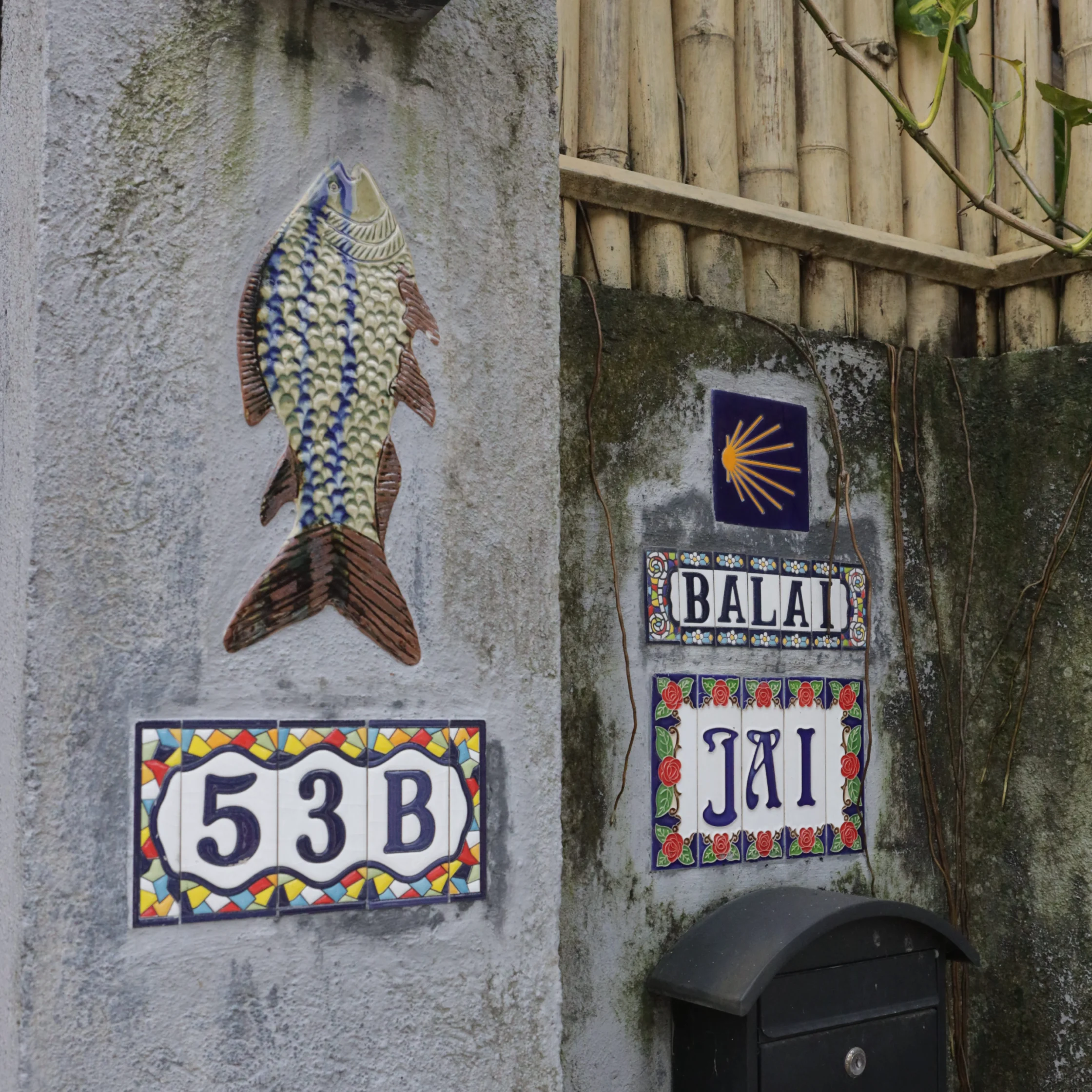
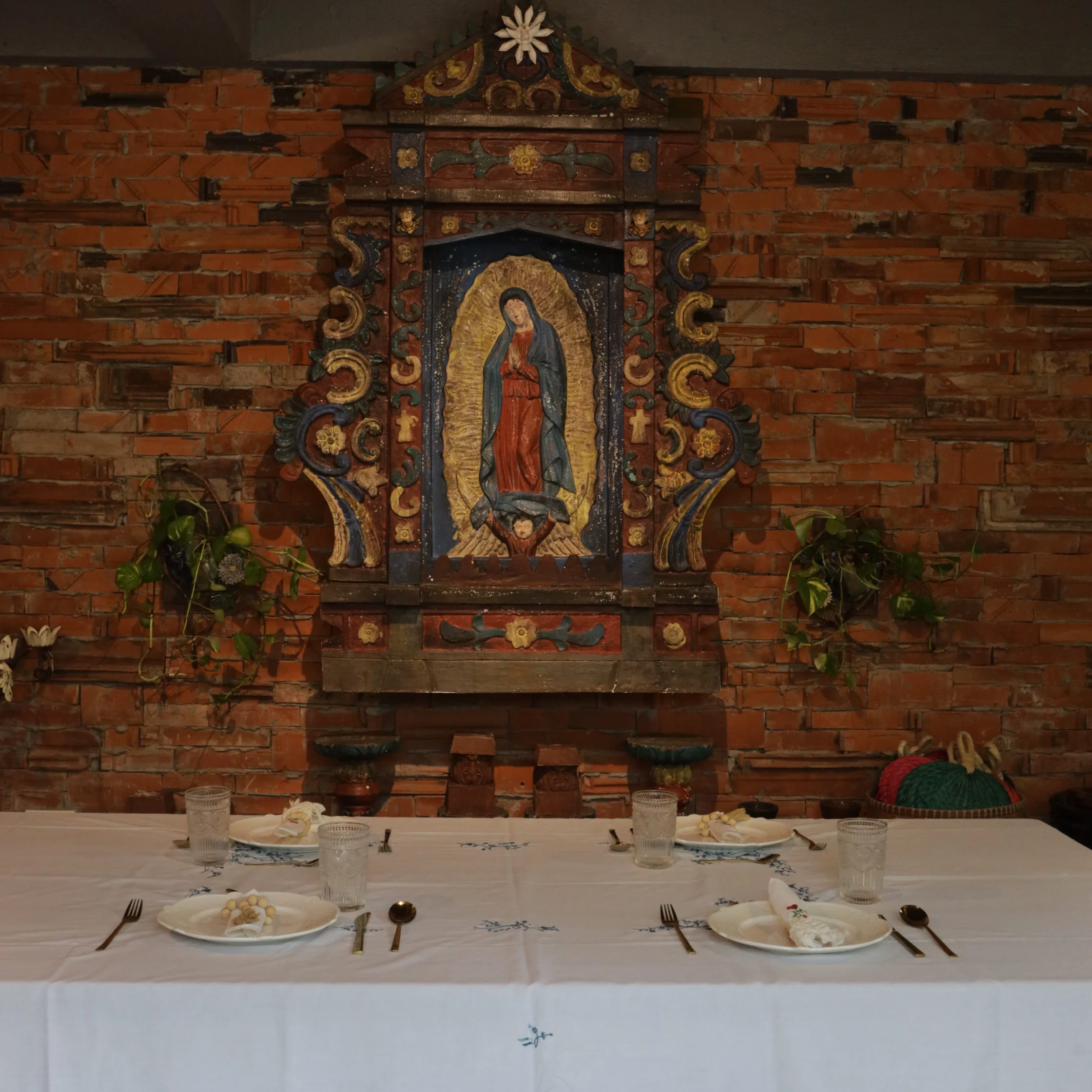
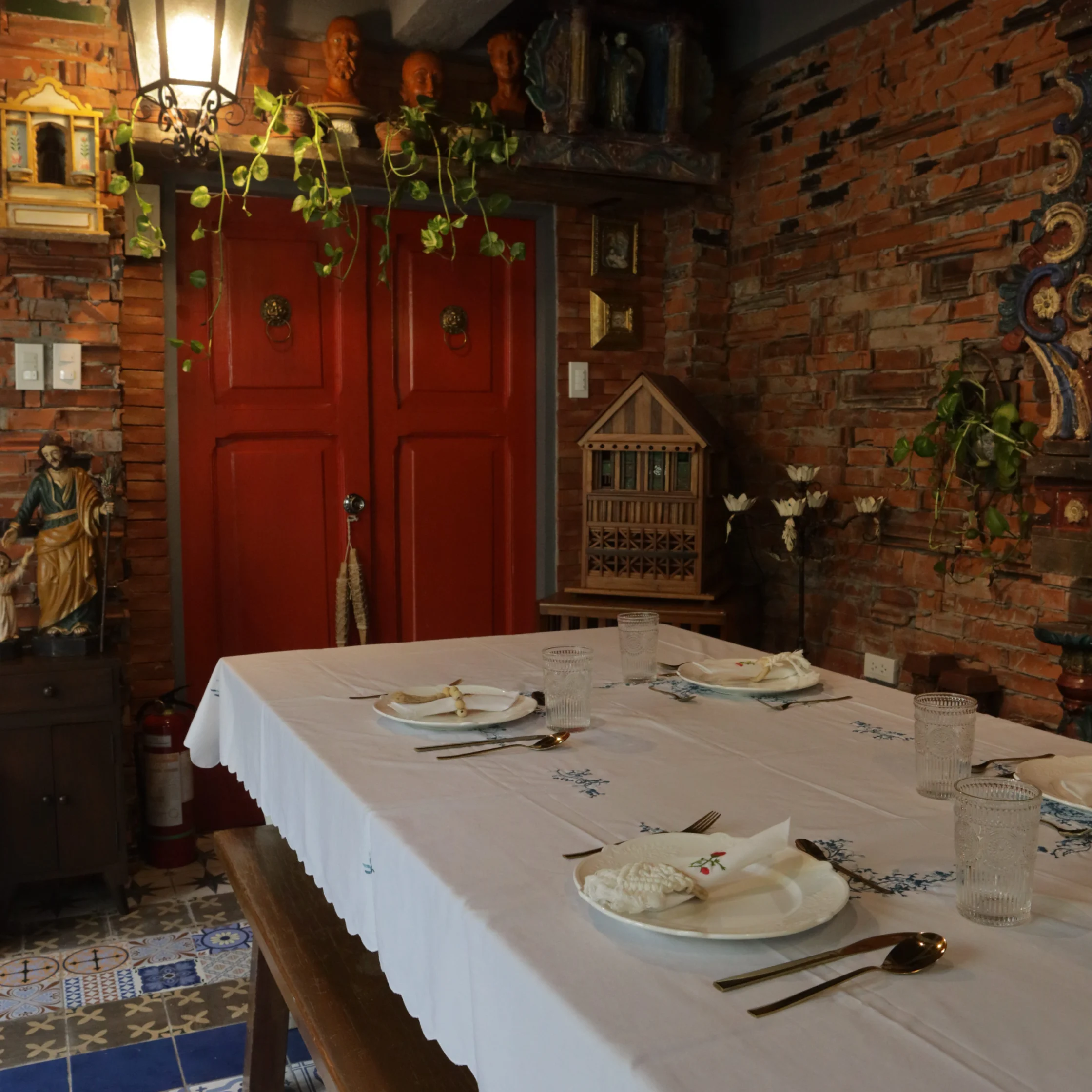
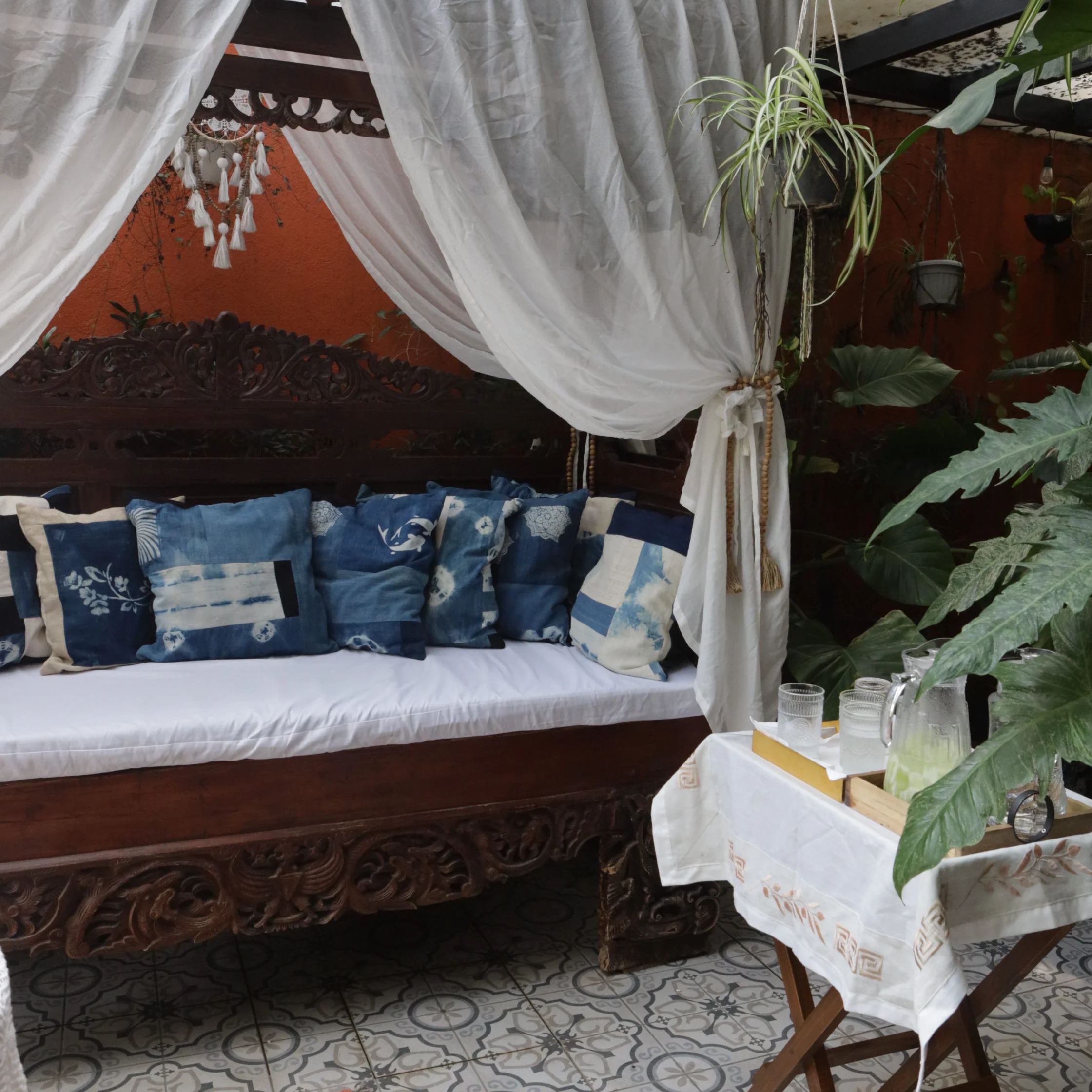
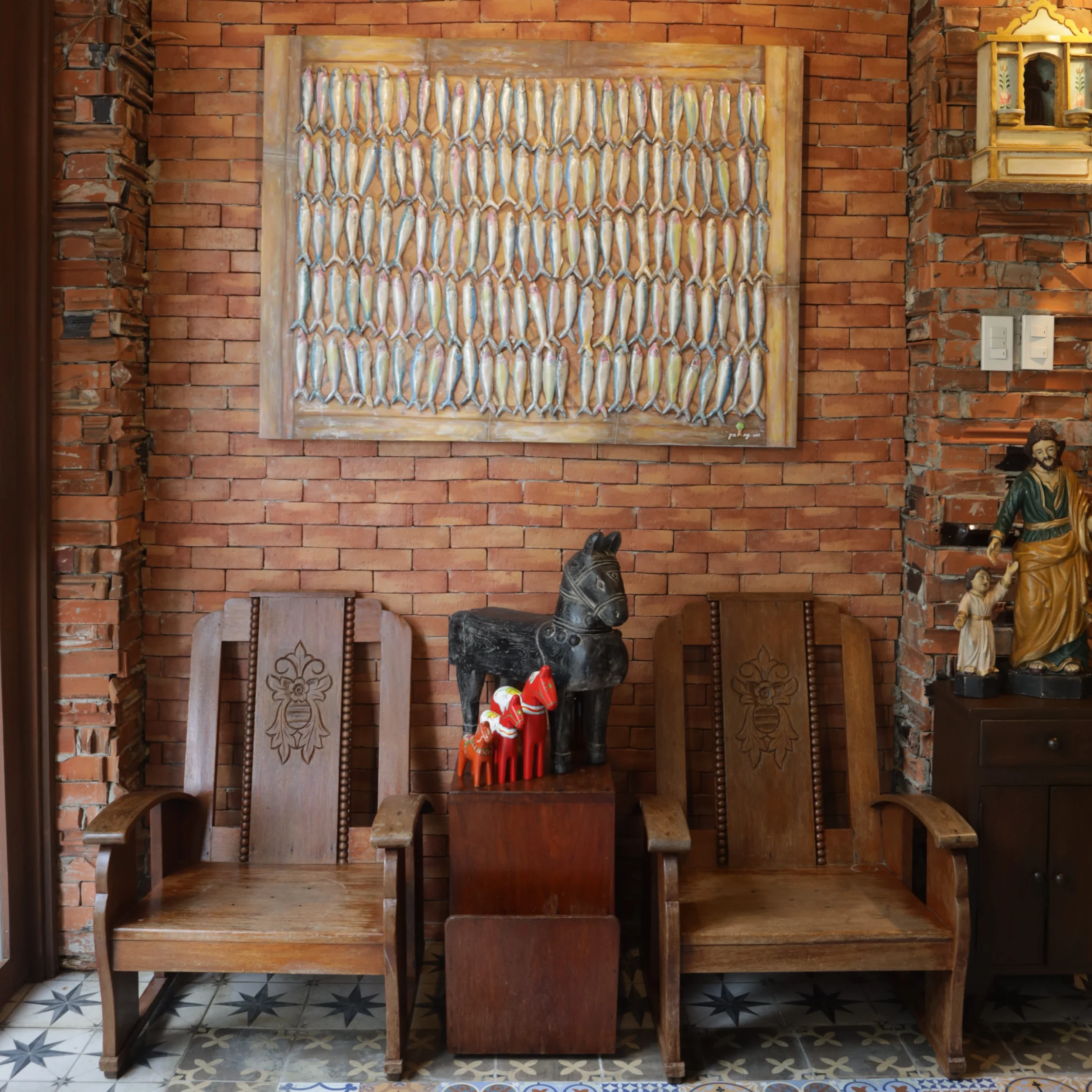
The menu features some of the city’s best-loved dishes, including Pancit Malabon, alongside MDK favorites such as its signature bagoong, adobong pusit, and rellenong alimasag. The selection is not necessarily fixed, however. Depending on what’s freshest at the market, dishes may change, with special menus also planned for the Christmas and summer seasons.
Guests can request the menu in advance, with dining arranged by inquiry. It’s an approach that gives Jaison the opportunity to personally host visitors while allowing the family to share the food and traditions that mean the most to them.
Mommy Dolor’s Legacy Lives On
At Balai Jai, the story goes beyond just serving Malabon specialties. It is about preserving the very flavors that have brought the Yang family together, giving a second life to a house with its own history, and opening both to people who want to experience the city through its food.
Balai Jai is located in Tinajeros, Malabon.
Frequently Asked Questions
Located in Tinajeros, Malabon, Balai Jai is an intimate private dining space in Malabon founded by Jaison Yang that brings together beloved local specialties and family heirloom recipes from Mommy Dolor’s Kitchen under one roof.
Mommy Dolor or Dolores Perez Yang was known among family and friends for her homemade bagoong, which became her signature gift and was even shared internationally.
After Mommy Dolor passed away in 2009, her children recreated and bottled her original bagoong recipe. The business expanded into Mommy Dolor’s Kitchen (MDK), a delivery-only operation launched during the pandemic lockdowns that sold heirloom dishes and other Malabon specialties.
Once pandemic restrictions eased, customers from outside Malabon requested to visit the city and the places that fed them well, inspiring Jaison Yang to create a single space where people could enjoy the best of Malabon’s food without making multiple stops.
In 2024, Jaison found an old house in Laguna that was being dismantled, and had his contractor reconstruct it on his vacant lot in Malabon.
The menu features Malabon staples like Pancit Malabon alongside MDK favorites such as signature bagoong, adobong pusit, and rellenong alimasag. The selection can change depending on market freshness, with special menus planned for Christmas and summer.
Dining is arranged by inquiry with menus requested in advance, giving Jaison the opportunity to personally host visitors.