There is one humble nutrient that quietly does the heavy lifting for your entire body: dietary fiber.
Though it has gained recent traction through content creators like Liam Layton, macro tracking, protein targets, and calorie counting still steal the spotlight for most health-conscious scrollers.
It’s time to shift the focus back to a nutrient that is just as vital. Despite its critical role in metabolic and gut health, most people fall woefully short of their recommended daily intake.
Here is a breakdown of what dietary fiber actually is, its core health benefits, and uncomplicated ways to add more of it to your daily routine.
What is Dietary Fiber and Why is It So Important?
Dietary fiber is a type of carbohydrate. Unlike starches and sugars that your body breaks down into glucose for energy, it is the part of plant-based foods that your body cannot digest or absorb. Instead, it passes relatively intact through your stomach, small intestine, and colon.
I understand if terms like “soluble,” “insoluble,” “dissolves in water,” and “doesn’t dissolve in water” don’t immediately paint a picture of what fiber actually does for you. So let’s frame it around what happens when you eat them.
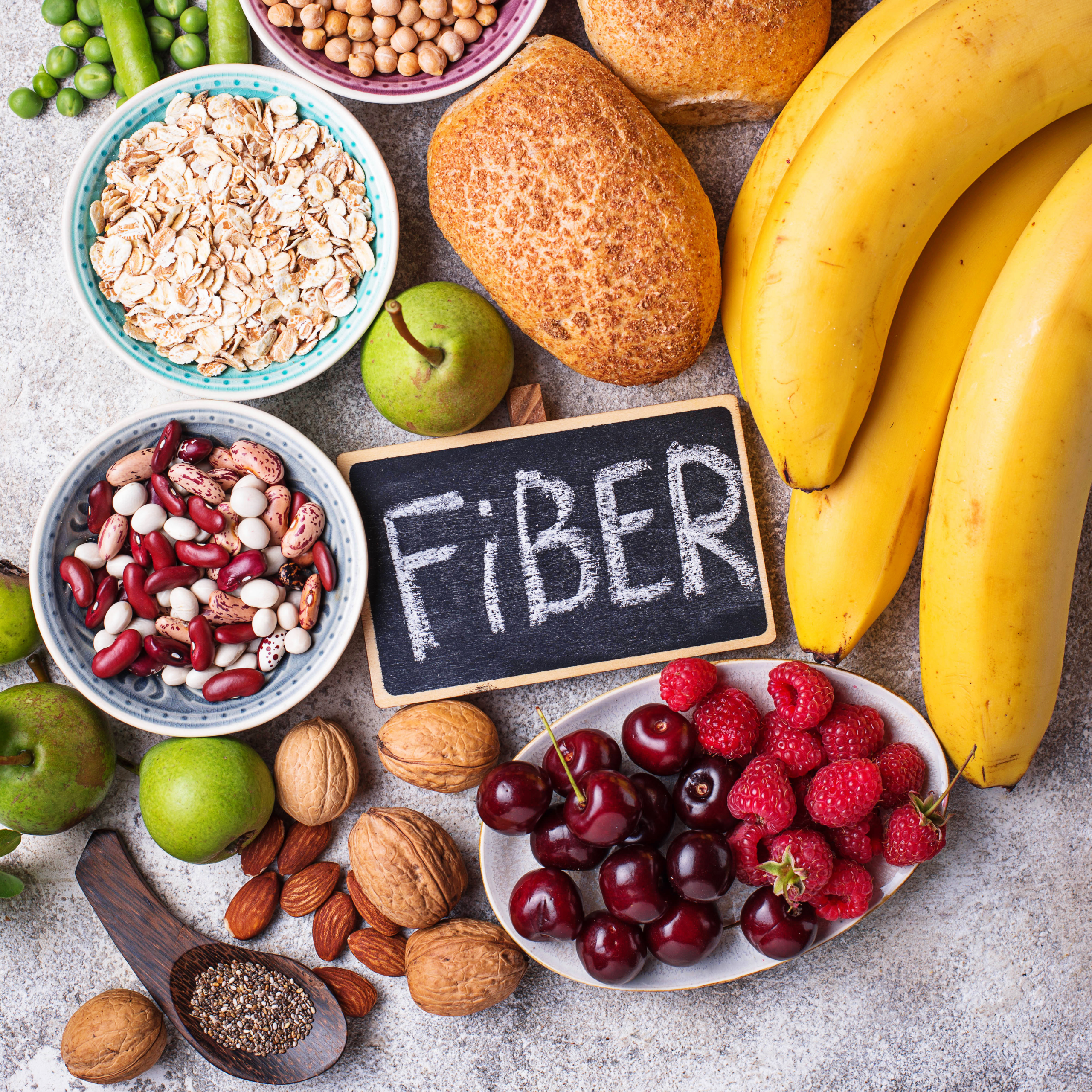
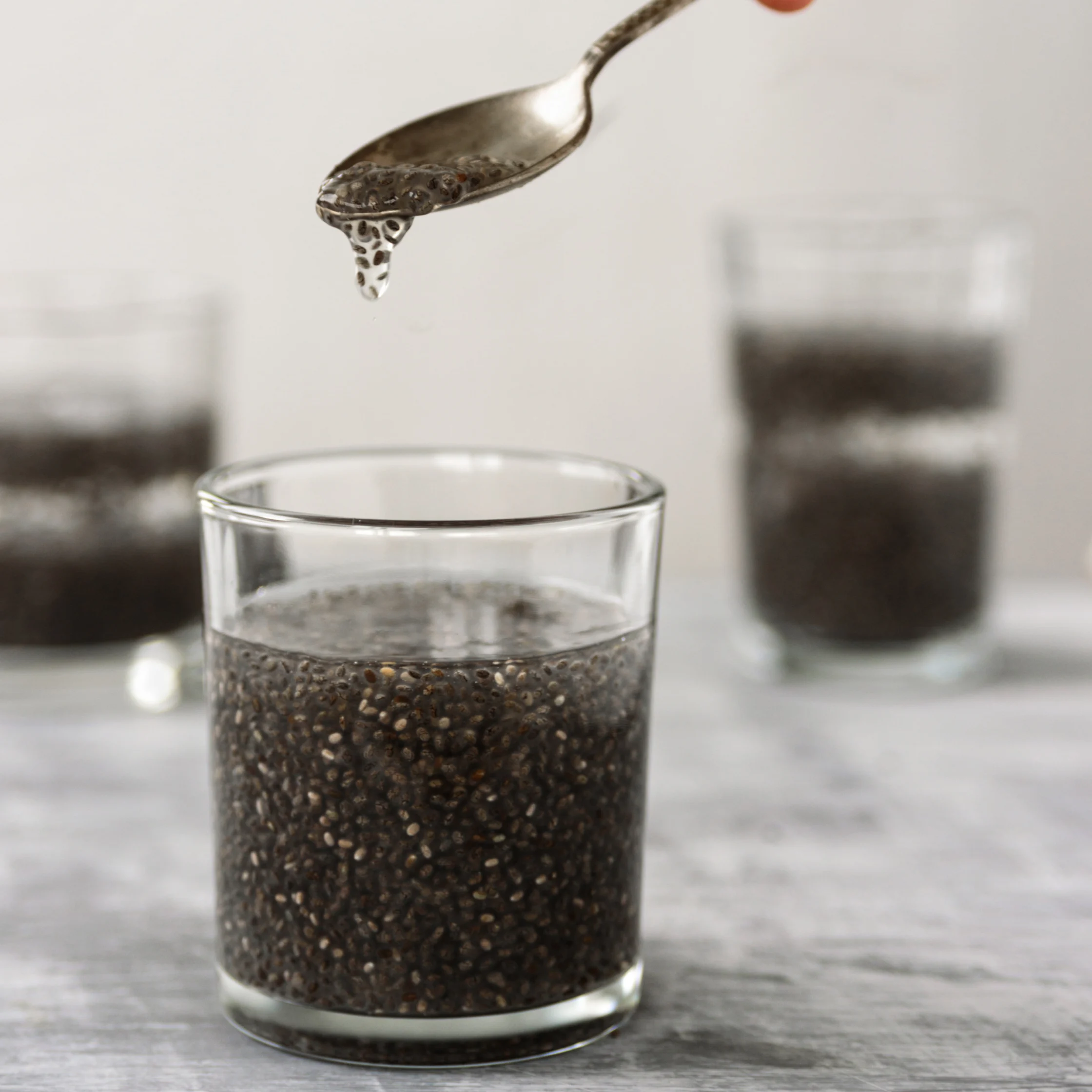
The most well-known source of soluble fiber is chia seeds, but don’t skip out on oats, beans, lentils, peas, apples, and citrus fruits like pomelo, oranges, and grapefruits. Because soluble fiber dissolves in water and forms a gel-like substance, it takes up space in your stomach. This slows digestion, keeps you fuller for longer, and helps curb overeating. It also acts as a regulator for your blood sugar and cholesterol levels by slowing down how fast your body absorbs certain nutrients.
But adding more fiber to your plate does much more than keep you regular and manage your weight. Fiber is the ultimate prebiotic as it feeds the beneficial bacteria in your microbiome. A thriving gut microbiome is linked to everything from a stronger immune system to a better mood. Beyond digestive health, a high-fiber diet actively protects your heart health, supports dental health, and lowers your risk of developing chronic illnesses.
Because soluble and insoluble fibers handle completely different jobs in the body, you need a mix of both to get the best of both worlds, or rather, the best of both guts.
Dietary Fiber In Filipino Cuisine
According to a 2020 study on the food sources and nutrient intakes of Filipino working adults, only three of the ten most consumed foods in that group were vegetables. The top four foods are rice (no surprise there), fats & oils, pork, and fish & shellfish. The average Filipino adult only consumed about 7.97 grams of dietary fiber, which was well alarmingly below the recommended overall intake.
When looking at statistics like this, I and many others are under the assumption that there isn’t much fiber in the regular Filipino diet.
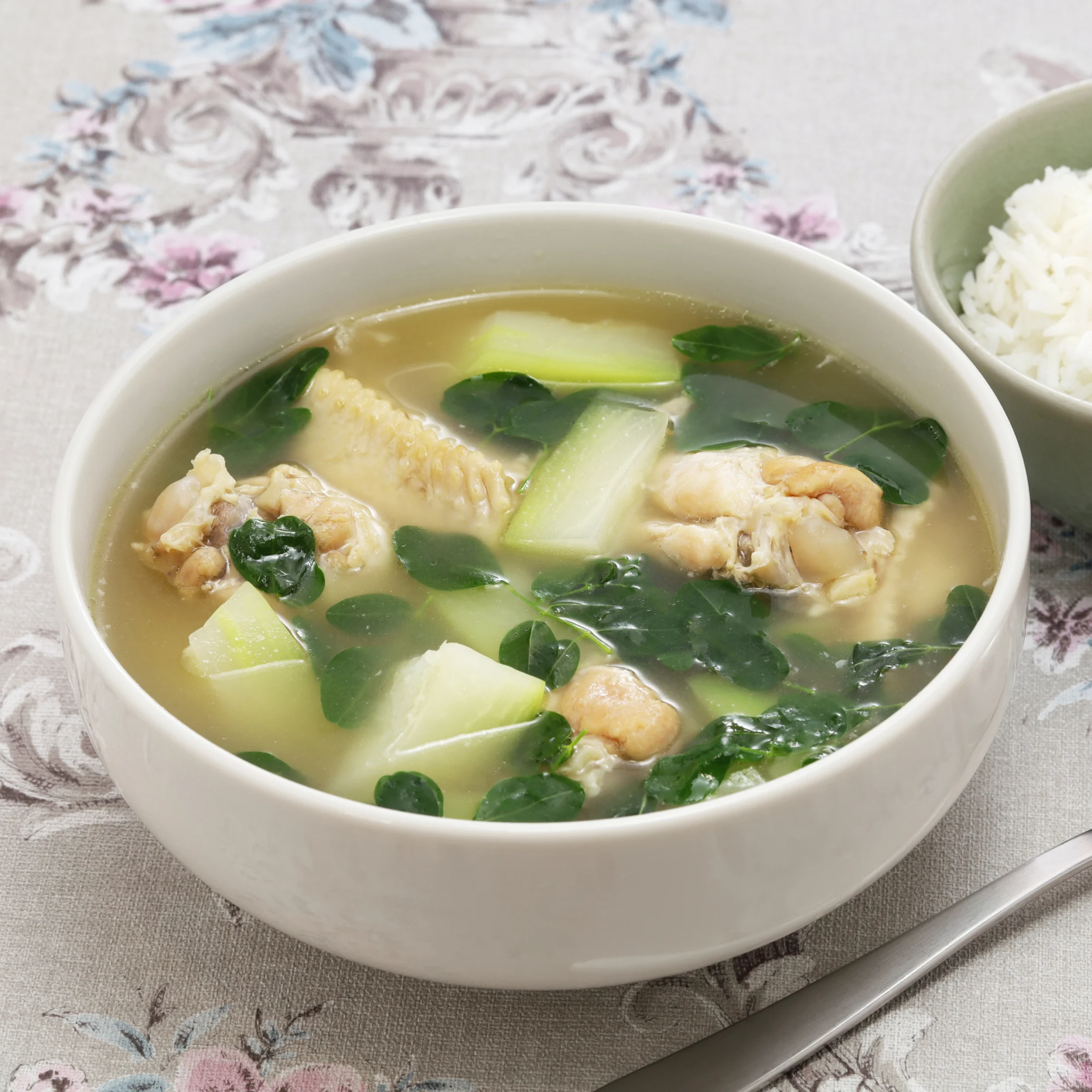
But then again, I think about all the different fruits and vegetables incorporated into some of the more classic Filipino foods: monggo, malunggay, kangkong, ampalaya, sitawSitawSitaw, or yardlong beans, is a staple Filipino vegetable used throughout regional cooking, particularly in pinakbet, dinengdeng, and ginisang dishes across the islands. Its long, slightly crunchy pods absorb theGo to Sitaw Glossary, talong, kamote, papaya, pineapple, chayote, saging na saba, just to name a few. The irony is striking. Our local food is overflowing with vibrant, fiber-rich produce, and our traditional heritage dishes celebrate them.
The problem isn’t that our local cuisine lacks fiber. It’s that modern eating patterns, convenience meals, and fast-paced schedules have pushed these plant staples off our everyday plates. We don’t need to adopt foreign superfoods to fix our fiber deficit; the solution is already waiting in our local markets and heirloom recipes.
Closing the fiber gap isn’t just an individual challenge; it’s a nationwide conversation. I found an article that highlights how prepackaged, fortified foods can play a pivotal role in bridging this gap. By leveraging accessibility, affordability, and everyday convenience, they can give more Filipinos better chances to eat more healthily in a practical, hassle-free way.
How Can I Increase My Fiber Intake?
If your current diet is low in fiber, don’t ramp it up overnight. Don’t be mistaken, there is such a thing as too much fiber. Sudden increases can lead to gas, cramping, and bloating.
The key is to go slow, gradually building up your intake over a few weeks so your gut microbiome has time to adjust.
Cooking-wise, there are some practical ways you can incorporate more fiber into your daily eating routine without having to make any drastic changes to your entire lifestyle. This isn’t about restricting what you eat, but what you can add to your meals.
A good example of this is eating rice. No one is saying you have to give up rice. Instead, try blending white rice with local brown or red rice. You can also swap out rice with different carbs that are higher in fiber like kamote or gabi depending on what you are going to eat it with.
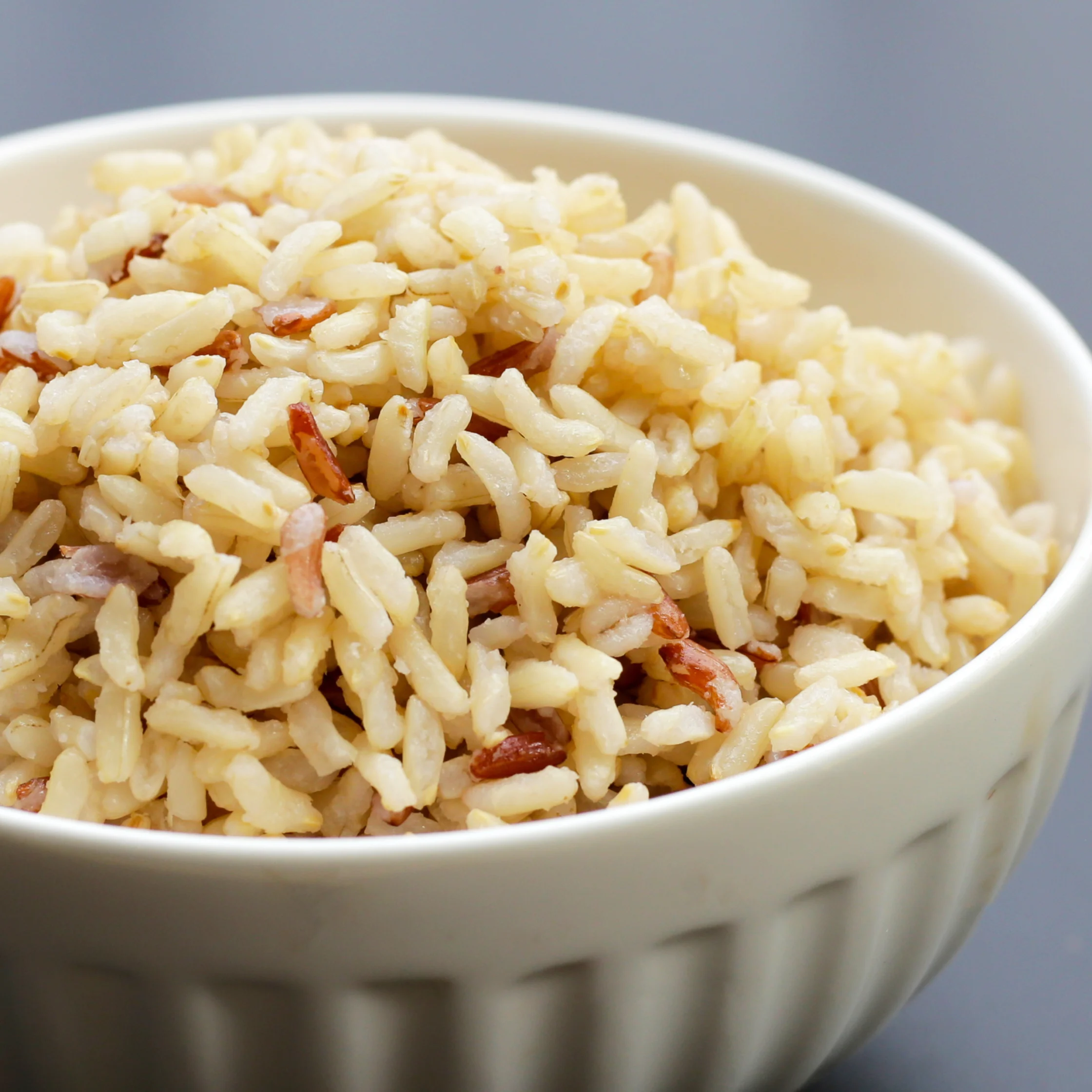
You can also consider switching to other versions of some of your favorite staples. Rather than buying the white bread and pasta you’d usually get, see if there are high-fiber or whole-grain alternatives that you think taste just as good.
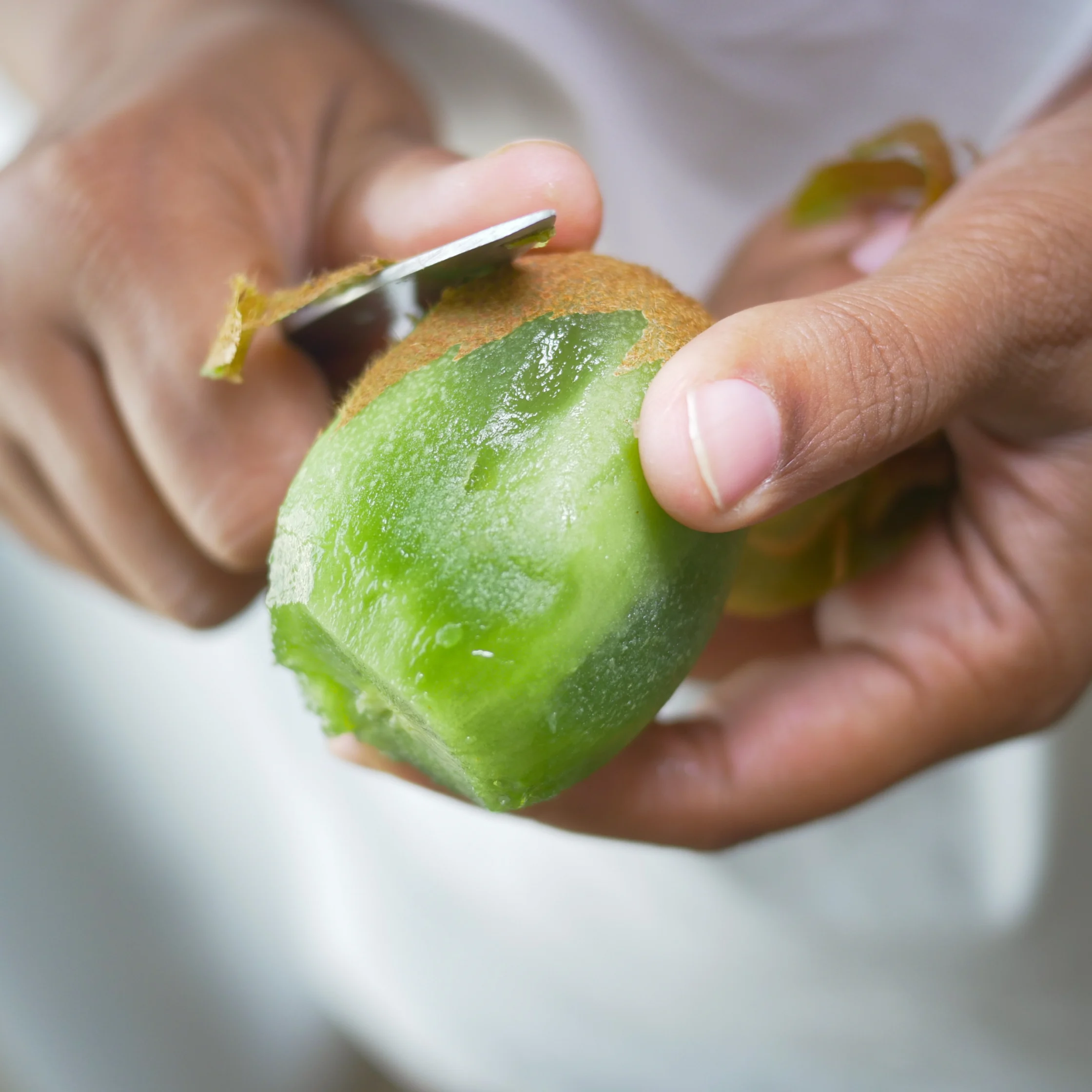
A huge chunk of a plant’s fiber hides right in its peel. So next time you’re prepping stews, keep the skins on your potatoes, carrots, and sweet potatoes. At home, my sister specifically requests our yaya Ate Julie to leave the potato skins on whenever she cooks menudo, Filipino curry, and other dishes. You can even do this with the skins of fruits like apples, pears, peaches, and kiwi (I remember one of my close cousins flipping out when we explained to her how you can indeed eat kiwi skins!).
For dishes that already feature mild, high-fiber staples like malunggay, kangkong, and sayote, boosting your intake is as simple as tossing in extra portions while cooking. Because these ingredients integrate so seamlessly, doubling their amount substantially increases the fiber count without changing the dish’s core flavor or texture.
Another thing worth stressing: Fiber needs water to do its job and move smoothly through your digestive tract. As you eat more fiber, make sure you are drinking plenty of water or even fresh buko juice and clear broth throughout the day to keep everything running smoothly.

Reclaiming your health doesn’t mean stopping yourself from eating the food you love or chasing expensive and oftentimes misleading wellness trends.
By making simple swaps, keeping the skins on, and generous portions of local gulay, hitting your daily fiber goals is as natural as it is delicious. Start small, drink plenty of water, and be open to how these small, everyday tweaks can transform your plate.

Frequently Asked Questions
Most health guidelines recommend 25 to 38 grams of fiber per day for adults (about 25g for women and 38g for men).
Recent studies show that the average Filipino adult consumes only around 7.97 grams daily, which means meaning most of us get barely a third of what our bodies actually need.
Yes, ramping up your fiber intake overnight can cause digestive discomfort, including gas, abdominal cramping, and bloating. To avoid this, increase your fiber intake gradually over a few weeks so your gut microbiome has time to adapt.
Soluble fiber dissolves in water to form a gel-like substance that slows digestion, helps you feel full longer, and regulates blood sugar and cholesterol levels. Insoluble fiber does not dissolve in water; instead, it adds bulk to your stool and helps move food smoothly through your digestive tract to promote bowel regularity.
Plenty of everyday Filipino staples are rich in fiber, including monggo, malunggay, kangkong, ampalaya, sitaw, talong, kamote, sayote, gabi, saging na saba, papaya, and pineapple. Unpolished local rice varieties like brown or red rice are also excellent sources.
Cooking breaks down plant cell walls and changes the texture of vegetables, but it does not destroy the fiber itself. While some water-soluble vitamins can leach into cooking liquid (which is why nutrient-rich soups like sabaw ng tinola or sinigang are great to drink!), the actual dietary fiber remains intact and beneficial for your gut.