

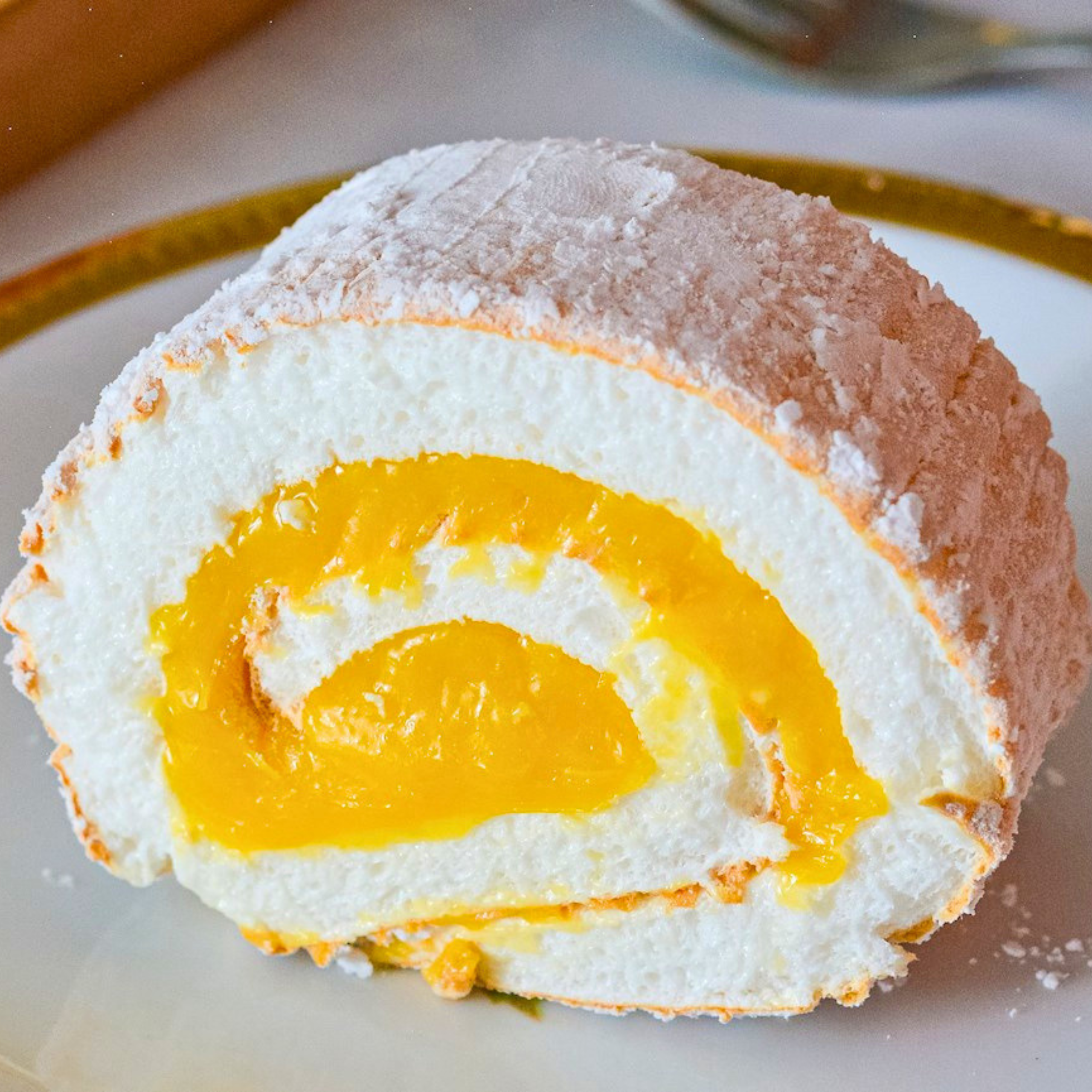
Soft as a cloud, creamy, and delightfully sweet, Brazo de Mercedes is one of the Philippines’ most cherished desserts.
A delicate meringue roll stuffed to the seams with a rich custard filling, it’s a staple at family gatherings, birthdays, holidays, and every other special occasion across the country. But while it looks elegant and impressive, its story is surprisingly simple and deeply connected to the country’s history.
The Sweet History Behind Brazo de Mercedes
Brazo de Mercedes, as the name suggests, dates back to when the Philippines was still under Spanish rule. During this time, Spanish culture heavily influenced Filipino cuisine, which meant new ingredients, cooking techniques, and desserts that would eventually seep into our already delicious local food traditions.
The name Brazo de Mercedes is commonly translated as “Arm of Mercedes.” But it more accurately refers to Nuestra Señora de las Mercedes or “Our Lady of Mercy,” a devotional title for the Virgin Mary—referencing the country’s assimilation into Christianity. The dessert’s rolled shape is also said to resemble an arm, giving it the unique name that has been passed down throughout generations.
The Fascinating Egg Story Behind Brazo de Mercedes
Its name isn’t the only thing interesting about the Brazo de Mercedes because one of the most fascinating stories behind it involves eggs—lots of them.
According to popular belief, egg whites were once used in the construction of Spanish colonial churches and buildings, leaving cooks and communities with an abundance of egg yolks. Rather than letting these nutrient-dense, golden yolks go to waste, they repurposed them into rich custards and sweets. Brazo de Mercedes is thought to be one delicious result of that ingenuity.
It’s become a beloved part of the decadent dessert’s history, and it also highlights the resilient resourcefulness that’s often associated with Filipinos.
How Brazo de Mercedes Is Made
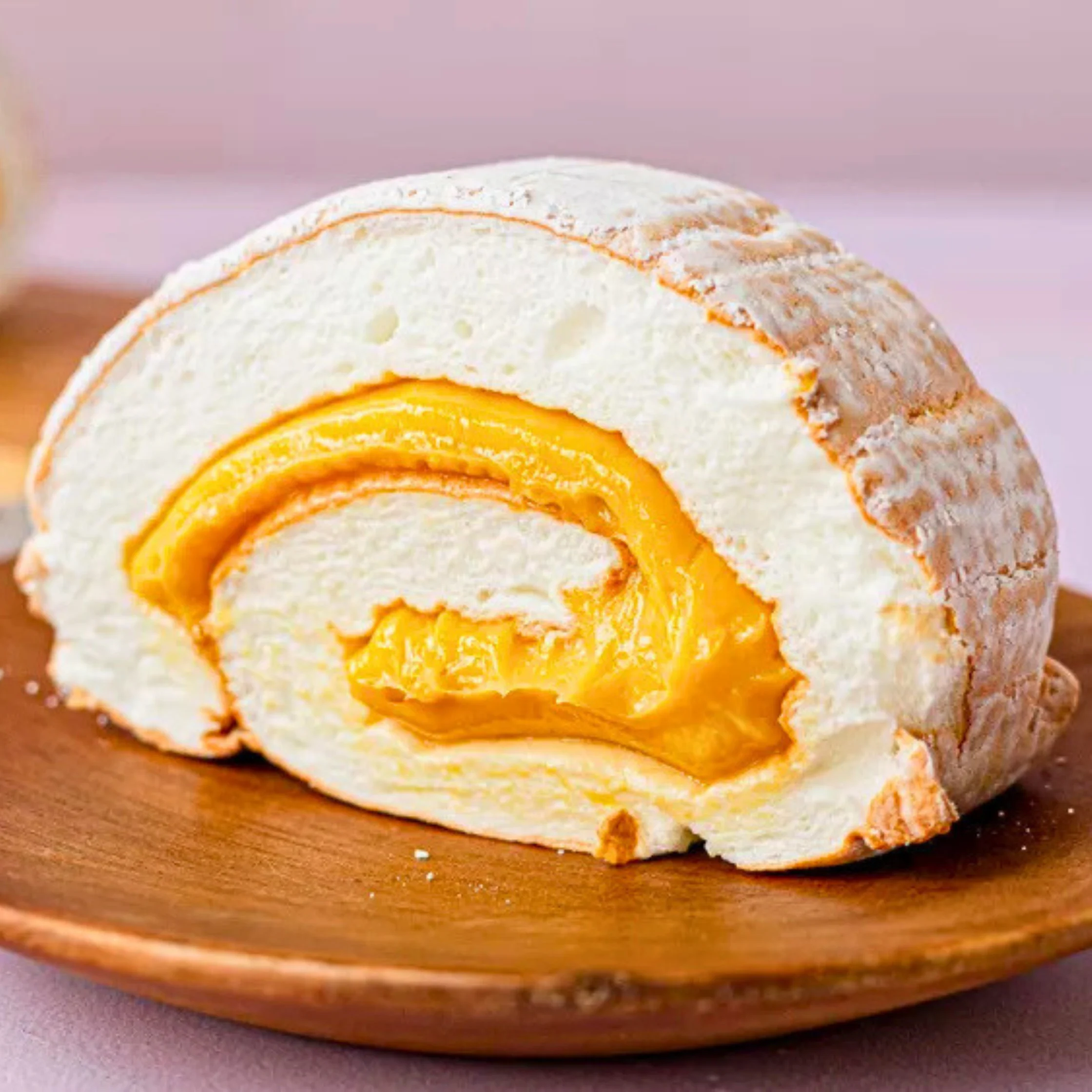
Like its history, the recipe itself is surprisingly simple. A fluffy meringue is made by whipping egg whites, sugar, and cream of tartar until light and airy. Meanwhile, the custard filling is prepared with egg yolks, condensed milk, vanilla, and sometimes a touch of lemon or lime zestZestThe colorful outer peel of citrus fruit, grated or peeled in thin strips to add concentrated aroma and flavor without the sourness of juice. In Filipino kitchens, calamansi and dayapGo to Zest Glossary for extra brightness.
Once baked, the meringue is coated in the creamy custard then eventually rolled into its signature shape before getting dusted with powdered sugar for that classic finish. But Brazo de Mercedes isn’t just special because of how it looks. It’s special because of its one-of-a-kind texture. With a soft and light meringue, it melts in your mouth while the golden custard simultaneously rushes in to add richness and sweetness.
It’s the perfect balance of airy and creamy, making it a favorite even for those who usually find meringue desserts too sweet. And for many Filipinos, Brazo de Mercedes is more than just a dessert—it’s a nostalgic treat that brings back memories of celebrations and meals with the people who matter most.
While the classic custard-filled version still reigns supreme, modern bakers have introduced creative variations over the years. Fillings such as ube, chocolate, coffee, and mango have given the dessert a contemporary touch while still preserving the signature meringue roll.
Despite these innovations, many still return to the traditional recipe, appreciating its simplicity and timeless appeal.
A Sweet Slice Of Filipino Heritage
Today, Brazo de Mercedes remains one of the Philippines’ most iconic desserts. Its humble ingredients, rich history, and nostalgic flavor continue to win over both hearts and stomachs. Whether enjoyed with a hot cup of coffee, served at a family celebration, or baked at home for the very first time, every slice offers a sweet taste of Filipino heritage and tradition.

Frequently Asked Questions
Brazo de Mercedes is a classic Filipino dessert made of a soft meringue roll filled with rich custard.
The name translates to “Arm of Mercedes” and is believed to reference Nuestra Señora de las Mercedes, or Our Lady of Mercy.
While it has Spanish influences, Brazo de Mercedes is widely considered a Filipino dessert that evolved during the Spanish colonial period.
It is made with whipped egg whites, sugar, cream of tartar, egg yolks, condensed milk, and vanilla.
The dessert relies on egg whites for the meringue and egg yolks for the custard filling.