


The Filipino purple yam, known for its vivid violet color and mellow, vanilla-like flavor. Cooked and mashed into ube halaya, it colors and flavors ice cream, cakes, ensaymada, and pandesal, and has become one of the Philippines’ most recognizable dessert ingredients worldwide.
Ube

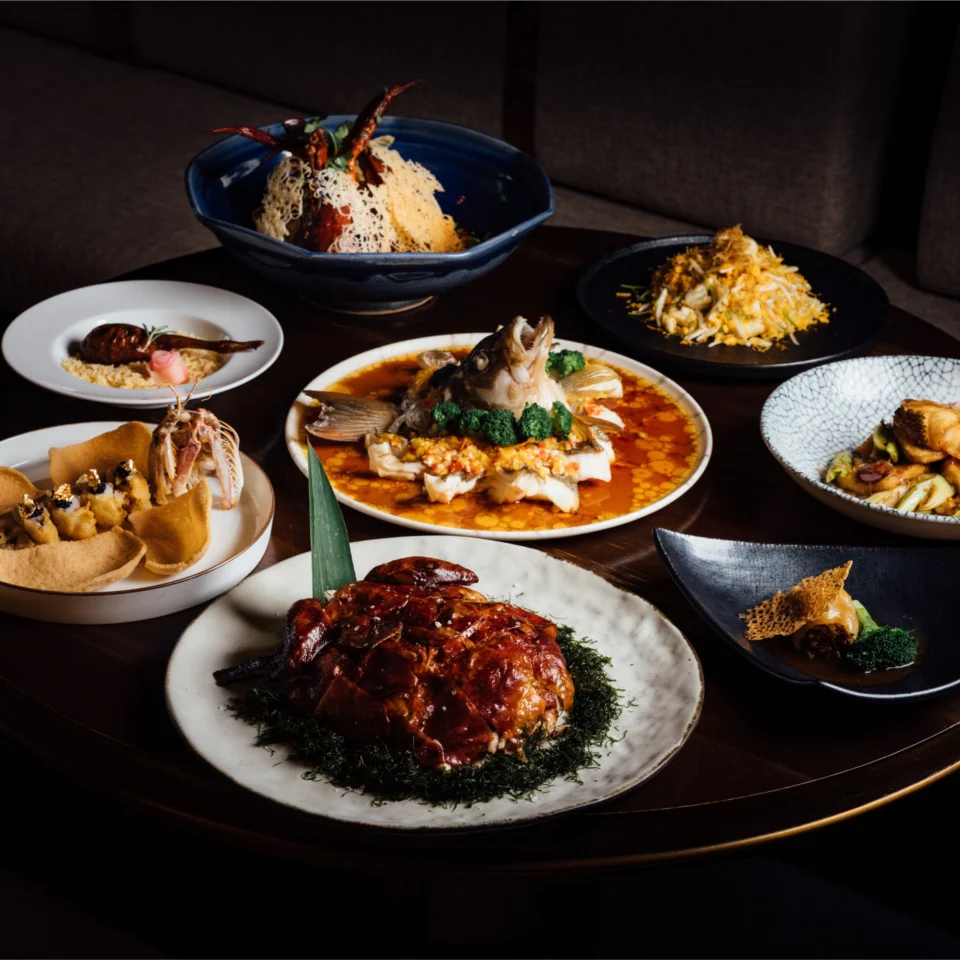
Once the culinary playground of emperors, Beijing now boasts a vibrant food scene where centuries-old traditions are reimagined through contemporary tasting menus, world-class technique, and the country's finest ingredients.
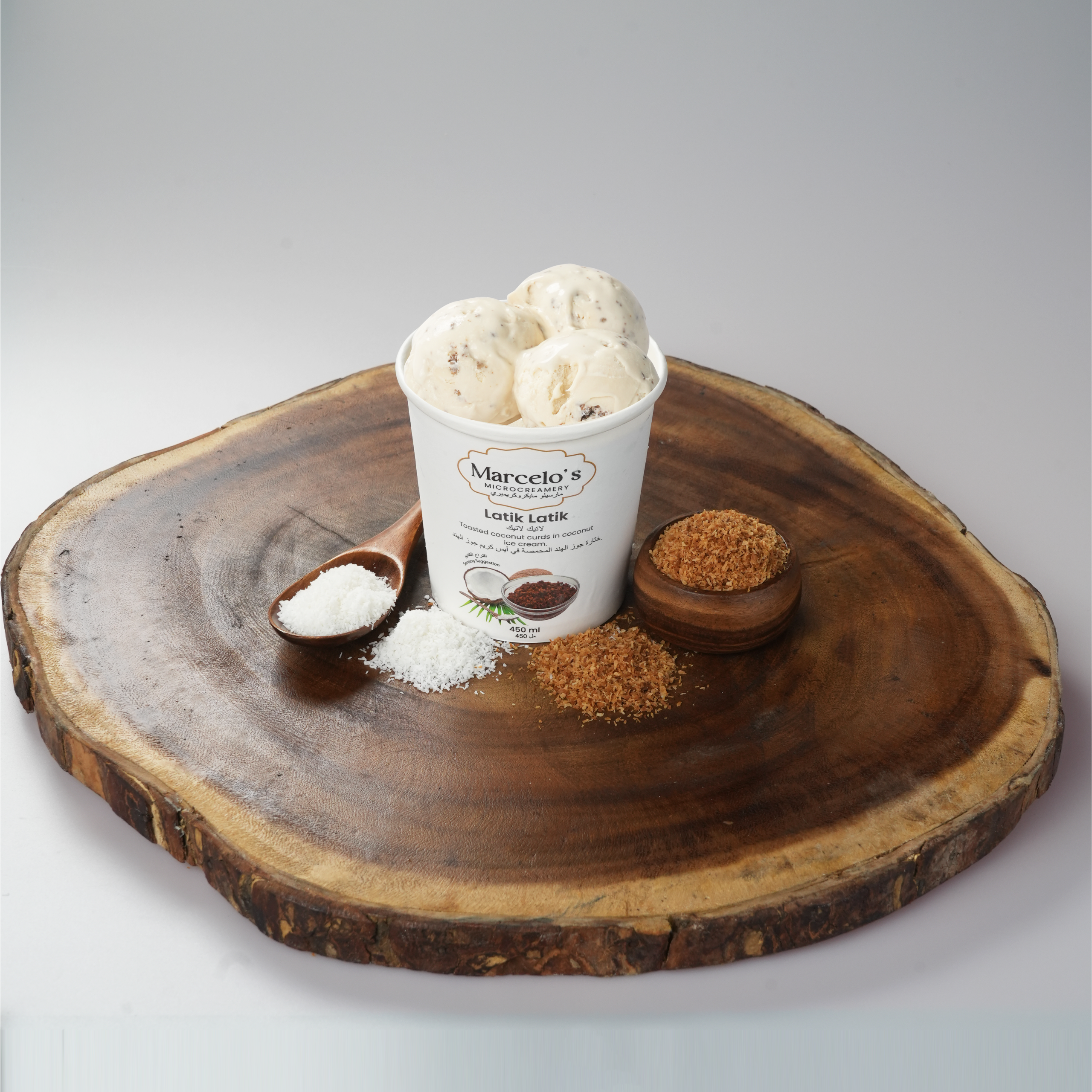
What started as an aha moment in a grocery store freezer aisle has become a mission to prove that Filipino flavors deserve a place among the world's finest desserts.
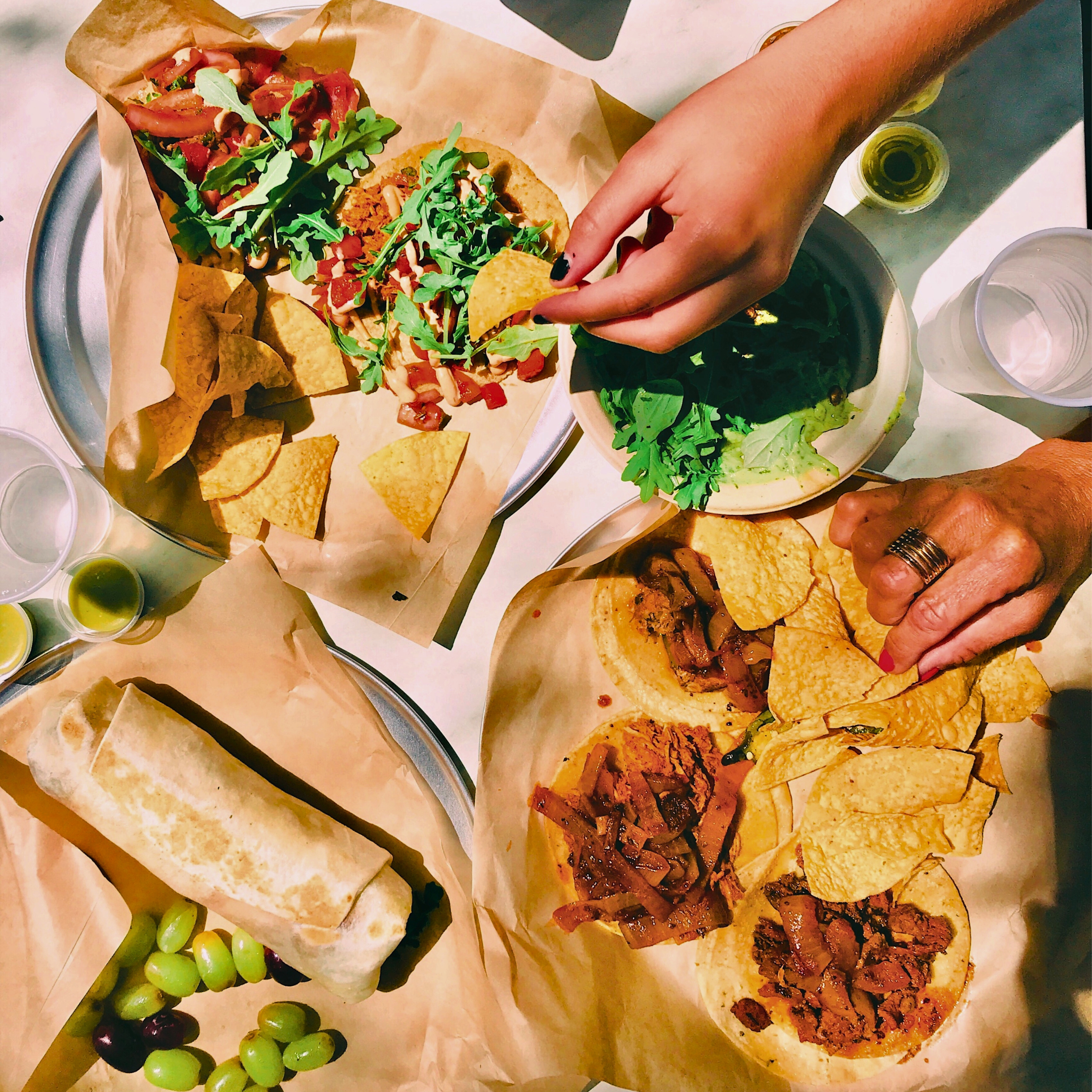
Whether prompted by social media, pop culture, or the lockdown, these viral food trends left a lasting mark on the way Filipinos eat.
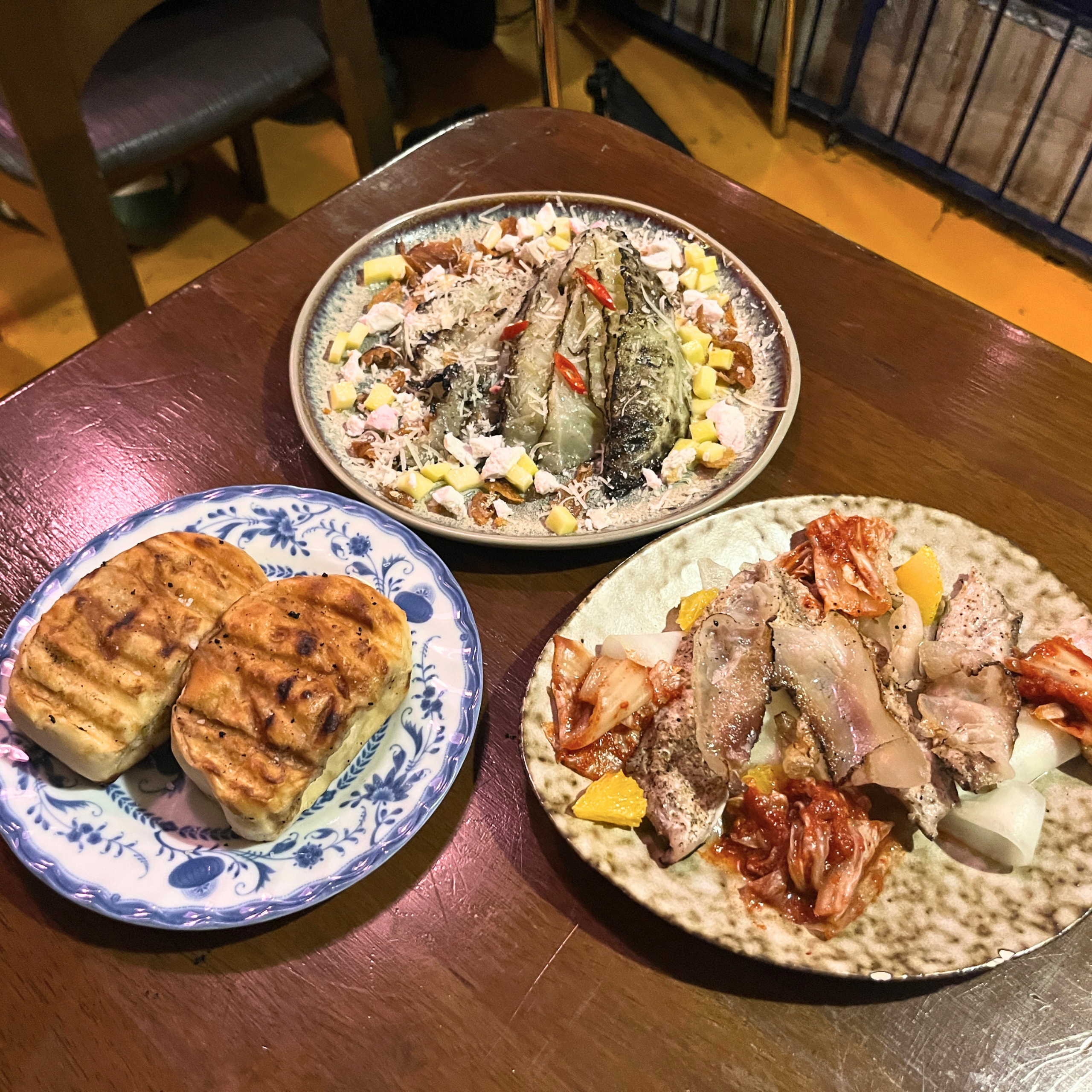
At his new Poblacion restaurant, the filmmaker swaps scripts for smoky grills, proving that his bold storytelling works just as well on a plate.
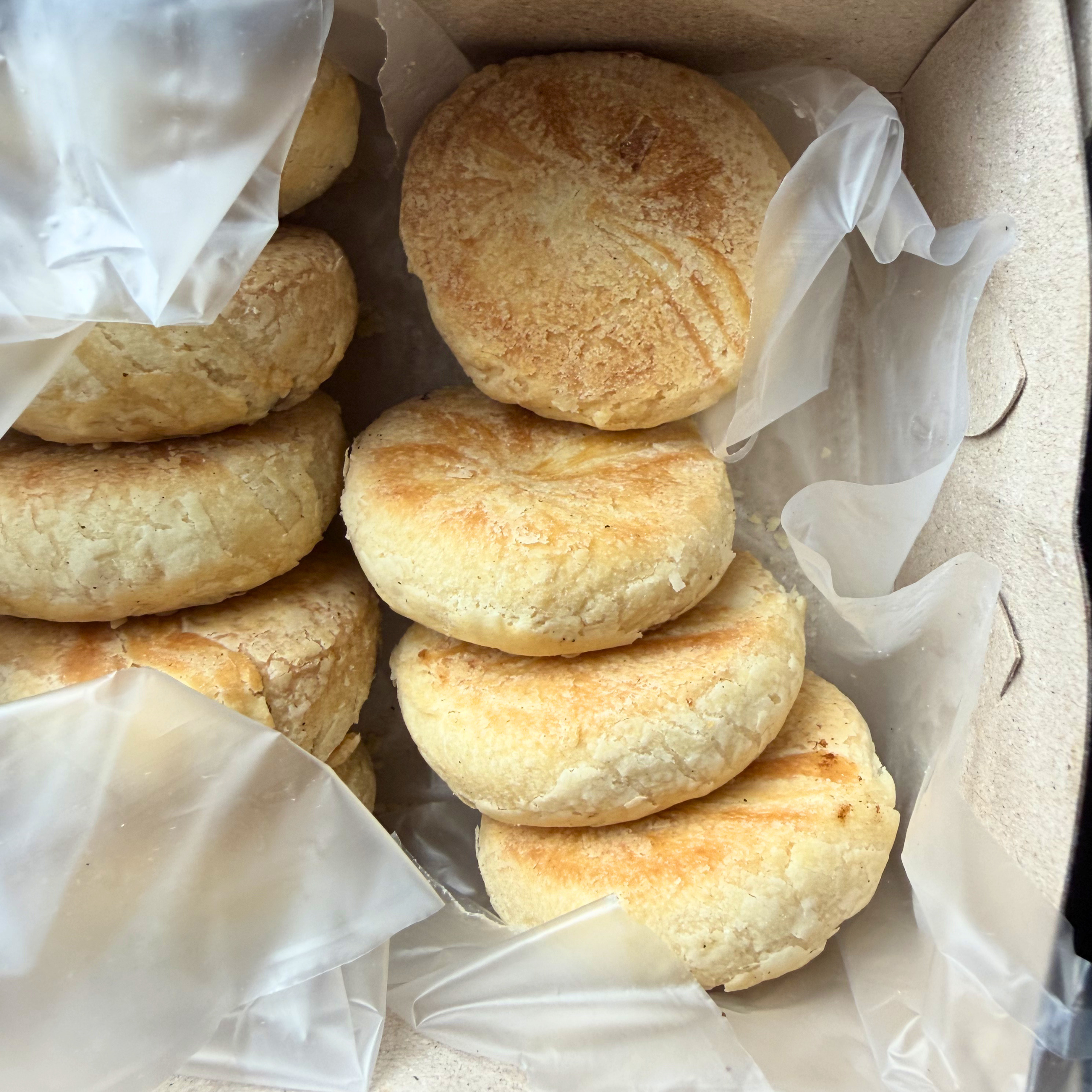
You may come for the crocodile sisig and tamilok, but it's these local delicacies that deserve a place in your suitcase.
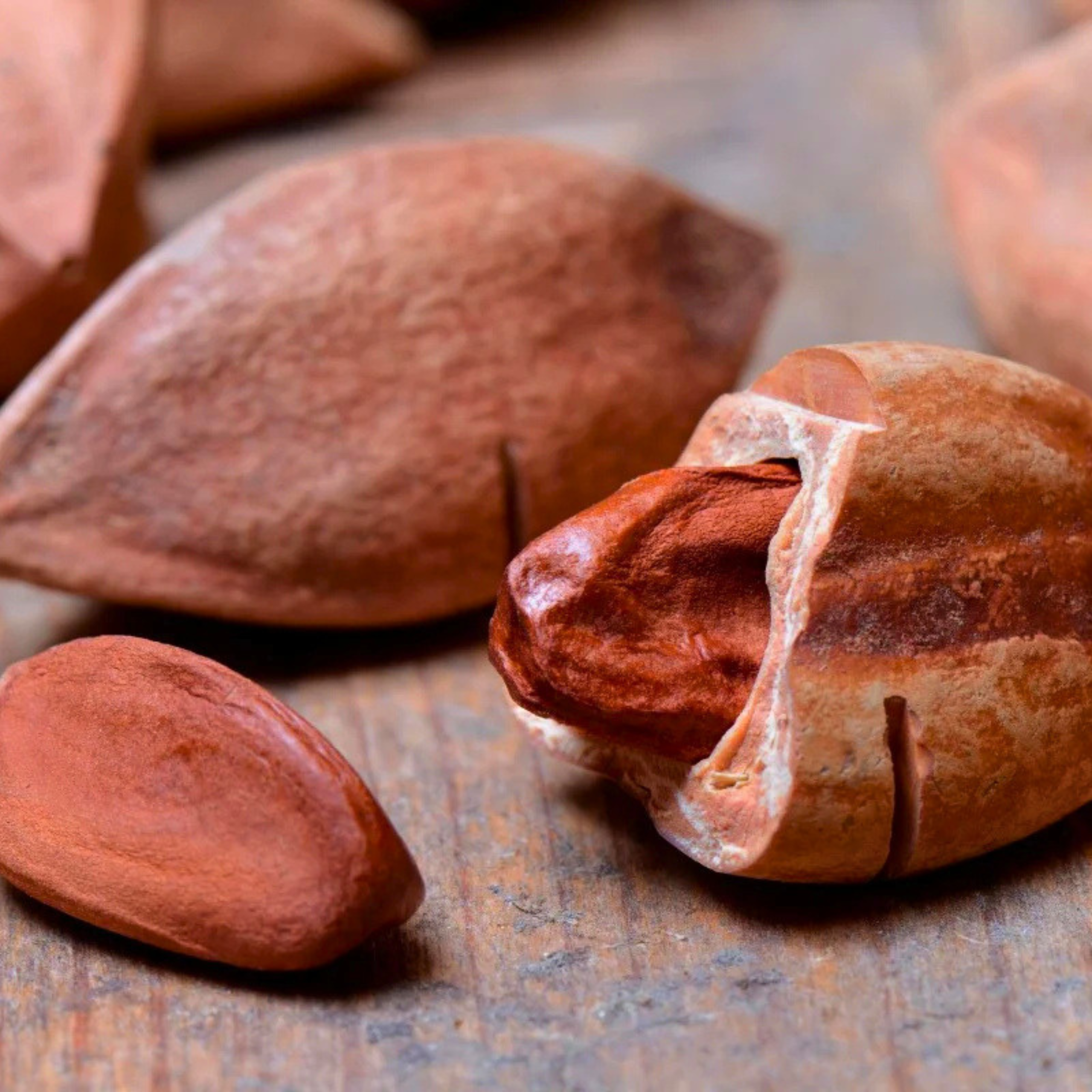
Once considered a simple pasalubong from Bicol, the pili nut is steadily gaining global recognition thanks to its rich flavor, impressive nutrition, and remarkable versatility.
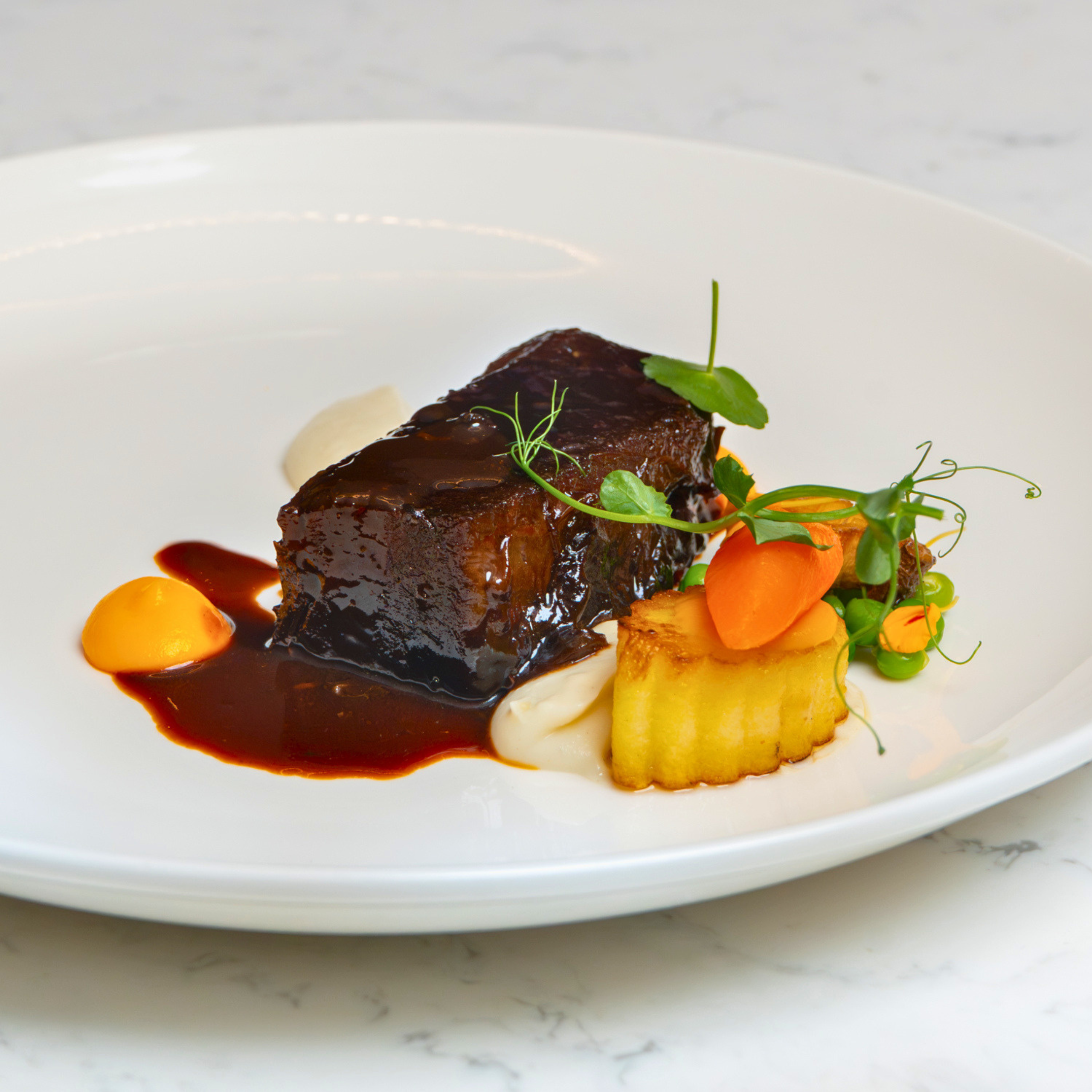
The Westin Manila and Aton Cacao spotlight the journey of Philippine cacao—and the farmers and artisans behind it.
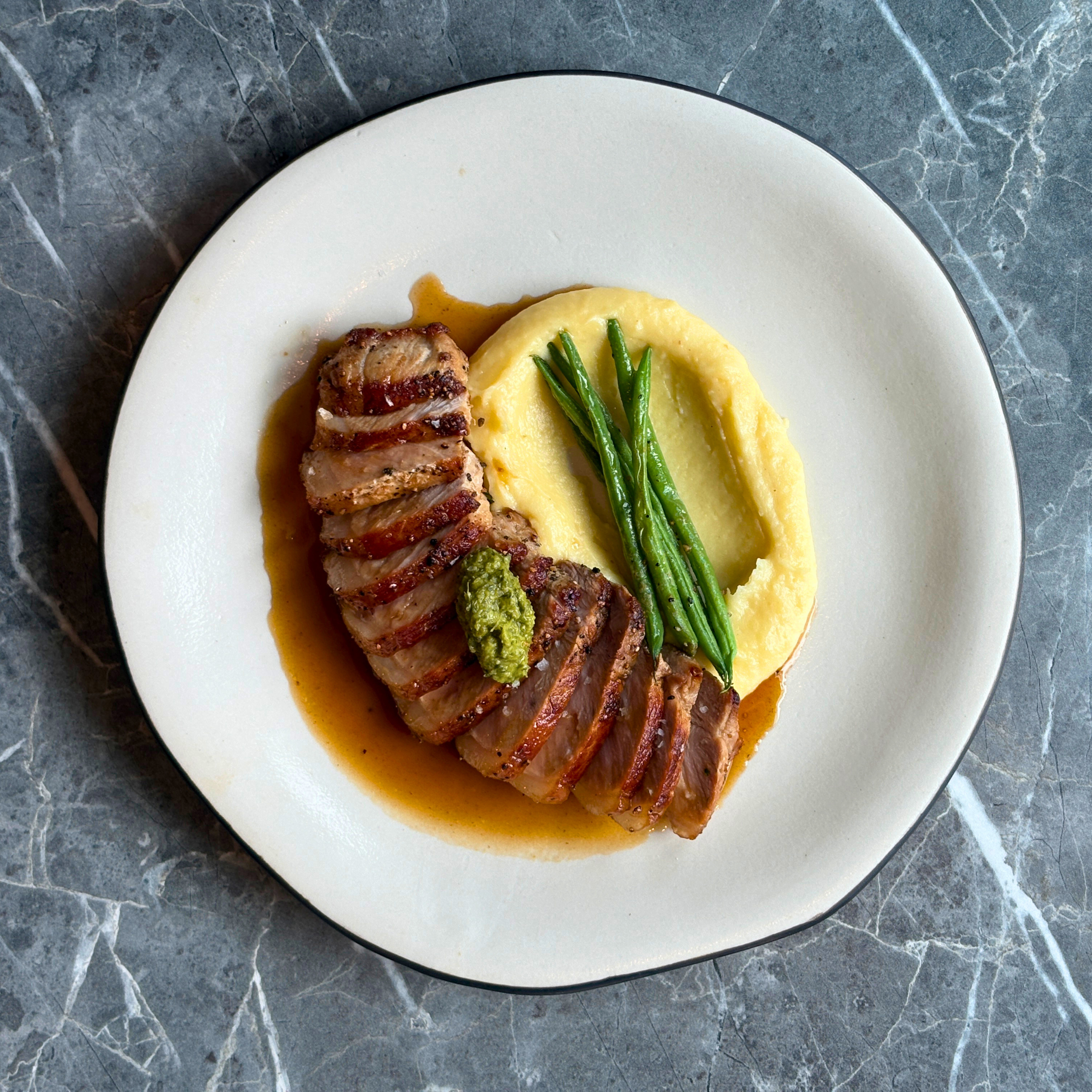
Chef Chad Ayson's new savory menu showcases the side of the brand, and the chef, that diners may not have seen before.
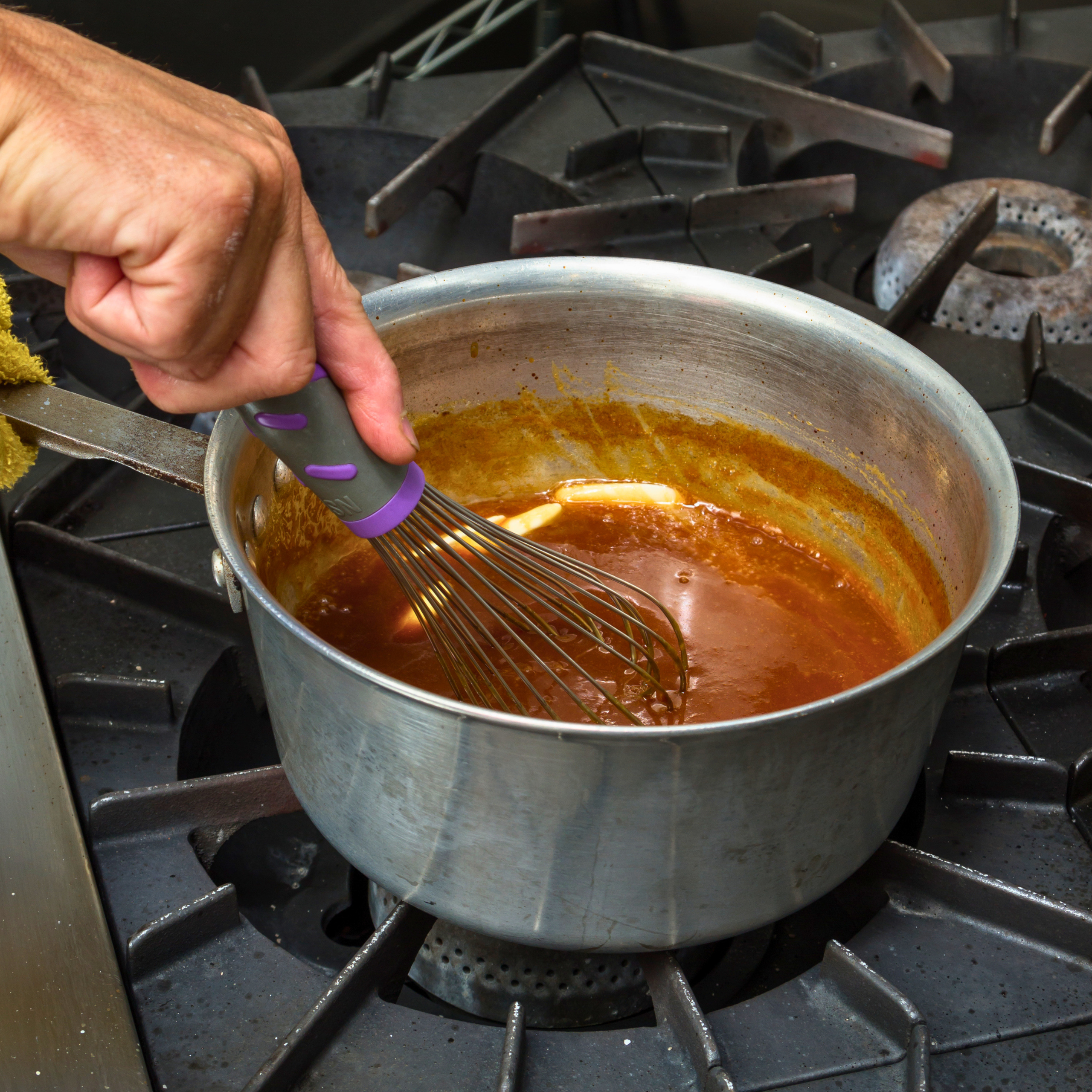
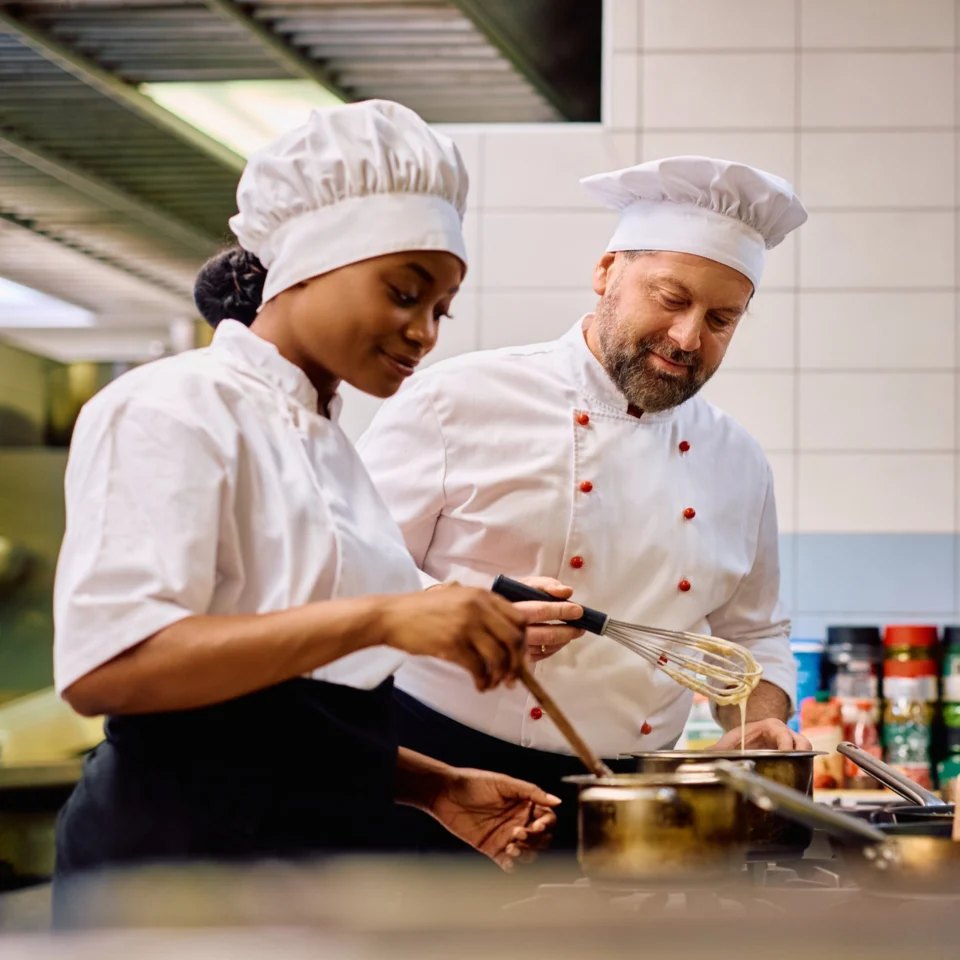
A thin sauce can make or break a dish. Here's how to get the texture just right, from quick fixes to classic culinary techniques.
Page of 7
You May Also Like
Advertisement