

Held last Saturday at The Glass House of New World Makati Hotel, “Kakanin…Kain!” brought together the flavors, traditions, and people behind one of the Philippines’ most enduring culinary treasures—our kakanin.
Organized by the Philippine Heritage Kitchen spearheaded by chef Reggie Aspiras, with the help of the Center for Culinary Arts Manila, the one-day event looked beyond our beloved rice-based delicacies, presenting kakanin as edible records of the country’s communities, celebrations, and traditions.
How Filipino Artisans Are Keeping Traditional Kakanin Alive
Over 50 regional specialties from across the archipelago laid out on a beautiful spread showcased the diversity of Filipino kakanin, while artisans offered guests a closer look at the techniques that continue to keep these delicacies alive with a string of cooking demonstrations. More importantly, the festival put the spotlight on the people behind them, creating an opportunity to hear the stories behind their recipes and understand how knowledge has been passed from one generation to the next.
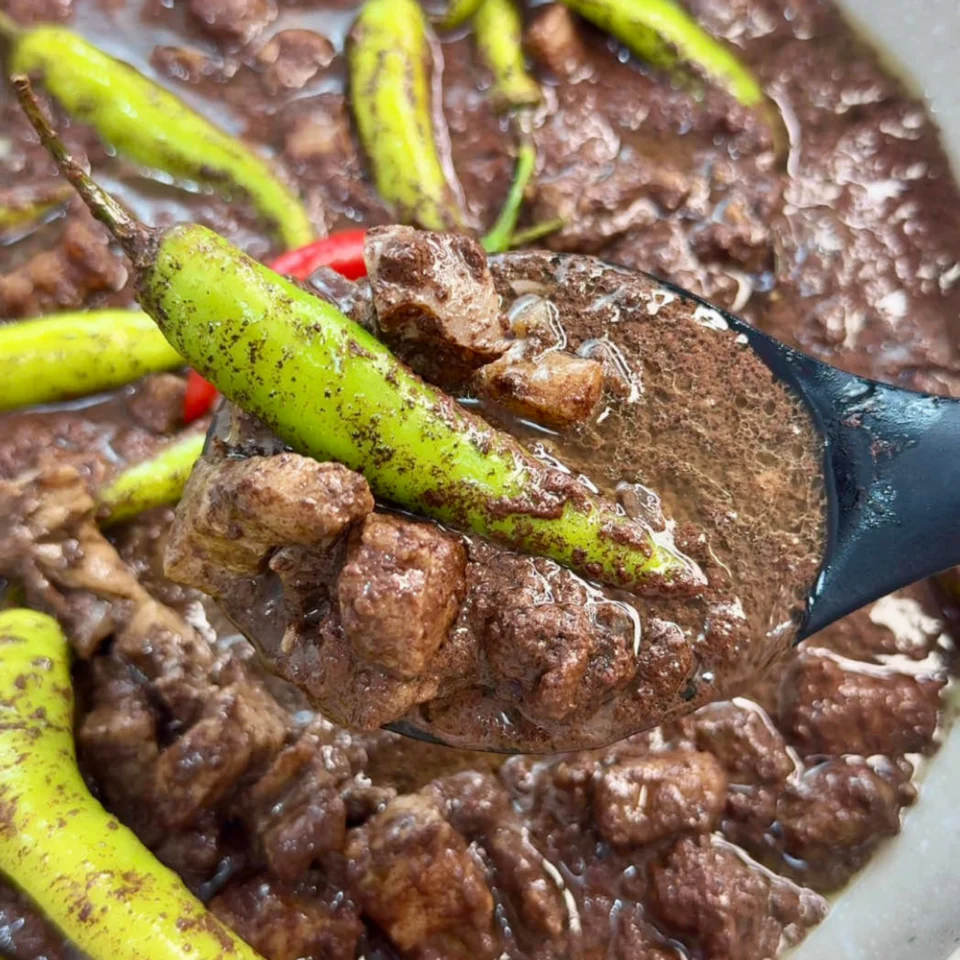
Among the festival highlights was Amparo, chef Reggie Aspiras’ signature merienda spread and a deeply personal tribute to her mother, Amparing Aspiras. Inspired by the dishes her mother lovingly prepared for family gatherings and special occasions, the buffet recreated the comforting flavors of chef Reggie’s childhood—and the food memories that continue to influence her cooking today. The menu included Agoo Dinuguan with Chicharon Bulaklak, Kalabasa Arroz Caldo, Heirloom Pancit Palabok, Jamon ala Amparing, and Binignit.
Food scholar Ige Ramos clarifies that kakanin doesn’t only classify dishes that use rice–its scope goes further. “There is a persistent misconception that kakanin derives from kanin, or cooked rice, but historical records tell a very different story. Early Tagalog-Spanish dictionaries from the 17th century define kakanin as comidilla—a small snack or morsel of food. Its true root is kain (to eat), not kanin.
While the holy trinity of rice, coconut, and sugar, which I refer to as the crops of oppression in my book Dila at Bandila, forms the foundation of our kakanin traditions, the category itself is far more diverse. Authentic kakanin can be crafted from nearly any indigenous starch, including bananas, sweet potatoes, cassava, corn, millet, Job’s tears, and even sago harvested from the trunk of sago palms.”
10 Unique Filipino Kakanin That Showcase the Country’s Rice Cake Traditions
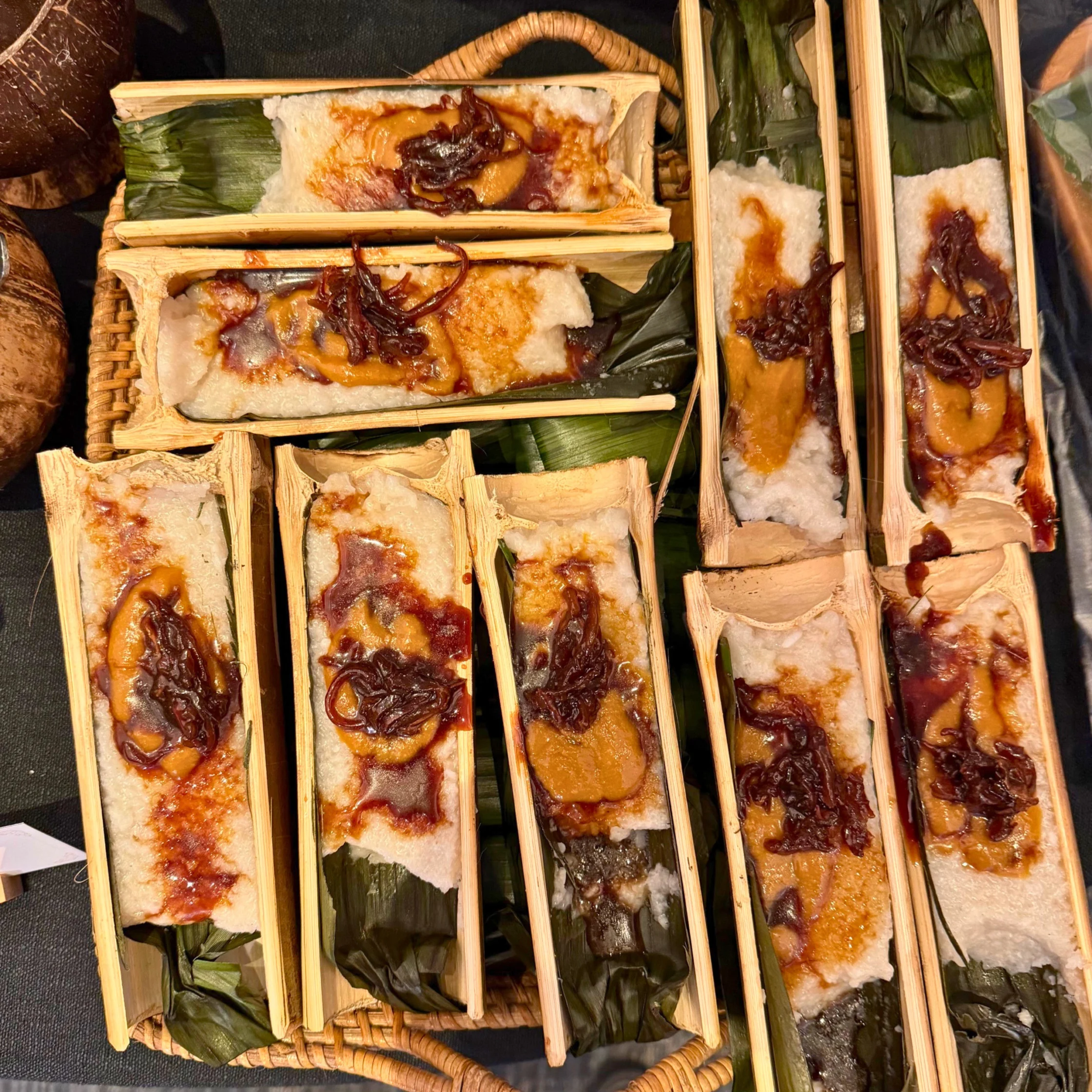
1. Tikoy sa Tukil
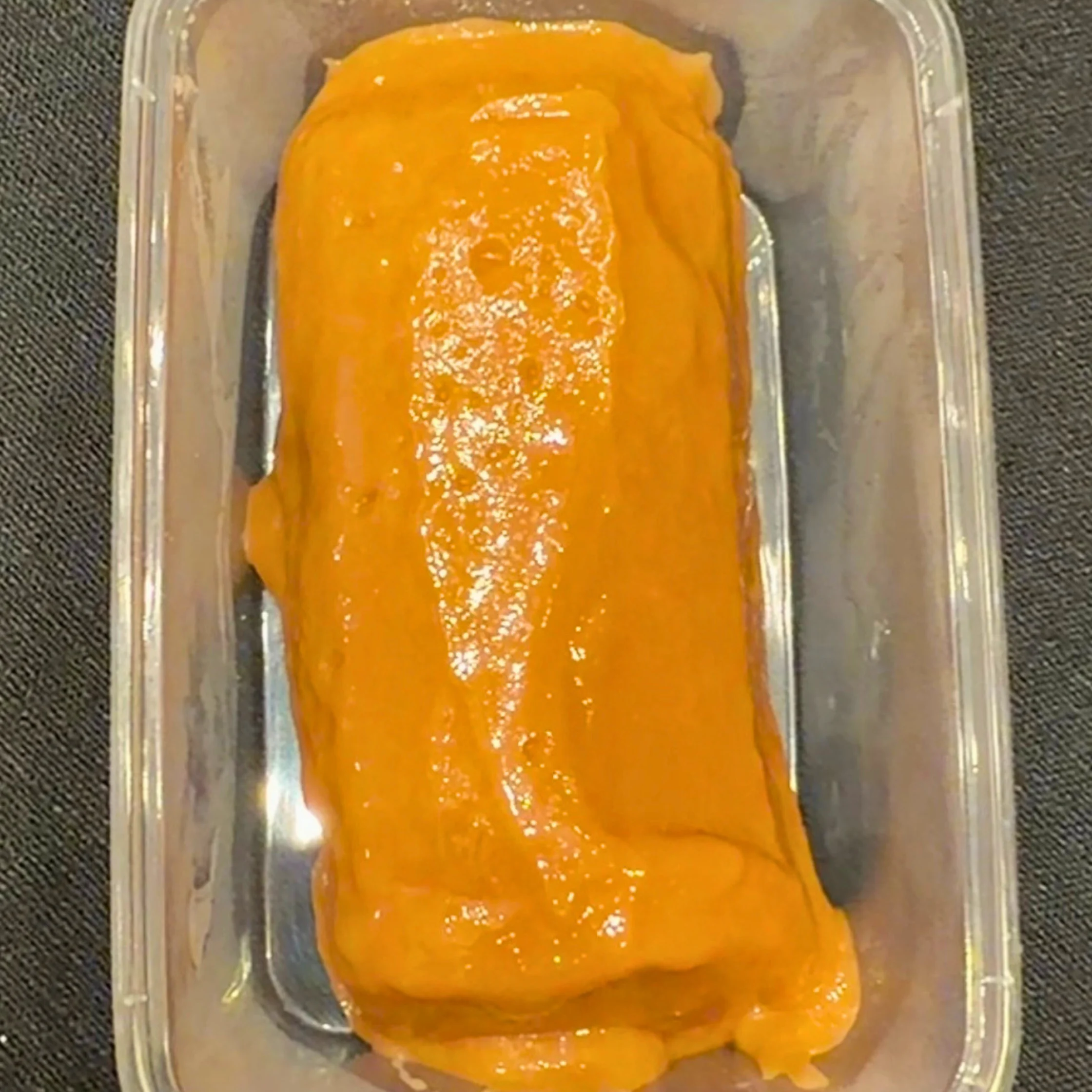
Originating from Nagcarlan, Laguna, the Tikoy sa Tukil is a traditional Filipino delicacy where sticky rice dough or galapong is placed inside a tube of bamboo (called tukil) and cooked low and slow, lasting up to 10 hours. Once done, the bamboo is split open and topped with a variety of sweet items, from latik to fruit jams.
2. Bingka Bisaya
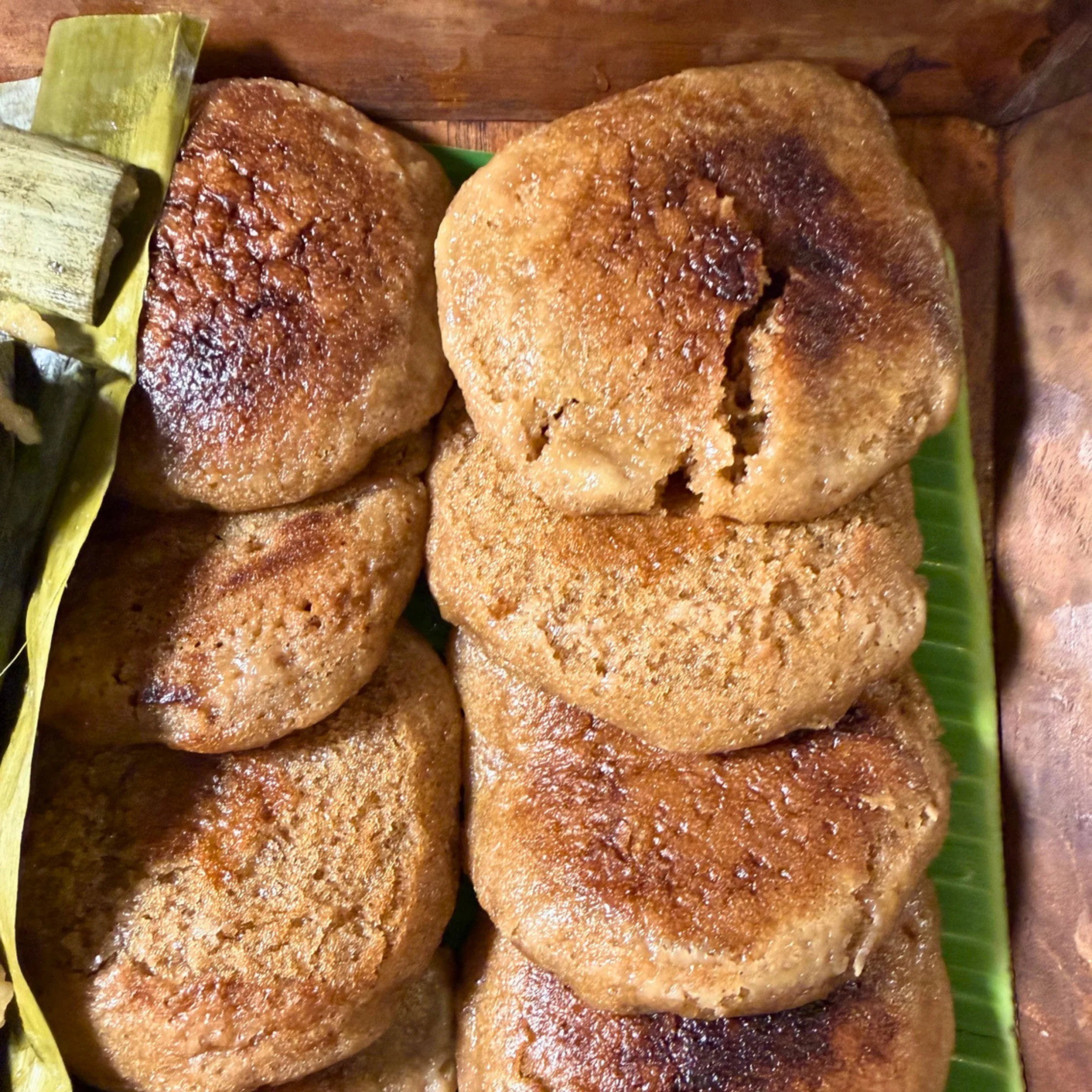
A variant of bibingka hailing from Visayas and Mindanao, this iteration of the classic steamed rice cake made with ground soaked rice or rice flour, coconut milk, sugar, and yeast is soft, fluffy and spongy. Wrapped in banana leaves, it can also come baked.
3. Binungey
A rice cake from the town of Bolinao in Pangasinan, binungey is composed mainly of sticky rice, coconut milk, and salt, cooked inside a hollow bamboo tube that stand in the middle of an open fire. This cooking process is called “nungey.”
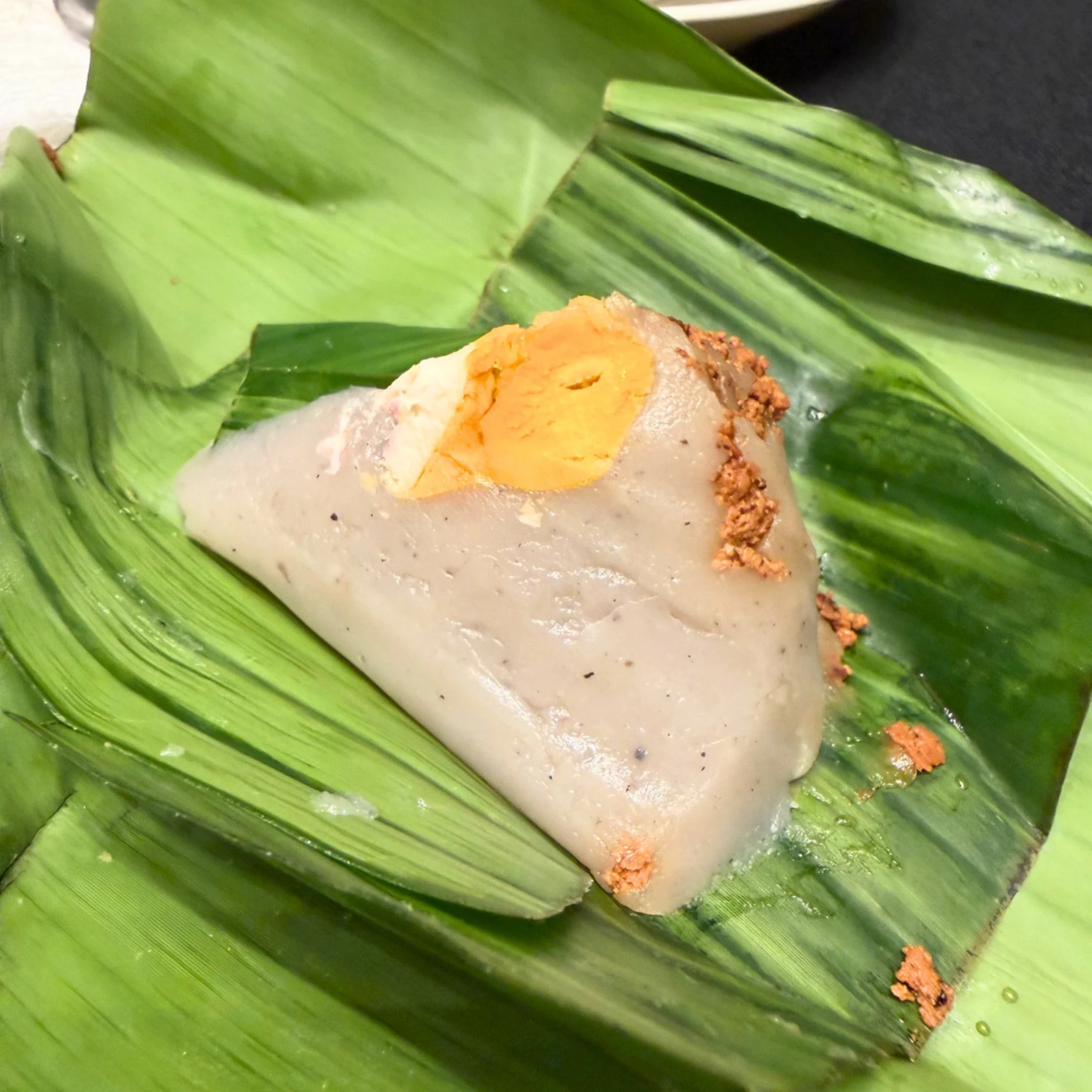
4. Bobotong
Also known as bobotu, this delicacy is Pampanga’s version of a tamales, which is made from ground rice that’s cooked in coconut milk. The bobotong is often studded with slices of salted egg, peanuts, chopped ham or shredded chicken.
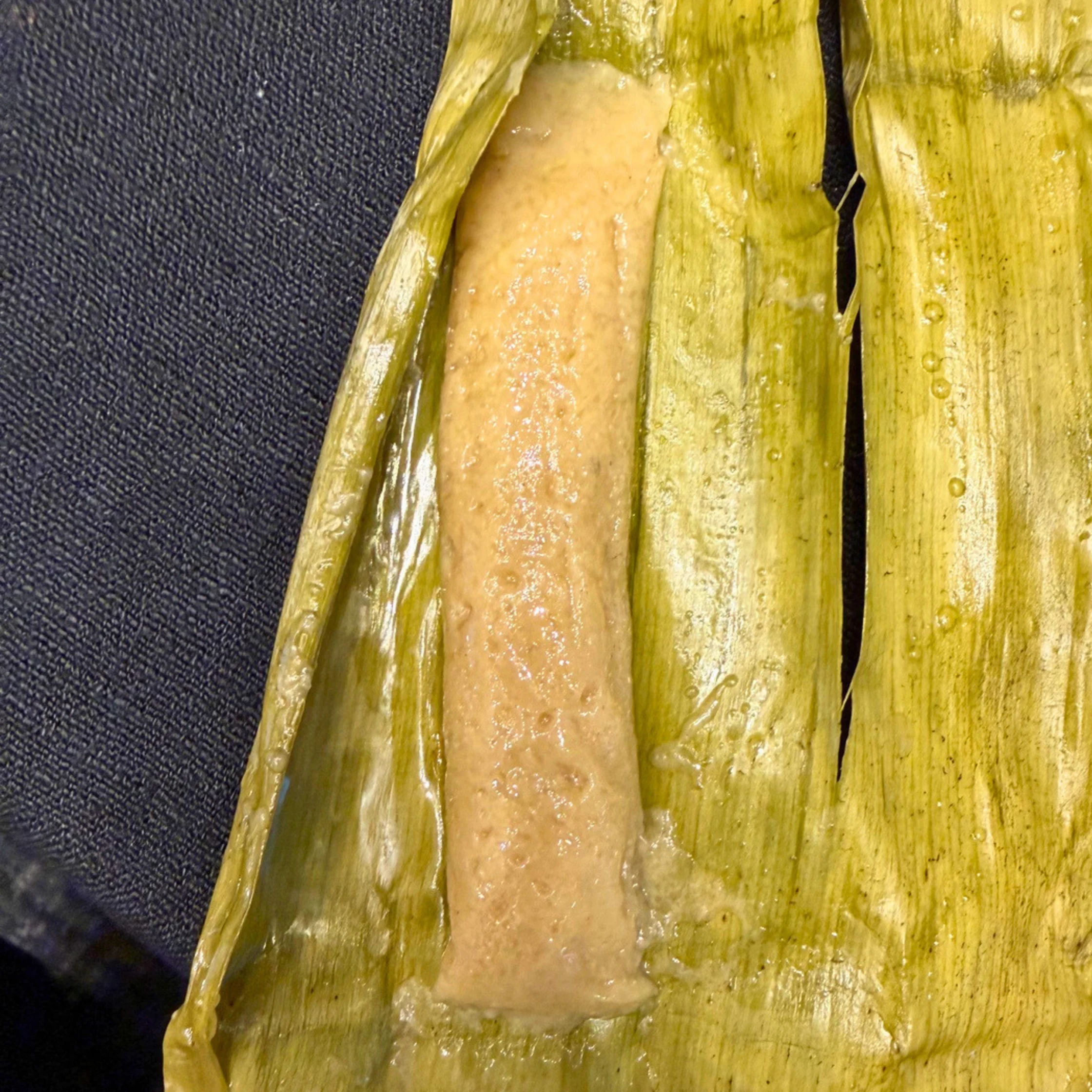
5. Budbud Kabog
Think of it as suman using wild millet seeds, not the usual glutinous rice. A specialty from Cebu, budbud kabog is cooked in rich coconut milk and sugar until thick, then wrapped tightly in banana leaves before being steamed.
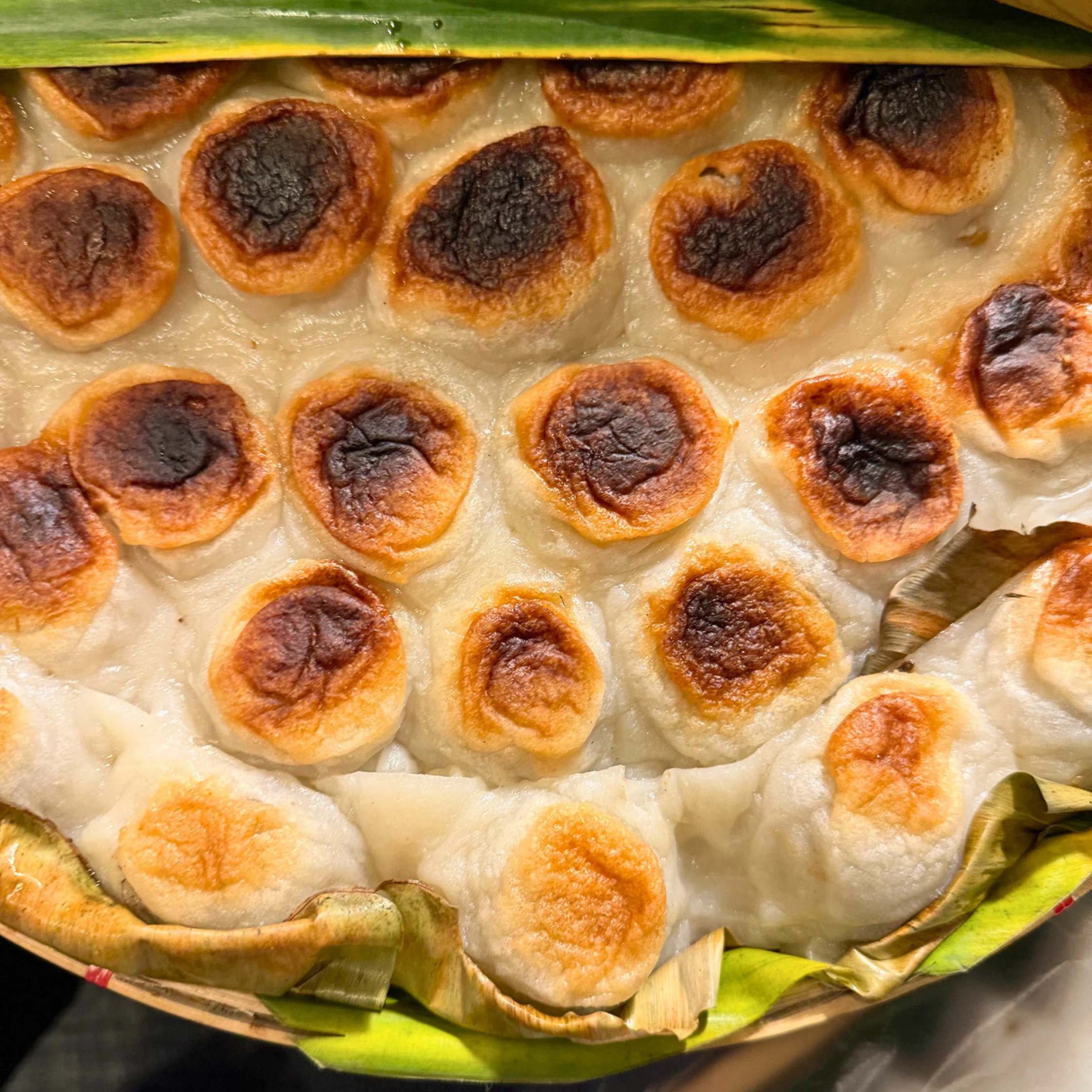
6. Hibok Hibok
Although the name sounds close to another kakanin made with carabao’s milk, this delicacy from Rizal resembles the bibingkoy where glutinous rice balls are filled with mung bean paste before cooked in coconut milk until toasted.
7. Puto Bao
This kakanin easily attracts anyone’s attention given its vibrant color, lent by the addition of ube flavoring or dark purple rice. Said to have originated from the Quezon Province, this puto is made of both regular and glutinous rice flour and filled with bukayo.
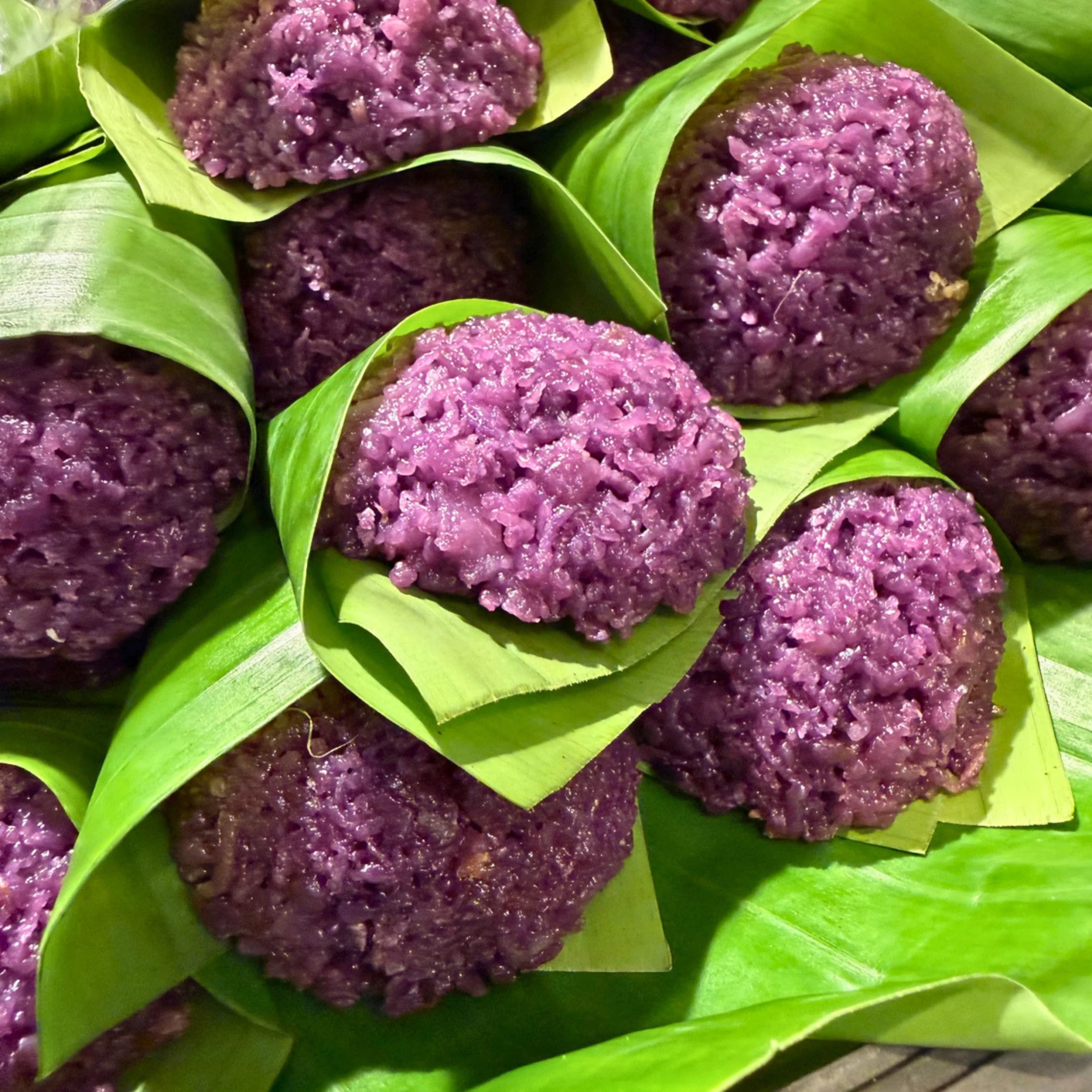
8. Sinukmani
Three ingredients make up this kakanin—glutinous rice, coconut milk and muscovado (or brown sugar). It is topped with coconut curds or latik. In other regions, it is also called biko.
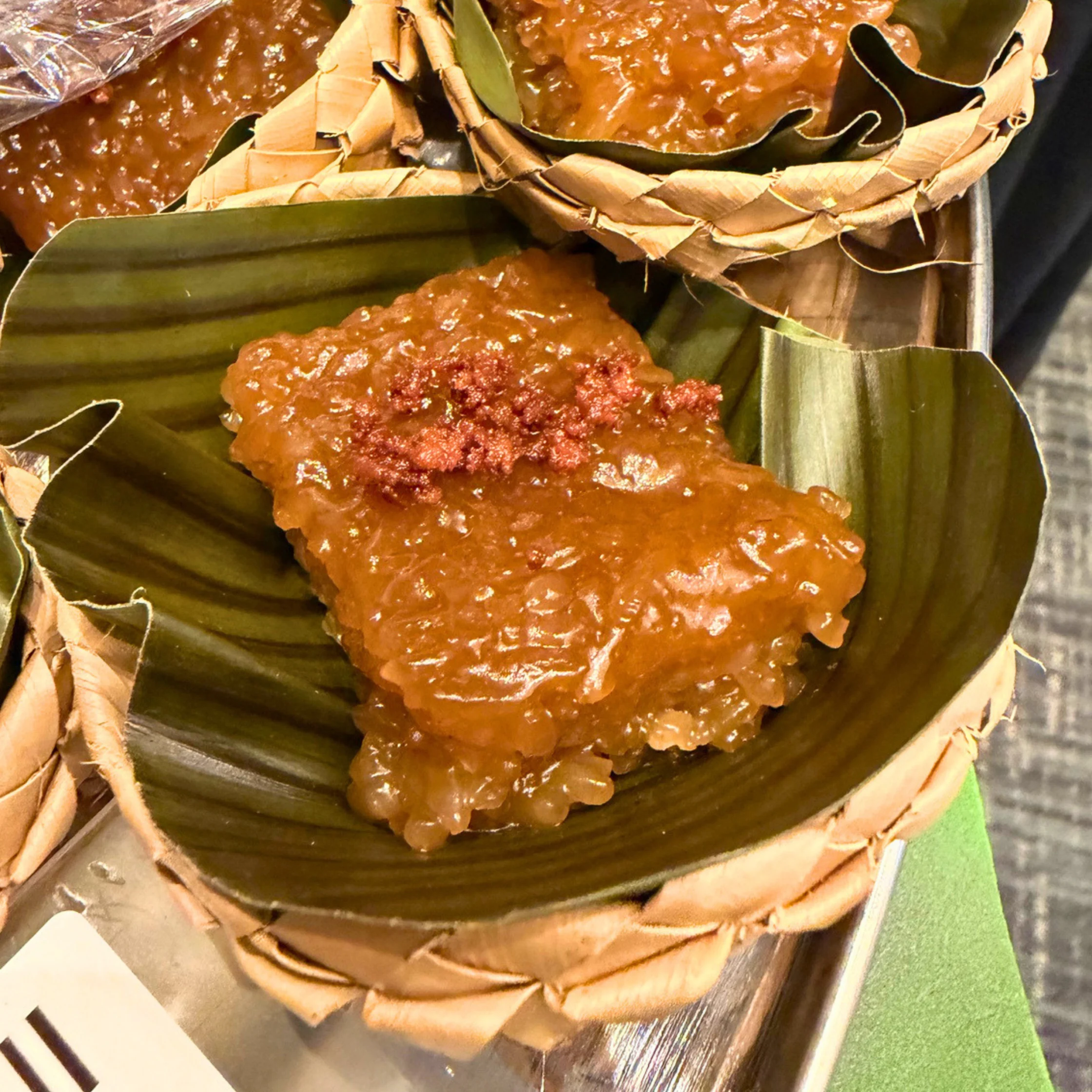
9. Mahang Bigas
Also known as rice maja, this kakanin combines coconut milk and regular milk, thickened with rice flour or galapong, to form into a set pudding. It is crowned with latik.
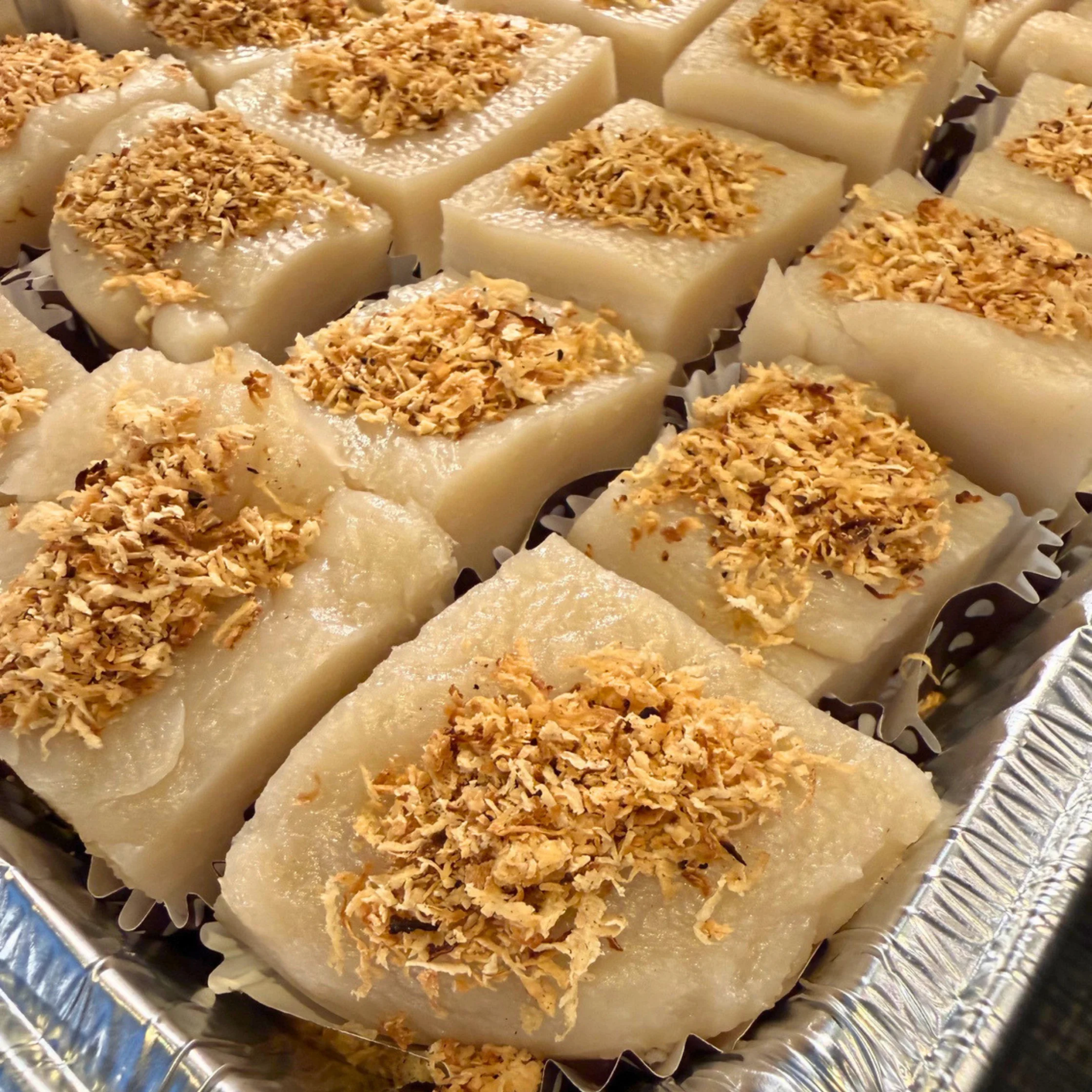
10. Pato Buli
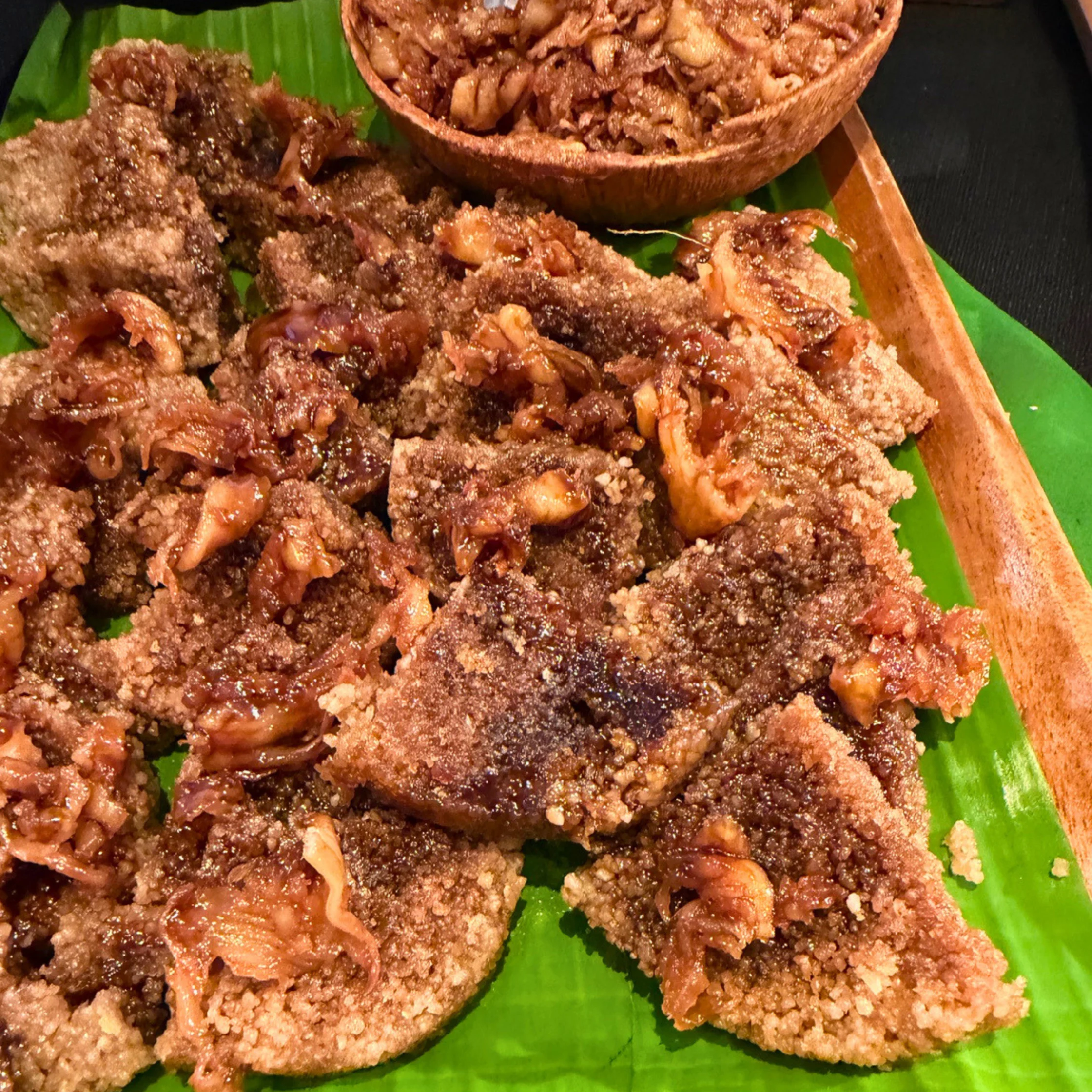
A delicacy from Cebu, this type of puto is slightly dense than most rice cakes as it contains starch extracted from the buri palm. Apart from its spongy texture, the hints of root flavor also make this distinct.

Frequently Asked Questions
Organized by Center for Culinary Arts Manila and the Philippine Heritage Kitchen, Kakanin…Kain! is one-day celebration that aims to bring together the flavors, traditions, and people behind one of the Philippines’ most enduring culinary treasures—our kakanin.
Kakanin is used to refer to the Philippines’ traditional sweet snacks and desserts made from the holy trinity of glutinous rice, coconut milk, and sugar.
Contrary to popular belief, the word ‘kakanin’ is actually derived from the ‘kain,’ not ‘kanin’. This is supported by Tagalog-Spanish dictionaries from the 17th century that define kakanin as comidilla—a small snack or morsel of food.
Kakanin can actually be crafted from nearly any indigenous starch, including bananas, sweet potatoes, cassava, corn, millet, Job’s tears, and even sago harvested from the trunk of sago palms.
Budbud Kabog uses wild millet instead of glutinous rice, and Pato Buli is made from starch extracted from the buri palm trunk, illustrating how kakanin extends beyond rice to indigenous starches like millet, cassava, and sago.