

Ever followed a recipe that says “use liempo” or “add pigi” and wondered exactly what part of the animal it comes from? Or maybe you’ve heard someone at your local palengke confidently ask for “pitso” or “tapadera” while you’re still trying to figure out which meat cut is best for your dish.
Meat cuts can sound confusing at first, especially when the names switch between Filipino, Spanish, and English. But once you know them, choosing the right cut becomes much easier– and a lot more fun when planning your next meal.
Here’s a quick guide to some common meat cuts used in Filipino kitchens.
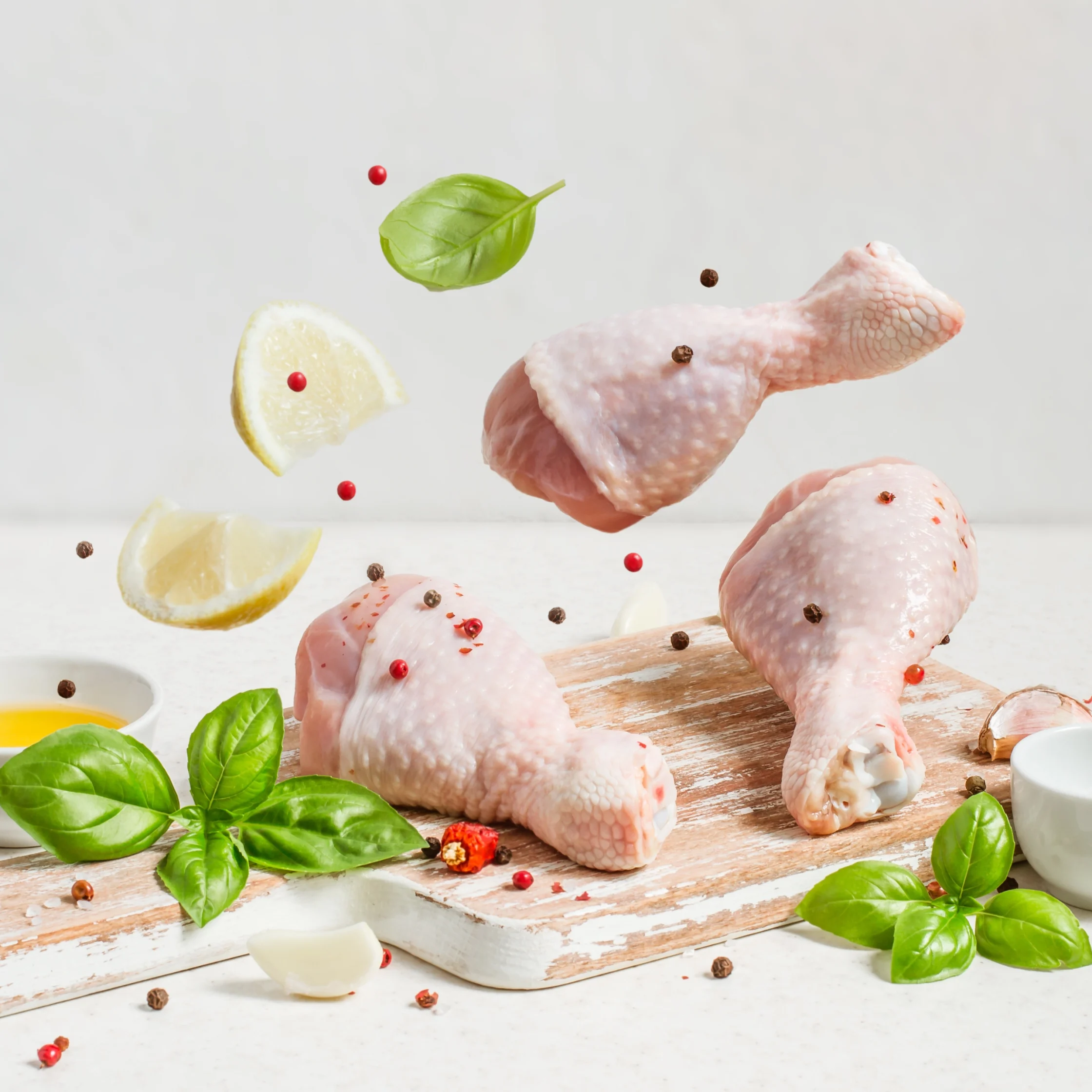
Chicken (Manok)
Neck – Leeg
The chicken neck has small bones and hardly any meat, but it’s packed with flavor. When cooked slowly, it releases savory juices that enrich broths. That’s why it’s often added to comforting soups like tinola.
Breast – Pitso or petso
Chicken breast is a lean cut with tender white meat and a mild flavor. It cooks quickly and slices neatly, making it perfect for fried chicken, grilled dishes, fillets, and sandwiches. Just be careful not to overcook it, or it can dry out fast.
Wings – Pakpak
Small but flavorful, chicken wings are loved for their juicy meat and crispy skin. Whether fried or grilled, they’re perfect for snacks, barbecues, and casual get-togethers where everyone keeps reaching for “just one more.”
Thigh – Hita
Chicken thighs are rich, juicy, and full of flavor thanks to their high fat content. They’re very forgiving to cook, which is why they work beautifully in adoboAdoboThe Filipino dish of meat or seafood braised in vinegar, soy sauce, garlic, bay leaves, and peppercorns. Widely regarded as the national dish, adobo varies from home to home andGo to Adobo Glossary, roasted chicken, and braised dishes.
Drumstick – Paa
The drumstick, or chicken leg, is tender, flavorful, and easy to eat. It’s a favorite for fried chicken and grilling, and honestly, it’s hard not to feel a little nostalgic biting into one.
Looking for chicken recipes to try now? Here are our top three recommendations:
Ginamos-Marinated Chicken Wings, Chicken Adobo with Barako Coffee and Batwan-Marinated Chicken Inasal.
Pork (Baboy)
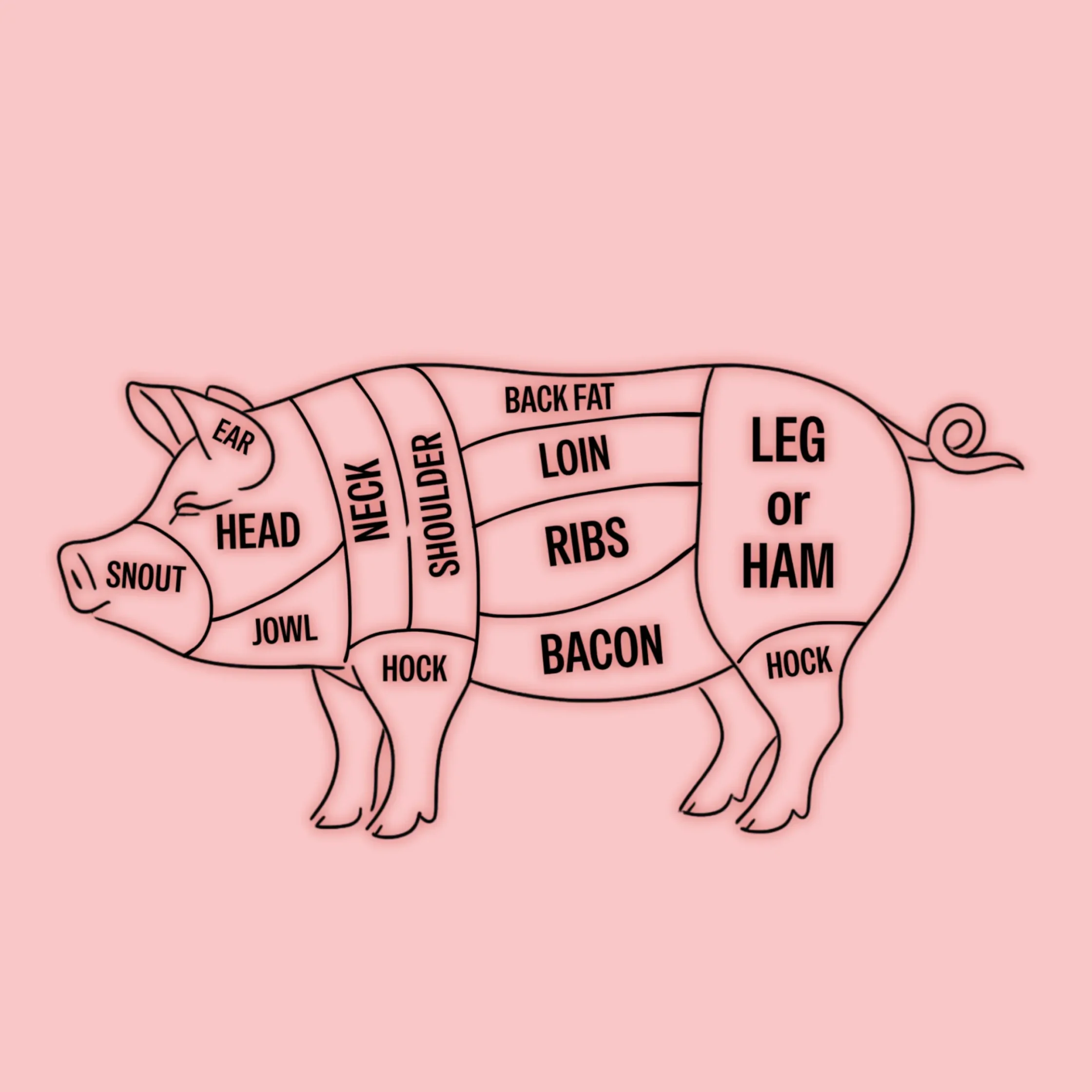
Ears – Tainga or tenga
Pork ears are known for their chewy texture since they’re mostly cartilage. They’re commonly chopped into sisigSisigA sizzling Kapampangan dish of chopped pork head and liver, seasoned with onions, chilies, and calamansi. Served on a hot plate and often topped with egg, sisig is a popularGo to Sisig Glossary or grilled and served as pulutan, where that slight crunch makes every bite interesting.
Head – Maskara
The pig’s head offers a mix of meat, fat, and skin, giving dishes lots of texture and flavor. It’s often used for sisig or roasted dishes, where crispy bits and tender meat come together for something delicious.
Neck – Batok
Pork neck has generous marbling that keeps the meat juicy as it cooks. That extra fat makes it perfect for grilling, pork barbecue, or pan-frying, since it stays flavorful even over high heat.
Leg – Pata
Pata refers to the pig’s leg. Known for its thick skin and rich meat, it’s the star of favorites like crispy pata and pata tim, where patience pays off with falling-off-the-bone meat and irresistibly crunchy skin.
Ribs – Tadyang
Pork ribs have flavorful meat that clings to the bone. They’re great for barbecues, sinigang, and other slow-cooked dishes, because if you cook them low and slow, the meat practically falls off.
Pork Loin – Tagiliran
Pork loin is a lean and tender cut from the pig’s back. It’s commonly used for pork chops or roasts, but keep an eye on cooking time to prevent it from getting too dry.
Tenderloin – Lomo
True to its name, pork tenderloin is incredibly soft and tender. It’s perfect for quick frying, grilling, or stir-frying, and it cooks so fast you barely have time to step away from the stove.
Belly – Liempo
Liempo, or pork belly, is famous for rich layers of both meat and fat. Whether grilled, roasted, or fried until crispy, it’s the highlight of inihaw na liempo, lechon, and crispy pork belly.
Ham – Pigi
Pigi comes from the upper portion of the pig’s leg and contains large, meaty sections. It’s often turned into ham, especially during the holidays when big family meals call for something special.
Don’t miss our Pork Kaldereta sa Gata for a different take on the well-loved caldereta!
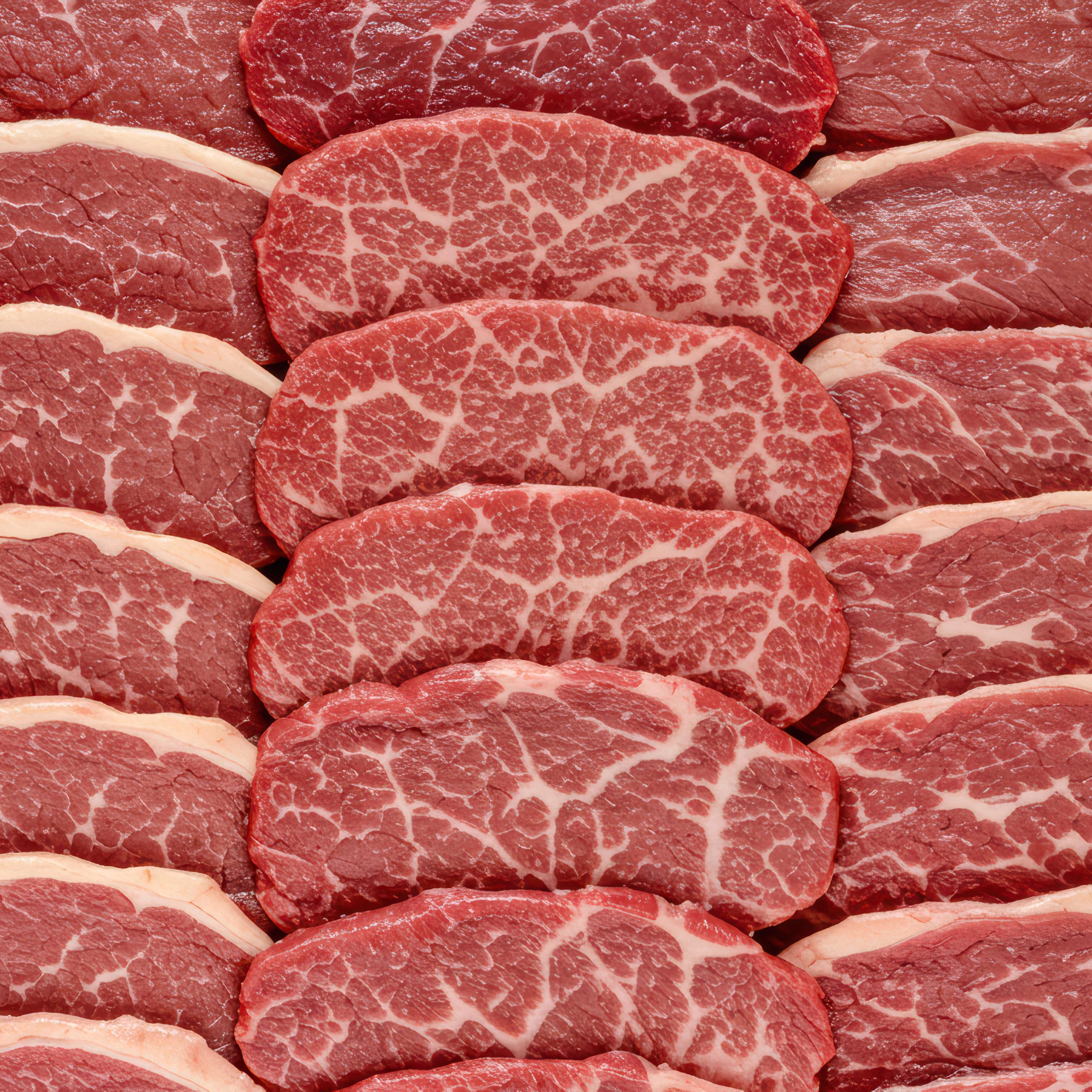
Beef (Baka)
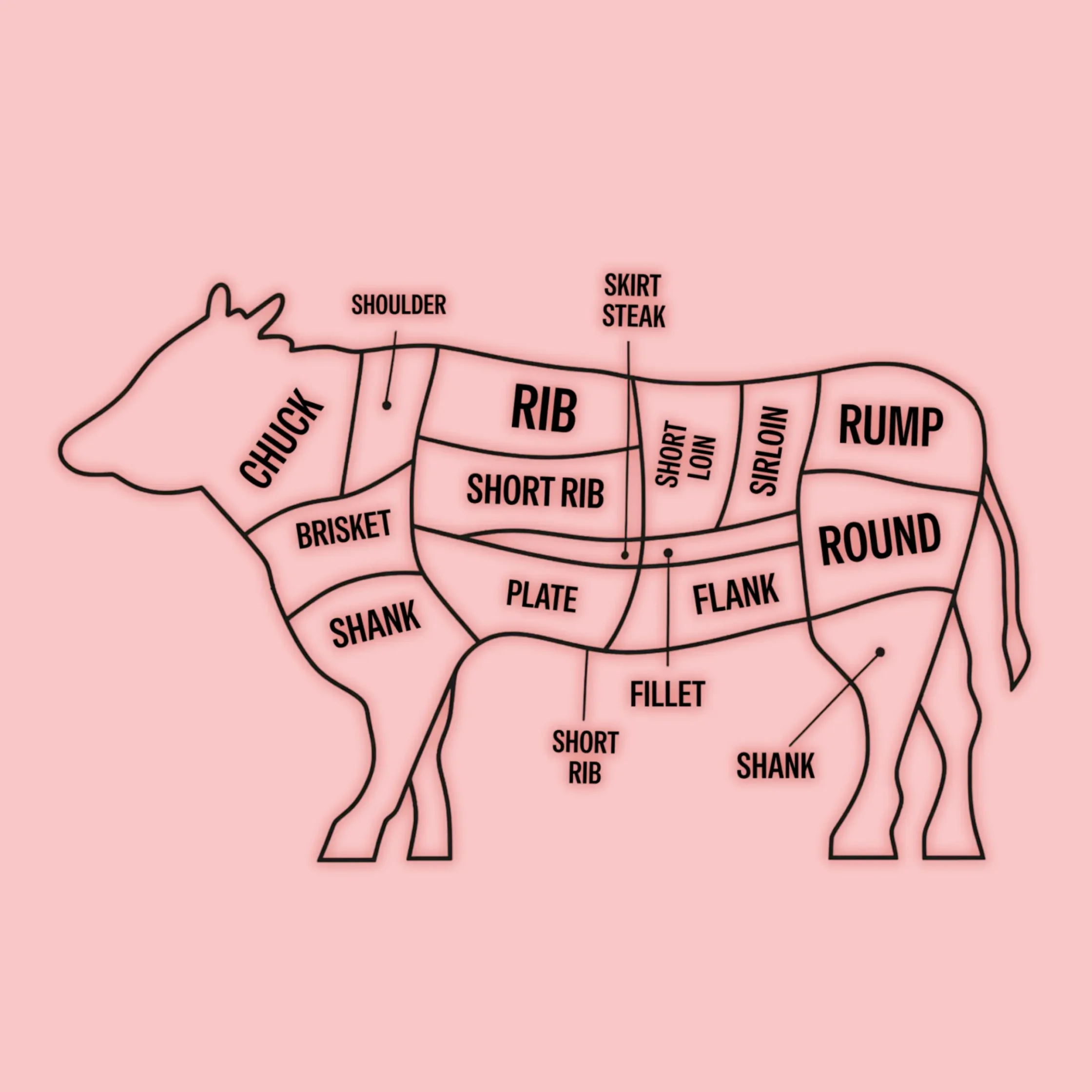
Head/Beef Cheeks – Ulo ng Baka/Pisngi
Beef cheeks may look tough at first, but with slow cooking they become incredibly tender. They’re perfect for braised dishes and hearty stews, where the meat is cooked until it practically melts in your mouth.
Chuck – Kadera
Chuck comes from the shoulder and has a nice balance of meat and fat. It’s commonly used for slow-cooked dishes or ground beef (giniling) because it becomes tender and flavorful the longer you cook it.
Tender Chuck – Paypay
Paypay is a rich, but soft portion of the chuck. When simmered slowly, it turns tender and works beautifully in braises and stews.
Brisket – Punta y Pecho
Brisket comes from the chest area and has plenty of layers of flavorful fat. It’s best cooked low and slow, making it perfect for nilaga, corned beef, and other comforting dishes.
Want to try a beef chuck recipe? Check out our Beef in Ginamos that uses the beef chuck for a different take on the classic beef binagoongan or this Low-Carb Keto Beef Stew!
Shank – Bulalo
The beef shank is a bone-in cut with marrow in the center. When cooked for hours, it creates the deep, rich broth that makes bulalo bad for your blood pressure.
Oyster Blade – Kalitiran
Kalitiran is a shoulder cut known for its strong beef flavor. Slow cooking helps break down its fibers, making it perfect for braised or saucy dishes.
Short Ribs – Tagiliran/Tadyang
Short ribs are thick, meaty ribs with lots of flavor. When braised or grilled slowly, the meat becomes tender enough to slide right off the bone.
Sirloin – Tapadera
Sirloin is a lean but flavorful cut from the back of the cow. It’s great for tapaTapaThinly sliced cured beef, marinated in soy sauce, garlic, sugar, and vinegar, then pan-fried until tender and browned at the edges. Served with garlic rice, fried egg, and spiced vinegarGo to Tapa Glossary, steaks, and grilling, especially when cooked just right so it stays moist, juicy, and tender.
Tenderloin – Solomilyo
Tenderloin is prized for being one of the most tender cuts of beef. It’s often used for premium steaks, where simple seasoning lets the meat shine.
Flank Steak – Kamto
Flank steak has a strong, beefy flavor and visible grain. Slice it thinly against the grain after cooking, and it becomes perfect for a wide variety of Filipino favorites.
Round – Pierna Carta
Round comes from the cow’s rear leg and is a lean, firm cut. It’s commonly used for thinly sliced beef dishes, like tapa, or low-and-slow recipes.
Oxtail – Buntot
Oxtail may take some time to cook, but the result is well worth it. After hours of simmering, the meat becomes tender and flavorful—making it the beloved centerpiece of rich stews like kare-kare.
From leeg to liempo and bulalo to buntot, every cut has its own story—and its own place in the kitchen. Once you know what to look for, a trip to the palengke or butcher becomes less confusing and a lot more exciting. And who knows? You might even discover a new ingredient to try in your next home-cooked meal!

Frequently Asked Questions
Popular Filipino meat cuts for pork and beef include liempo, pata, pigi, pitso, bulalo, tapadera, buntot, and tadyang, depending on the dish being prepared.
Pata refers to the pig’s leg, often used for crispy pata, while pigi comes from the upper leg portion and is commonly used for ham.
Pitso refers to the chicken breast, a lean white meat cut often used for fried chicken, fillets, sandwiches, and grilled dishes.
Liempo is the Filipino term for pork belly, a rich and fatty cut commonly used for grilling, roasting, and crispy pork dishes.
Chicken thighs (hita) and drumsticks (paa) are commonly used for adobo because they stay juicy and flavorful during braising.
Cuts with more connective tissue and fat, like brisket, oxtail, and short ribs, become tender and flavorful when cooked slowly over time.