You know you’re in the Philippines when you’re greeted with the sound of the sizzling, smoking pan and aroma of burnt garlic first thing in the morning.
After all, breakfast in these parts is serious business. Locally termed “almusal,” breakfast is classically consumed in much the same way as other Filipino meals: on the dining table, in the company of family. Though lighter options have also sprung in recent years to match busier modern schedules, the classic Filipino breakfast is one that’s decidedly hearty and satisfying, designed to fuel the diner enough to keep going the whole morning.
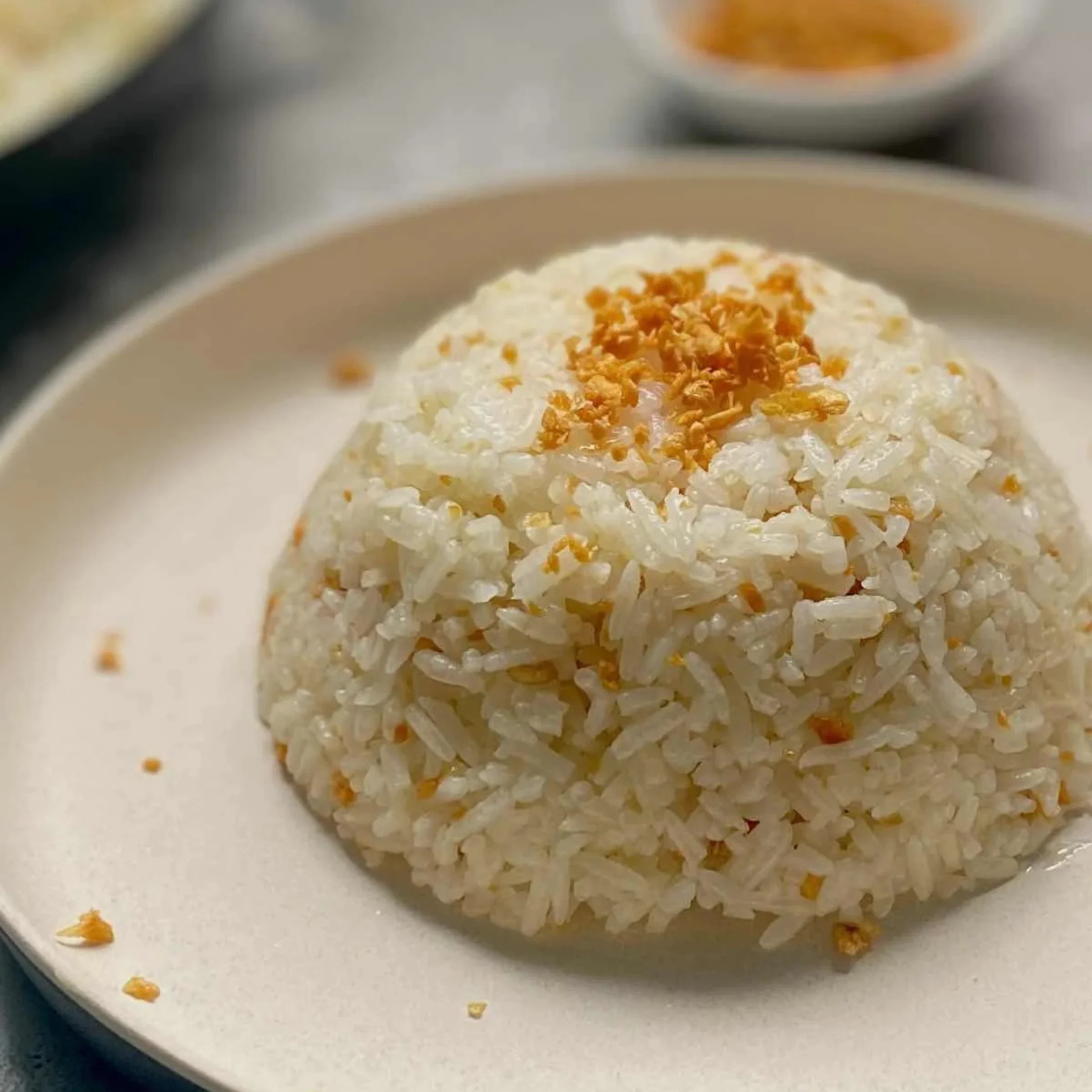
Sinangag
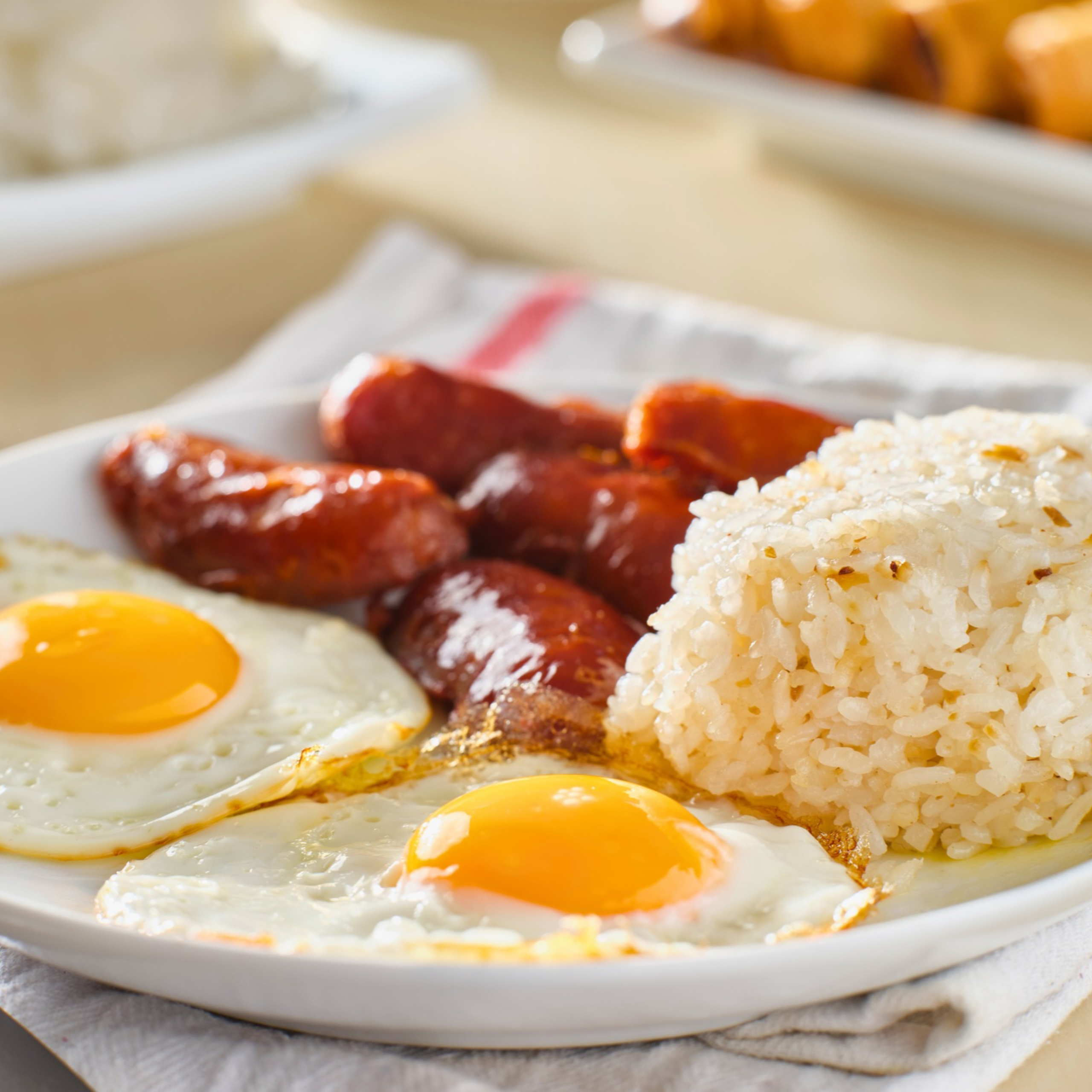
Rice is a mainstay in almost all Filipino meals, breakfast included. While steamed plain rice can be served, the more typical breakfast option would be garlic fried rice a.k.a. sinangag. This is usually made with leftover rice, whose firmer, dryer grains allows for better frying without getting soggy.
Egg
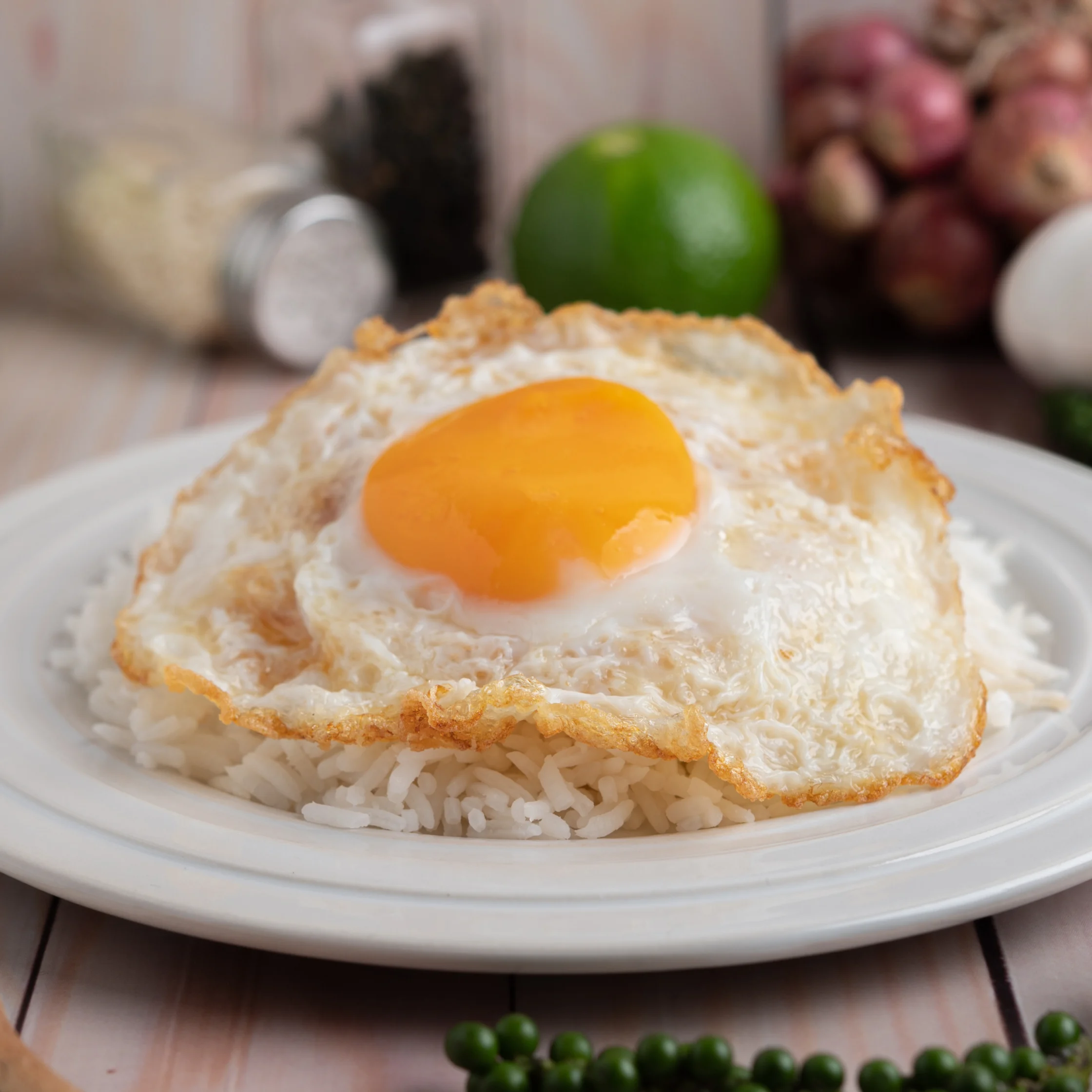
As with people in the West, Filipinos do love their itlog (eggs) at breakfast time. Most often eggs would be fried sunny-side up; scrambled eggs are popular, too.
SinangagSinangagSinangag is Filipino garlic fried rice, made by frying day-old rice with generous amounts of garlic until fragrant and slightly crisp throughout. A breakfast staple paired with tapa, tocino, orGo to Sinangag Glossary and itlog together form the combo known as ‘Silog’. A main protein of sorts accompanies the two, and dictates the name of the resulting dish—most typical are tapa (tapsilog), tocino (tocilog), longganisa (longsilog), daing (daingsilog), hotdog (hotsilog), and corned beef (corned beef silog or cornsilog).
Longganisa
This fresh pork sausage has variations all around the Philippines, each with different characteristics—Vigan’s is ultra-garlicky and a touch sour, Cebu’s chorizo goes the sweet and spicy direction, Lucban’s gets a touch of herbs and spices like oregano and paprika, et cetera.
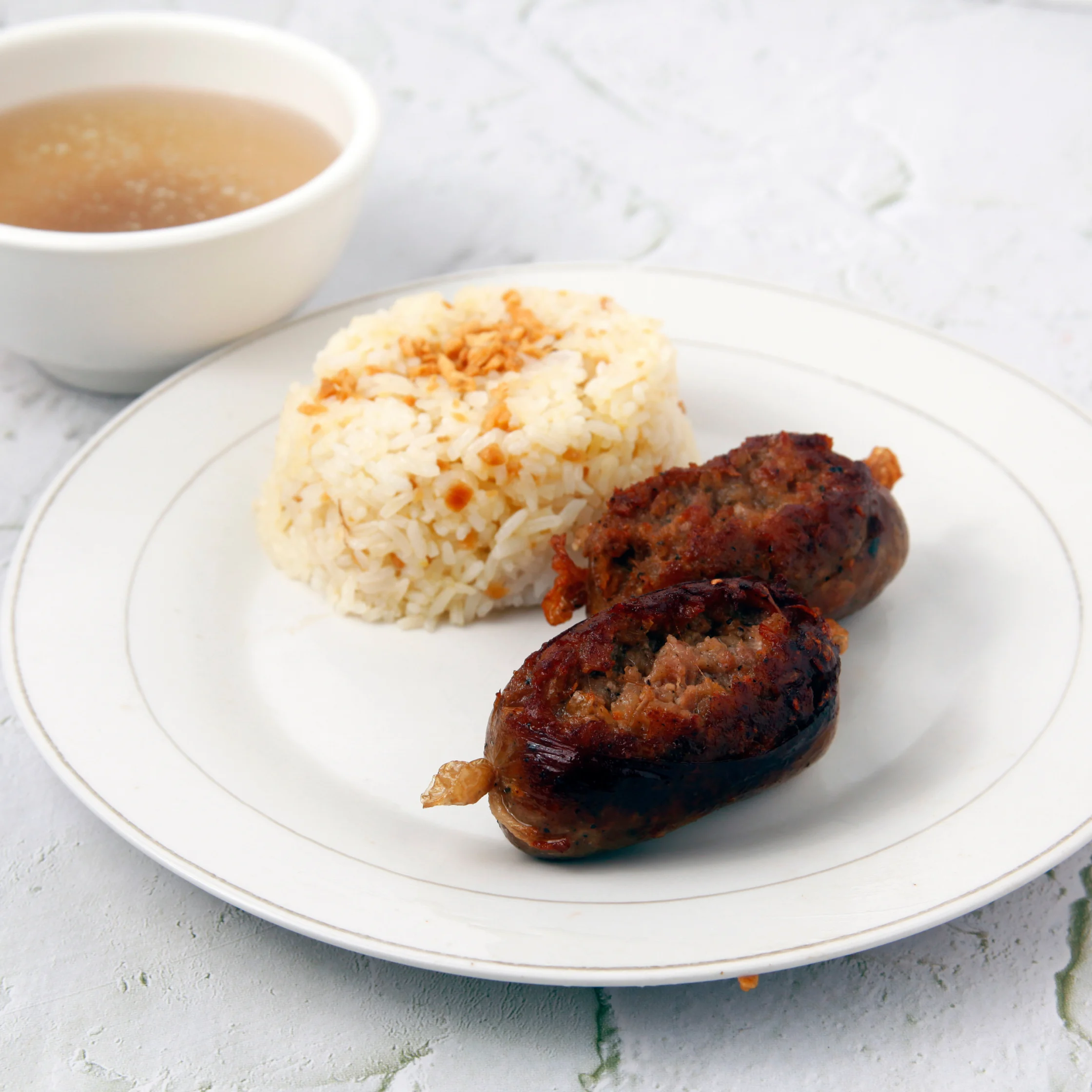
These are typically simmered in water then fried in oil and/or its own fat for a crispy exterior, then served with vinegar. Longganisa is a classic in ‘silog as mentioned, but also makes for a fine filling for pan de sal.
Fish—Salted, Dried, Smoked, Marinated, Et cetera
One of the popular traditional methods of preserving fish is through salting and drying—the methods behind well-loved delicacies like tuyoTuyoTuyo is salted, sun-dried fish, typically small herring or sardines, fried until crisp and eaten with hot rice and a splash of spiced vinegar. Preserved for long storage, its concentratedGo to Tuyo Glossary (from small fish like herring or tamban), daing (split-open fish, usually bangus), danggit (from rabbitfish), pusit (squid), and so on. There’s also tinapa, or smoked fish, which as the name suggests delivers a smoky, umami-rich flavor profile. These fry up to salty, crispy proteins that are best paired with vinegar and sinangag—and for best results, a fried egg too.
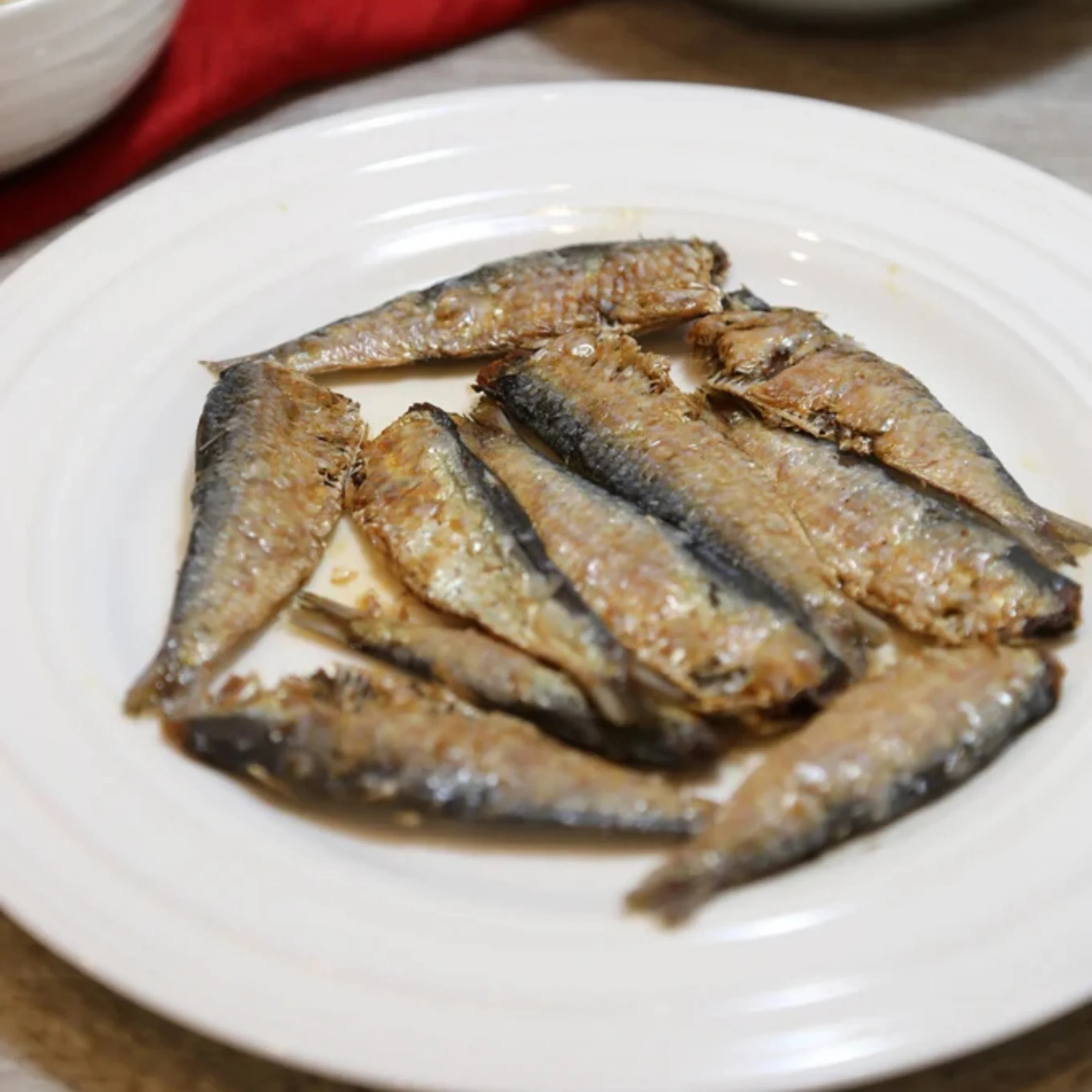
There are regional delicacies as well, like Batanes’ maytahes dibang and Sarangani’s bangsi, both using flying fish. In Batangas, tawilis (freshwater sardines endemic to Taal lake) is a local favorite.
Cured or Dried Meat
Meat, preserved by curing and/or drying, is another breakfast protein that’s loved by locals.
There’s tocinoTocinoFilipino sweet cured pork, marinated in sugar, salt, and spices, then pan-fried until glossy and lightly caramelized. Served with garlic rice, fried egg, and a side of tomatoes or spicedGo to Tocino Glossary, made with pork or other meats marinated in a mixture of sugar, salt, and other seasonings, then pan-fried to a charred, caramelized finish.
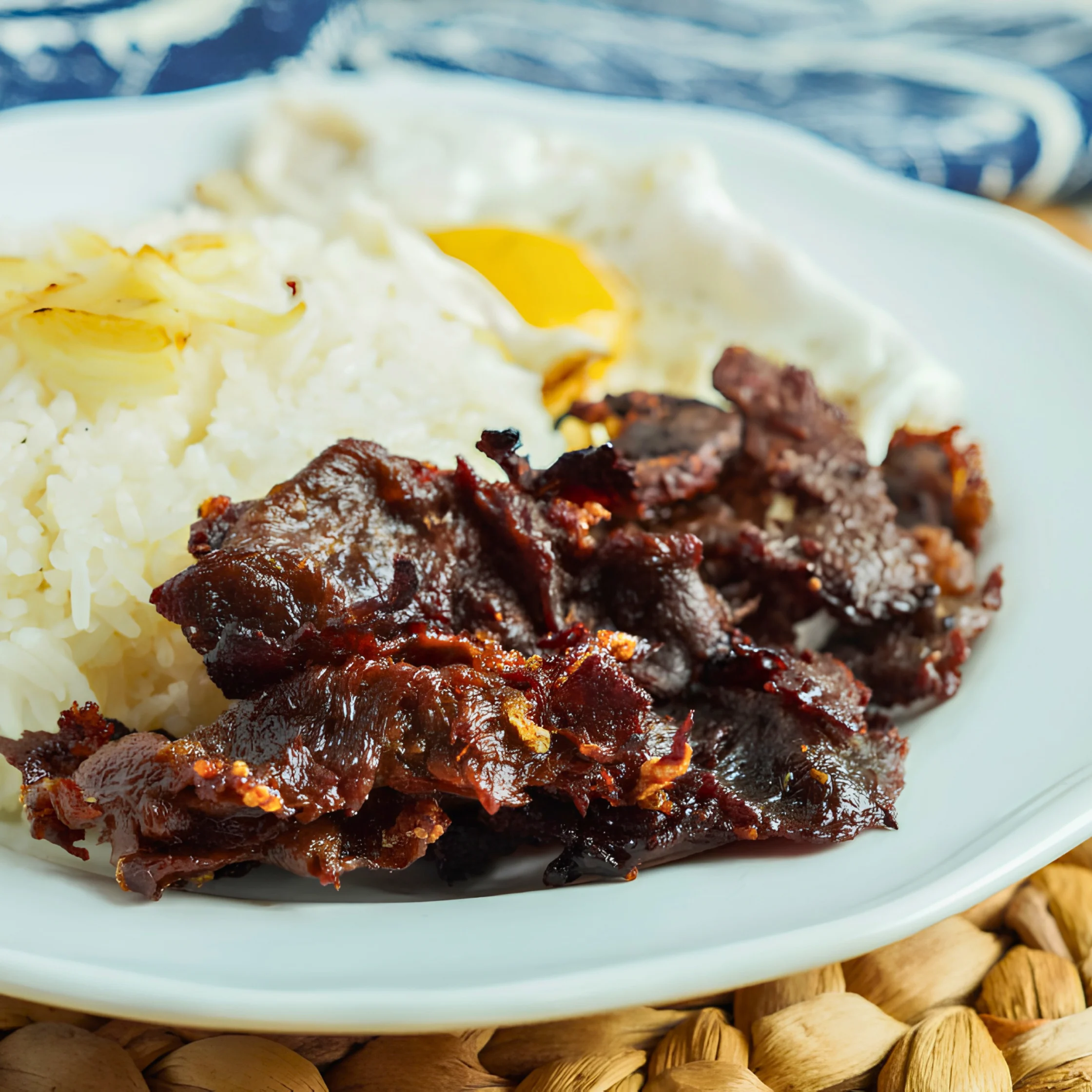
Also popular is tapaTapaThinly sliced cured beef, marinated in soy sauce, garlic, sugar, and vinegar, then pan-fried until tender and browned at the edges. Served with garlic rice, fried egg, and spiced vinegarGo to Tapa Glossary—meat (typically beef, carabao, or even horse), traditionally dried or smoked. Most versions today have the beef marinated in some combination of soy sauce, calamansi, garlic, and other ingredients. Some versions lean more saucey (or “wet”) while others are more on the dry side, but suka is its classic accompaniment, along with sinangag and an egg.
Tortang Talong
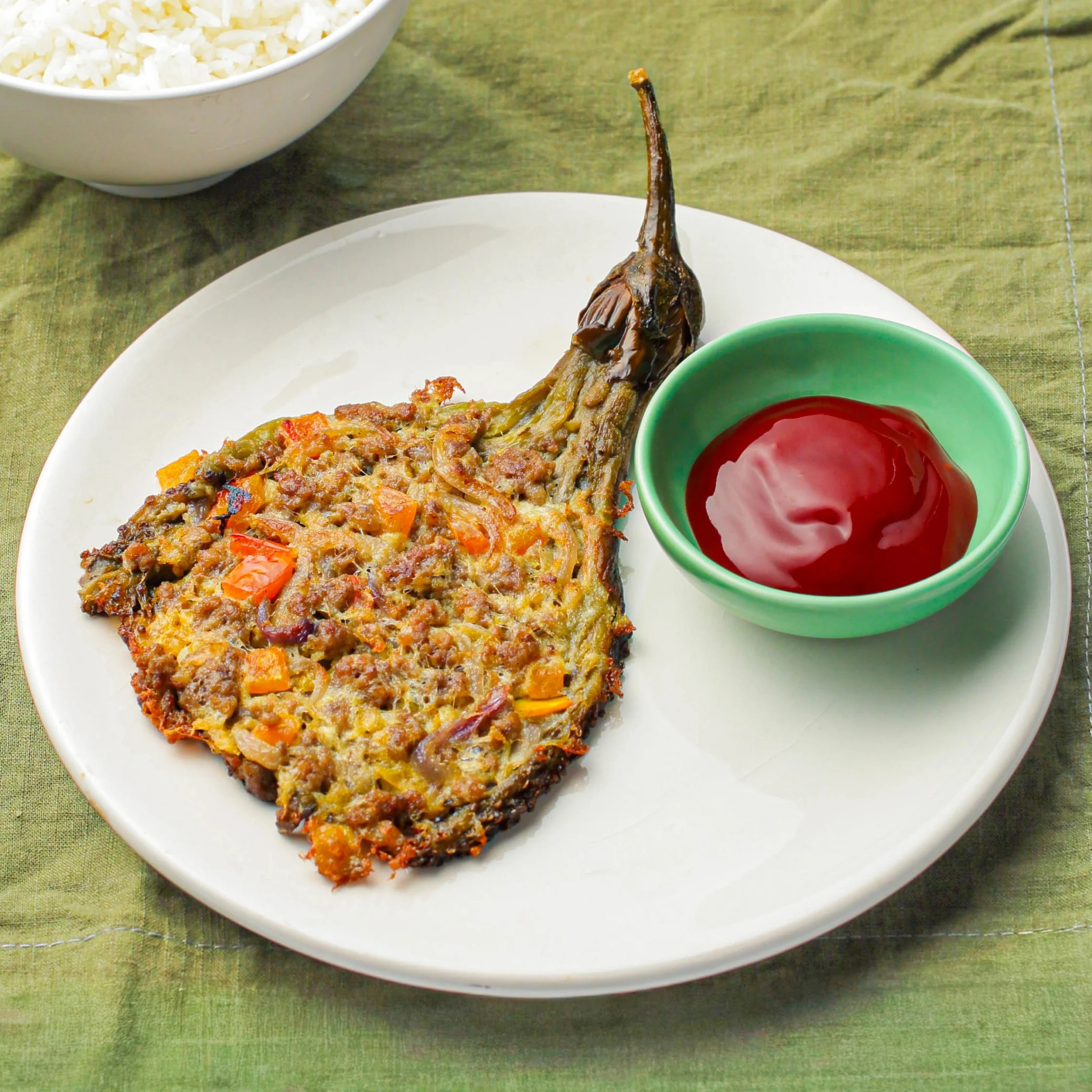
One Filipino favorite breakfast option is tortang talong—essentially an omelette with a mashed roasted eggplant in the mix. When done right, the eggplant’s soft, silky texture matches that of the egg, and it brings a subtle smokiness to the mix. More elaborate versions will have a stuffing of ground meat in there, too. Rice and banana ketchup are its classic accompaniments.
Filipino Breads
For those on team bread over rice, there’s a whole host of breads and other baked goods available at the neighborhood panaderya.
Most popular is pan de sal—the Filipino favorite bread whose subtly sweet, subtly salty character pairs wonderfully with any and all palaman (spread or fillings). For breakfast, butter is a classic, as is jam or preserves, peanut butter, and kesong putiKesong PutiKesong puti is a soft, white Filipino cheese traditionally made from carabao's milk, mild and slightly salty with a texture closer to fresh ricotta. Particularly associated with Laguna and Bulacan,Go to Kesong Puti Glossary or processed cheese. More substantial options are sardines, luncheon meat, hotdogs, or creamy spreads with meat or fish.
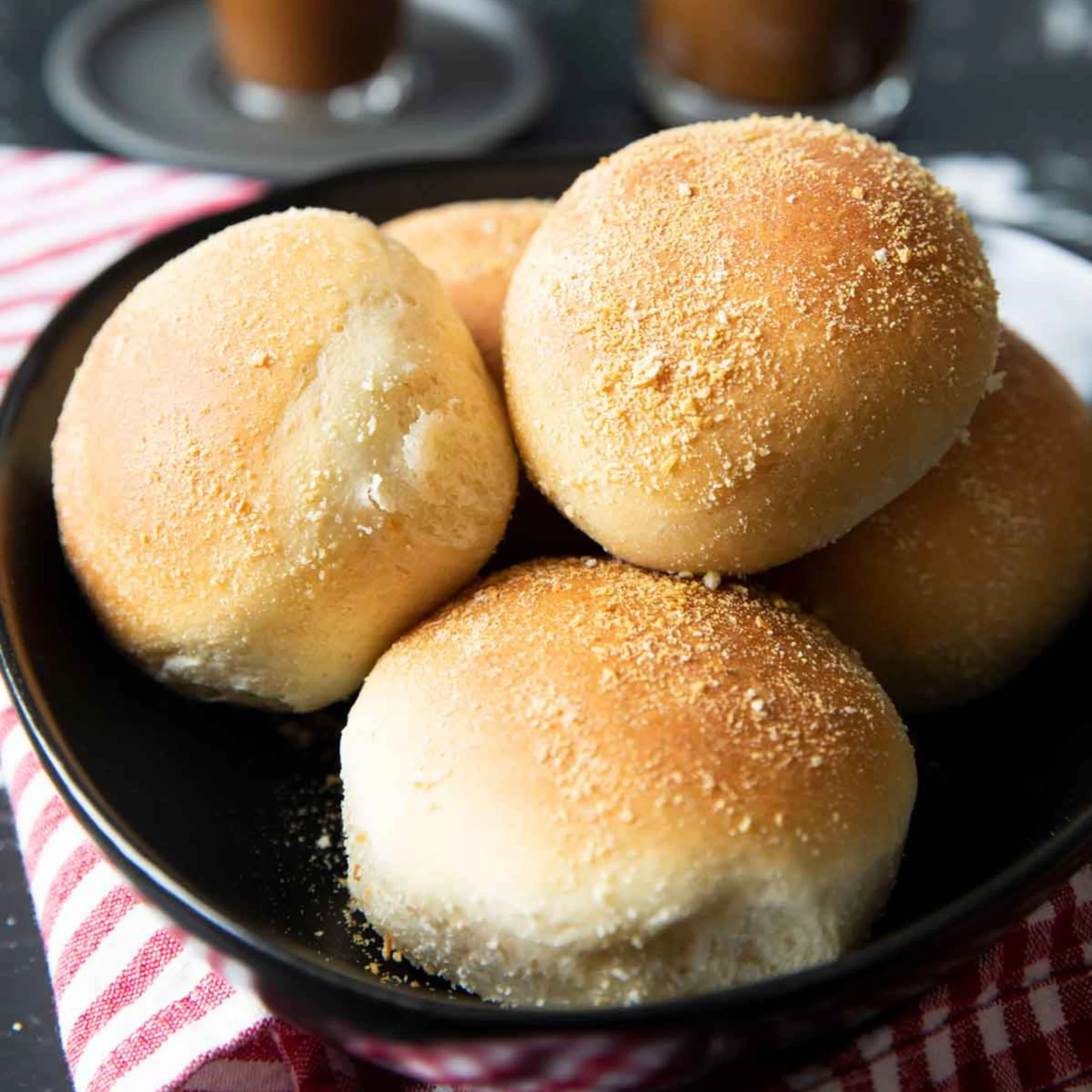
There’s also monay, dense bread rolls that are slightly sweet; Spanish bread, or bread rolls with a filling of margarine or butter and sugar; ensaymadaEnsaymadaA soft, buttery Filipino sweet bread, brushed with butter and topped with sugar and often grated cheese. Descended from Spanish pastry traditions, ensaymada is a beloved merienda, holiday gift, andGo to Ensaymada Glossary, or brioche rolls with butter, sugar, and grated cheese; cheese rolls, a simplified ensaymada of sorts in bread roll form; pan de regla, the famously red bread with a bread pudding-like filling tinted red; and so on.
Satti
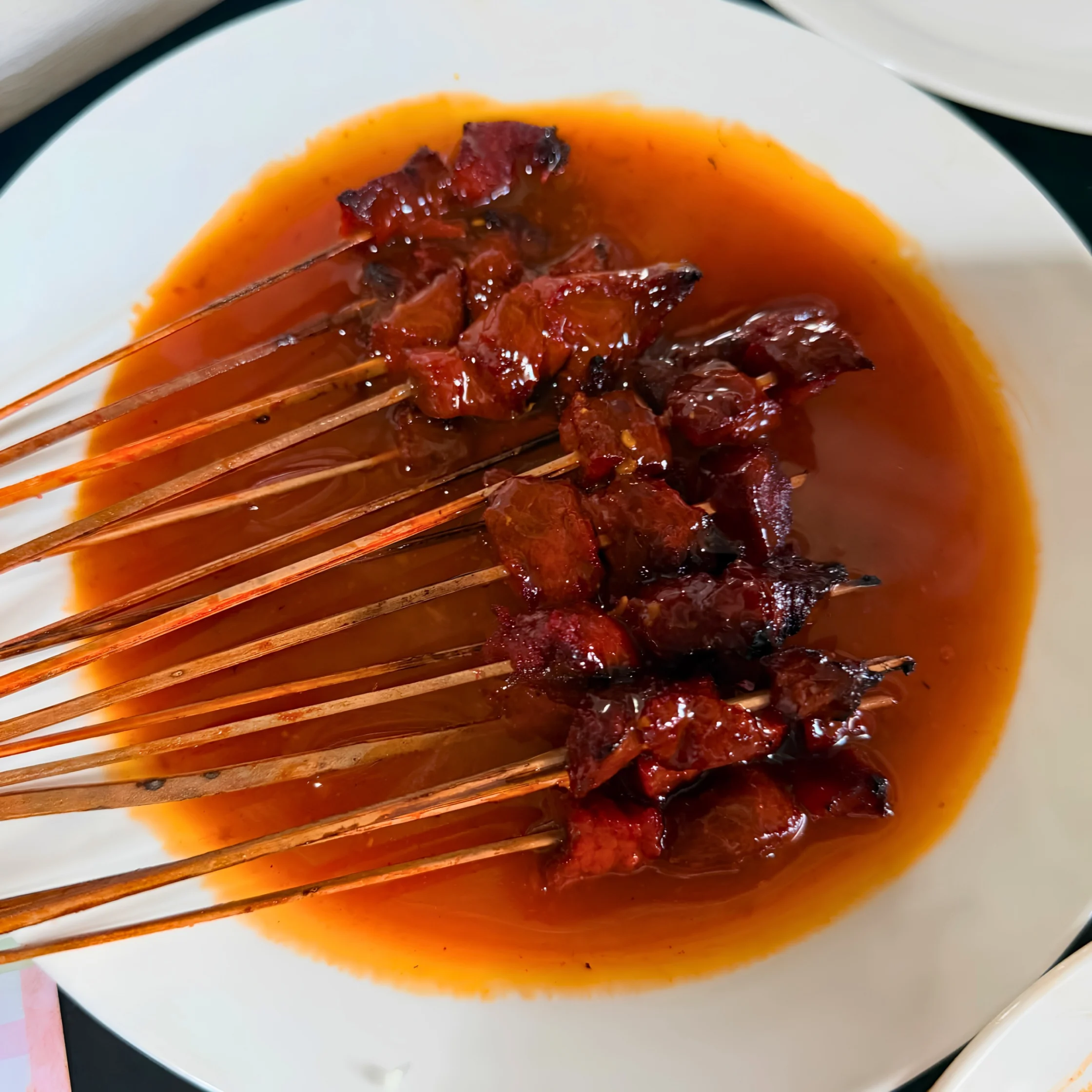
Over in Zamboanga, mornings are powered by satti—a dish of grilled chicken or beef skewers in a reddish sauce with peanuts, spices, and chilies, served with ta’mu (compressed rice wrapped in banana or palm leaves).
Pastil
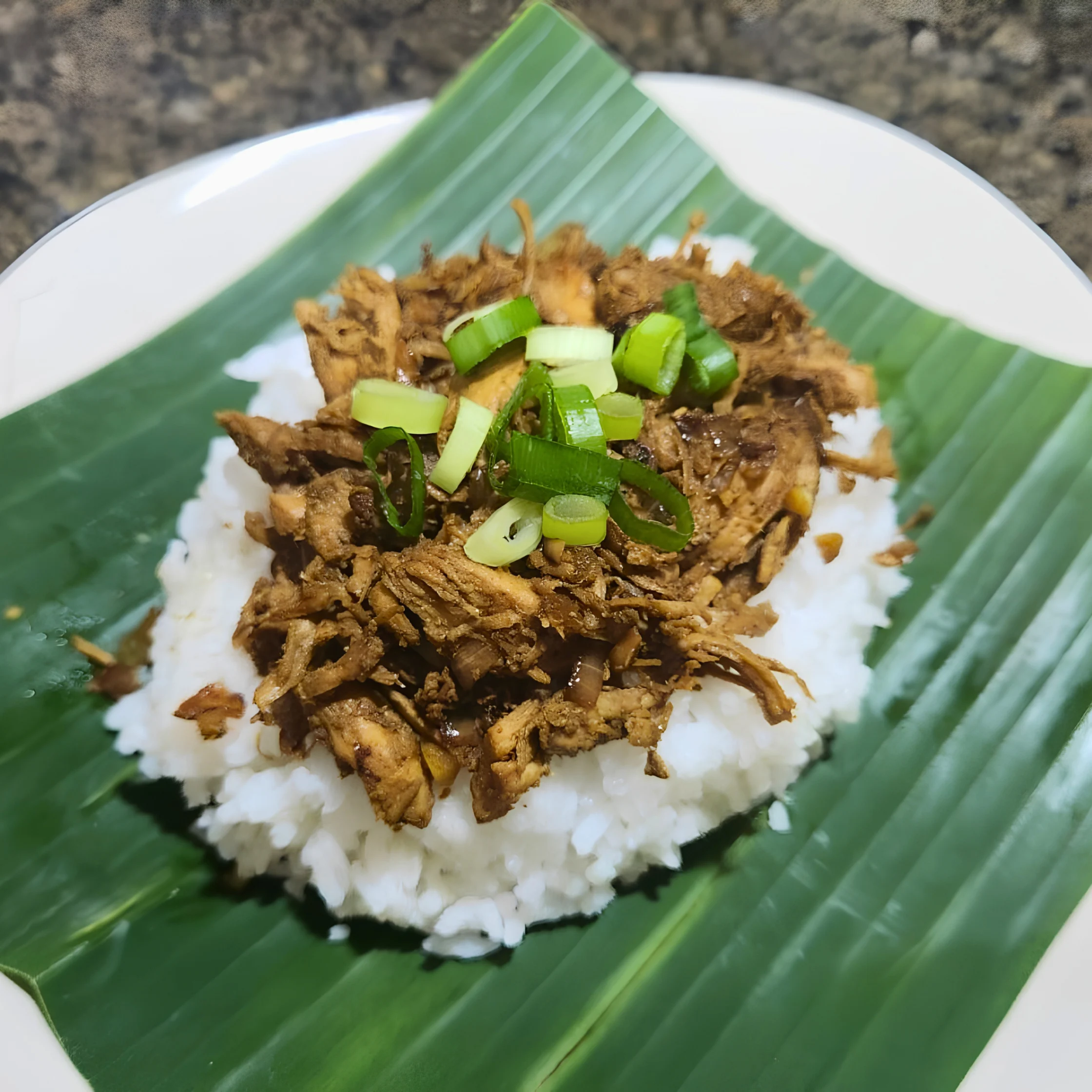
Originating from Maguindanao and popular across Mindanao, pastil is a dish with spiced shredded meat (usually chicken or beef) and cooked rice, packed like a parcel in banana leaves. It also goes by the names paster (Iranun), or pater, patel, or patir (Maranao).
Lugaw, Goto, and Arroz Caldo
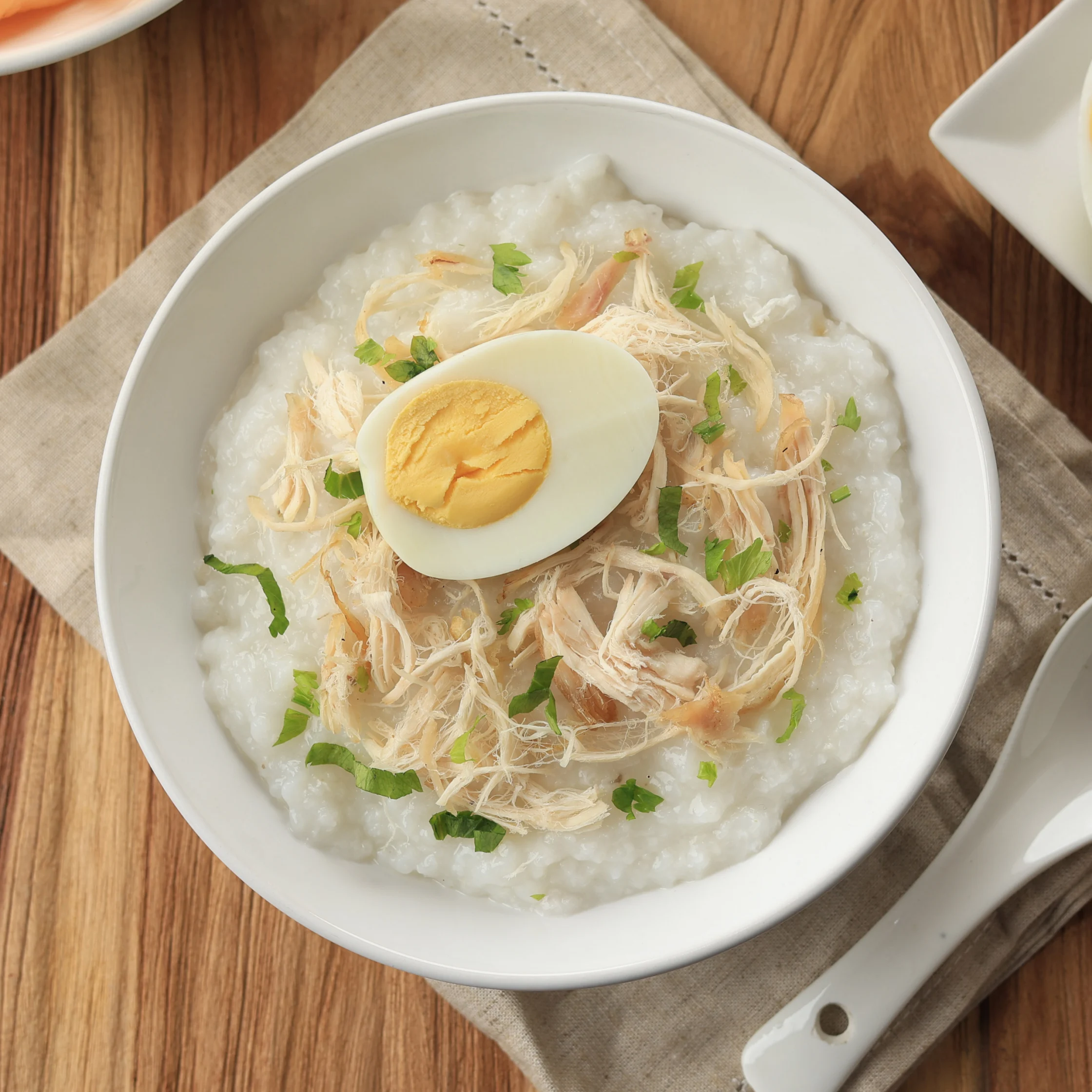
On cold or rainy days, nothing beats cozying up to a warm bowl of porridge. LugawLugawLugaw is plain Filipino rice porridge, simmered simply in water or broth until thick and soft, often eaten with fried fish, egg, or tokwa't baboy. Considered the base from whichGo to Lugaw Glossary is the plainest of the lot, with rice cooked in water or broth plus aromatics like ginger and seasonings like fish sauce. Arroz caldo has chicken and kasubha (safflower) in the mix, while goto would have ox tripe.
Champorado
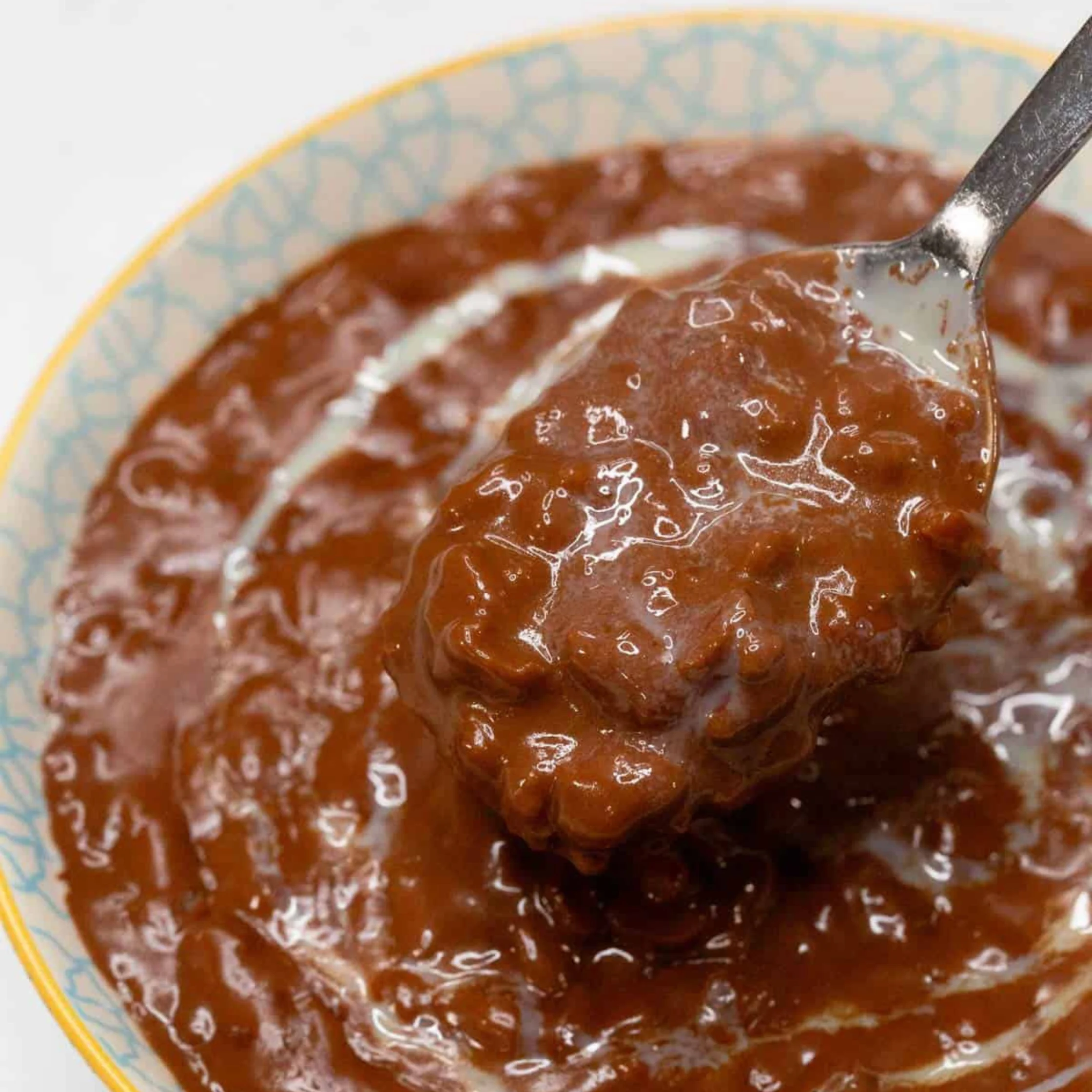
On the sweeter end, there’s champorado, or rice porridge flavored with tableaTableaTablea is Filipino drinking chocolate pressed into tablet form from roasted, ground cacao beans, used to make champorado and sikwate, traditional hot chocolate. Often stone-ground using a wooden batirol, itGo to Tablea Glossary or chocolate. The porridge itself comes barely sweetened, but would be served with sugar, powdered milk, and fresh, evaporated, or condensed milk for the diner to mix in as they please. Champorado is also classically partnered with salted fish—usually tuyo, which works wonderfully as a savory counterpoint to the bittersweet chocolate.
Kakanin
Rice cakes, sold by vendors on roving carts on the streets, also make for a great breakfast, especially for people on the go. Every kakanin has its own personality—suman sa ibos is a seemingly plain jane that’s great with fresh mangoes, puto is a reliable, sapin-sapin is decidedly whimsical, biko is for lovers of depth, kutsinta has an addictive chewy consistency, and so on.
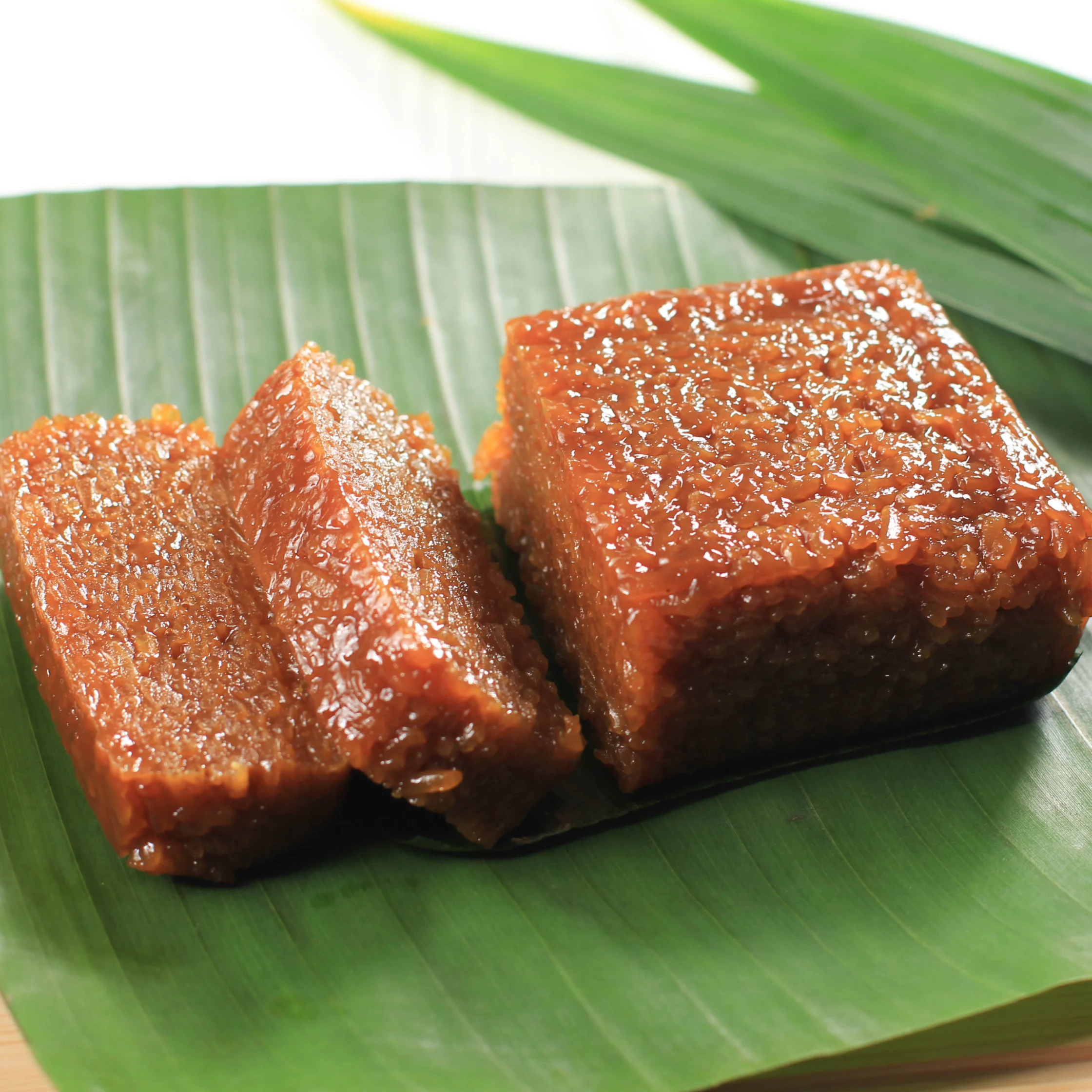
Different parts of the Philippines have their own classic kakanin, too. Just some of these are Camon’s budbud kabog made with millet; Ilocos’ baye baye with young coconut and toasted rice grains or pinipig; and Bukidnon and Cagayan de Oro’s binaki made with corn.
Taho
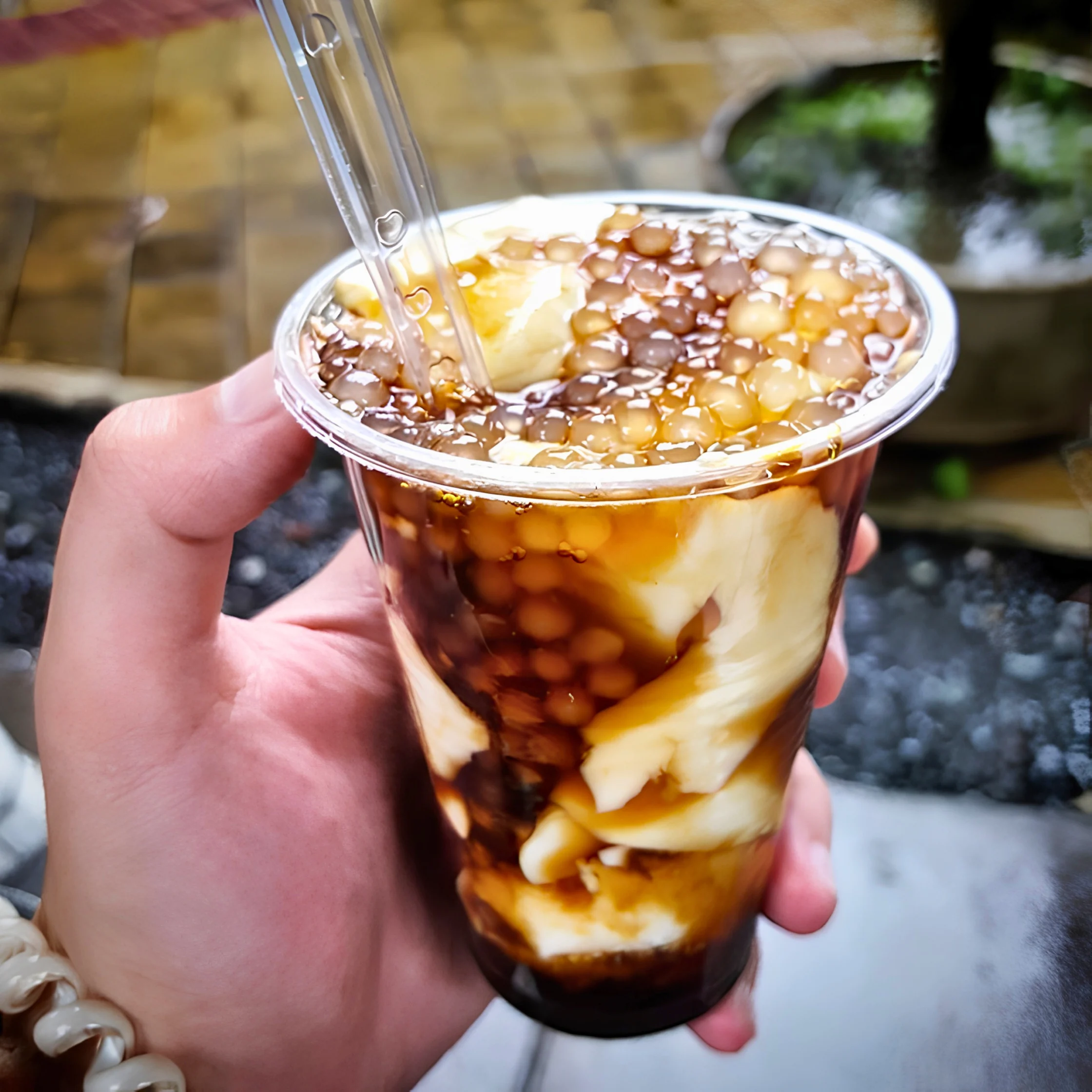
Another street food that makes its appearance on the breakfast table is taho—the locally loved snack of soft tofu, chewy sago, and a brown-sugar syrup for sweetness. Because it’s typically served warm (though it can certainly be served cold), it’s one of those breakfasts that soothes the stomach on a cold day.
Fresh Fruit
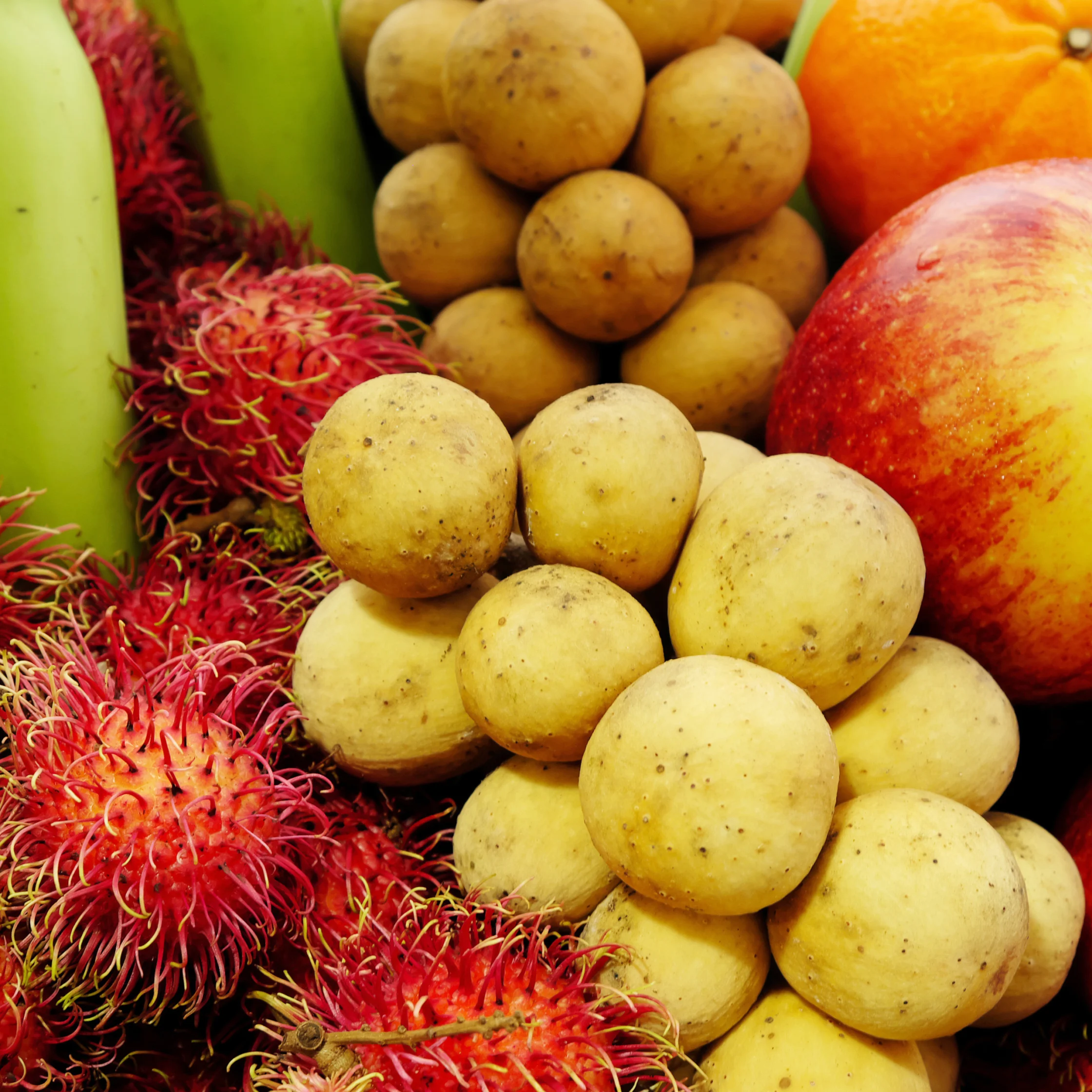
With the wide range of fresh fruit available in the Philippines—just some of which are mangoes, melon, watermelon, pineapple, strawberries, and mangosteen—it’s no surprise that it’s a typical part of the breakfast selection. It sure doesn’t hurt that fruit provides vitamins, minerals, and fiber in a sweet and juicy package.
Boiled Starchy Foods
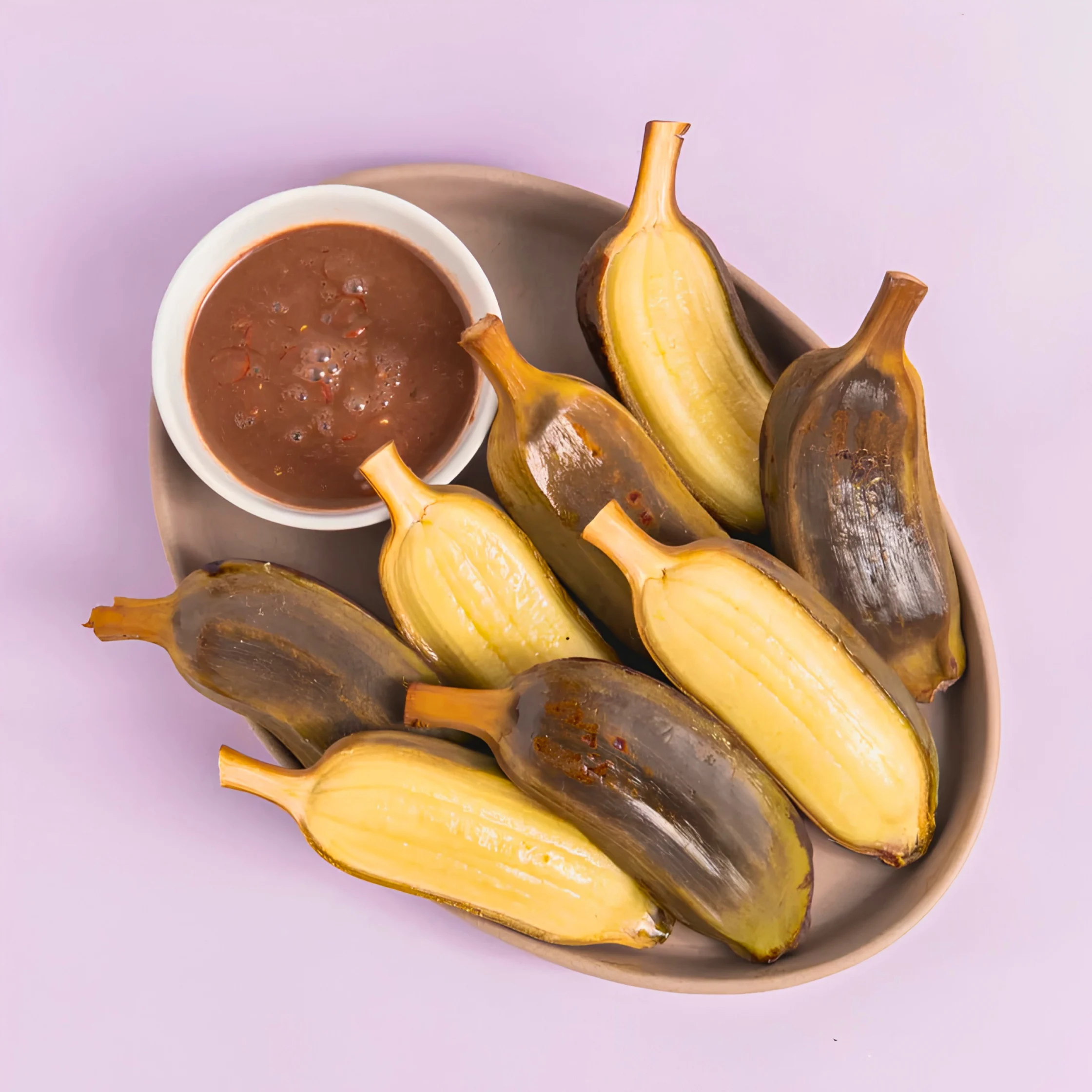
Saba bananas, sweet potatoes, and cassava make for warm, comforting, fiber-rich breakfasts when simply boiled over the stove.
Kape
Coffee is an indispensable part of the mornings of many Filipinos. Some brew their own, while others rely on instant coffee—either plain black or in packs complete with creamer and sugar.

Tsokolate
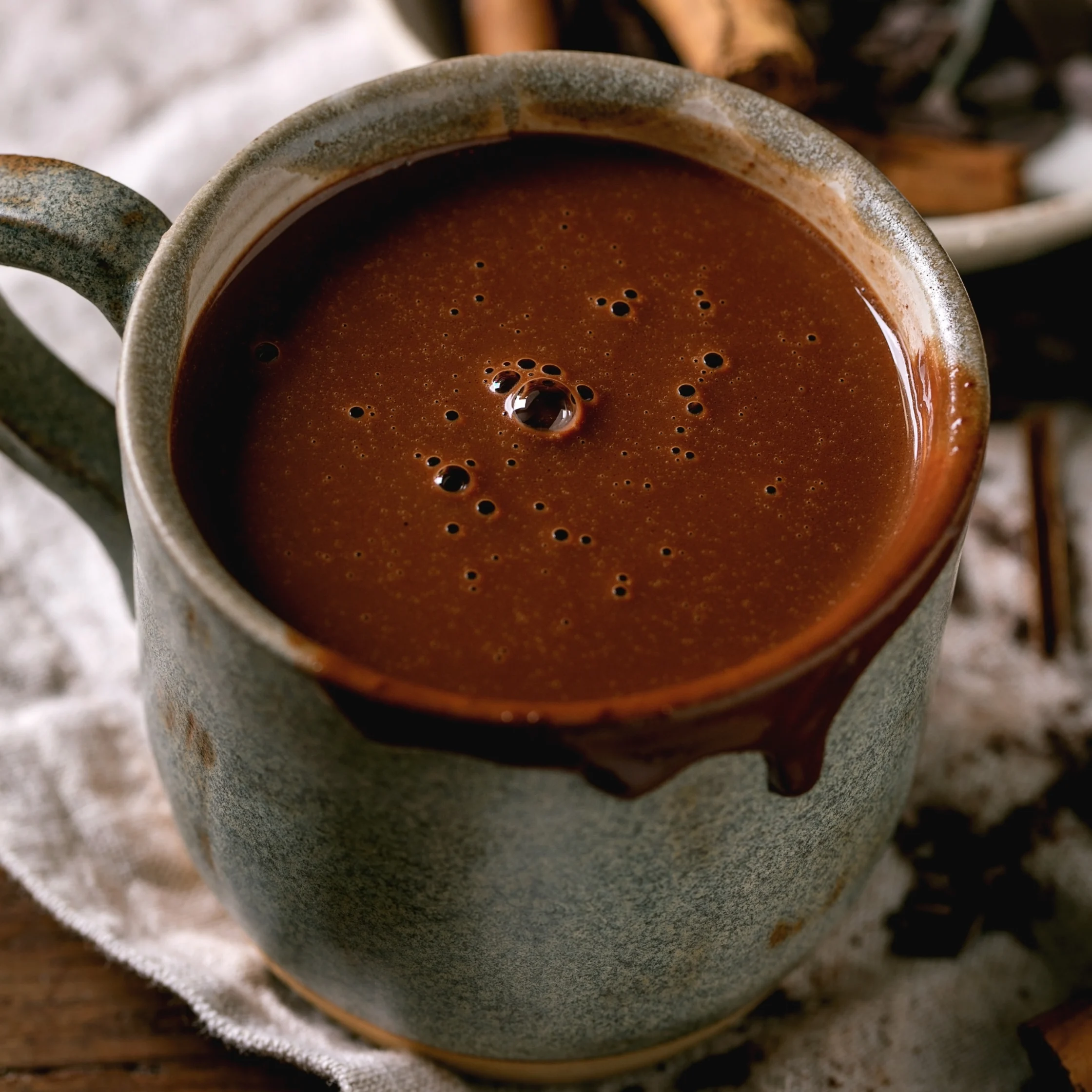
Others prefer to sip on hot tsokolate (also called sikwate or suklati in Visayas and Mindanao) to go with their breakfast. These are classically made using tablea, or discs or balls of roasted, ground cacao, which gives a more rustic, earthy flavor profile than the typically richer and sweeter Western hot chocolate. In recent years, instant mixes have also become popular.

Frequently Asked Questions
Silog consists of garlic fried ric and egg paired with a main protein that dictates the specific name of the dish, such as tapa (tapsilog), tocino (tocilog), longganisa (longsilog), daing (daingsilog), hotdog (hotsilog), or corned beef (corned beef silog).
Popular traditional preserved fish options include tuyo, daing, danggit, pusit, and tinapa. These are usually fried to a salty, crispy texture and best paired with vinegar, sinangag, and a fried egg.
Hot tsokolate or sikwate/suklati is classically made using tablea, which are discs or balls of roasted, ground cacao that provide a more rustic, earthy flavor profile compared to richer and sweeter Western hot chocolate.
The porridge itself is served barely sweetened so that the diner can mix in sugar, powdered milk, and fresh, evaporated, or condensed milk as they please. It is also classically partnered with salted fish, usually tuyo, as a savory counterpoint to the bittersweet chocolate.
Other options include dense monay rolls, Spanish bread with a margarine or butter and sugar filling, ensaymada brioche rolls with butter, sugar, and grated cheese, simplified cheese rolls, and the famously red pan de regla with a bread pudding-like filling.