Advertisement

Fish Heads Are The Fascinating Star At Ulo-Ulo Carinderia

I’ve always preferred fish fillets, but DPD Carinderia’s famous fish head soup in Quezon City made me wonder what else I’ve been missing.

fish head soup from ulo ulo carinderia in quezon city
Ever had fish head soup? [PHOTO: JC Galisanao]

I’ve always been a big fan of fish. But fish heads? Not so much.

I’ve always preferred the easy parts of a fish—a clean fillet or pieces you can eat without having to dig up nuggets of meat from in between small, pointy bones. Whenever there’s a whole fish on the table, I usually go for the middle and leave the head behind for someone else.

At Ulo-Ulo Carinderia (also known as DPD Carinderia) in Quezon City, a place known for fish head soup, however, that’s not really an option.

Diving In Head First

When I arrived one rainy morning, the longstanding eatery was already busy doing what it does best: serving up plate after plate of comforting Filipino food, with their famous fish head soup making an appearance on almost every table.
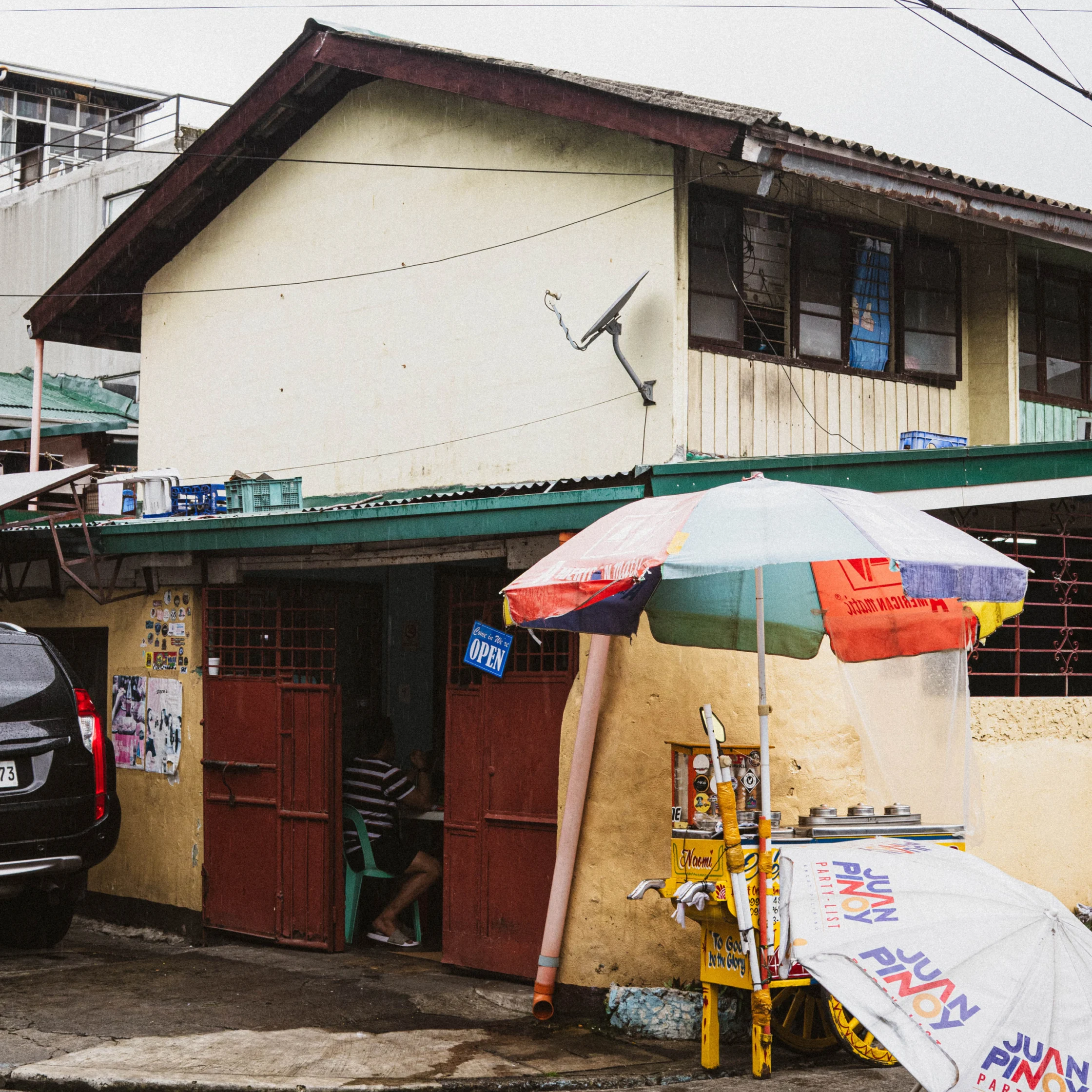
Exterior view of a small shopfront with yellow walls, brown entrance, and a satellite dish on the wall amid power lines.
The space blends right into the residential neighborhood around it. [PHOTO: JC Galisanao]

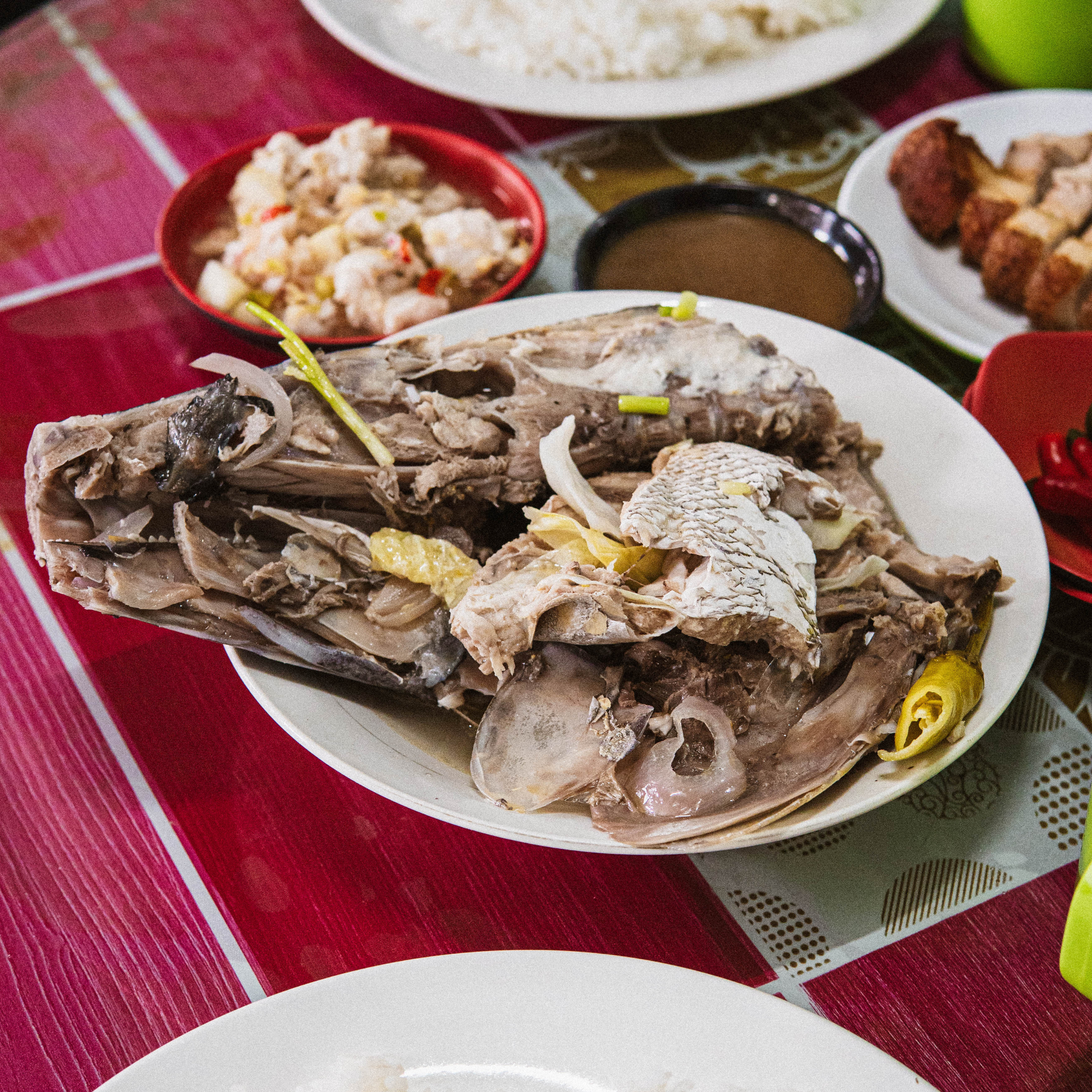
As you would expect, the dish isn’t exactly subtle. After all, it’s a massive fish head jutting out of a smaller bowl-plate hybrid filled with torn pieces of green chili and this grayish, somewhat-milky broth. It also came complete with bones, skin, and all the parts I would normally avoid. 

Around me, though, everybody else was eating as if they’ve had the dish a thousand times already, using their utensils, sometimes hands, to expertly dissect the fish for prized pieces of meat. 

I, on the other hand, was a little less sure, so I pushed the fish aside and spooned a bit of the translucent, collagen-rich broth over my plate of rice. I initially expected it to taste like a vegetable-free version of sinigang, but it’s actually closer to paksiw with a very sharp tang that wastes no time introducing itself. 

Apparently, it’s cooked with kamias (from the tree outside I assume), tomatoes, onions, radish, and the aforementioned green chilis. Altogether, though, it felt like a familiar Filipino combination—one that I’ve already had at home during days when the rain poured nonstop.
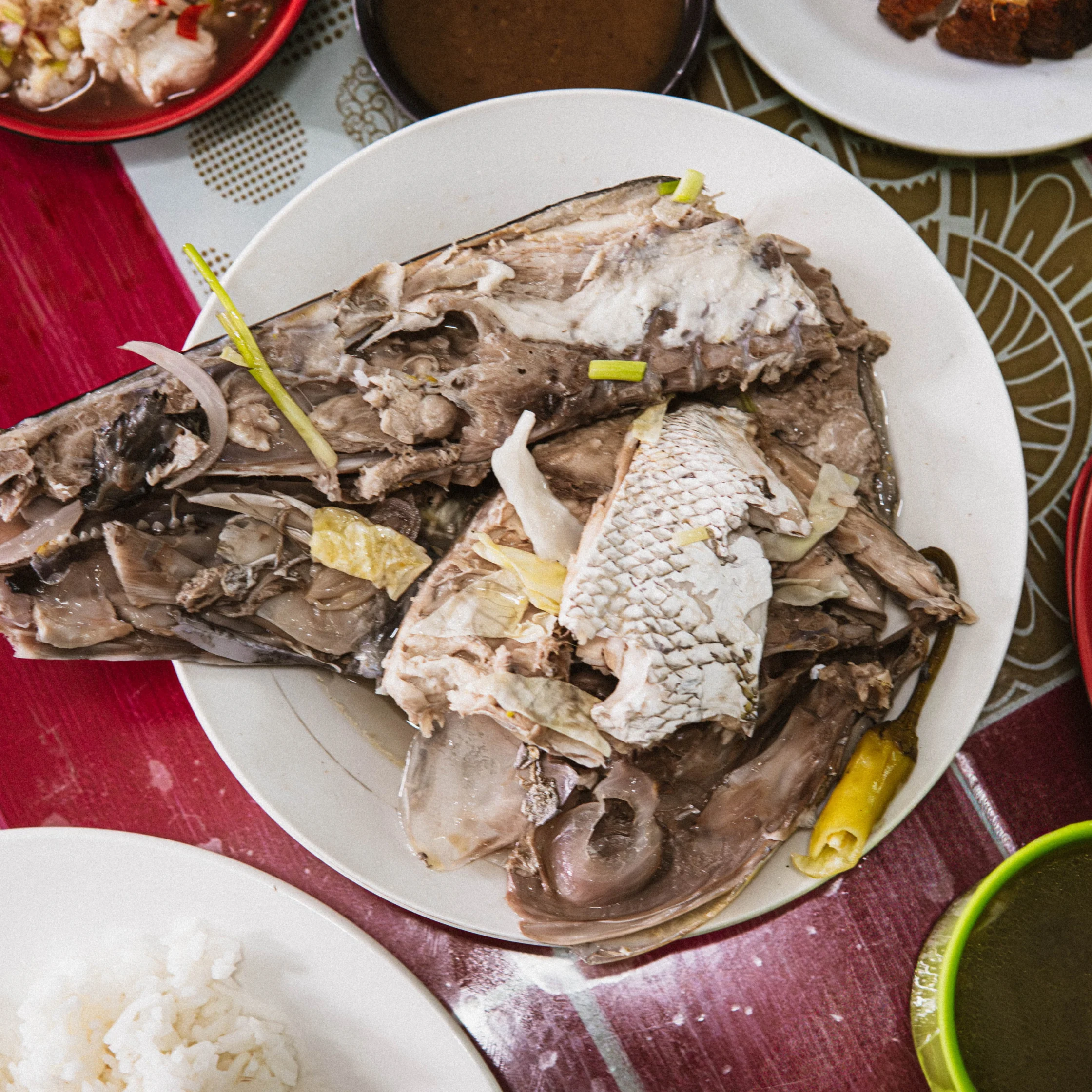
Plate with shredded fish and bones, rice on the side, and vegetable garnishes on a red tablecloth.
Don’t let the intimidating exterior fool you, there’s a surprising amount of meat and a flavorful broth! [PHOTO: JC Galisanao]

I guess it was the nostalgia that finally convinced me to dig into the head, because I just did. And to my surprise, it was meatier than I thought with large chunks of tender flesh all around the cheeks and collar. The skin and softer tissues added different textures to each bite too. Of course, it was messier than simply eating a fillet, but there was also something satisfying about having to work for the good parts.

It was really the broth, though, that had me hooked. It’s rich, comforting, and extremely flavorful with just the right amount of sourness and heat to jolt some life back into an otherwise gloomy day. 

And that, I think, is where Ulo-Ulo’s fish head soup wins you over. The fish itself is good, but the broth is what brings everything together. While it’s a cozy dish that feels like something you’d have at home, cooking so many fish heads at once gives it depth that’s hard to get from the usual home-cooked pot of soup with the bones, skin, and connective tissues all contributing to give oomph to the otherwise simple broth.

Head Over Heels For Fish Heads

By that point, I already understood why people come to here specifically for the fish head. But trying just that would be a disservice because, like any longstanding carinderia, they have plenty of familiar Filipino dishes beyond the signature soup. 

I tried a few of these, partly because I wanted to see how they compared and partly because, well, it’s hard to resist a carinderia spread when everything is sitting right there.

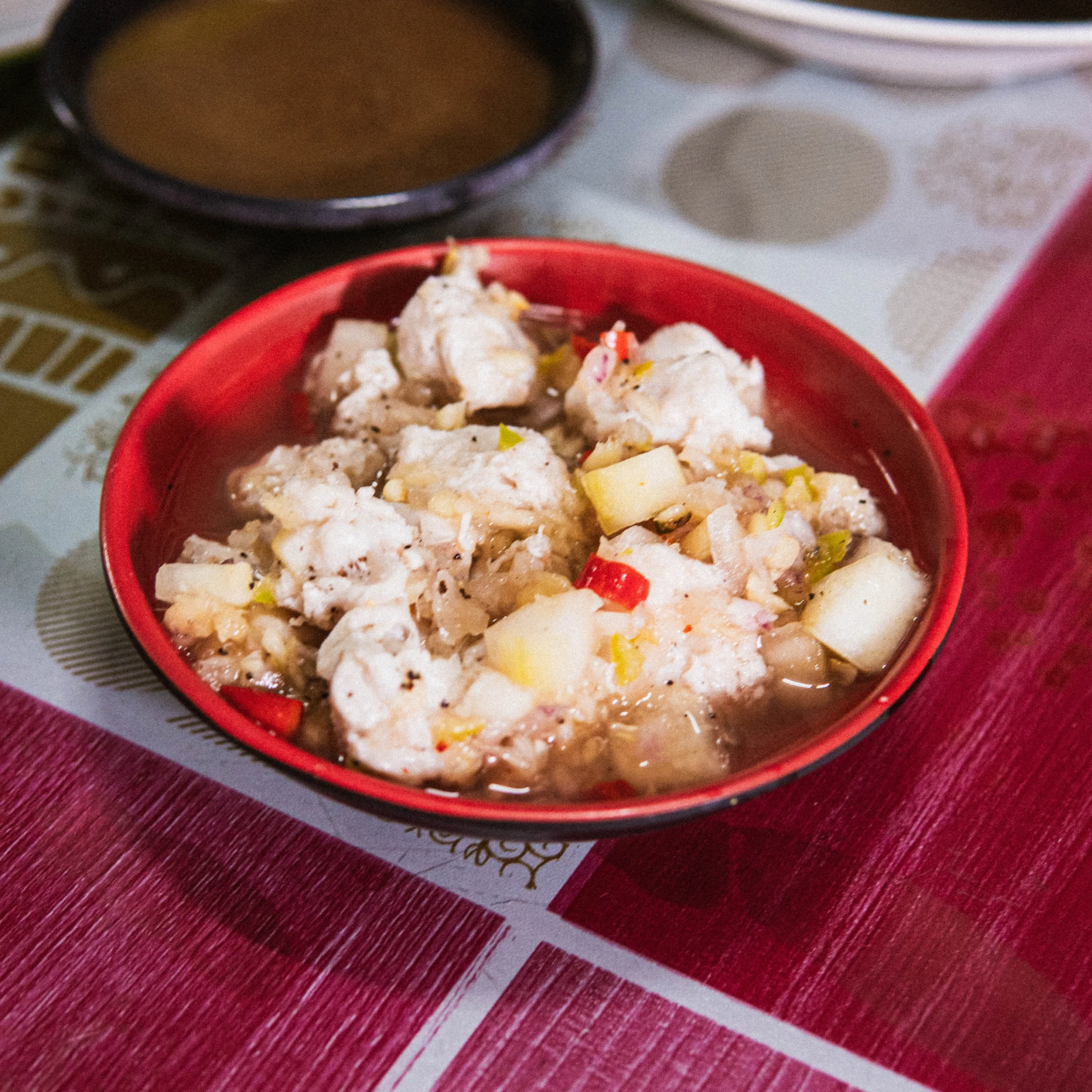
Their lechon kawali was the straightforward kind you’d expect: crisp and golden on the outside, with fatty, savory meat underneath. It’s the sort of dish that doesn’t need much explaining and rarely needs much convincing either. Their kinilaw, meanwhile, brought a much-needed hit of freshness, with acidity that cuts through the richer dishes.
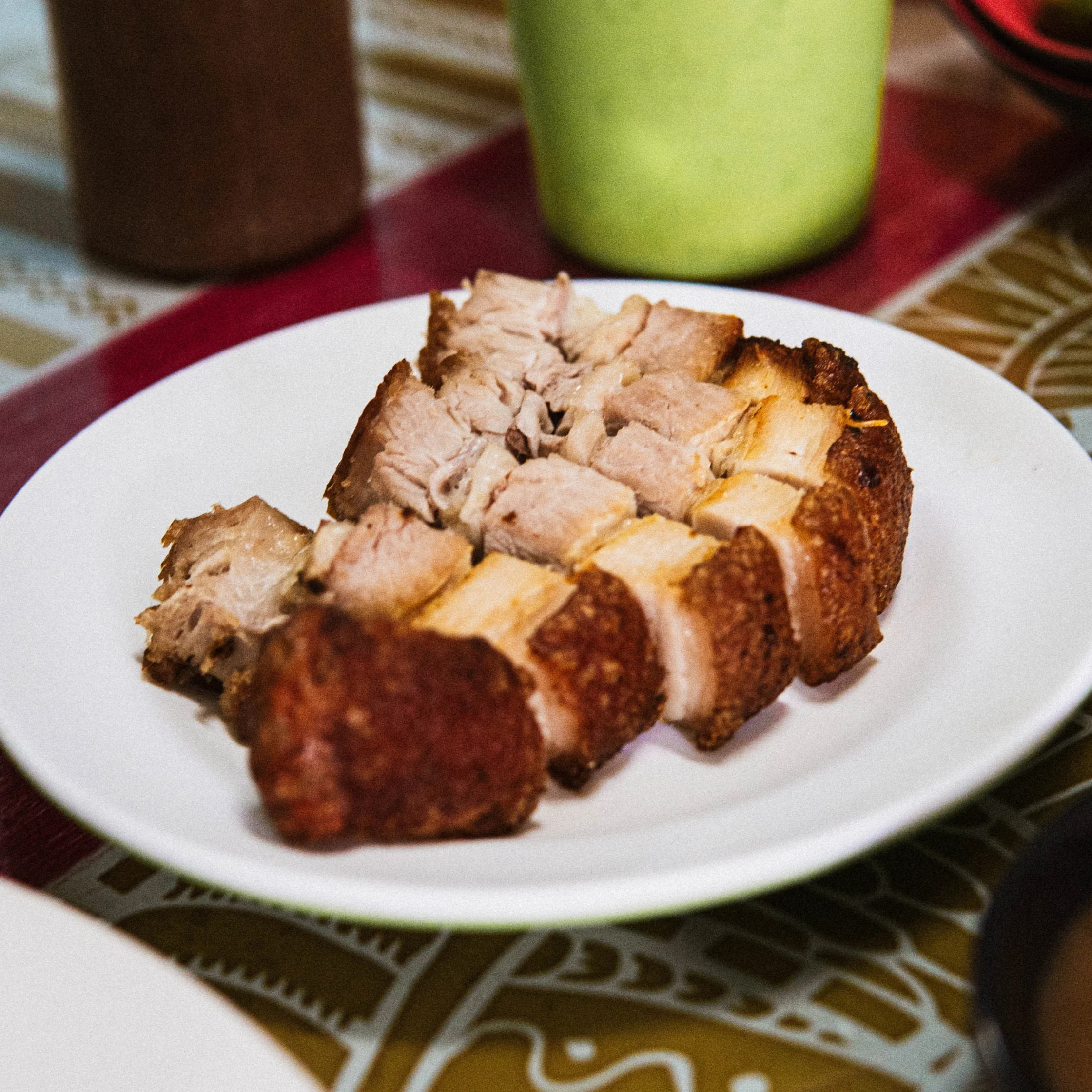
lechon kawali from ulo ulo carinderia in quezon city
Lechon Kawali [PHOTO: JC Galisanao]
kinilaw from ulo ulo carinderia in quezon city
Kinilaw [PHOTO: JC Galisanao]

Both were good, solid, familiar, and comforting—but neither are worth ordering over the fish head. Sure, their other dishes are perfectly capable of holding their own as everyday carinderia food, but they’re not really reasons for why a place would stick around this long. The lechon kawali is something you can find in plenty of other places. The kinilaw too. But their fish head soup is different.

It’s the dish that gives Ulo-Ulo their identity, the one that regulars come back for and the one that had me, a self-confessed fish-head avoider, sitting there picking through bones for another piece of meat. 

A Different Headspace

In doing so, I realized that my problem with fish heads may have had less to do with the fish itself and more to do with the fact that I never bothered to look closely enough.

I had always gone for the easy parts, the clean fillets, the boneless pieces, anything that didn’t require much effort. But at Ulo-Ulo, the extra work turned out to be part of the fun, because there’s something satisfying about finding the good bits for myself, especially when they come with a bowl of broth this good too.

I still love a good fillet—I mean, who doesn’t? But now, I wonder what else I’ve been missing out on simply because I was too busy choosing the easy way out.

Ulo-Ulo Carinderia is located at 1 Alley 23 Project 6, Quezon City.

author avatar
Paolo Elwick
Paolo is a food writer and storyteller exploring the intersections of food, culture, and identity through thoughtful, people-centered storytelling. He believes that, second only to language, food is one of humanity's most powerful expressions of culture—a medium for preserving history, expressing identity, and coming to understand ourselves and connect with others. Drawn to the histories, traditions, and personal experiences behind every dish, his writing combines curiosity with emotional honesty, highlighting diverse voices and celebrating the communities that shape our food landscape. Influenced by writers and artists who embrace vulnerability and introspection, Paolo uses a reflective, metaphor-rich approach to uncover the deeper meanings found in everyday meals and shared tables. He is passionate about creating stories that foster empathy, preserve cultural narratives, and invite readers to see food as more than sustenance—as memory, identity, and belonging. Through his work, Paolo hopes to amplify underrepresented perspectives and spark meaningful conversations that extend far beyond the plate.

Frequently Asked Questions

Ulo-Ulo Carinderia in Quezon City is known for its fish head soup, a comforting Filipino dish served with a large fish head in a tangy, flavorful broth.

author avatar
Paolo Elwick
Paolo is a food writer and storyteller exploring the intersections of food, culture, and identity through thoughtful, people-centered storytelling. He believes that, second only to language, food is one of humanity's most powerful expressions of culture—a medium for preserving history, expressing identity, and coming to understand ourselves and connect with others. Drawn to the histories, traditions, and personal experiences behind every dish, his writing combines curiosity with emotional honesty, highlighting diverse voices and celebrating the communities that shape our food landscape. Influenced by writers and artists who embrace vulnerability and introspection, Paolo uses a reflective, metaphor-rich approach to uncover the deeper meanings found in everyday meals and shared tables. He is passionate about creating stories that foster empathy, preserve cultural narratives, and invite readers to see food as more than sustenance—as memory, identity, and belonging. Through his work, Paolo hopes to amplify underrepresented perspectives and spark meaningful conversations that extend far beyond the plate.

Ulo-Ulo Carinderia is located at 1 Alley 23 Project 6, Quezon City.

author avatar
Paolo Elwick
Paolo is a food writer and storyteller exploring the intersections of food, culture, and identity through thoughtful, people-centered storytelling. He believes that, second only to language, food is one of humanity's most powerful expressions of culture—a medium for preserving history, expressing identity, and coming to understand ourselves and connect with others. Drawn to the histories, traditions, and personal experiences behind every dish, his writing combines curiosity with emotional honesty, highlighting diverse voices and celebrating the communities that shape our food landscape. Influenced by writers and artists who embrace vulnerability and introspection, Paolo uses a reflective, metaphor-rich approach to uncover the deeper meanings found in everyday meals and shared tables. He is passionate about creating stories that foster empathy, preserve cultural narratives, and invite readers to see food as more than sustenance—as memory, identity, and belonging. Through his work, Paolo hopes to amplify underrepresented perspectives and spark meaningful conversations that extend far beyond the plate.

The soup features fish head, kamias, tomatoes, onions, radish, and green chilis. The broth gets its distinct sourness and depth from the combination of these ingredients.

author avatar
Paolo Elwick
Paolo is a food writer and storyteller exploring the intersections of food, culture, and identity through thoughtful, people-centered storytelling. He believes that, second only to language, food is one of humanity's most powerful expressions of culture—a medium for preserving history, expressing identity, and coming to understand ourselves and connect with others. Drawn to the histories, traditions, and personal experiences behind every dish, his writing combines curiosity with emotional honesty, highlighting diverse voices and celebrating the communities that shape our food landscape. Influenced by writers and artists who embrace vulnerability and introspection, Paolo uses a reflective, metaphor-rich approach to uncover the deeper meanings found in everyday meals and shared tables. He is passionate about creating stories that foster empathy, preserve cultural narratives, and invite readers to see food as more than sustenance—as memory, identity, and belonging. Through his work, Paolo hopes to amplify underrepresented perspectives and spark meaningful conversations that extend far beyond the plate.

Beyond its signature fish head soup, Ulo-Ulo Carinderia serves familiar Filipino carinderia dishes, including lechon kawali and kinilaw.

author avatar
Paolo Elwick
Paolo is a food writer and storyteller exploring the intersections of food, culture, and identity through thoughtful, people-centered storytelling. He believes that, second only to language, food is one of humanity's most powerful expressions of culture—a medium for preserving history, expressing identity, and coming to understand ourselves and connect with others. Drawn to the histories, traditions, and personal experiences behind every dish, his writing combines curiosity with emotional honesty, highlighting diverse voices and celebrating the communities that shape our food landscape. Influenced by writers and artists who embrace vulnerability and introspection, Paolo uses a reflective, metaphor-rich approach to uncover the deeper meanings found in everyday meals and shared tables. He is passionate about creating stories that foster empathy, preserve cultural narratives, and invite readers to see food as more than sustenance—as memory, identity, and belonging. Through his work, Paolo hopes to amplify underrepresented perspectives and spark meaningful conversations that extend far beyond the plate.
paolo elwick delish ph food writer

Paolo Elwick

Writer

Paolo is a food writer and storyteller exploring the intersections of food, culture, and identity through thoughtful, people-centered storytelling. He believes that, second only to language, food is one of humanity's most powerful expressions of culture—a medium for preserving history, expressing identity, and coming to understand ourselves and connect with others. Drawn to the histories, traditions, and personal experiences behind every dish, his writing combines curiosity with emotional honesty, highlighting diverse voices and celebrating the communities that shape our food landscape. Influenced by writers and artists who embrace vulnerability and introspection, Paolo uses a reflective, metaphor-rich approach to uncover the deeper meanings found in everyday meals and shared tables. He is passionate about creating stories that foster empathy, preserve cultural narratives, and invite readers to see food as more than sustenance—as memory, identity, and belonging. Through his work, Paolo hopes to amplify underrepresented perspectives and spark meaningful conversations that extend far beyond the plate.

0 0 votes
Total of Ratings
guest
Rating
Ratings for Article
0 Comments
Oldest
Newest Most Voted

To provide a customized ad experience, we need to know if you are of legal age in your region.

By making a selection, you agree to our Terms & Conditions.