

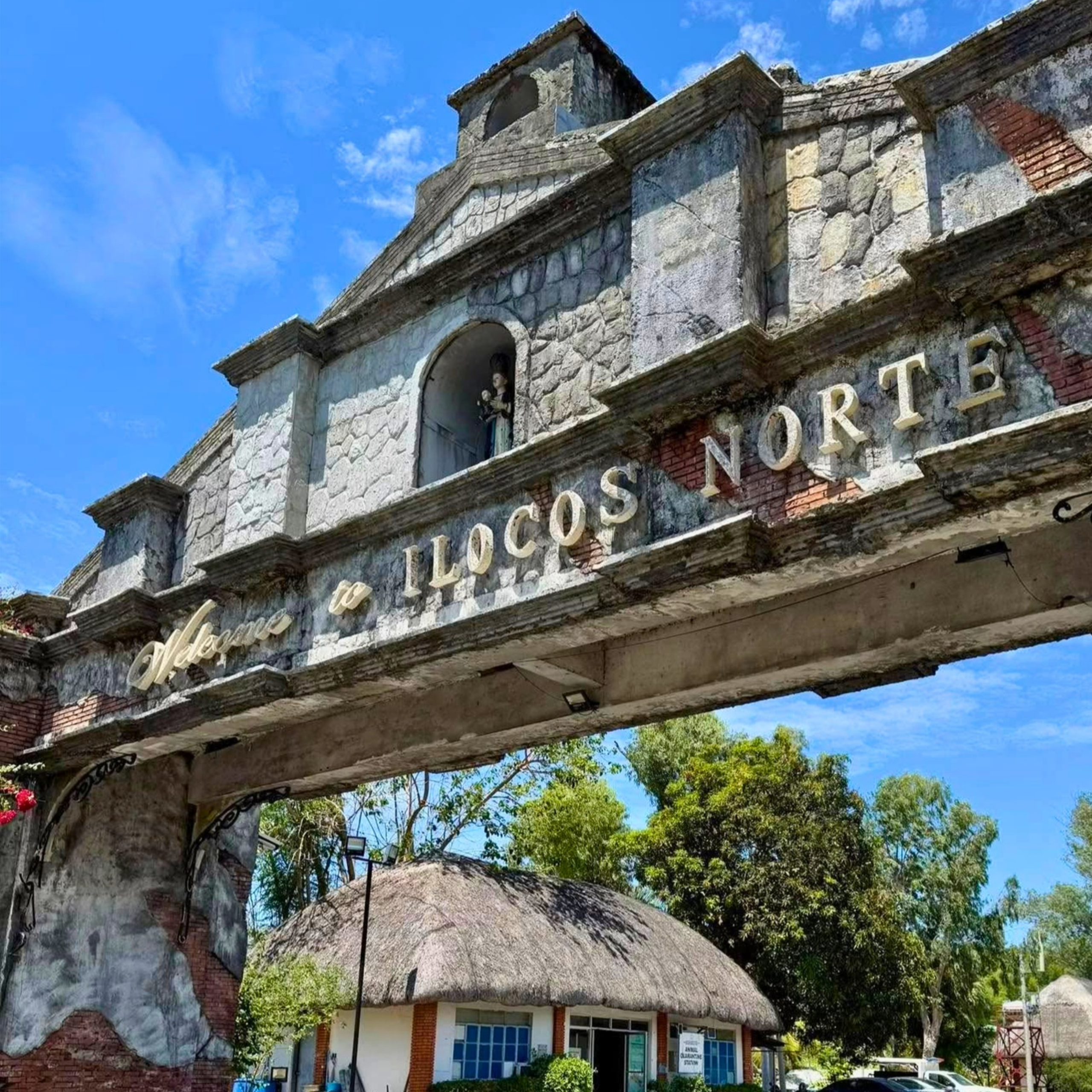
There’s definitely more to Ilocos Norte than just empanada and bagnetBagnetBagnet is an Ilocano deep-fried pork belly, first boiled, air-dried, and twice-fried until the skin turns extraordinarily crisp while the meat stays remarkably tender beneath. Often traditionally served with bagoongGo to Bagnet Glossary. Walk into a restaurant serving traditional fare or visit a local carinderia, and chances are you’ll encounter something familiar yet uniquely Ilocano.
From time-honored recipes and local delicacies to homegrown ingredients, the northern province offers a flavorful glimpse into Ilocano culture, ingenuity, and culinary heritage, making it a destination best explored with an empty stomach and an open mind.
1. Baridibud
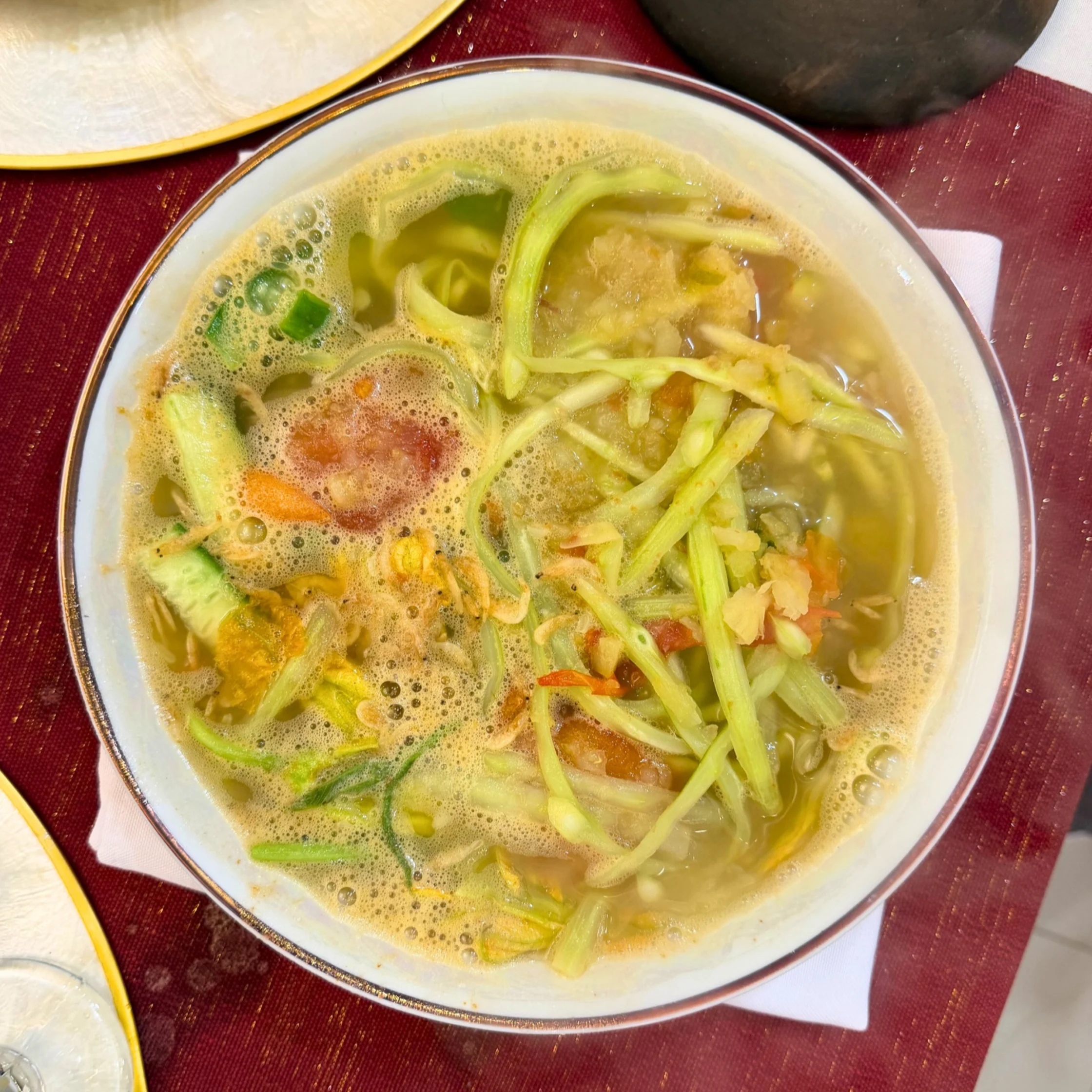
It’s a rustic vegetable stew composed of whatever vegetables people grow in their backyard. Also known as buridibod and buridibud, this dish is is a relative of dinengdeng, but what sets it apart is the clarity of the broth. This doesn’t have a clear one since it uses mashed sweet potato as a base, which not just thickens the broth but also balances the umami of another distinct ingredient found in the dish, bugguong or fermented fish paste.
2. Pancit Lusay
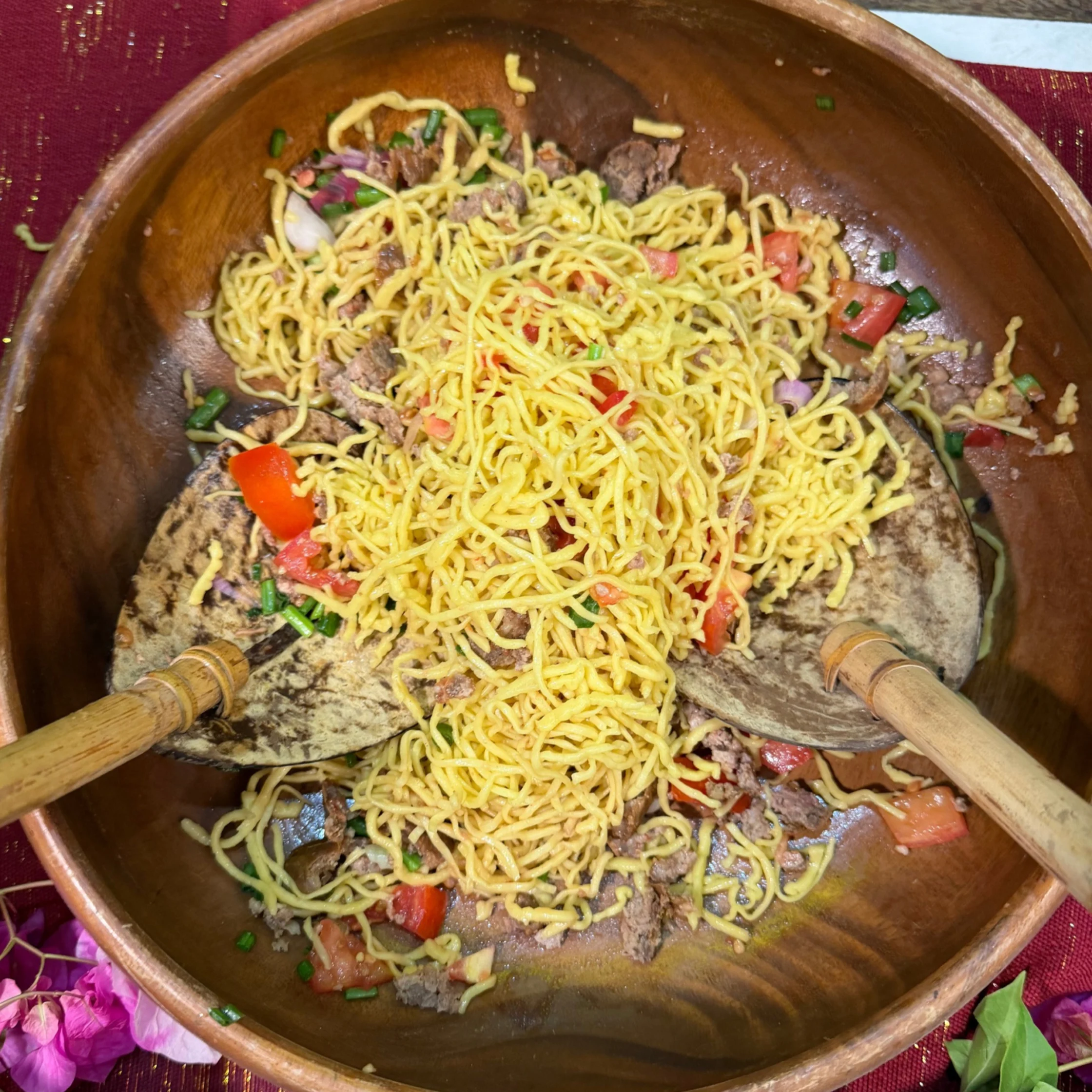
Particularly popular in Laoag, this type of pancit is different from the many others as it leans more on the dry side—it’s not soupy or saucy at all. Basically, what it is is yellow egg noodles or miki seasoned with bagoongBagoongA salty, umami-rich paste of fermented fish or shrimp, central to Filipino cooking. It seasons stews like pinakbet, tops green mango, and accompanies kare-kare, while the sautéed version, bagoong alamang,Go to Bagoong Glossary and calamansi juice, then tossed along with tomatoes, lasona (onion), garlic and chives. Sometimes, they add crumbled longganisa or egg. It’s a pretty basic pancit, nonetheless satisfying.
3. Baduya
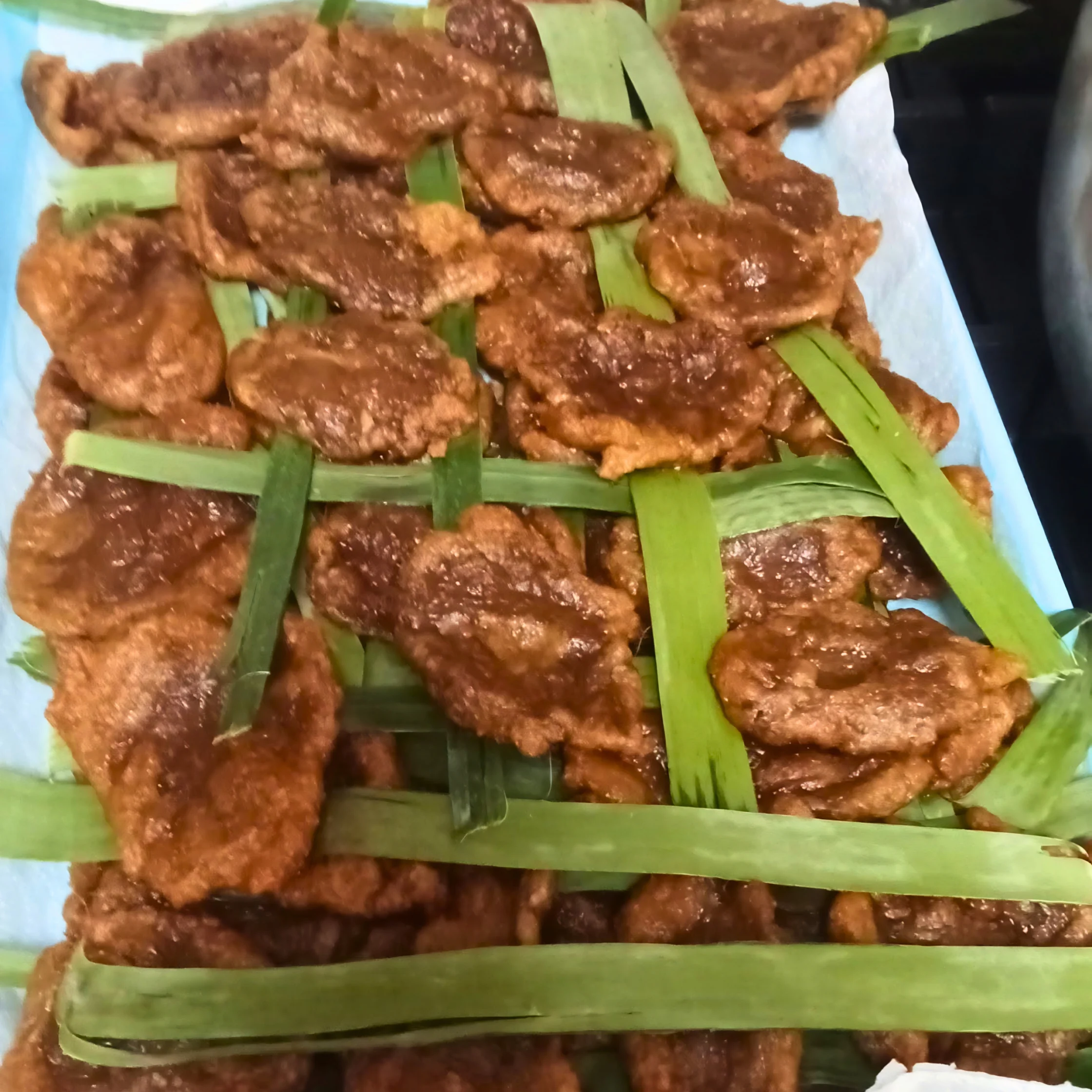
Ilocos Norte holds a wide array of kakanin, among them is this delicacy made of glutinous rice flour, coconut milk, sugar like panutsa and grated coconut. Everything is hand-mixed into a dense dough, shaped like a flat disc, then fried in oil until golden. It’s one of a handful of sticky rice specialties that appear come atang or Ilocano undas, along with dudul and sumanSumanSuman is a Filipino rice cake made from glutinous rice steamed in coconut milk and wrapped in banana or buri leaves, often eaten with sugar. Regional versions vary in shape,Go to Suman Glossary.
4. Warek-Warek
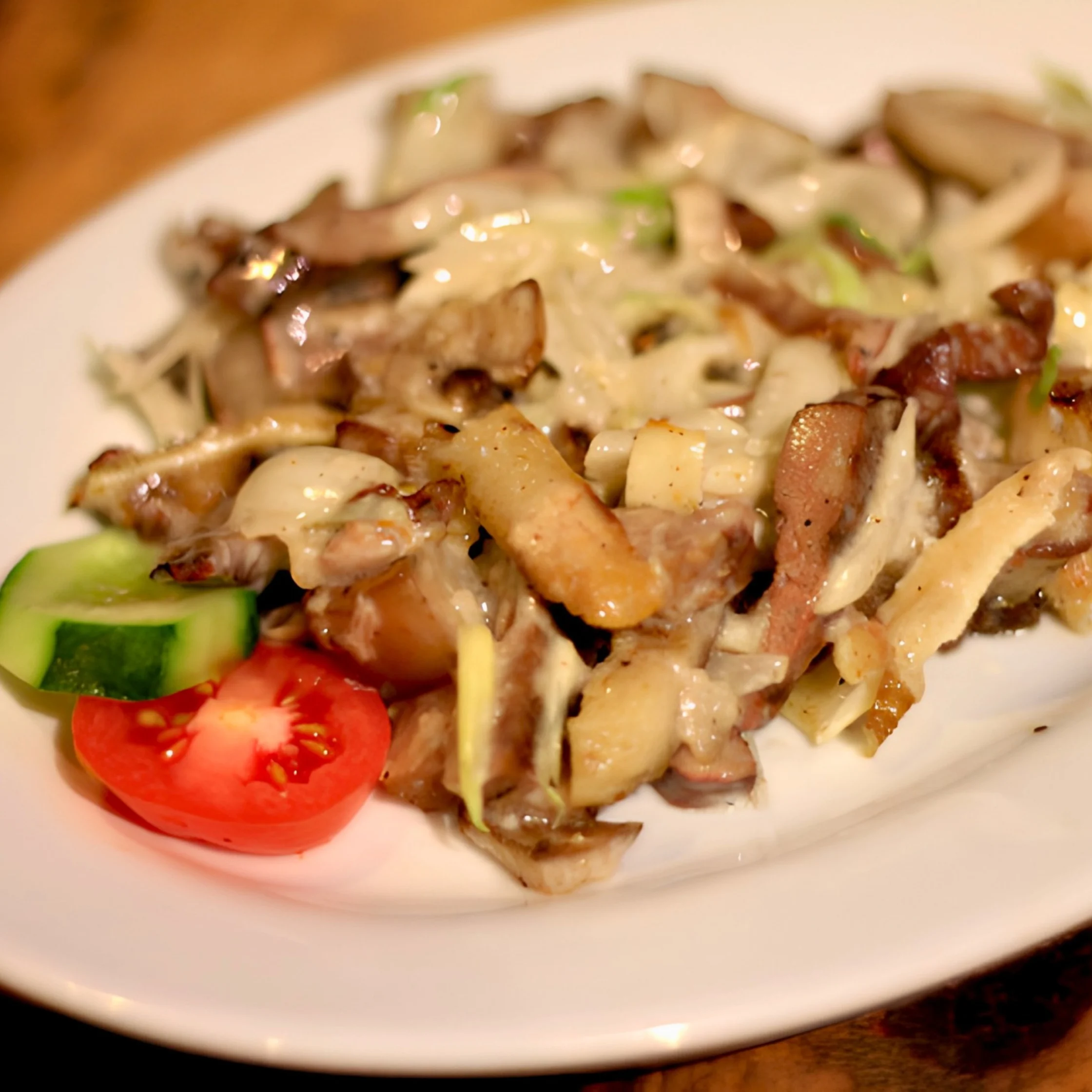
Not to be confused with dinakdakan, warek-warek means to toss, while the former dish means to chop. To prepare this popular pulutanPulutanPulutan refers to Filipino bar food, savory snacks and small dishes meant to be eaten alongside alcohol, usually beer. Sisig, crispy pata, and chicharon are classic examples, chosen for saltiness,Go to Pulutan Glossary, pork parts like cheeks, neck and tongue are boiled then grilled and chopped before being tossed with onion, chili, ginger and sukang Iloko. Sometimes, they include mashed pig’s brain to add creaminess and richness.
5. Dinardaraan
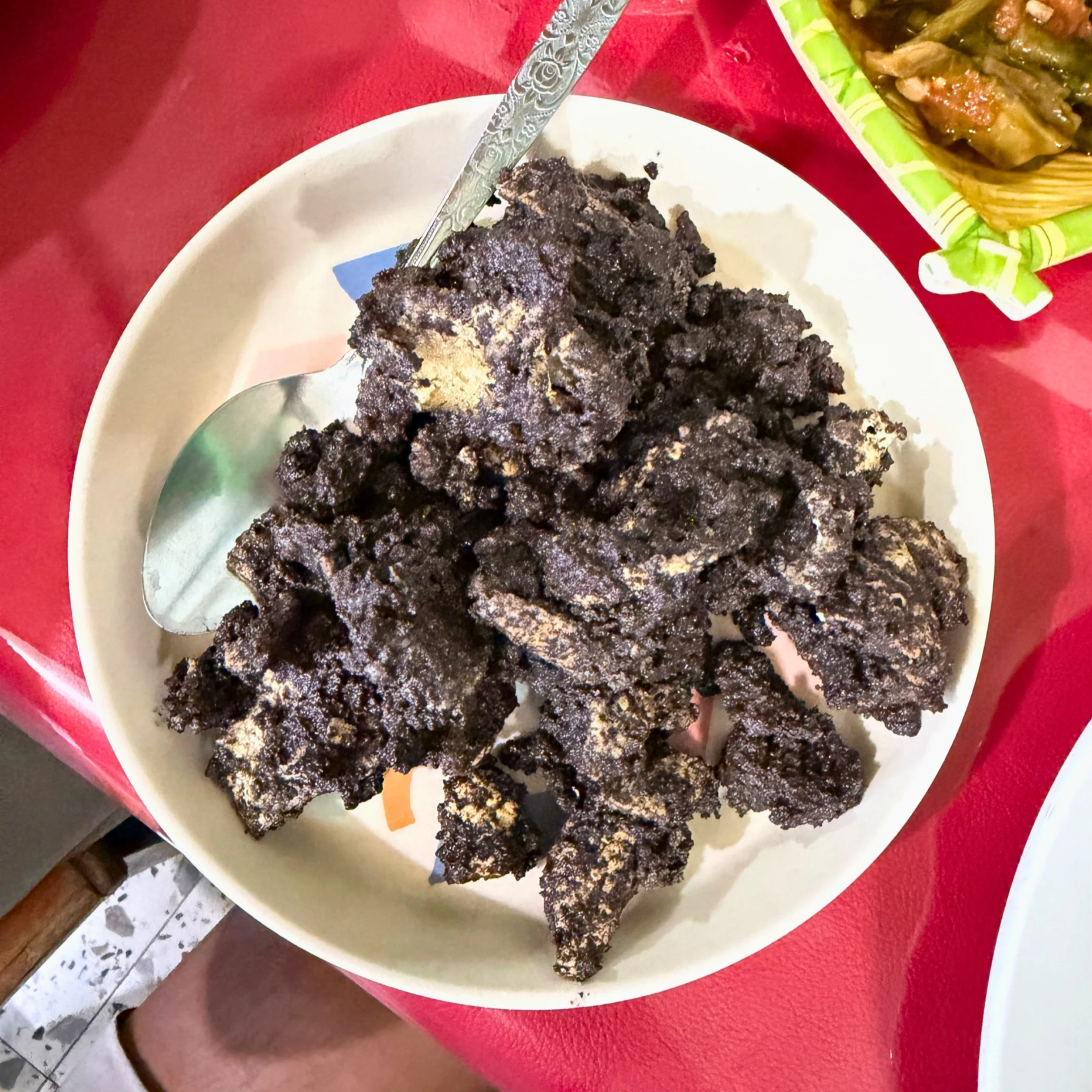
It may look like dinuguanDinuguanA rich, savory Filipino stew of pork simmered in seasoned pork blood, vinegar, garlic, and long green chilies. Sometimes nicknamed chocolate meat for its dark color, dinuguan is best pairedGo to Dinuguan Glossary but it’s not quite the same because this is a drier and oilier version. The dinuguan is cooked until thick, with some versions even including cubes of crispy bagnet. Apart from the texture, it also has a distinctly tangy flavor coming from the Ilocano cane vinegar.

Frequently Asked Questions
Baridibud (also spelled buridibod or buridibud) is a rustic vegetable stew made from backyard-grown vegetables. Unlike dinengdeng, which has a clear broth, baridibud uses mashed sweet potato to thicken the broth and balance the umami of bugguong (fermented fish paste).
Popular in Laoag, pancit lusay leans on the dry side rather than being soupy or saucy. It consists of yellow egg noodles or miki seasoned with bagoong and calamansi juice, tossed with tomatoes, lasona (onion), garlic, and chives, and sometimes topped with crumbled longganisa or egg.
Along with dudul and suman, baduya is one of the sticky rice specialties served during atang or Ilocano Undas.
Warek-warek is a pulutan made by boiling, grilling, and chopping pork parts like cheeks, neck, and tongue, then tossing them with onion, chili, ginger, and sukang Iloko (sometimes with mashed pig’s brain for added creaminess and richness). Its name means “to toss,” whereas dinakdakan means “to chop.”
Dinardaraan is a drier, oilier, and thicker version of dinuguan with a distinctly tangy flavor from Ilocano cane vinegar, and some versions include cubes of crispy bagnet.