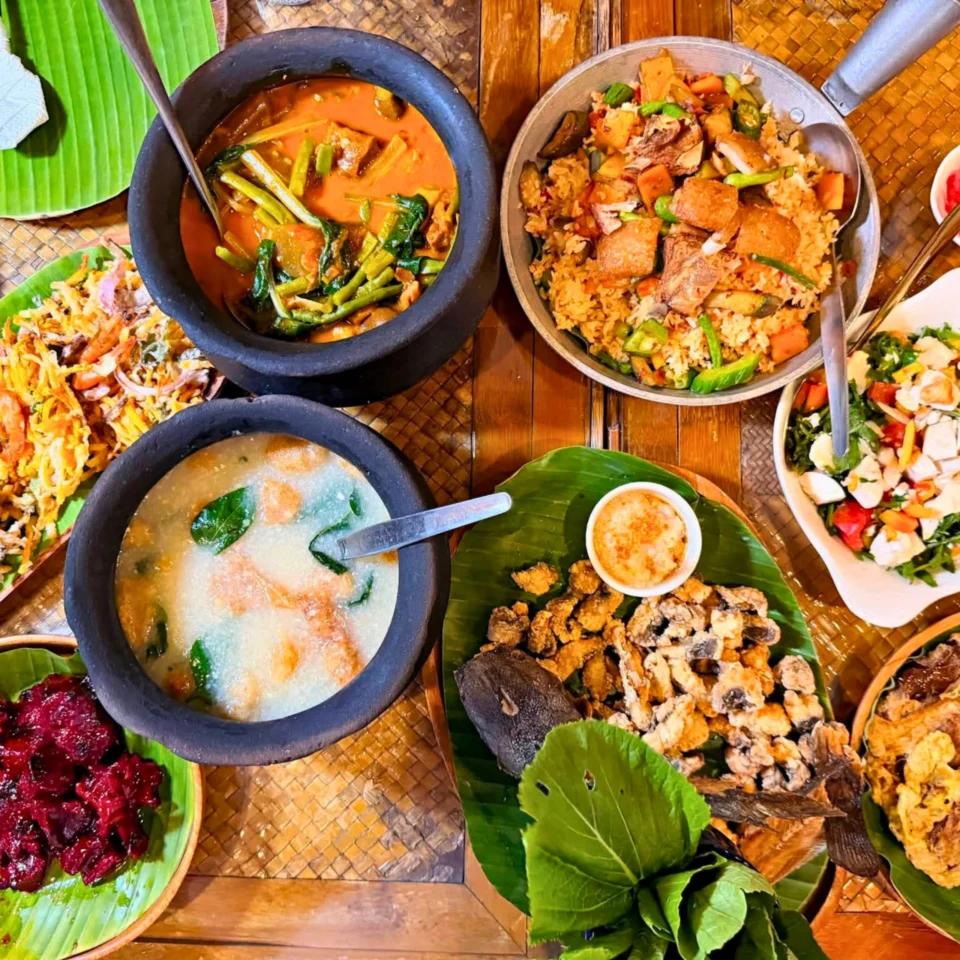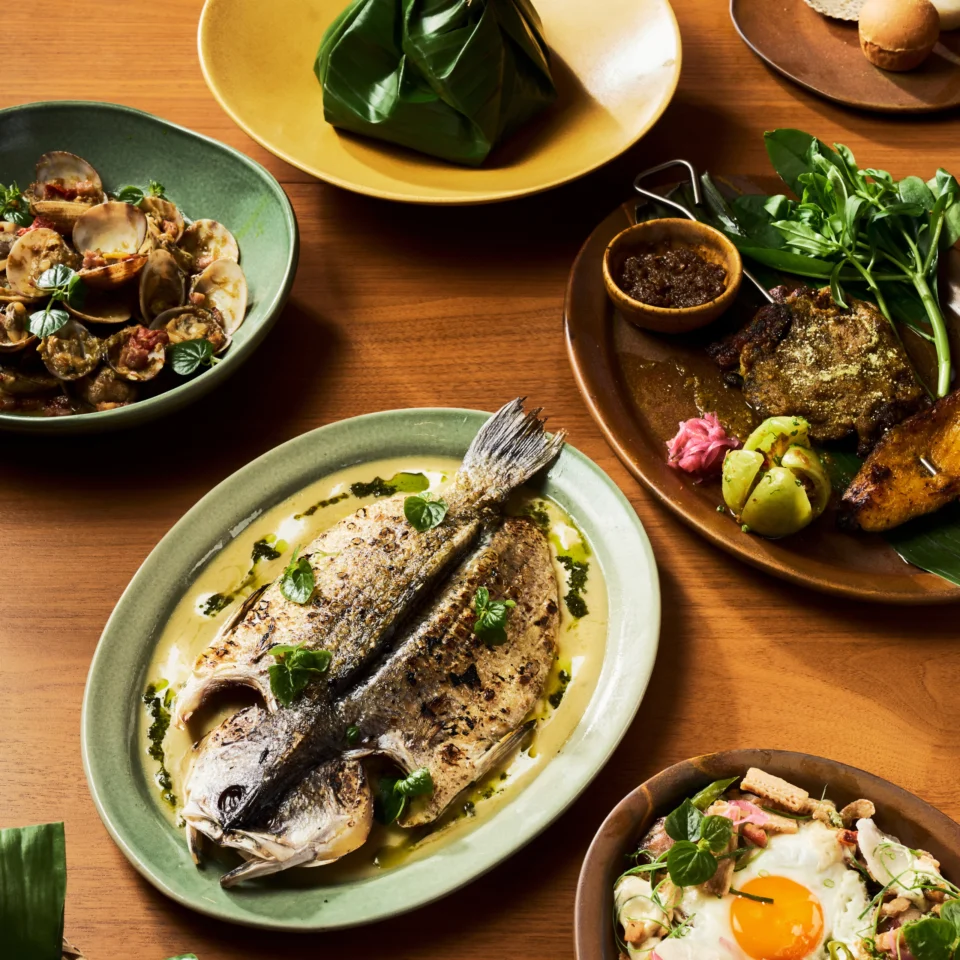
There’s this common conception that Filipino food is meat-centric—a widely propagated notion that’s not entirely unfounded. Sure, there are plenty of dishes (especially in regions outside Manila) that are naturally centered on veg, but much of the Filipino fare that’s commonly available still feature or lean on animal products. It can thus be difficult to navigate things if you’re vegan, especially when dining out.
But plant-based and vegan options are no longer the rare unicorn they once were, especially with the rise in consumer concern for factors like health and sustainability. And yes, a couple of local spots now serve meatless versions of Filipino classics worth adding to your order list, whether you’re fully vegan for ethical, environmental, and/or medical reasons—or simply looking for a meatless option that delivers on the flavor front.
Rice and Shine from Green Bar
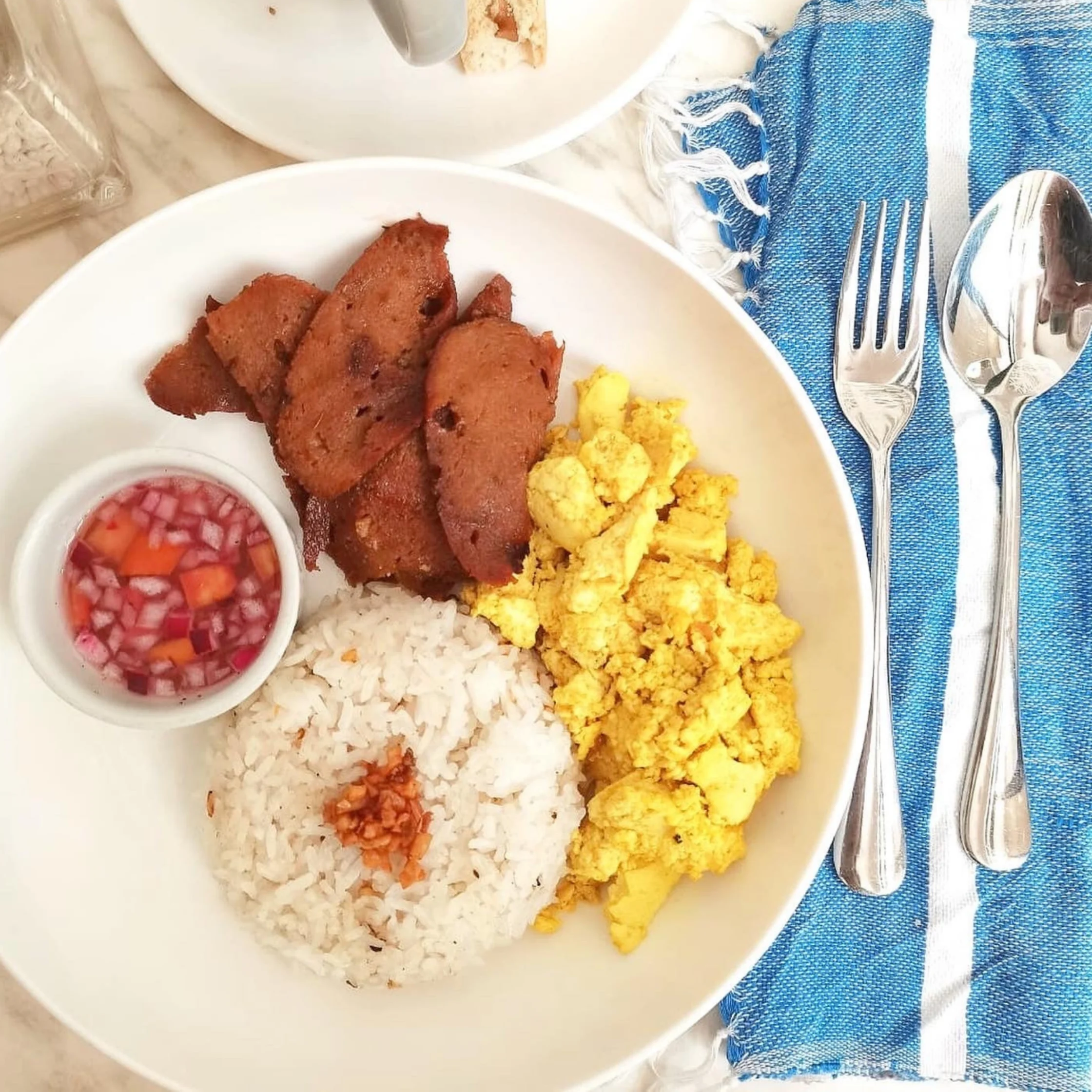
Few things hit the spot like Pinoy breakfast, and Green Bar makes it possible to enjoy its hearty, savory goodness minus the animal products: it’s got tocinoTocinoFilipino sweet cured pork, marinated in sugar, salt, and spices, then pan-fried until glossy and lightly caramelized. Served with garlic rice, fried egg, and a side of tomatoes or spicedGo to Tocino Glossary-fied seitan instead of the usual pork version, scrambled tofu in place of eggs, garlic fried rice, spiced vinegar, and a tomato-onion salsa.
Wholesome Plant-Based Sisig from Batala Bar
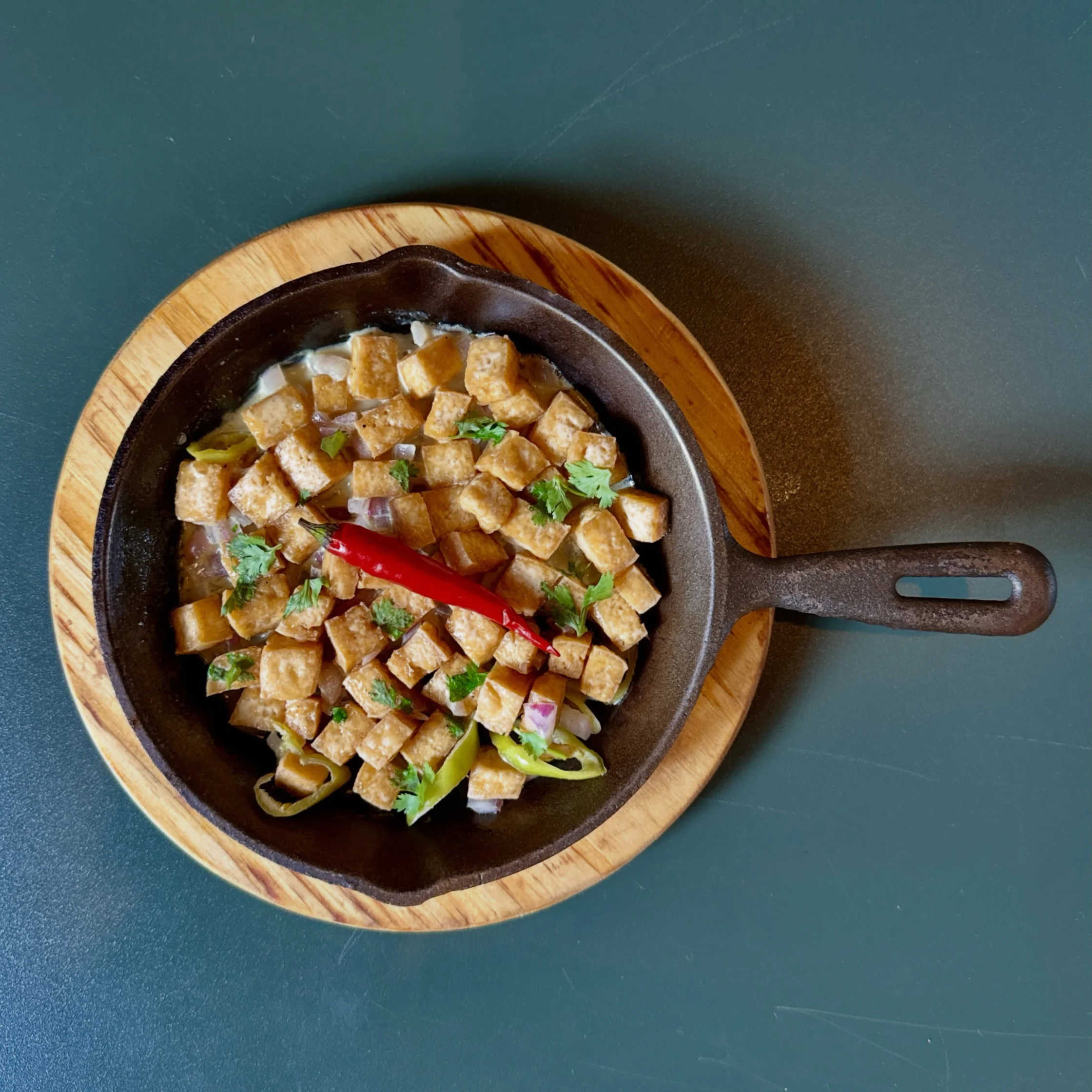
Sisig is made with pork by default, but its defining flavor profile lends itself well to other proteins. Case in point: Batala Bar’s meatless version, with tofu plus red onion, cilantro, and crispy mushroom chicharon all united by a savory, subtly sour sauce, then served in an iron skillet.
Beanuguan with Bagnet from Cosmic
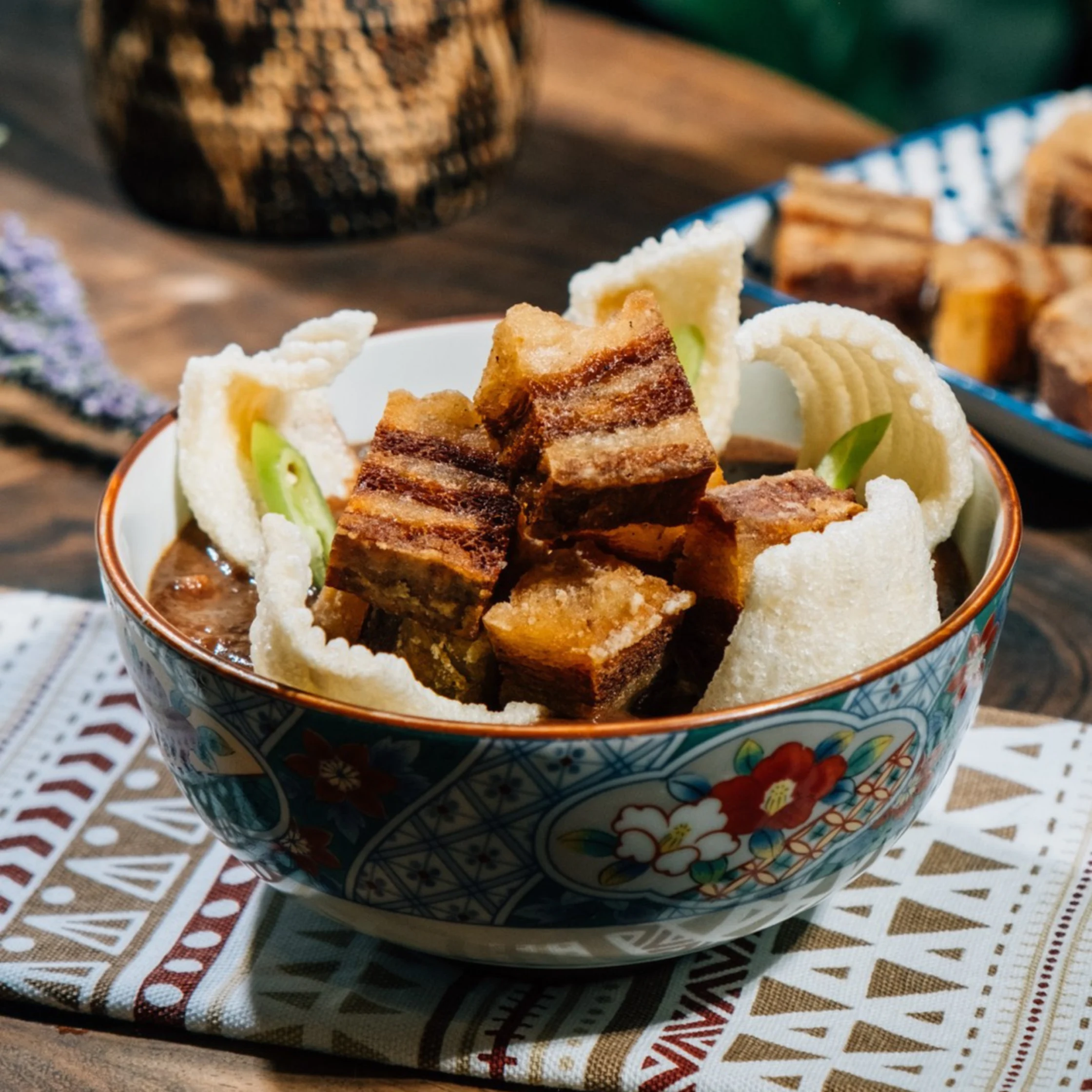
Dinuguan, but make it vegan. This amusingly named dish from Cosmic uses black beans for the earthiness and body often associated with the blood stew—and look ma, no pigs were harmed in the making.
Plant-Based Kare-Kare from The Westin Manila
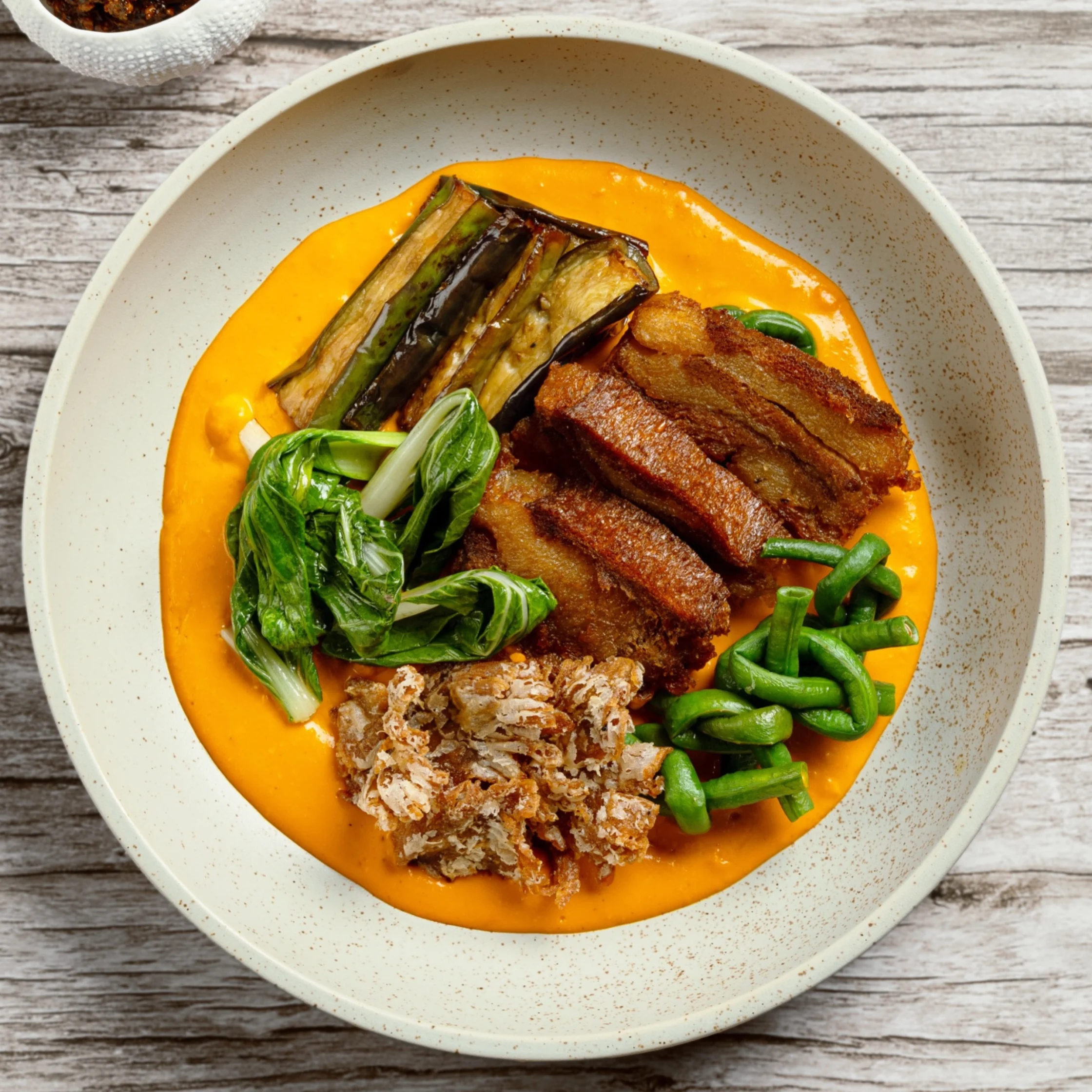
Who doesn’t love a hearty bowl of kare-kare? The Westin Manila’s vegan-friendly version does away with meat and features crispy plant-based “bagnetBagnetBagnet is an Ilocano deep-fried pork belly, first boiled, air-dried, and twice-fried until the skin turns extraordinarily crisp while the meat stays remarkably tender beneath. Often traditionally served with bagoongGo to Bagnet Glossary” and veggies in a thick peanut sauce. Completing the circuit is a side of vegan “bagoong” made with nori, miso, and gochujang.
Tofu Bistek from Pipino
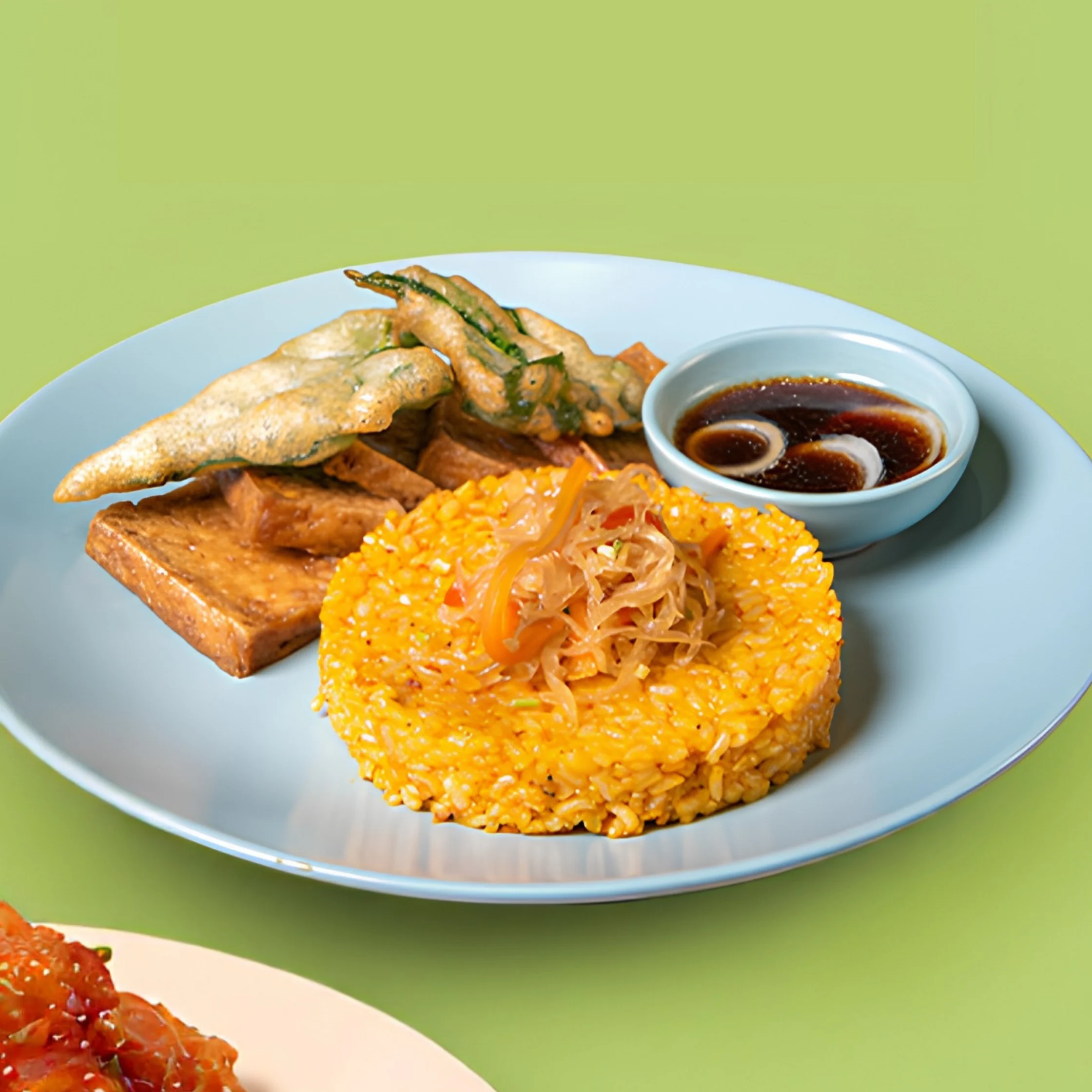
If you love yourself some deeply savory, tangy bistek, this vegan-friendly version from Pipino ought to be on your eat list. Tofu serves as the main protein here, flavored and cooked a la bistek and served with garlic annato rice, atsara, a vegan soy-calamansi sauce, and a topping of fried, battered spinach.
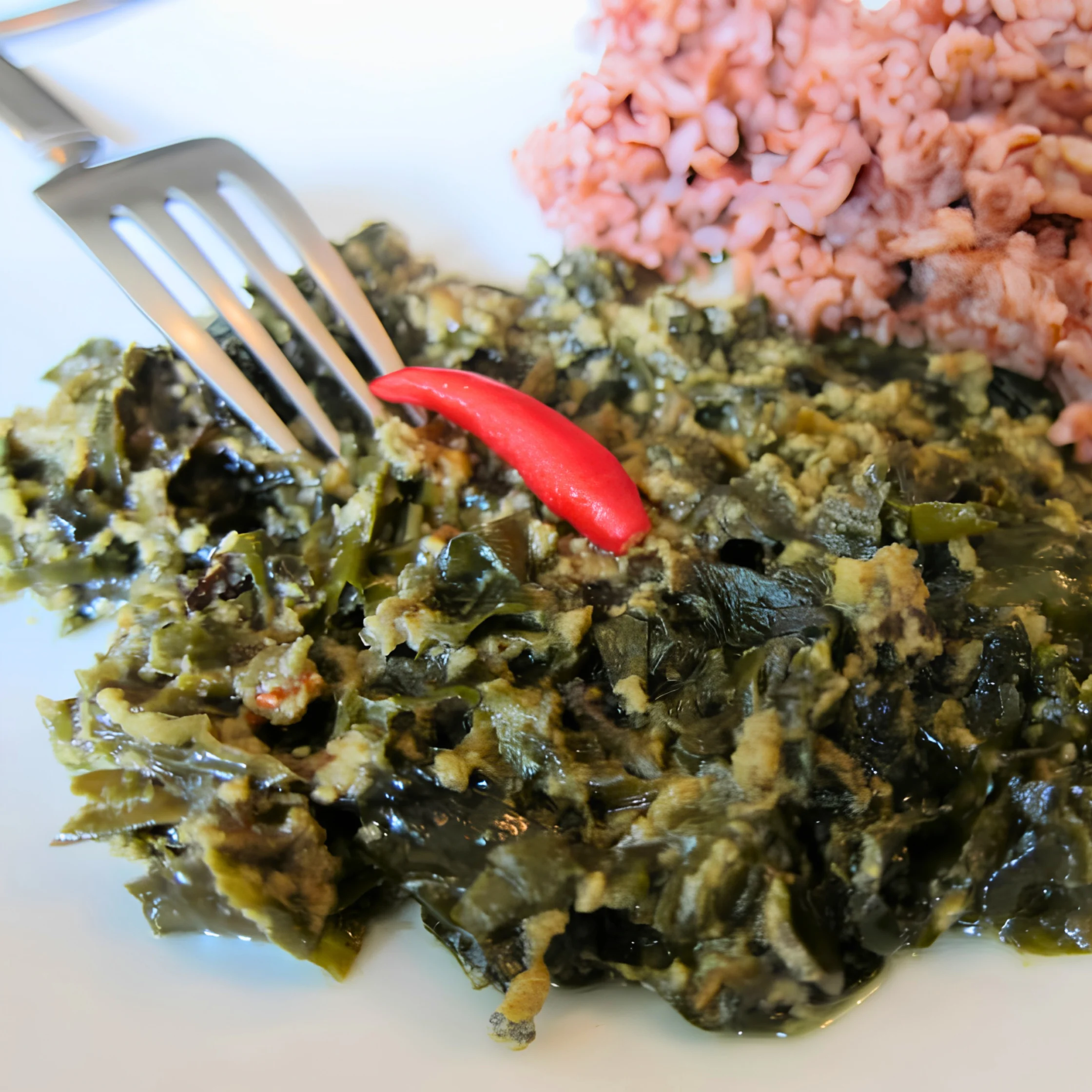
Veg Laing from Corner Tree Cafe
Laing is one of Filipino cuisine’s best veggie-centric dishes, but many versions also contain pork. Enter Corner Tree Cafe’s version that keeps the spotlight on the veg: it’s got taro leaves stewed in coconut milk and chili for a hint of heat, plus red rice to complete the meal.
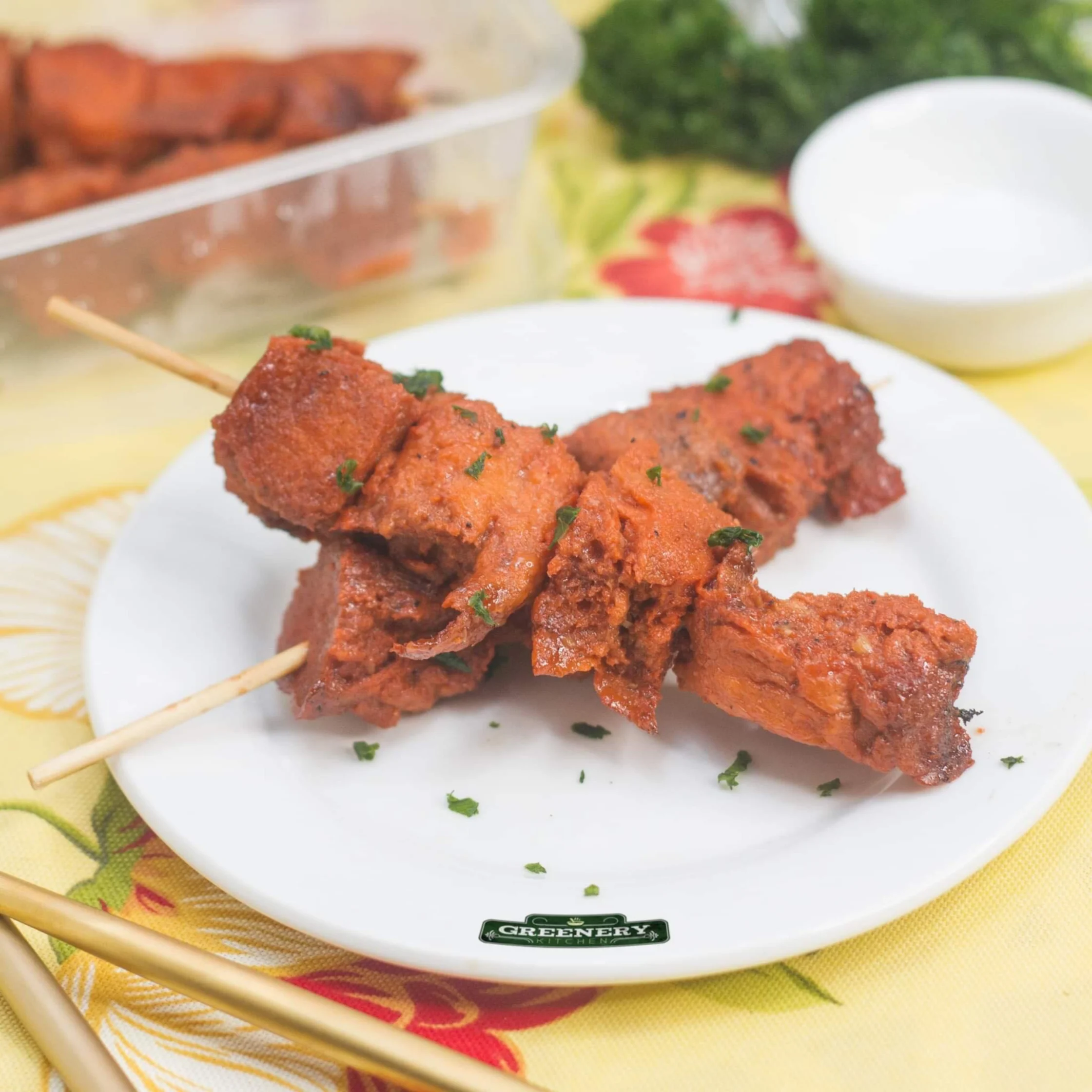
Barbecue from Greenery Kitchen
Makati’s Greenery Kitchen makes vegan versions of common Filipino viands, Pinoy-style BBQ included. Their take uses TVP, marinated and grilled for the unmistakable smokiness and savory-sweet character of its meat-based counterpart.

Frequently Asked Questions
Green Bar offers a “Rice and Shine” breakfast plate complete with tocino-fied seitan, scrambled tofu, garlic fried rice, spiced vinegar, and tomato-onion salsa.
Their kare-kare features crispy plant-based “bagnet” and vegetables in a thick peanut sauce, accompanied by a side of vegan “bagoong” made from nori, miso, and gochujang.
Batala Bar offers a Wholesome Plant-Based Sisig made with tofu, red onion, cilantro, and crispy mushroom chicharon served in an iron skillet.
Cosmic uses black beans to replicate the body and earthiness typically associated with traditional pork-based dinuguan.
There is a common and largely valid conception that Filipino food is heavily meat-centric, and much of the commonly available fare still features or leans on animal products.
But more recently, plant-based and vegan choices are no longer rare, driven by a rise in consumer concern for factors like health and sustainability.