Is going gluten-free a dietary choice or just another wellness craze?
Whether plastered across grocery store packaging or printed beside restaurant menu items, “gluten-free” labels are meant to help people with allergies, sensitivities, or personal preferences know exactly what they are about to eat.
Over the years, however, gluten (and avoiding it) has sparked endless debate online. Instead of getting caught up in the sensationalism, it helps to go back to basics: what gluten actually is, what role it plays in our food, and why cutting it out is essential for some and completely optional for others.
What Is Gluten and How Does It Work?
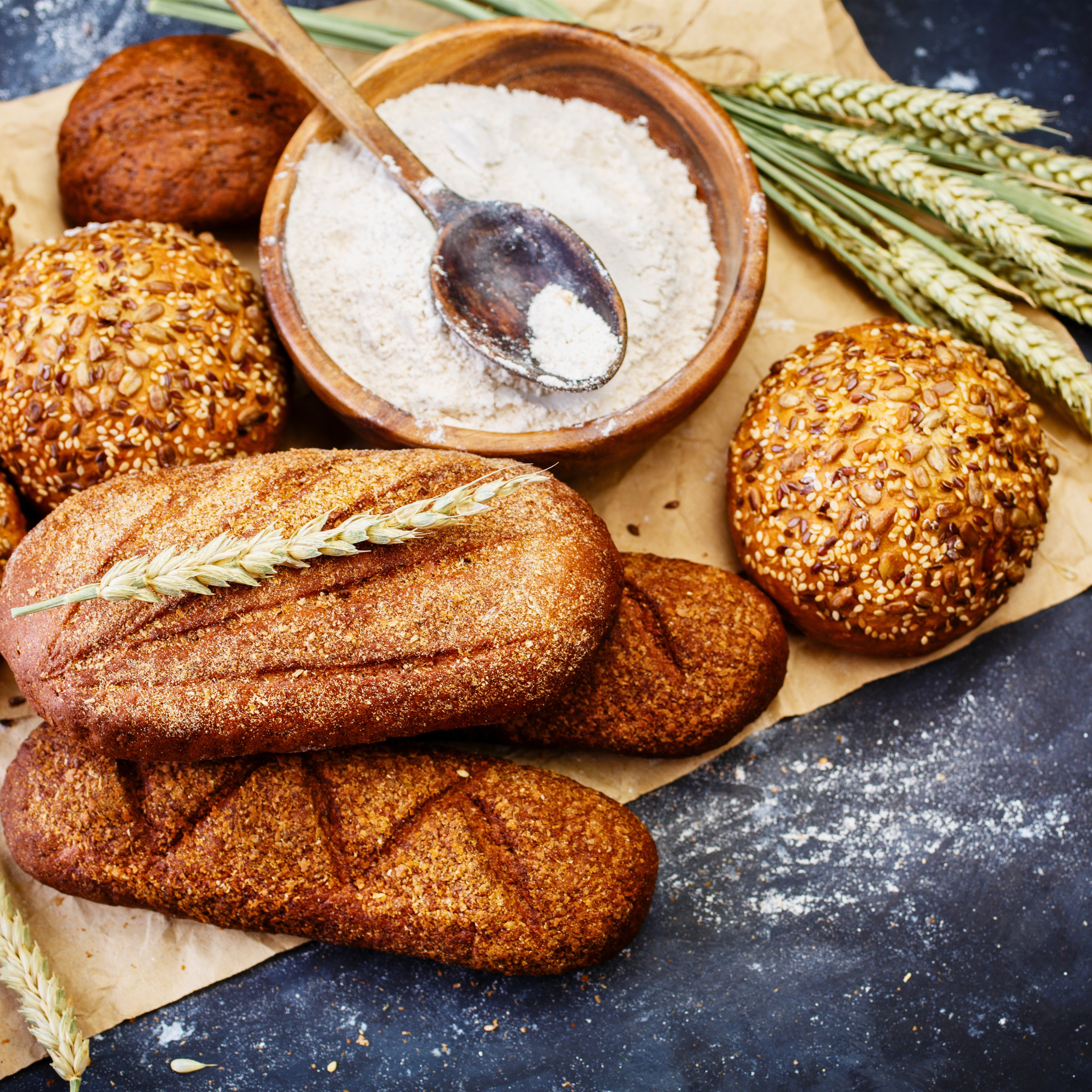
At its core, gluten is a family of storage proteins naturally found in certain grains, most notably wheat, barley, and rye. Rather than being a single compound, it is a dynamic composite formed from two specific proteins: gliadin and glutenin.
The reason why bakers and cooks rely on gluten for certain recipes and preparations all comes down to what it does to dough. Glutenin gives dough its strength and ability to bounce back when stretched. On the other hand, gliadin allows dough to stretch without tearing.
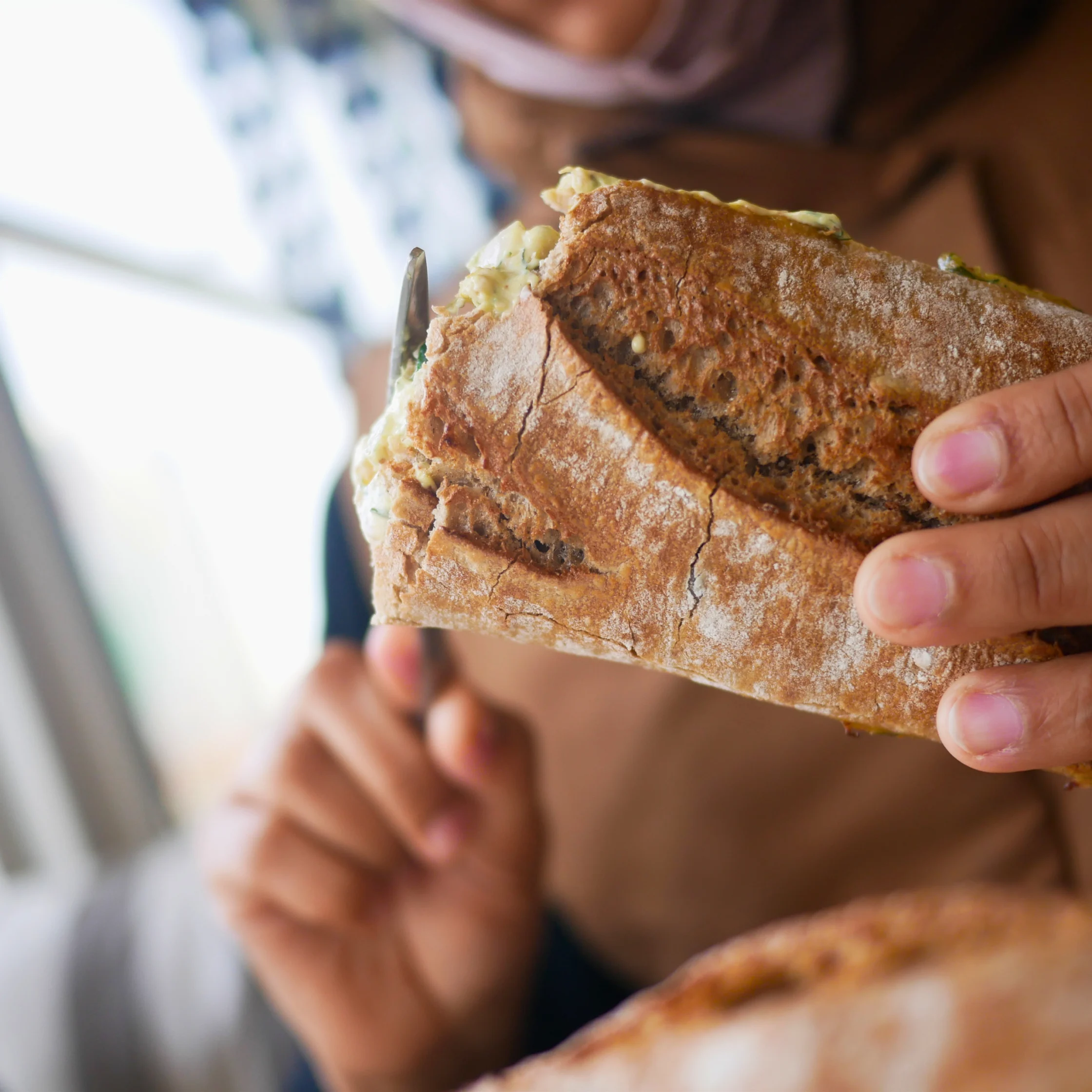
When you add water to wheat flour and knead it, these proteins link up into a stretchy, web-like dough. As yeast or baking powder releases carbon dioxide gas, this gluten web traps the air bubbles, causing the dough to rise and give baked goods their airy crumb and satisfying chew.
Choosing to bake without gluten requires a thoughtful combination of ingredients rather than a simple one-to-one swap. Because gluten provides both structure and moisture retention, bakers opt to switch to binding agents like xanthan gum, guar gum, or psyllium husk to mimic gluten’s stretchy, gas-trapping abilities.
Is There Gluten in Filipino Food?
While bread, pasta, and pastries are the usual suspects, the majority of Filipino cuisine is actually naturally gluten-free.
Our everyday staples like rice, vinegar, coconut milk, fresh meats, seafood, and vegetables contain neither wheat, barley, nor rye.
However, gluten still sneaks into plenty of Filipino favorites through condiments, noodles, and cooking methods:
1. Soy sauce
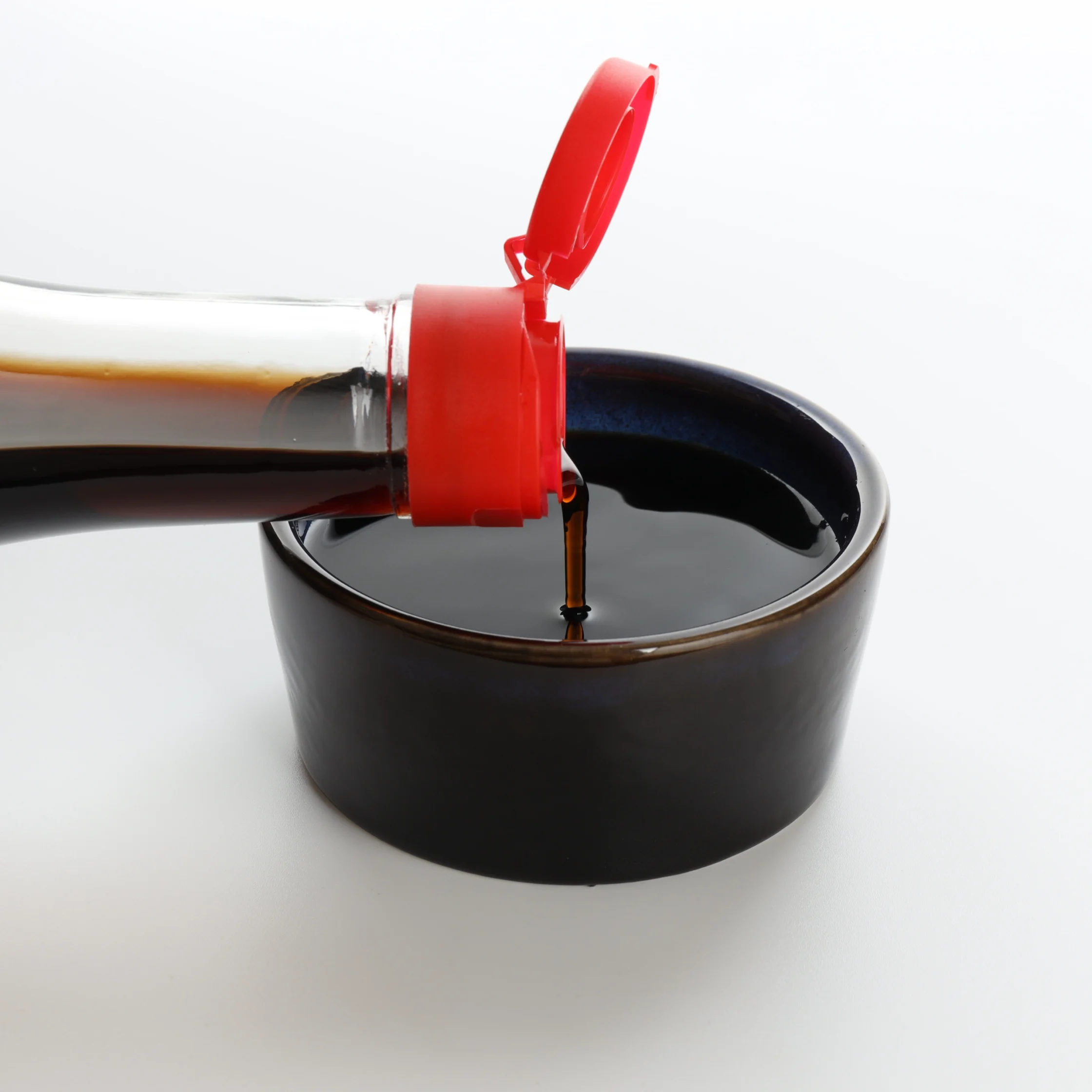
When making adobo, paksiwPaksiwPaksiw simply refers to a Filipino cooking method of simmering fish or meat in vinegar and garlic, often with ginger or bitter melon, without added oil. The technique both preservesGo to Paksiw Glossary, or bistek dishes (just to name a few), toyo or soy sauce is a non-negotiable. But how traditional soy sauce is made involves brewing both soy beans and wheat. So a big part of Filipino cuisine that uses soy sauce is not automatically gluten-free.
2. Oyster sauce
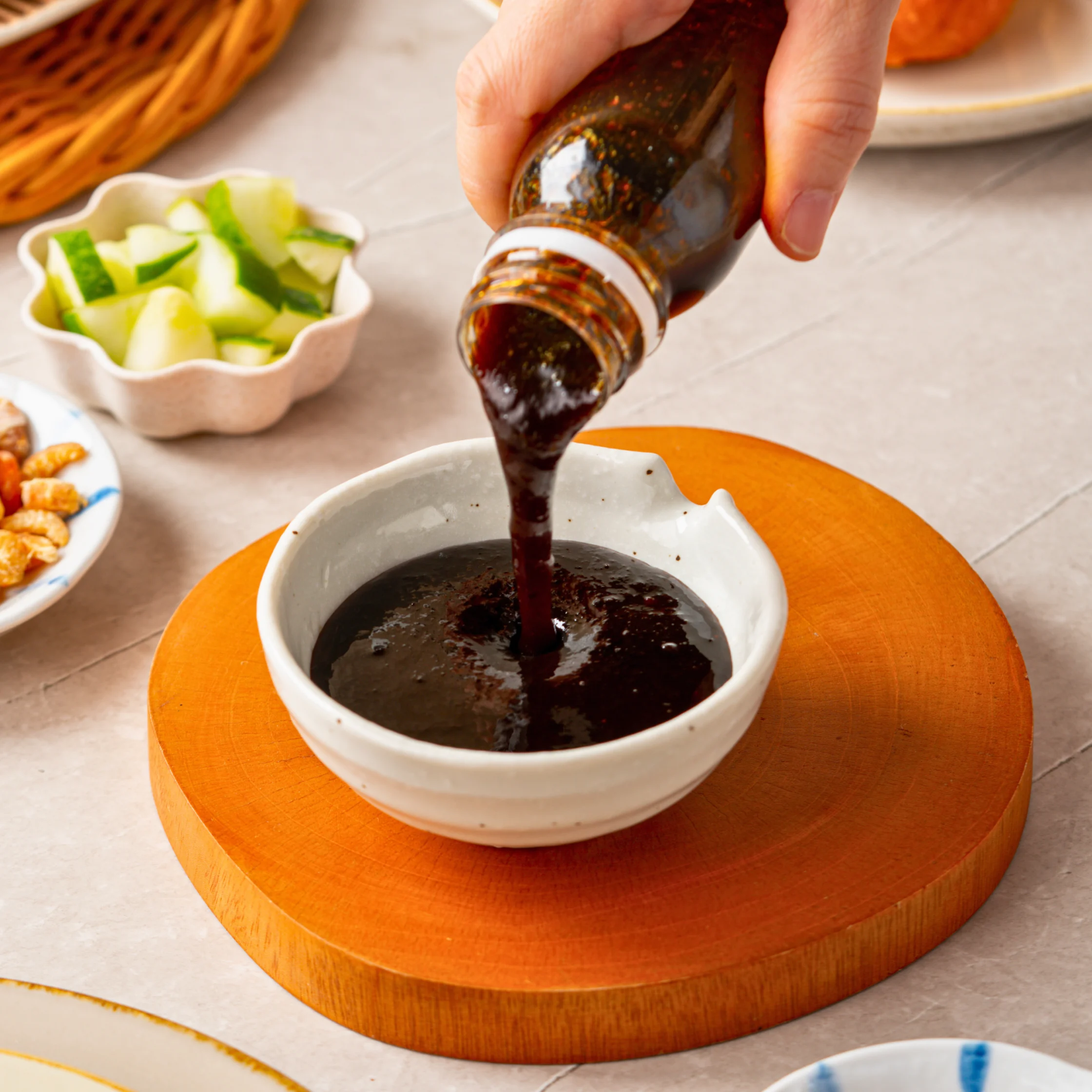
Commonly used in Filipino stir-fries, noodles, and vegetable dishes, most commercial oyster sauces are blended with soy sauce and thickened with wheat flour or modified wheat starch.
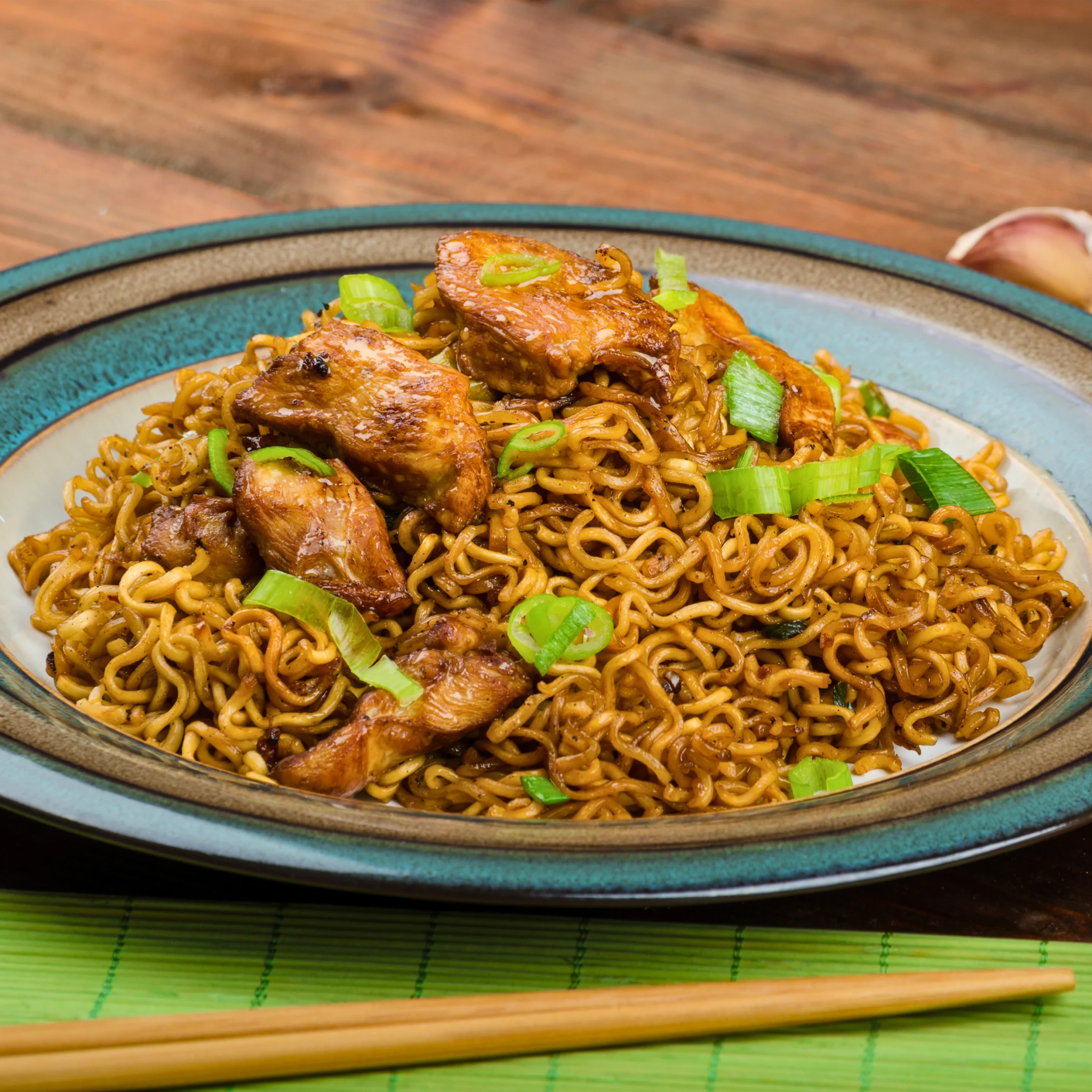
3. PancitPancitThe Filipino noodle dish, symbolizing long life and traditionally served at birthdays. Varieties abound, from everyday bihon and canton to regional specialties such as Quezon's habhab and Cagayan's pancit batilGo to Pancit Glossary
While pancitPancitThe Filipino noodle dish, symbolizing long life and traditionally served at birthdays. Varieties abound, from everyday bihon and canton to regional specialties such as Quezon's habhab and Cagayan's pancit batilGo to Pancit Glossary bihon, sotanghon, and palabok noodles are naturally gluten-free, pancit canton and miki are wheat-based and contain gluten. However, whether a pancit dish is truly gluten-free depends not just on the noodles, but also on the sauces and condiments used to cook or season it.
4. Battered and breaded fried foods
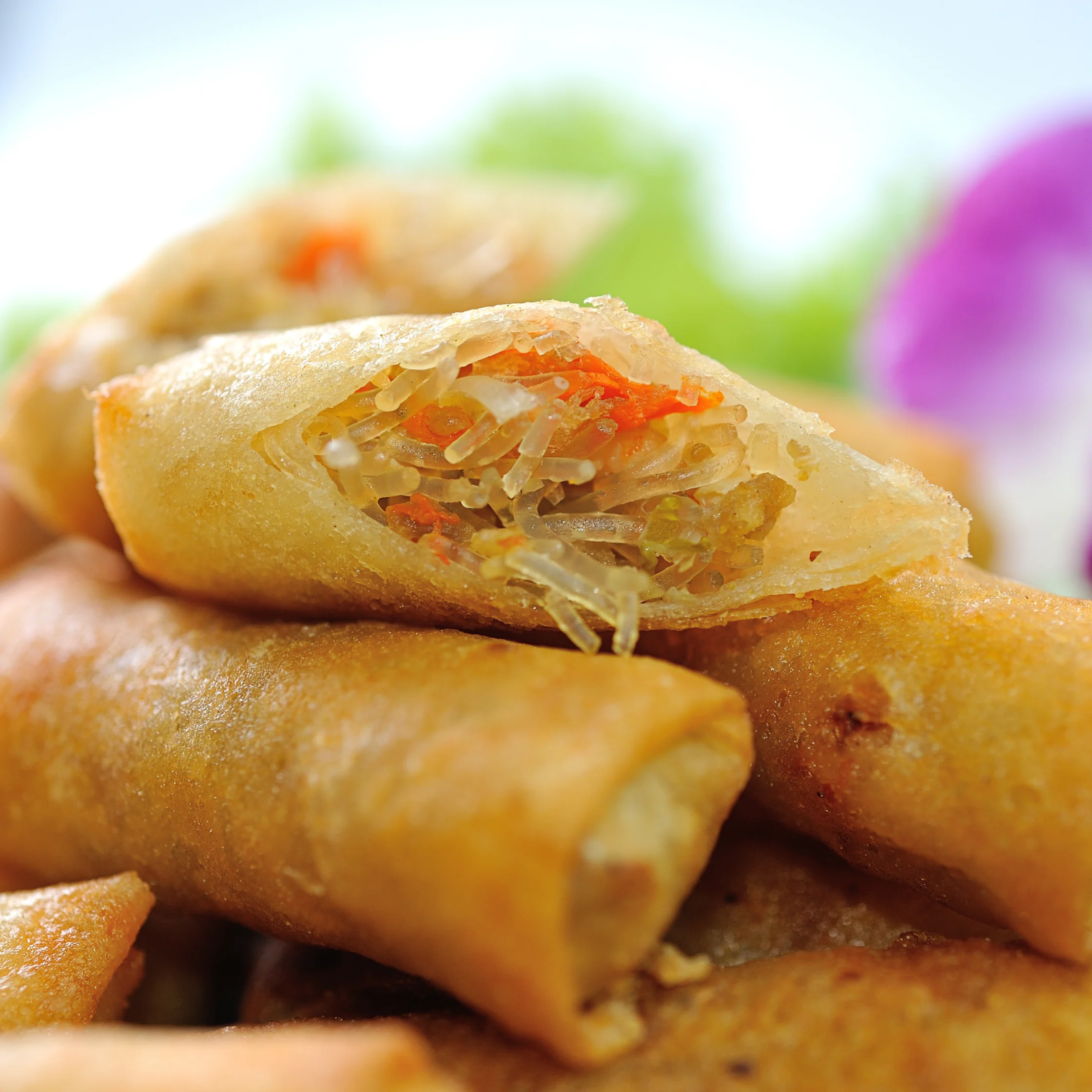
Think fried chicken, lumpia, kwek-kwek, and flour-battered okoy. Any dish wrapped in wheat-based pastry or coated in all-purpose flour or breadcrumbs contains gluten.
5. Processed meat
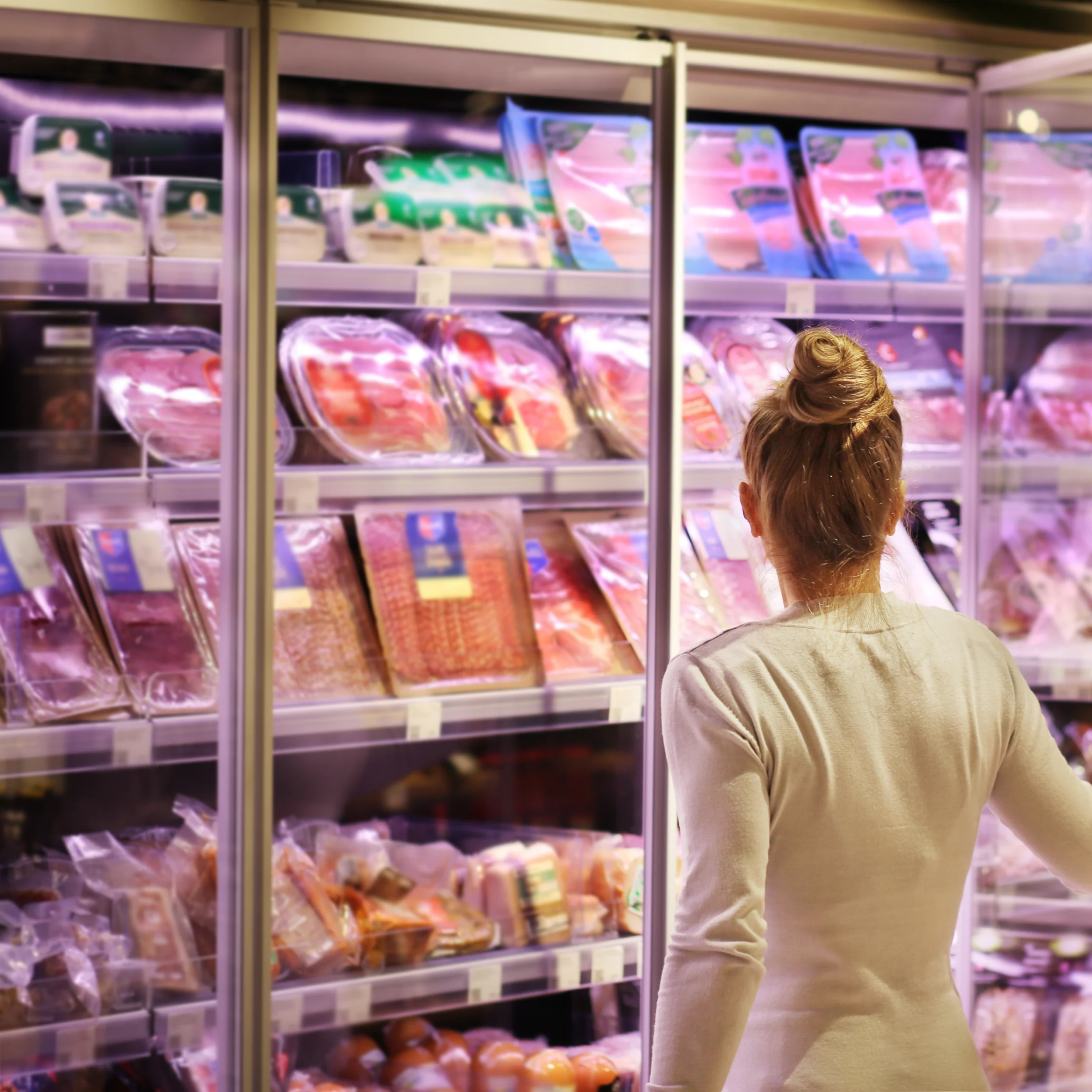
Fresh, plain meat is naturally gluten-free, but processed meats often contain hidden gluten. In Filipino food, store-bought longganisa, tocino, hotdogs, and embutido frequently rely on wheat flour or breadcrumbs as binders and extenders.
Why Do People Go Gluten-Free?
For the vast majority of people, gluten is completely harmless and is simply digested like any other dietary protein. Whole grains that contain gluten also provide valuable fiber, B vitamins, and iron.
However, gluten can trigger serious health reactions in a small percentage of the population.
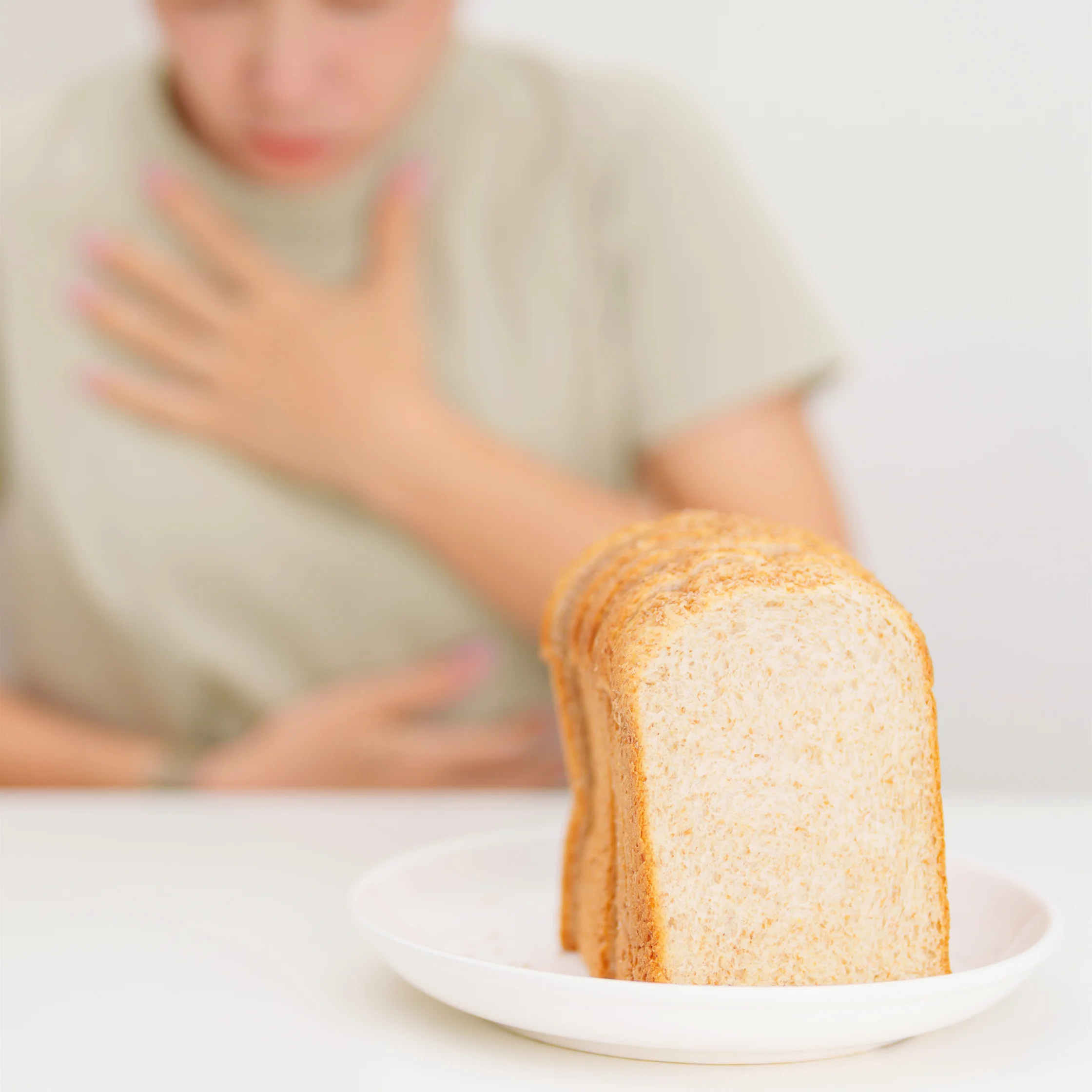
When someone with celiac disease eats gluten, their immune system attacks the lining of the small intestine, leading to inflammation, nutrient malabsorption, and long-term digestive damage. Strict, lifelong avoidance of gluten is the only possible and effective treatment.
People with Non-Celiac Gluten Sensitivity (NCGS) experience symptoms similar to celiac disease such as bloating, abdominal pain, fatigue, or brain fog after eating gluten, even though they test negative for celiac disease and wheat allergies and do not suffer intestinal damage.
Lastly, wheat allergy is an immune response specifically to proteins found in wheat (not necessarily barley or rye) that can cause hives, swelling, digestive distress, or, in severe cases, anaphylaxis.
Should I Eat Gluten-Free?
It is worth emphasizing that unless you live with any level of gluten sensitivity, switching to a gluten-free diet is not an automatically healthier lifestyle.
People who lose weight after going gluten-free have usually reduced their overall calorie intake by cutting back on processed foods and refined carbs, not from eliminating gluten itself.
Cutting out gluten without a medical reason can actually cause you to miss out on fiber-rich whole grains, B vitamins, and essential minerals, while pushing you toward heavily processed gluten-free substitutes. In fact, many manufacturers add extra sugar, sodium, or saturated fats to gluten-free packaged foods to make up for lost flavor and texture.
The bottom line: that “gluten-free” label is not a synonym for healthy.

Gluten is not the villain some people online make it out to be. I liked how TED-Ed’s video on gluten puts it: “What has gluten been doing for the previous entirety of human history? And why do [we] suddenly care about it?”
The people who truly need to care are those with a medical reason to avoid it. For the rest of us, it is simply a functional protein that gives some of our favorite foods their structure and chew.
Either way, knowing how gluten works and where it hides lets you read labels with confidence, whether you need to avoid it strictly or simply want to understand what is on your plate.

Frequently Asked Questions
Gluten is an insoluble protein composite naturally found in cereal grains such as wheat, barley, and rye. Instead of being a single compound, it is a dynamic network formed when gliadin and glutenin are combined with water and kneaded.
Gluten gives dough its structure, elasticity, and moisture retention. Glutenin provides strength so dough can bounce back, while gliadin allows it to stretch without tearing. Together, they form a stretchy web that traps carbon dioxide gas from yeast or baking powder, helping baked goods rise and develop an airy crumb and satisfying chew.
Most traditional Filipino staples like rice, vinegar, coconut milk, fresh meats, seafood, and vegetables are naturally gluten-free.
However, gluten often hides in common condiments, noodles, and cooking methods, such as traditional soy sauce, commercial oyster sauce, wheat-based pancit noodles, battered or breaded fried foods, and processed meats like longganisa, tocino, and embutido.
Gluten is harmless for most people, but strict avoidance is necessary for individuals with celiac disease, Non-Celiac Gluten Sensitivity (NCGS), and wheat allergy.
No. Unless you have celiac disease, NCGS, or a wheat allergy, going gluten-free is not automatically healthier.
Cutting out gluten without a medical reason can cause you to miss out on fiber-rich whole grains, B vitamins, and essential minerals, while pushing you toward processed gluten-free substitutes that often contain added sugar, sodium, or saturated fats to make up for flavor and texture.